Dachshund

- The Distinctive Puppy's Homeland: Origins and Ancient History
- Unique features and characteristics of her body
- Dachshund Health: Care and Nutrition
- Dachshund Training: Important Tips
- Dachshund as a Pet: Relationship with Family
The Distinctive Puppy's Homeland: Origins and Ancient History
History of the Dachshund Puppy Breed In the 16th century, the Dachshund puppy breed was developed in Germany, where it was used for hunting due to its high tracking skills. It was characterized by its short legs and long body, which helped it move in tight areas. The Dachshund puppy evolved through the ages Over the centuries, its popularity began to spread around the world. The Dachshund puppy was used for a variety of tasks, from hunting to entertainment. Today, this breed is considered one of the most popular pets due to its playful personality and loyalty to its owners.
Unique features and characteristics of her body
Body Structure of the Dachshund The Dachshund puppy has a unique body structure, characterized by its long body and short legs, which makes it suitable for moving in tight areas. This physical structure enhances its ability to adapt to different hunting environments. Hair Characteristics and Different Colors The Dachshund puppy has hair that can be short or long, and comes in a variety of colors such as black, coffee, and gray. The colors of its fur reflect its beauty and give it a unique appearance. These characteristics make it attractive to many pet lovers, and emphasize its diversity and distinctive personality.
Dachshund Health: Care and Nutrition
Daily Care for Dachshund Puppies Dachshunds need regular daily care to ensure their health and happiness. Care should include daily walks, play, and social interaction with humans and other dogs. Owners should also ensure that their ears and eyes are cleaned regularly, and that necessary veterinary checkups are performed. The best diet for maintaining the health of a Dachshund puppy should be balanced and appropriate for their nutritional needs. It is preferable to use a high-quality food for small dogs that contains proteins, vitamins, and minerals. The amount of food provided should be reduced in appropriate portions to avoid obesity, and physical activity should be promoted to maintain optimal health.
Dachshund Training: Important Tips
Dachshund Puppy Training Techniques Dachshund puppy training requires gentle and effective methods, such as positive reinforcement. Basic commands such as “sit” and “come” should be taught to the puppy during short, fun training sessions. Play and rewards are the best ways to encourage good behavior. Positive Behavior Reinforcement and Discipline Owners should reinforce positive behavior through praise and rewards. It is also important to be patient during training, as it may take some time for the puppy to acquire the skills required. Harsh punishments should be avoided to promote a good relationship between the dog and its owner.
Dachshund as a Pet: Relationship with Family
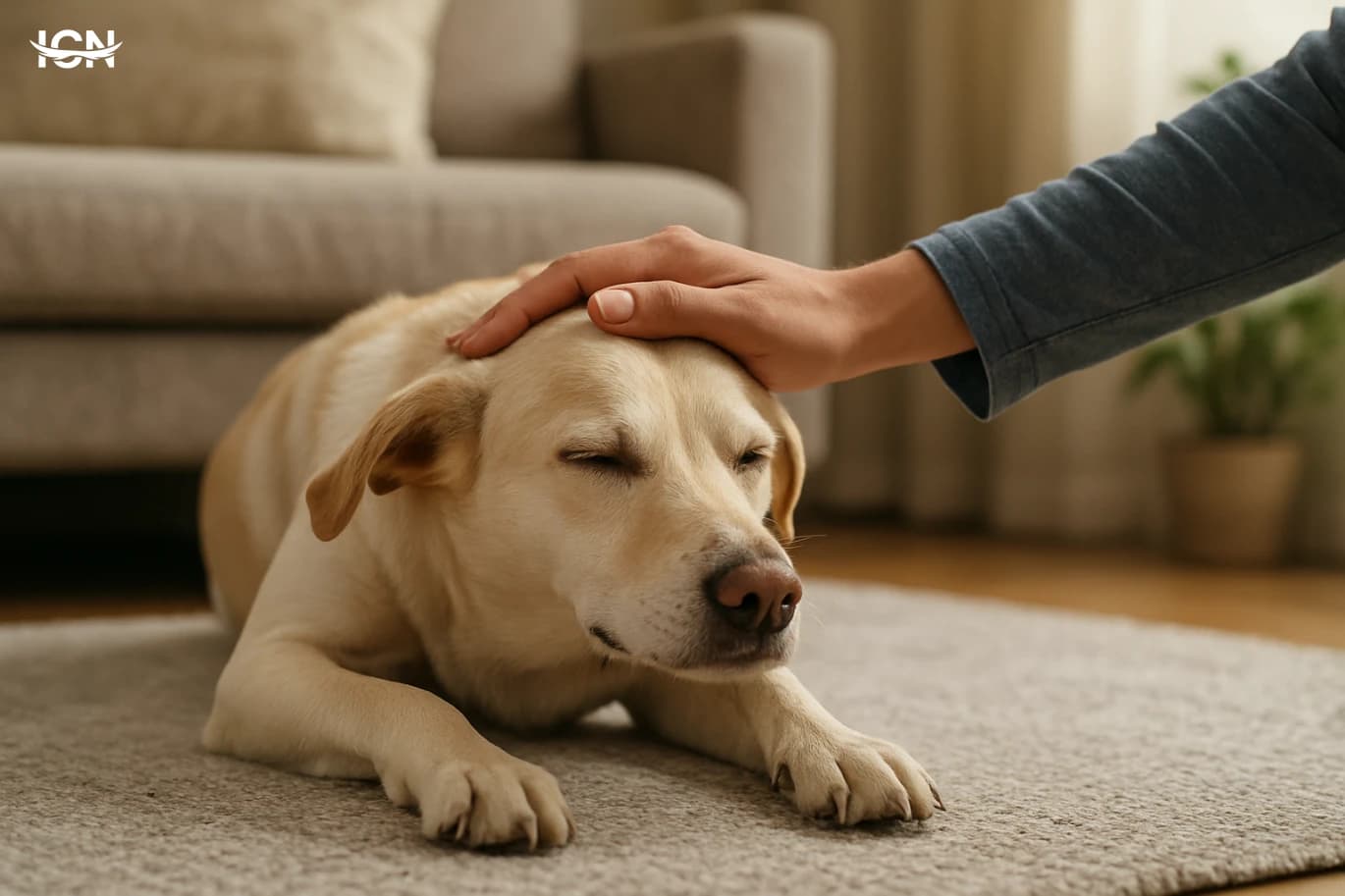
Dachshunds with Children and Other Pets The Dachshund puppy is known for its social qualities, which makes it usually get along well with children and other pets. It just needs early interaction and proper socialization. It is important to monitor interactions and provide positive training to strengthen the bond between him and family members. The importance of providing interaction and love for the Dachshund puppy Emotional care and daily interaction with the Dachshund puppy is of utmost importance, as it helps build strong trust between him and his family. To enhance his belonging, owners should set aside time to play and interact with him, which contributes to the formation of a strong relationship full of love and support.