Building a Calm Routine for Anxious Dogs
- Why canine anxiety shows up at home
- Set a predictable daily schedule
- Exercise and enrichment that reduce stress
- Create a safe space and manage noise
- Teach calm behaviors with short training
- When to involve a veterinarian or trainer
Why canine anxiety shows up at home
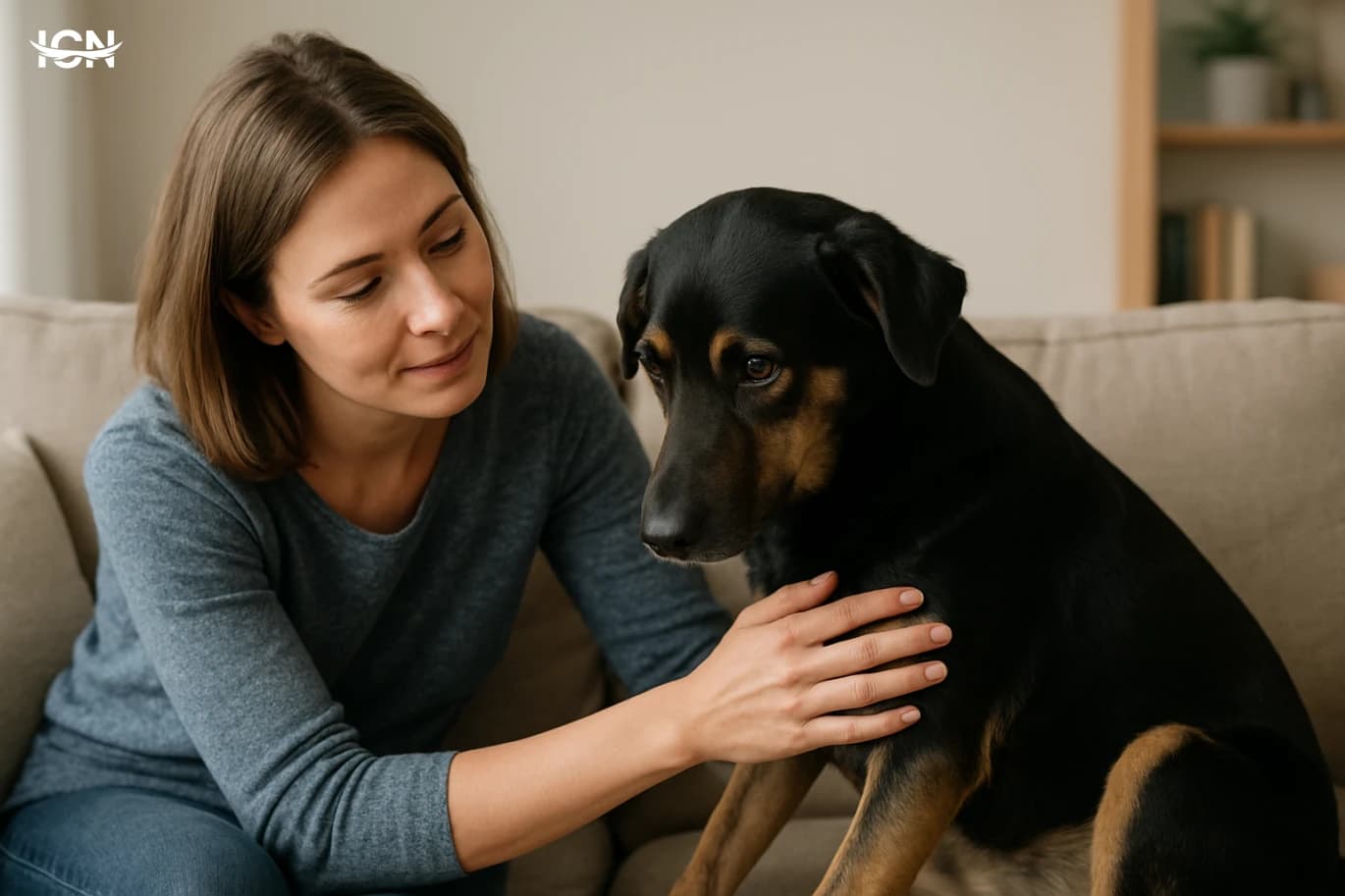
Many dogs seem “fine” on walks yet become unsettled indoors, where triggers are repetitive and harder to escape. Common home-based stressors include unpredictable noise (doorbells, elevators, street sounds), sudden changes in household schedules, visitors, and long quiet periods that build anticipation. Some dogs react to being separated from a person, while others struggle with confinement in a crate or a single room. Anxiety can also be reinforced unintentionally when owners only interact during moments of distress, teaching the dog that pacing or whining brings attention. A practical way to start is to identify patterns rather than labels. Note what happens right before the dog becomes restless: time of day, who is present, what sounds occur, and whether the dog has had enough physical and mental activity. Look for measurable signs such as repeated yawning, lip licking, panting when the room is cool, scanning the windows, following people closely, or refusing food. These details help you choose routine changes that address the cause, not just the symptom.
Set a predictable daily schedule
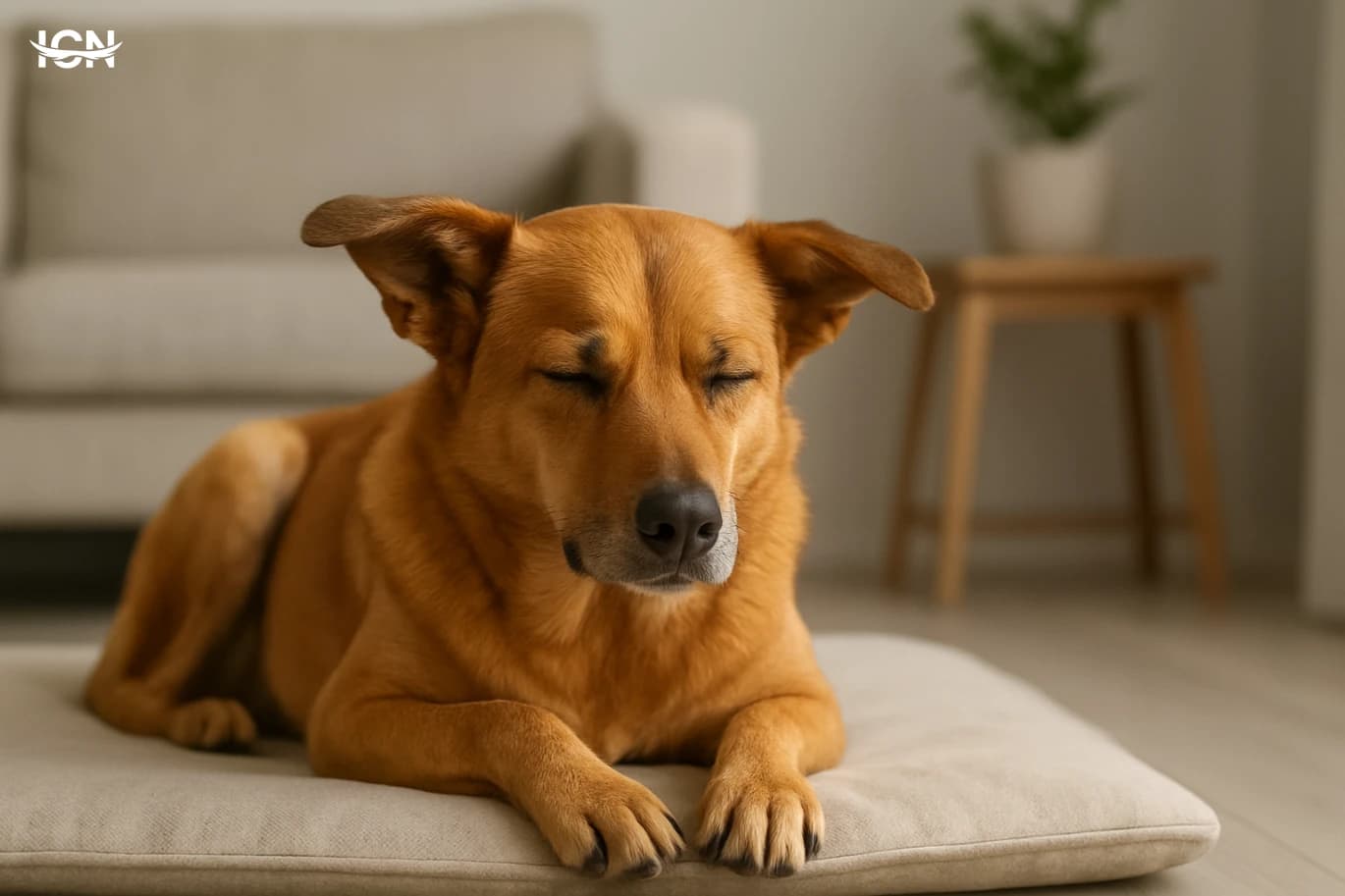
A calm routine is built on predictability. Dogs relax when they can anticipate what comes next, especially around meals, walks, and rest. Start with three anchors: feeding times, bathroom breaks, and a consistent sleep window. Keep these anchors within the same one-hour range each day. If your household has shifting work hours, choose a “minimum routine” that never changes: a short morning walk, a midday potty break, and an evening decompression period. Add structure without over-managing. For example, schedule two activity blocks and two quiet blocks daily. Activity blocks can include a brisk walk, training, or play. Quiet blocks should be truly quiet: lights slightly dimmed, a designated bed, and minimal interaction beyond calm check-ins. Many anxious dogs benefit from a short “settle” practice after activity—five minutes on a mat with a chew or a food puzzle—so excitement transitions into rest. Over time, the dog learns that the home has reliable rhythms, not constant surprises.
Exercise and enrichment that reduce stress
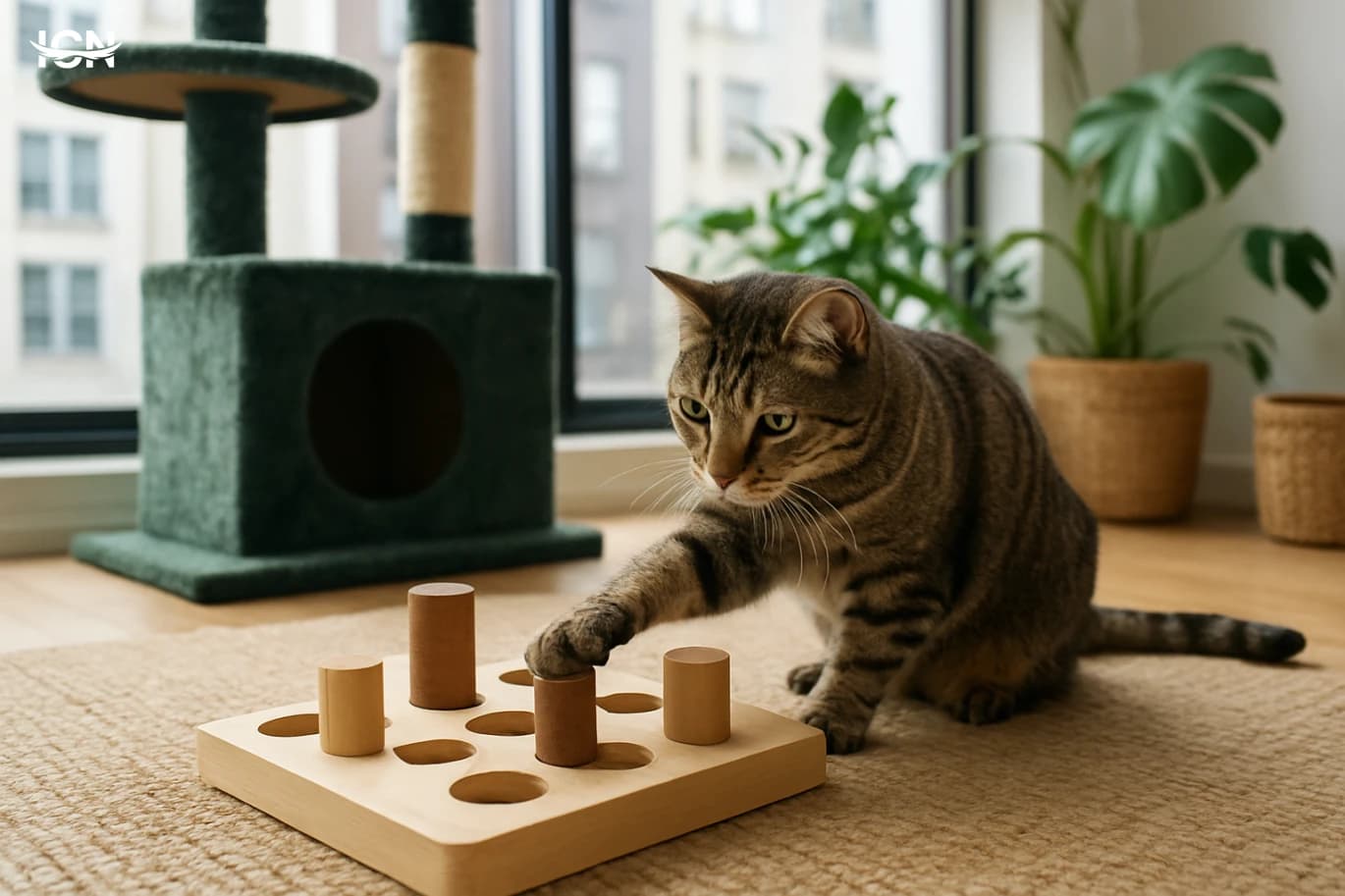
Not all exercise calms an anxious dog. High-intensity play can sometimes increase arousal and make settling harder. Aim for a balanced mix: steady walking for sniffing, short training sessions, and controlled play. A useful guideline is to include at least one “sniff walk” daily, where the dog can explore at a slower pace. Sniffing is mentally tiring and often more calming than running. Enrichment inside the home matters just as much. Rotate food puzzles, scatter-feed kibble in a safe area, or hide small treats for a simple search game. Provide a few chew options with different textures, and supervise until you know what is safe for your dog. Keep sessions short and predictable: 10–15 minutes of enrichment followed by a quiet rest. If your dog becomes frantic around toys or food, choose calmer options like lick mats or slow feeders. The goal is to lower baseline stress, not to create another source of excitement.
Create a safe space and manage noise
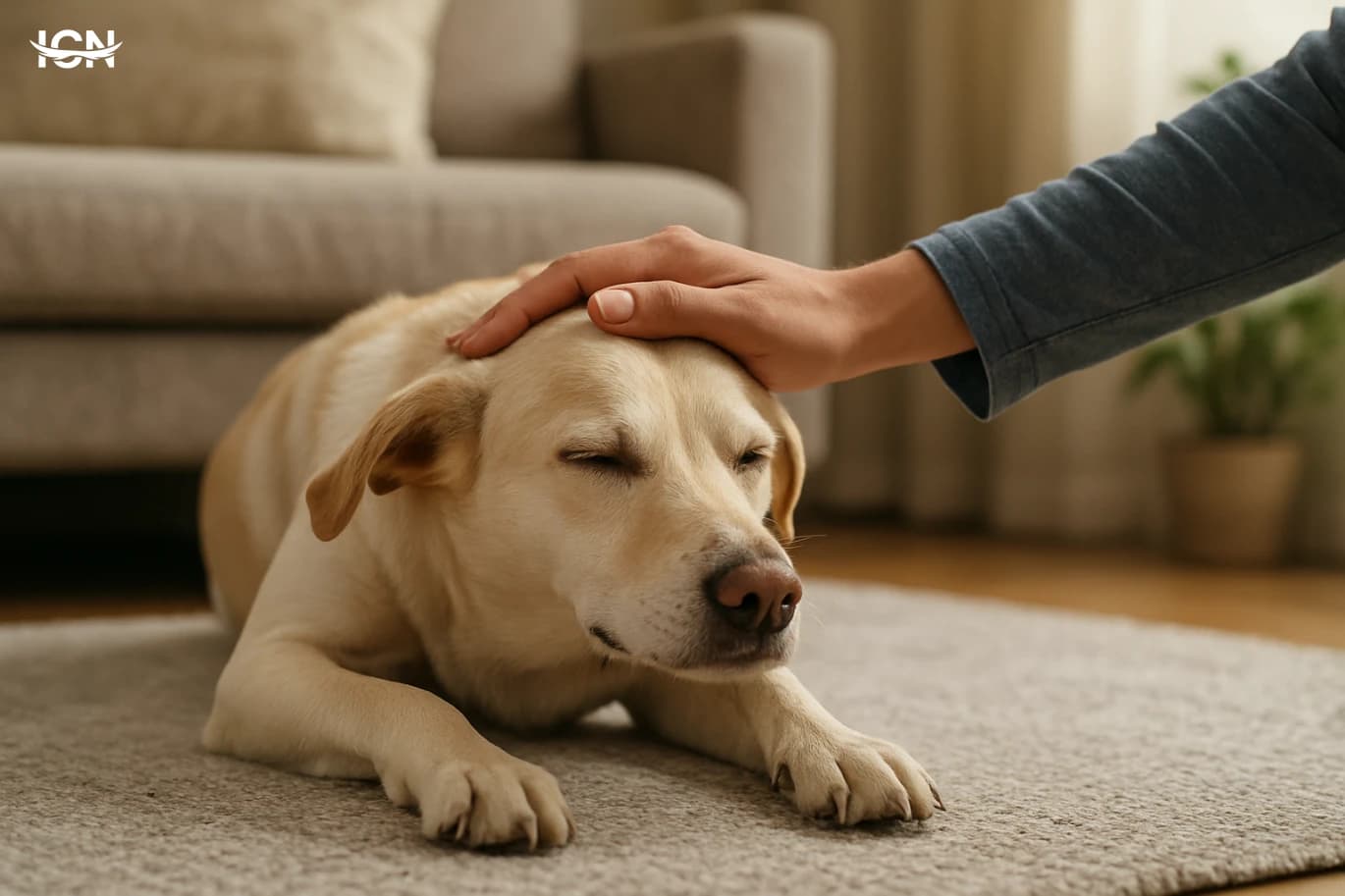
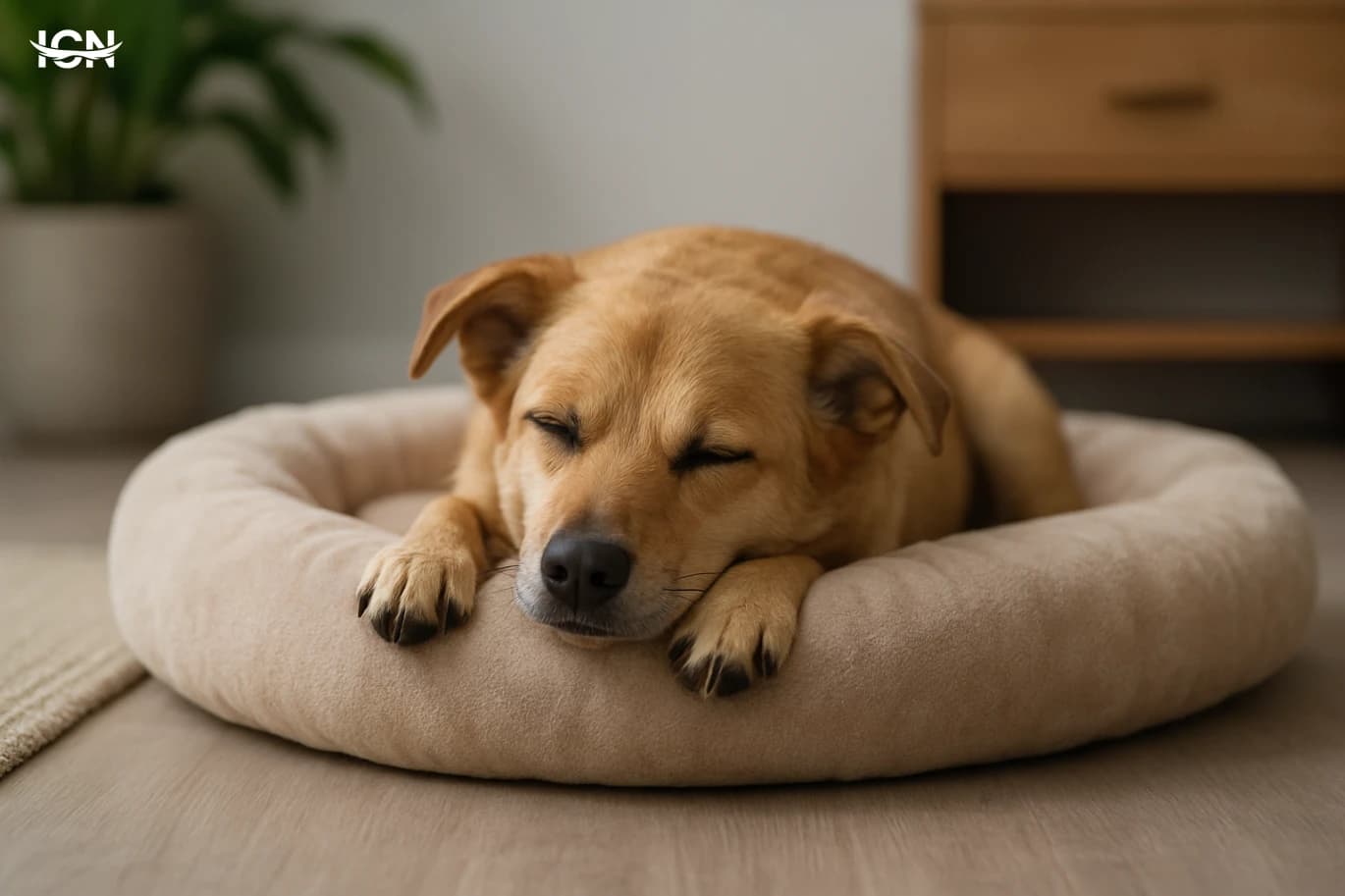
A designated safe space gives an anxious dog a predictable “off switch.” Choose a quiet corner away from the front door and heavy foot traffic. Set up a comfortable bed, water access, and a few calming items such as a chew or a familiar blanket. If your dog likes crates, keep the door open and make it voluntary, not a punishment. If crates increase stress, use a baby gate or a pen to create a low-pressure zone. Noise management is often the difference between a calm day and a reactive one. Use white noise, a fan, or low-volume background audio to soften sudden sounds. Close windows during peak street noise, and consider doorbell management: a sign asking delivery drivers not to ring, or a doorbell chime set to a lower volume. For dogs that react to hallway sounds, placing a rug near the door can reduce echoes. These changes are small but measurable, and they support training by reducing the number of daily triggers.
Teach calm behaviors with short training
Training for anxiety is less about commands and more about building a default calm response. Focus on two skills: “settle on a mat” and “check-in.” For settling, place a mat in the safe area, reward the dog for stepping onto it, then for lying down, then for staying relaxed for a few seconds. Keep sessions under five minutes and repeat several times a week. For check-ins, reward the dog for making eye contact with you during calm moments, so attention becomes a stable behavior rather than a frantic one. Use rewards strategically. If your dog is too stressed to take treats, that is information: the environment is currently too hard. Lower the difficulty by increasing distance from the trigger, reducing noise, or practicing at a quieter time of day. Avoid scolding anxious behaviors; it often increases stress and can damage trust. Instead, reinforce small wins: a quiet pause, a relaxed body posture, or choosing the bed on their own. Consistency matters more than intensity, and gradual progress is the realistic goal.
When to involve a veterinarian or trainer
A routine can improve many cases, but some dogs need professional support. Consider a veterinary check if anxiety appears suddenly, worsens quickly, or comes with changes in appetite, sleep, or mobility. Pain, digestive issues, and age-related changes can all look like “behavior problems” at first. A veterinarian can rule out medical causes and discuss evidence-based options if needed. For behavior help, look for a qualified trainer who uses reward-based methods and can explain a clear plan with measurable steps. Ask what they will do if the dog is too stressed to learn, and how they track progress week to week. In severe cases—such as persistent inability to settle, destructive behavior when alone, or frequent panic responses—working with a veterinary behaviorist can be appropriate. The most effective approach is usually a combination: medical assessment, environmental management, and a consistent routine that the whole household follows.