Building a Calm Routine for Anxious Dogs
- Why anxiety shows up at home
- Daily schedule that reduces stress
- Home setup that supports calm behavior
- Training tools that actually work
- When to seek veterinary help
Why anxiety shows up at home
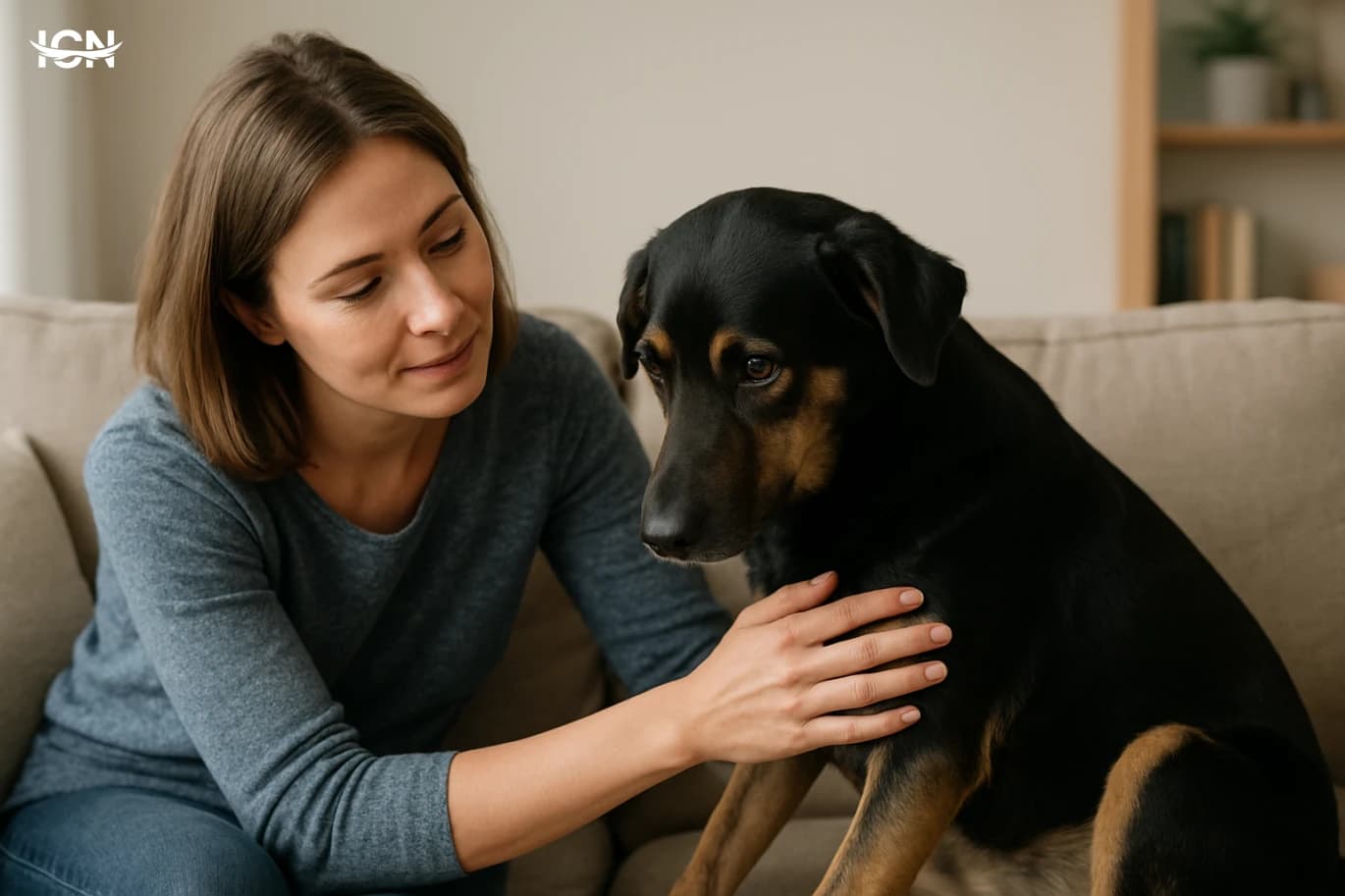
Many dog owners notice anxiety most clearly at home because the triggers are predictable and repeat often: the doorbell, delivery knocks, vacuum noise, or a family member leaving for work. Anxiety can also build from inconsistent schedules, long stretches without activity, or a lack of clear cues about what happens next. A dog that never knows when the next walk, meal, or quiet time will happen may stay on alert, which looks like pacing, whining, shadowing one person, or reacting sharply to small sounds. It helps to separate normal excitement from anxiety. Excitement is brief and tied to a clear event, like a leash coming out. Anxiety tends to linger and can appear without an obvious reason, especially in dogs that have had changes in their environment, limited early social exposure, or repeated stressful experiences such as loud construction nearby. Before building a routine, owners should note the specific moments when the dog escalates, how long it takes to settle, and whether the behavior is getting worse over weeks. Those details guide practical changes and also help a veterinarian rule out pain, thyroid issues, or age-related cognitive decline that can mimic anxiety.
Daily schedule that reduces stress
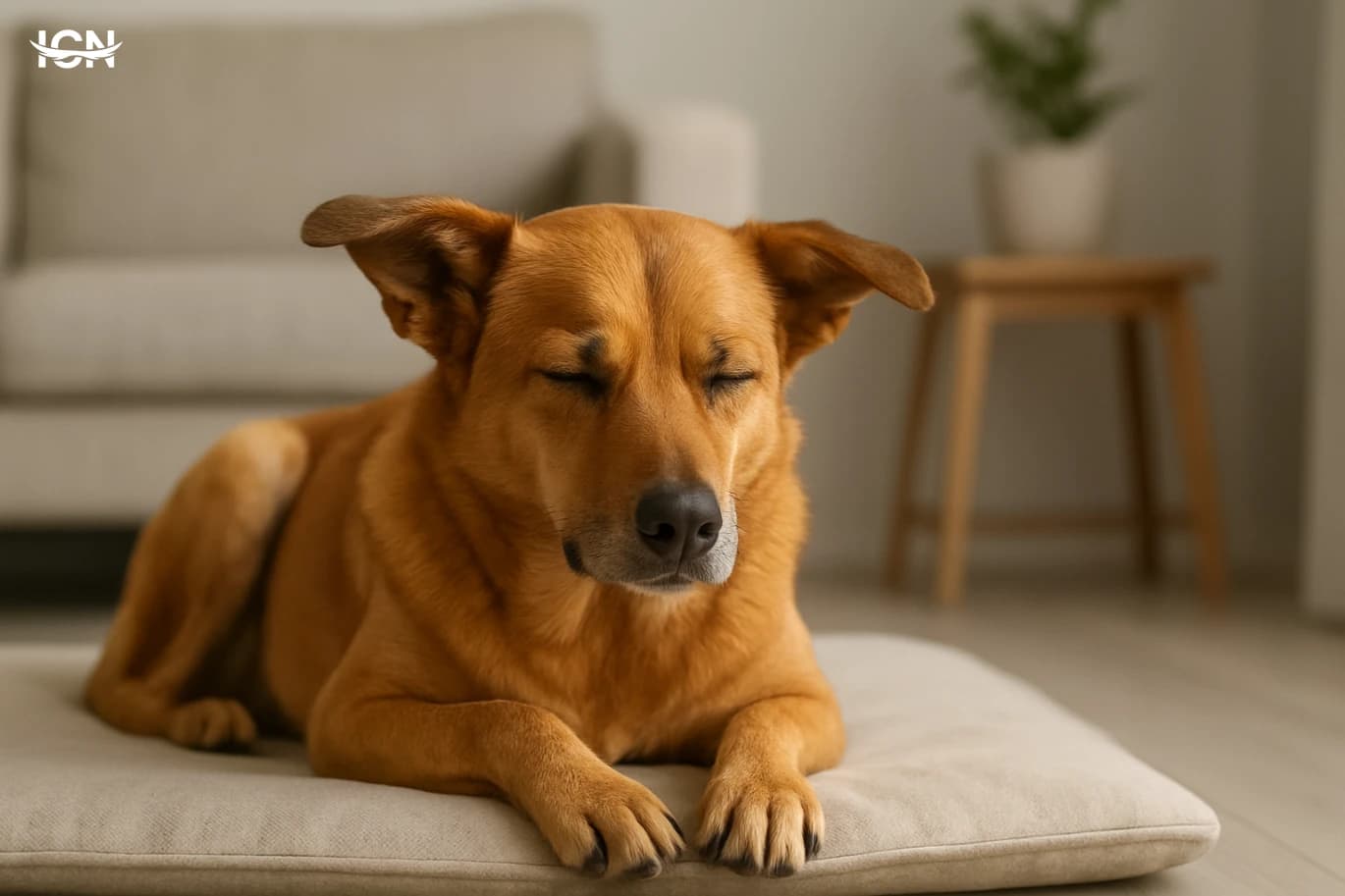
A calming routine is not about keeping a dog busy all day; it is about predictable cycles of activity and rest. Start with three anchors: consistent meal times, consistent walk times, and a consistent quiet period. For many adult dogs, two walks per day plus a short potty break works well, but anxious dogs often benefit from a structured morning walk that includes sniffing time. Ten to fifteen minutes of “sniff walk” on a long leash can lower arousal more effectively than a fast lap around the block. Build in short training moments that end before the dog gets frustrated. Two sessions of three to five minutes, focused on simple cues like “sit,” “touch,” or “go to mat,” can provide clarity and confidence. Add a predictable rest cue after activity, such as guiding the dog to a bed with a chew. Rest is a skill: many anxious dogs do not naturally downshift, so owners should plan for it rather than waiting for it. In the evening, reduce stimulation one to two hours before bedtime. Lower the volume of TV, avoid rough play, and keep lighting steady. If the dog reacts to outside sounds, use a fan or white noise to mask sudden spikes. The goal is not silence but consistency. Over time, the dog learns that nights are boring and safe, which reduces pacing and alert barking.
Home setup that supports calm behavior
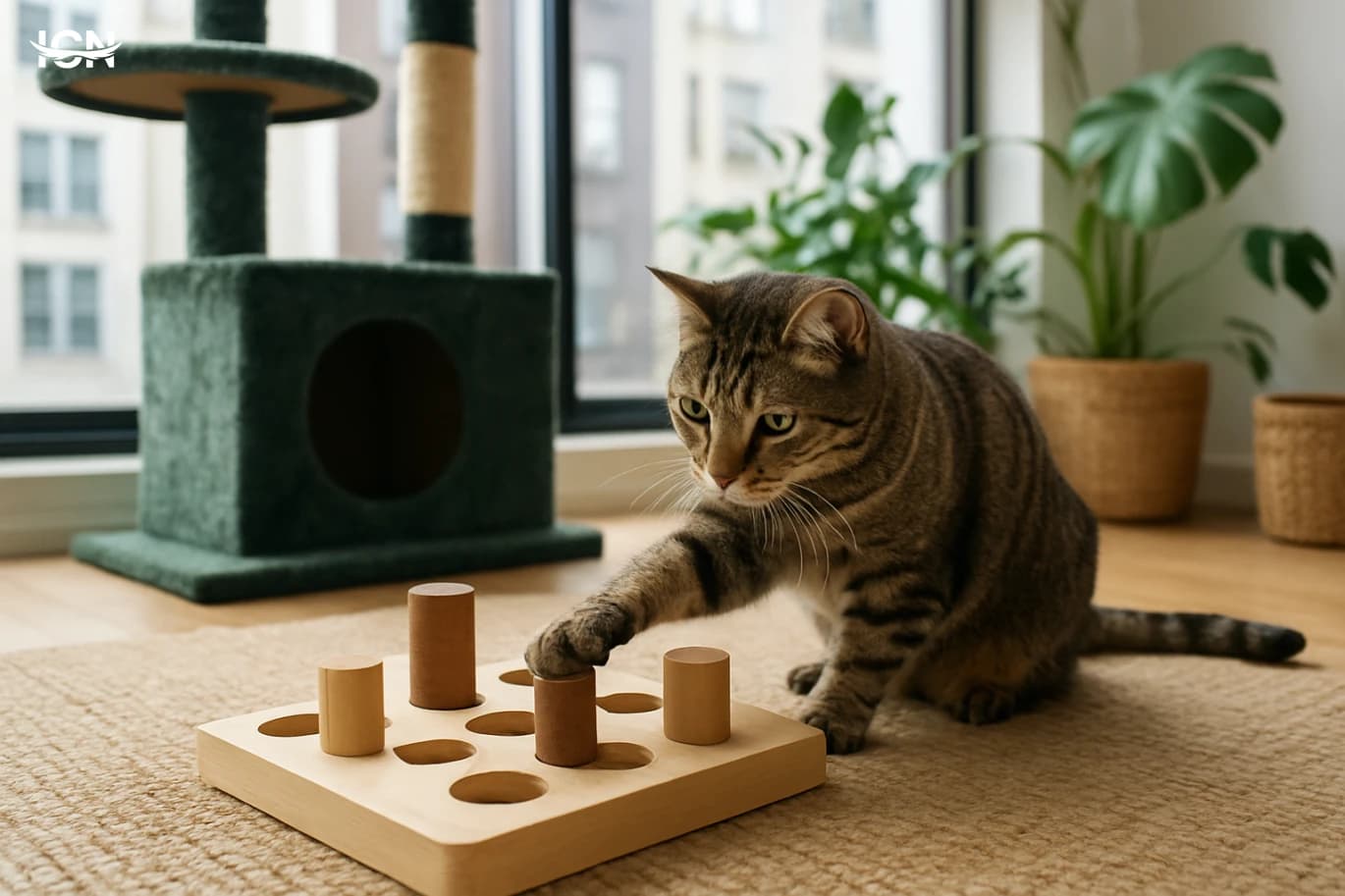
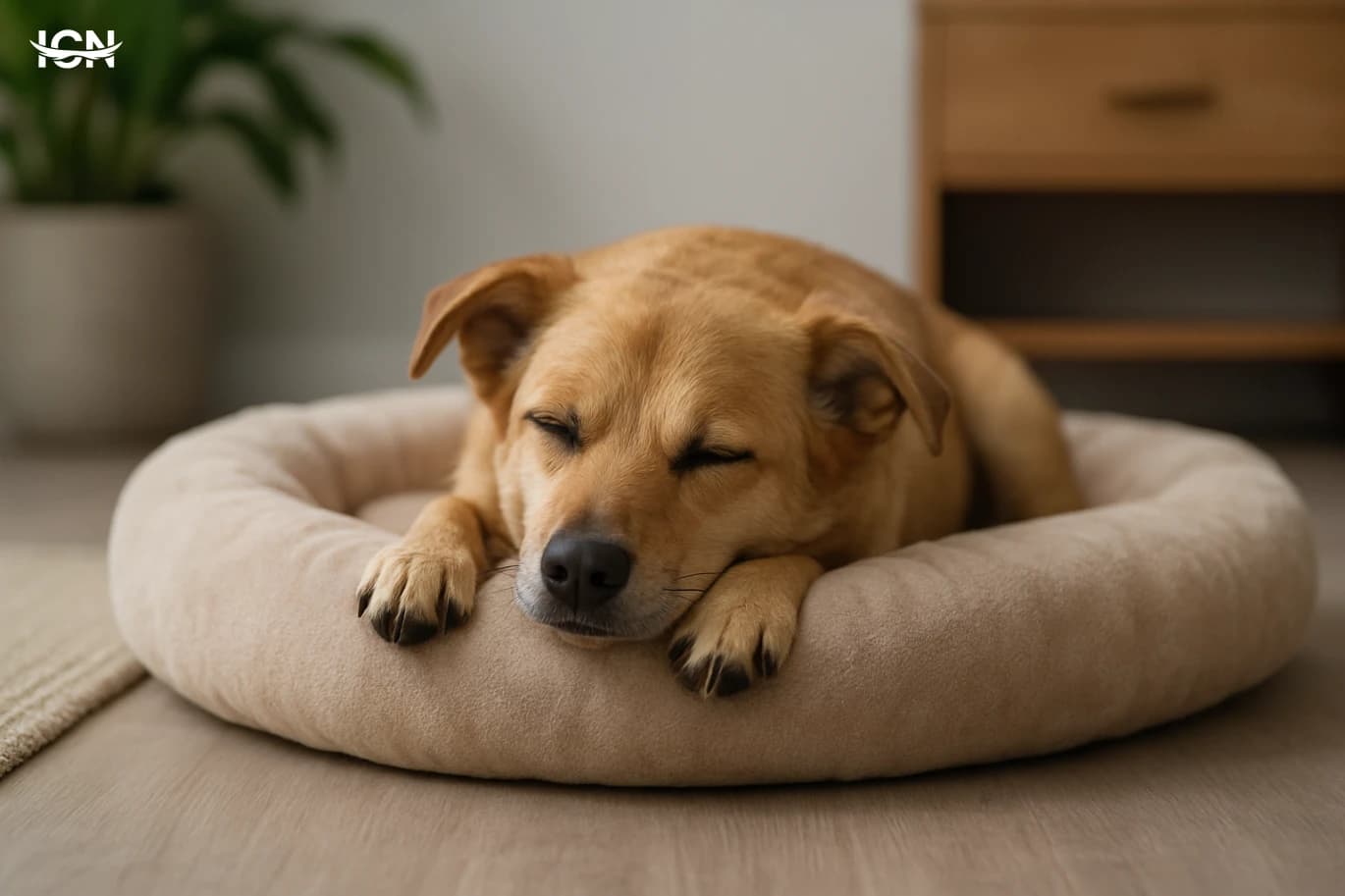
The physical environment can either reinforce anxiety or help a dog settle. Create one primary “safe zone” where the dog can retreat without being disturbed. This can be a crate with the door open, a covered bed in a corner, or a quiet room. The key is that the space is consistent and not used for punishment. Place it away from the front door if door sounds are a trigger, and consider blocking direct sightlines to windows if the dog reacts to passersby. Manage traffic patterns inside the home. Anxious dogs often struggle when people move unpredictably around them, especially in narrow hallways. Use baby gates to reduce sudden encounters and to give the dog a clear boundary. For dogs that guard the door or bark at visitors, set up a station several meters from the entry and practice rewarding the dog for staying there when the bell rings. Enrichment should be calming, not overstimulating. Food puzzles, lick mats, and slow-feeder bowls can turn meals into a quiet activity that lowers arousal. Rotate items to keep interest, but avoid introducing multiple new toys at once, which can increase agitation. If the dog is sensitive to noise, add rugs or curtains to reduce echo and sharp sounds. Small changes in acoustics can make a noticeable difference in how quickly a dog recovers after a startle.
Training tools that actually work
For anxious dogs, the most reliable training approach is reward-based and focused on teaching alternative behaviors. Start with “go to mat” or “settle,” because it gives the dog a clear job during stressful moments. Reward calm body language: soft eyes, relaxed shoulders, and choosing to lie down. Keep treats small and frequent at first, then gradually reduce the rate as the behavior becomes routine. Desensitization and counterconditioning are practical when done in small steps. If the dog panics when you pick up keys, begin by touching the keys briefly, then rewarding, and stopping before the dog escalates. Repeat until the keys predict something good rather than a stressful departure. The same method applies to the vacuum, doorbell recordings, or visitors. The critical detail is intensity control: the trigger must be presented at a level the dog can handle. Avoid punishment-based tools such as shock collars or harsh leash corrections. They may suppress visible reactions temporarily, but they often increase underlying fear and can make anxiety harder to treat. If the dog’s anxiety includes aggression, consult a qualified trainer or veterinary behaviorist for a plan that prioritizes safety, including muzzle training with positive methods. A properly introduced basket muzzle can allow training to continue while reducing risk, and it should be paired with rewards so the dog does not associate it with bad events.
When to seek veterinary help
Routine changes can improve mild to moderate anxiety, but some cases require medical support. Seek veterinary advice if the dog injures itself trying to escape, destroys doors or crates, stops eating during stressful periods, or shows sudden behavior changes that appear out of character. Older dogs that become restless at night, stare into space, or seem disoriented may need evaluation for cognitive dysfunction or pain. A veterinarian can check for medical contributors such as arthritis, ear infections, gastrointestinal discomfort, or endocrine issues. Treating pain alone can reduce irritability and reactivity. In some cases, prescription medication is appropriate, either short-term for predictable events like fireworks or longer-term for chronic anxiety. Medication is not a shortcut; it is often used to lower the baseline stress level so training and routine changes can work. Owners should also ask about supplements and pheromone products with realistic expectations. Some dogs show modest improvement with evidence-based options, but results vary and should be monitored like any other intervention. The most useful approach is combining a consistent daily routine, environmental management, and a training plan, then reassessing progress every two to four weeks with clear notes on triggers, recovery time, and sleep quality.