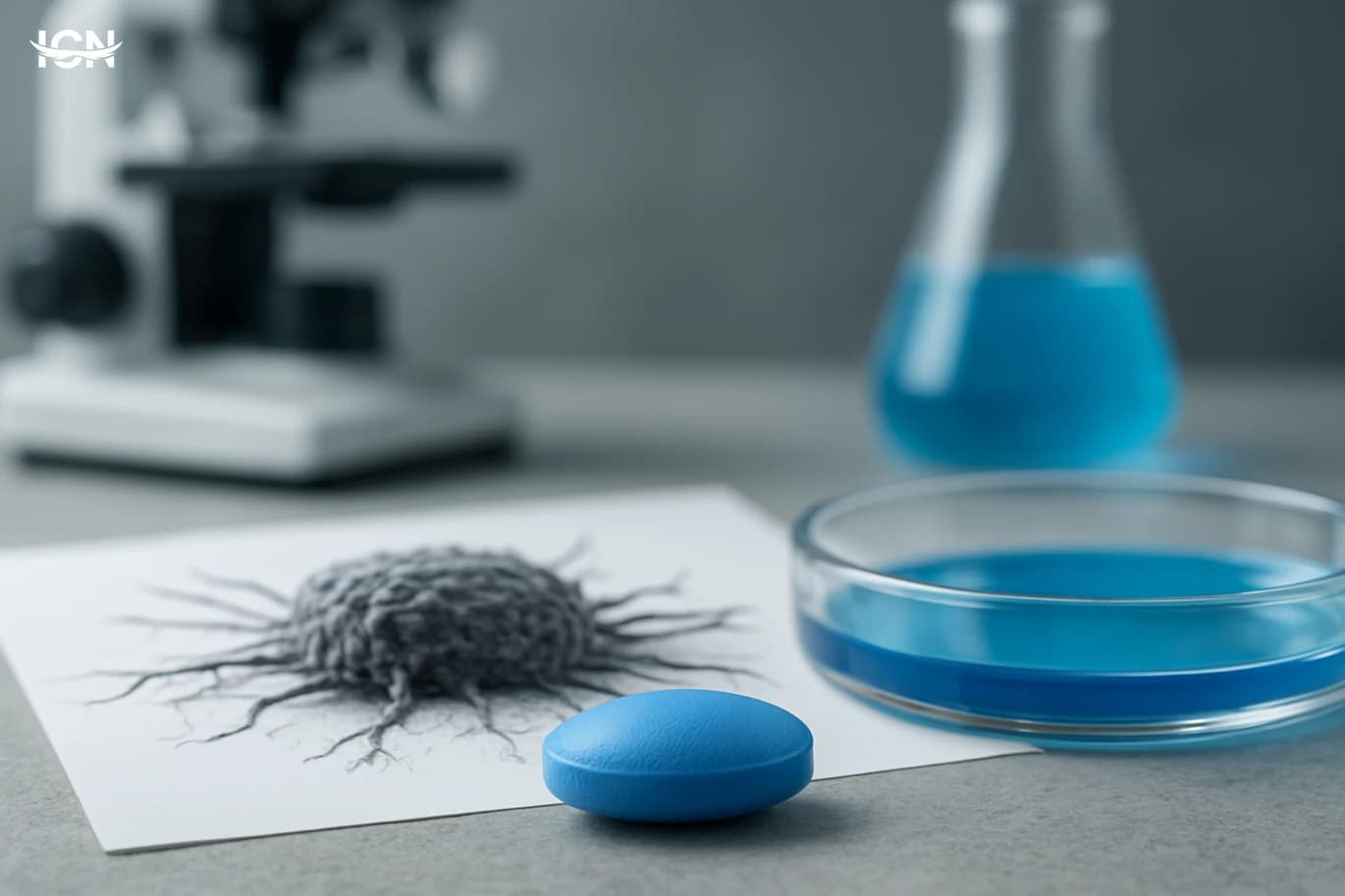
T Cells

- the introduction
- Tables T -cells
- Cell maturity process T
- T cell function in disease control
- Rare incidents associated with T cells T.
the introduction
What are the cells T? T cells T is a type of white blood cell that plays a pivotal role in immunosuppressive operations. It is produced in the bone marrow, then migrates to the thymus gland where it is matured and is able to identify strange elements in the body. The importance of T cells in the immune system. T cells are an essential part of the adaptive immune system. It is responsible for coordinating the immune response, identifying and eliminating the affected or cancerous cells. T cells also help enhance the activity of other immune cells, which leads to a more effective immune response against infection and diseases.
Tables T -cells
T -helmet cells are associated with helping to enhance the immune response through the secretion of cytokines, as it helps in stimulating the B cells and dead T cells. These cells play a central role in the adaptive response and help in developing long -lasting immune memory, which contributes to protecting the body from future threats. The dead T cells on the other side, the dead T cells recognize and destroy the cells affected by viruses or cancer cells. These cells depend on special receptors on their surface to identify the targeted cells, which makes them vital elements in fighting cancerous infection and enhancing the general health of the body.
Cell maturity process T
The development of T cells in the thymus gland, T cells pass by multiple ripening stages in the thyme, as they are formed from the stem cells in the bone marrow. Each T cell receives the instructions needed to determine the type of its immune response, which enhances its ability to face various threats. Upon completion of their ripening, these cells are removed from the gland to enter the blood circulation. Activating T cells to attack exotic particles. Activating T cells occurs when they recognize the antigens, as they interact with B cells and antigens to start an effective immune response. The dead T cells attack exotic particles, which contributes to protecting the body from diseases and infection, while T cells enhance the production of antibodies, which enhances the body's immunity in general.
T cell function in disease control
Targeting cancer cells The dead T cells enjoy a superior ability to identify cancer cells. When cancer cells are discovered, T cells secrete chemicals that lead to the death of these cells, which helps reduce tumors growth and enhance the chances of healing. Attacking the bacteria and viruses, the Tel T cells play a vital role in enhancing the body's response against germs and viruses. These cells stimulate B cells to produce antibodies, and also stimulate other immune cells. Thanks to these processes, the body can tackle infection more efficiently and ensure its safety.
Rare incidents associated with T cells T.
Allergy to T cells shows some rare cases in which T cells may lead to severe allergic reactions. These conditions can occur when the immune system interacts excessively with non -harmful substances, which leads to symptoms such as rash or difficulty breathing. The inflammatory disorders caused by the interaction of T cells may sometimes lead to unwanted infections, such as autoimmune, as the body attacks its own tissues. This insecurity may have serious effects on a person's health, which causes diseases such as arthritis or lupus.