hepatic encephalopathy

- Concept and reasons
- Symptoms and Diagnosis
- Treatment and care
- Food and Nutrition
- Precautions and prevention
Concept and reasons
Definition of Hepatotoxicity Hepatotoxicity: is a serious health condition that occurs when the liver is exposed to toxic substances that damage its tissues and functions. These substances can be caused by taking drugs, alcohol, or some medications. Main causes of hepatotoxicity Studies indicate that hepatotoxicity may occur as a result of several factors. Among them are excessive alcohol consumption, taking medications in excessive doses, and exposure to environmental toxins. In addition, chronic diseases such as viral hepatitis can contribute to the worsening of the condition. Prevention and early detection are essential to avoid health risks.
Symptoms and Diagnosis
Common symptoms of liver poisoning Symptoms of liver poisoning include general weakness, abdominal pain, and jaundice (yellowing of the skin and eyes). The patient also suffers from nausea and loss of appetite. Other symptoms may include itchy skin and discoloration of urine and stool. How to diagnose liver poisoning To diagnose liver poisoning, doctors perform medical tests that include blood tests to assess liver function, in addition to imaging tests such as ultrasound. In some cases, a liver biopsy is performed to get an accurate assessment of the condition of the liver and the extent of poisoning.
Treatment and care
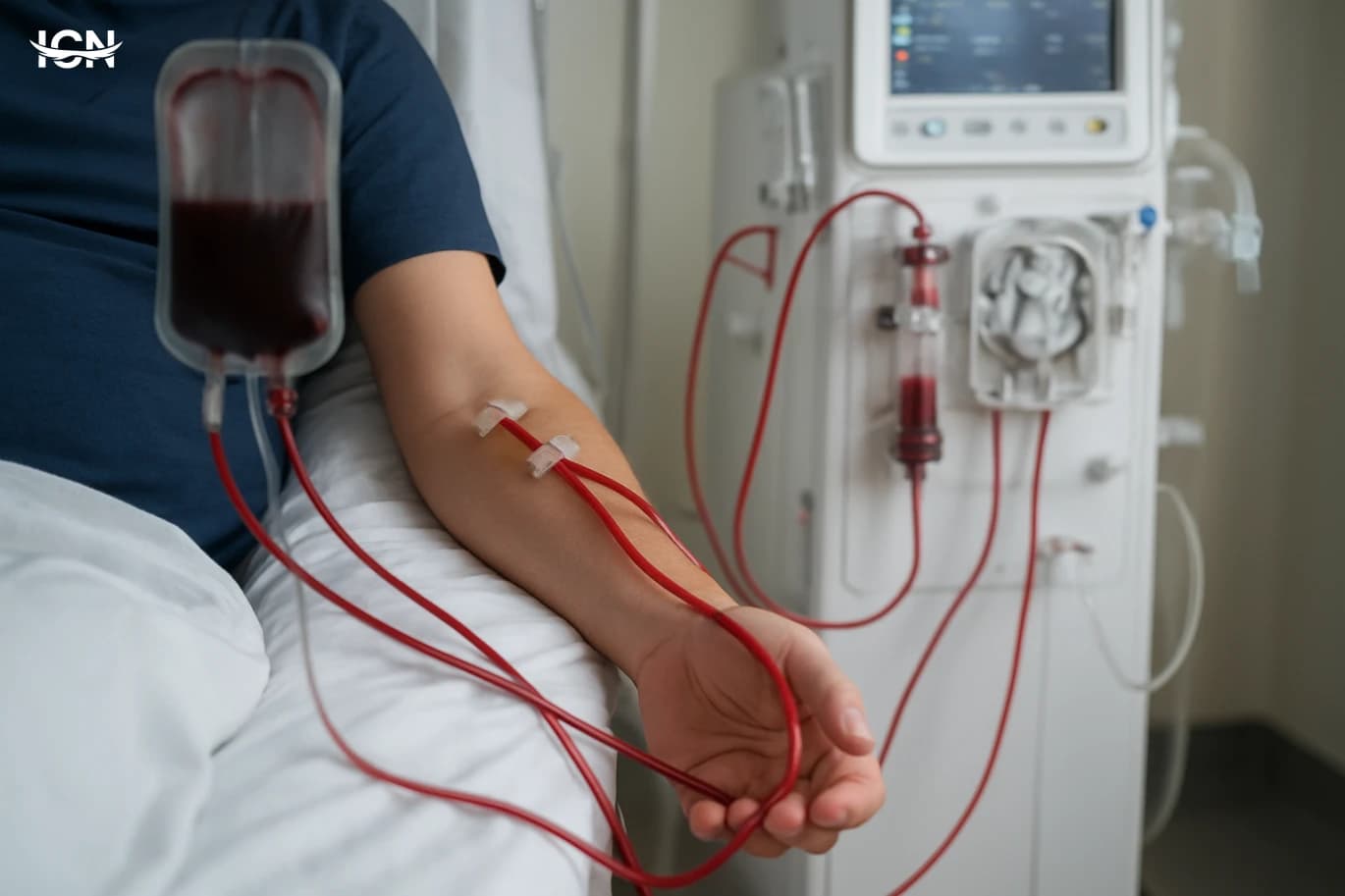
Available Treatment Plans The treatment plan for hepatotoxicity depends on the severity of the condition and the possible causes. Options may include stopping the use of the drugs that caused the toxicity, giving intravenous fluids to replace fluid loss, and sometimes using medications to help improve liver function. In severe cases, treatment interventions may require a liver transplant. Caring for a patient with hepatotoxicity Caregivers should provide psychological and physical support for the patient. Physical care includes following a healthy diet, scheduling doctor’s appointments, and monitoring symptoms. Rest and good sleep may also be an important part of the recovery process to relieve symptoms and improve health.
Food and Nutrition
The importance of proper nutrition in the treatment of liver poisoning Proper nutrition is an essential part of the treatment plan for liver poisoning. Eating foods rich in vitamins and minerals helps support liver function and promotes the healing process. The patient needs a balanced diet containing proteins and complex carbohydrates, which helps improve his overall health and speed up recovery. Foods to avoid and eat in case of liver poisoning Patients should avoid fatty and fried foods and excess sugars; because they negatively affect liver function. It is important to eat fresh fruits and vegetables, fish rich in omega-3, and nuts. These options help strengthen the immune system and improve liver health.
Precautions and prevention
Precautions to avoid liver poisoning Hepatitis can be avoided by following some precautionary measures. Individuals should avoid eating contaminated foods and make sure of their source. They should also maintain personal hygiene, wash hands frequently, and not share personal items with others. Vaccines available to prevent hepatitis There are effective vaccines against some types of viruses that cause hepatitis, such as hepatitis A and hepatitis B. Vaccination is recommended for people who live in high-risk areas or who are exposed to certain risk factors, which contributes significantly to maintaining liver health.