App Logo

Download Our App

Shop your way

logologo
Image

Won Corrie

07/02/2025By: ICN
Won Corrie

introduction

The history of Won Korean, the history of the Korean Won extends to 1945 when it was established as a national currency of South Korea. Won is a sign of the national identity and the Korean economy. Over time, the currency has evolved into a symbol of the country's stability and economic growth. The importance of Won Korean in Korean culture plays a vital role in Korean culture. They not only represent economic values, but also reflects pride and national identity. Won is seen as part of the country's cultural heritage, as it is included in the arts, music and literature, which enhances the Korean people's understanding of their history and culture.

Music Won Corrie

Types and tools of music, Won Korean, the Won Korean music is characterized by its rich diversity, as it includes multiple types such as traditional music and OLK, as well as modern music. Unique music tools such as "Gok Won" and "Caium" that reflect the Korean heritage. Dresses and drama are an essential part of the shows, adding a special color to performance. The impact of Won Korean music on society has a deep impact on society, as it enhances national unity and reflects the feelings of national pride. It is used in cultural occasions and social meetings, which contributes to transferring traditions from one generation to another and enhancing the cultural identity of the Korean people.

Traditional dance in culture, Corrie

Patterns and traditions of traditional dance Won Corrie, multiple patterns of traditional dance in the Curry Culture, which include group dances and individual dances, and each dance is distinguished by its unique details and shows. The dance of "Call Rey" and "Bakag" is one of the most prominent patterns that reflect the Korean folklore and popular traditions, as it is practiced on festive occasions. Traditional dance roles in daily life The traditional dance plays an important role in the daily life of the Koreans, as it is used as a way to express joy, sadness, and hope. Dance is celebrated during holidays and social events, which enhances ties between individuals and contributes to preserving cultural heritage.

Traditional costumes Corrie

The development of traditional costumes in history is the traditional costumes, Won Corrie, an expression of the cultural and historical identity of the Korean people. These costumes have evolved throughout the ages, as they were affected by social and political conditions, which made every time period adding new touches to the designs and colors. Traditional costumes usually include materials such as silk and heavy fabric, which reflects the skills of Korean craftsmen in these arts. The impact of traditional fashion on modern fashion finds traditional costumes Won Korea resonated in modern fashion, as many designers are inspired by elements of these costumes in their contemporary designs. This is witnessing the return of traditional motifs and bright colors, which provides a balance between heritage and modernity and encourages the preservation of rich culture.

Traditional Won Korean food

Famous dishes and basic ingredients, traditional Won -Korean food, characterized by a variety of famous dishes such as Kimchi, Pembam, and Burckio Cow Meat. These dishes depend on fresh ingredients such as rice, vegetables, and marinated meat, which reflects the beauty of unique Korean flavors. Korean cooking mixes old traditions and local components to produce delicious and nutritious dishes. The role of traditional food in Korean celebrations The traditional food plays an important role in Korean celebrations, as it is an essential part of occasions such as weddings and birthdays. These dishes embody weddings and contain symbols that express security and prosperity, which increases the importance of eating with family and friends.
* All articles published on this blog are sourced from various websites and are provided for informational purposes only. They should not be considered as confirmed studies or accurate information. Please verify the information independently before relying on it.

Similar ARTICLES

The Quiet Comeback of Cash
For years, the story sounded settled: cards and mobile wallets would steadily push banknotes to the margins. Yet in many countries, cash is showing a quiet resilience. Part of the explanation is practical. Cash works during network outages, phone battery failures, and point-of-sale disruptions. It also remains the simplest payment method for small, quick transactions where speed matters more than rewards points. Another driver is budgeting behavior. When households face higher everyday costs, many people revert to cash to control spending. Physically separating money into envelopes for groceries, transport, and essentials is still a widely used method because it creates a clear limit. Cash also supports informal, low-friction exchanges such as local markets, small service providers, and community events where digital acceptance may be inconsistent or costly. This comeback is not a rejection of digital payments. It is a reminder that fiat currency is a public utility as much as a payment instrument. The blog topic examines why cash persists, where it is gaining ground, and what that means for consumers, merchants, and policymakers who manage the cash ecosystem.
How Cash Moves Through a Modern City
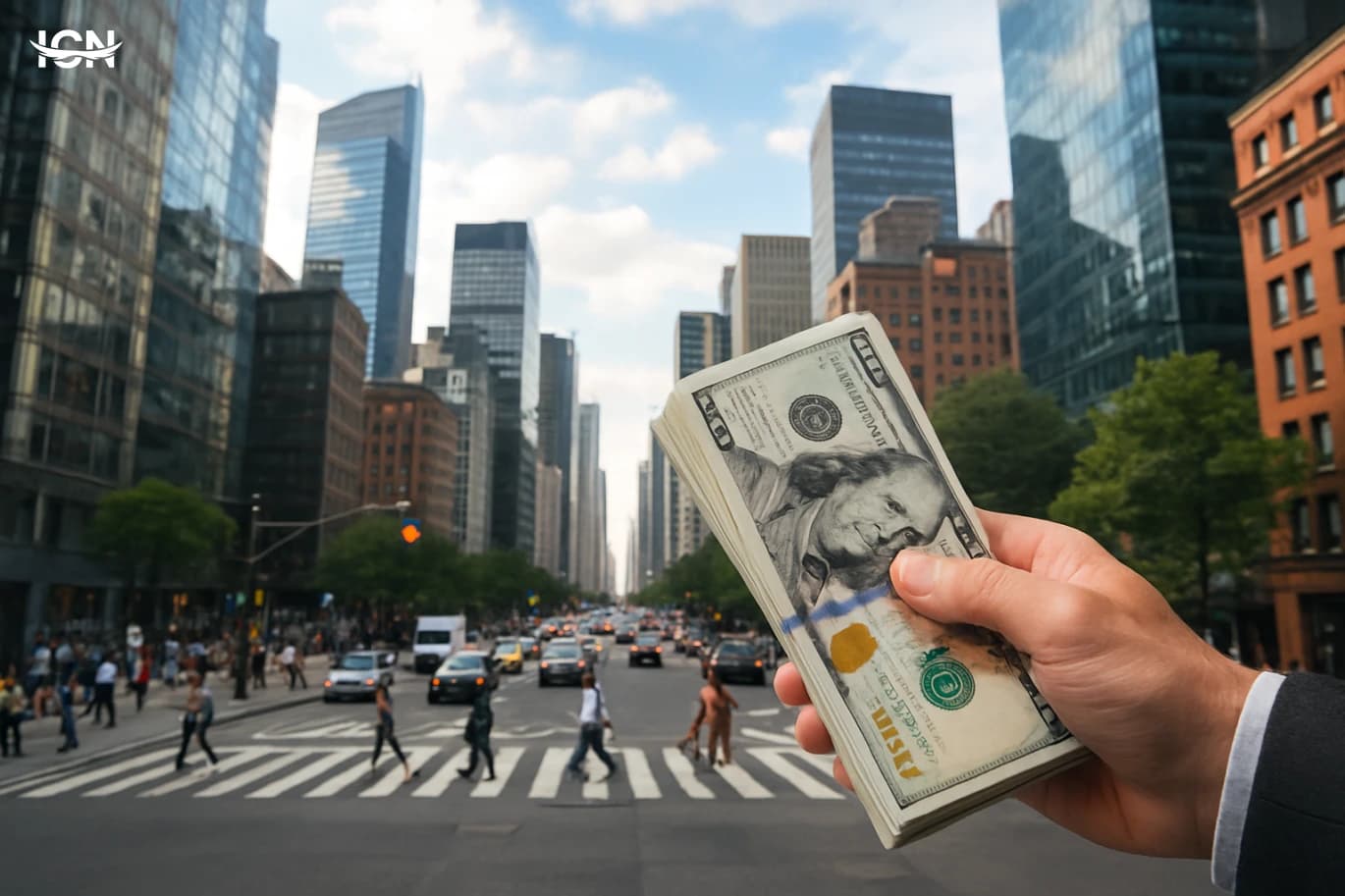
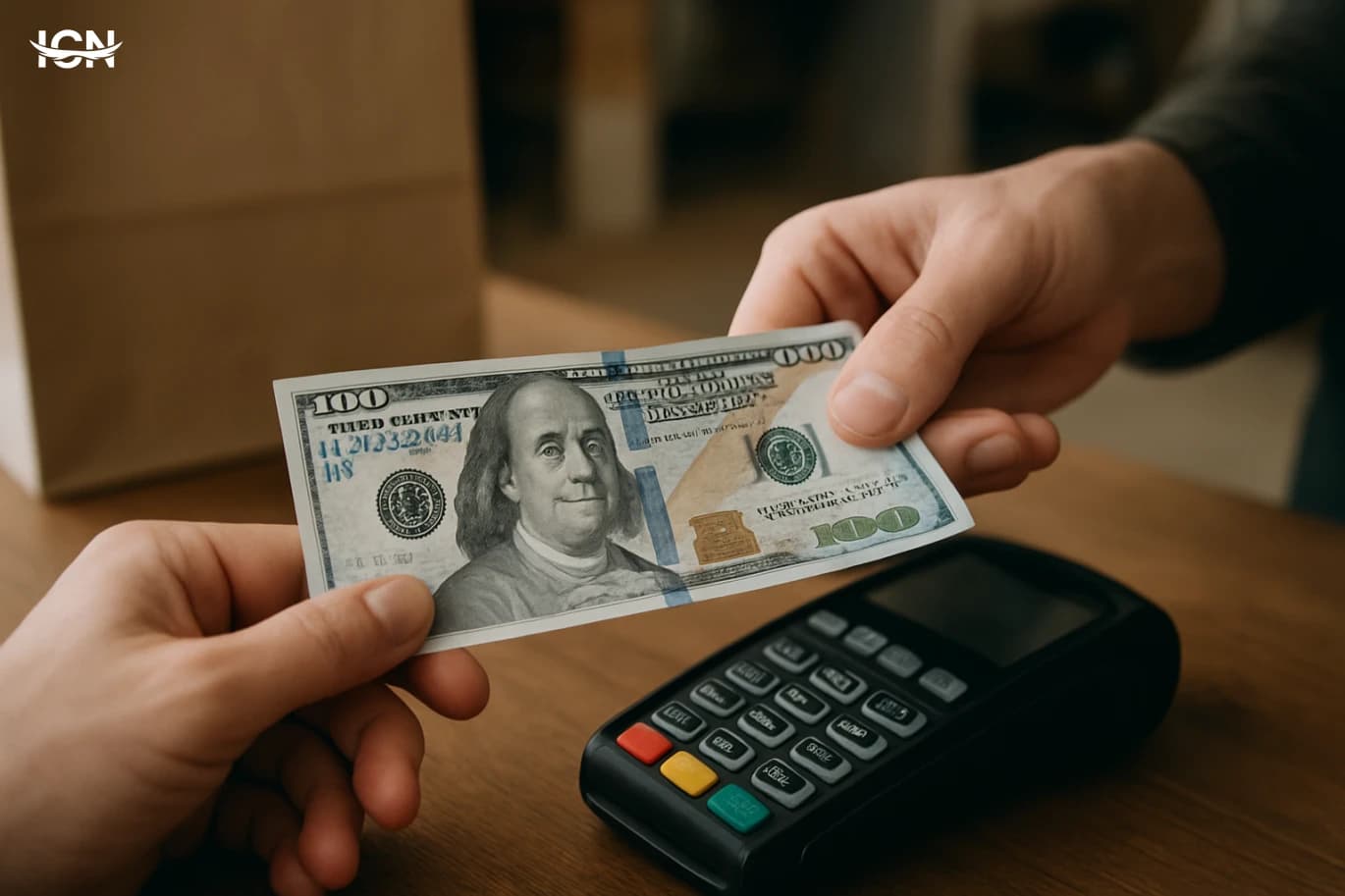
Even in cities filled with contactless terminals and app-based payments, cash remains a practical tool that solves specific problems. It works during phone battery failures, network outages, and point-of-sale disruptions, and it is accepted in settings where digital payments are inconvenient or too costly to process. Many small businesses prefer cash for quick settlement and to avoid card fees, while customers use it to manage spending with a visible limit. Cash also supports informal, low-value transactions such as tips, small repairs, local markets, and quick purchases where speed matters more than receipts. For visitors and new residents, cash can be the easiest way to pay before opening a local bank account. This section sets the topic: cash is not just a legacy payment method, but a parallel system with its own logistics, costs, and reliability advantages that shape how a city functions day to day.
The Hidden Logistics of Cash in Modern Cities
Even in places where card payments and mobile wallets are common, cash remains a daily utility that keeps many city services running. Public transport kiosks, small groceries, street markets, repair shops, and tips-based services often rely on banknotes and coins because they settle instantly and work without internet access. Cash also functions as a backup during outages, payment network disruptions, or device failures, which is why many households and businesses keep a small reserve. In addition, cash supports privacy in routine transactions and helps people control spending by making costs visible. These practical reasons explain why cities continue to handle large volumes of physical money, even as digital options expand. Understanding cash logistics begins with recognizing that demand is not uniform: it spikes on paydays, weekends, holidays, and during local events, and it varies by neighborhood income levels and business types. This uneven demand is what makes cash management a complex operational system rather than a simple “print and circulate” process.
The Quiet Comeback of Cash in 2026
After years of headlines about contactless payments and digital wallets, cash is quietly reappearing in everyday routines. This is not a reversal of technology; it is a practical response to how people manage risk, privacy, and budgeting. In many cities, small retailers still prefer cash for low-value purchases because it avoids card fees, reduces chargeback disputes, and settles instantly. For consumers, cash is returning as a tool for controlling spending in a high-price environment, where small daily purchases add up quickly. Cash also benefits from being universally understood and immediately usable without batteries, apps, or network coverage. When payment systems experience outages, even short ones, the value of a physical backup becomes obvious. Households that previously carried no banknotes are increasingly keeping a small amount “just in case,” not as a statement but as a contingency plan. The result is a mixed payment landscape where digital dominates volume, yet cash remains strategically important.
How Cash Moves Through a Modern City
Even in cities where card payments and mobile wallets are common, cash remains a working part of the local economy. Many small purchases are still completed with notes and coins because they are immediate, widely accepted, and do not depend on a network connection. Cash also plays a practical role for people who budget by separating money into envelopes for rent, groceries, and transport. For visitors, cash can be the simplest way to pay in markets, taxis, or older shops that do not want to manage payment terminals and fees. From a systems perspective, cash is a backup. When payment networks go down, when a phone battery dies, or when a merchant’s terminal fails, cash keeps transactions moving. It also supports privacy in everyday spending without requiring accounts, apps, or approvals. This does not make cash perfect, but it explains why central banks and commercial banks continue to invest in printing, distributing, and processing banknotes. A city’s cash cycle is not an old habit; it is an operational layer that still needs planning, staffing, and security.
The Hidden Lifecycle of Banknotes
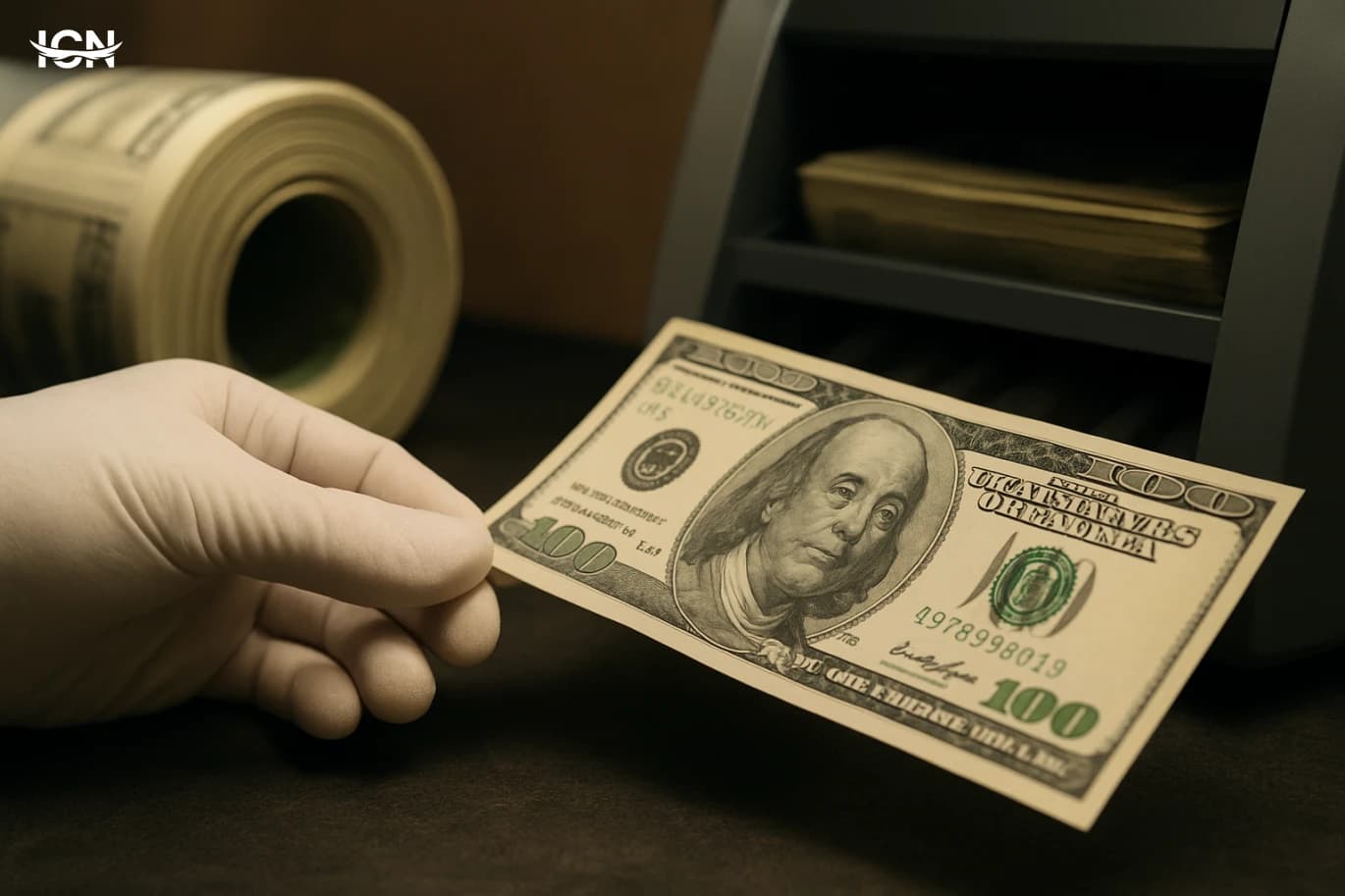
Cash remains a practical tool even as payments move online. It works during network outages, power cuts, and system maintenance, and it does not require a bank account, smartphone, or payment app. For small, everyday transactions, many people still prefer the speed and certainty of handing over a note and receiving change. In many economies, cash also supports budgeting because it makes spending visible and finite. Central banks track cash in circulation because it reflects public confidence and day-to-day liquidity needs. Even where card and mobile payments dominate, demand for banknotes often rises during holiday seasons, natural disruptions, or periods of uncertainty, showing that cash plays a stabilizing role alongside digital options. Understanding how banknotes are produced, used, and replaced helps explain why fiat currency is not just an abstract policy concept but a physical infrastructure that must be managed continuously.
The Hidden Life of Banknotes in Daily Commerce
Even with widespread card and mobile payments, cash remains a practical tool for many everyday situations. It works without batteries, network coverage, or point-of-sale outages, which makes it a reliable fallback for households and small businesses. In many cities, cash is still the fastest way to complete low-value purchases such as transit tickets, small snacks, tips, and informal services where digital acceptance is inconsistent. Cash also supports budgeting habits: people often find it easier to track spending when they physically separate money for groceries, transport, and discretionary items. From a market perspective, cash continues to play a role in resilience and inclusion. Not everyone has equal access to banking services, smartphones, or stable internet, and cash provides a baseline payment option. For merchants, accepting cash can reduce dependence on payment processors and avoid certain fees, especially for micro-transactions. Central banks also treat cash as a public good: it is a universally accepted claim on the national currency and a visible symbol of monetary stability. This section frames the topic: banknotes are not just printed and spent; they move through a complex, managed lifecycle that affects consumers, retailers, banks, and public institutions.
The Hidden Life of Banknotes
Even with contactless cards, instant transfers, and mobile wallets, cash remains a practical tool in many everyday situations. It works during network outages, phone battery failures, and point-of-sale disruptions, which can affect both small shops and large retailers. Cash also supports budgeting in a simple, visible way: people can separate notes into envelopes for groceries, transport, and discretionary spending without relying on apps or bank notifications. In many cities, cash is still preferred for small-value purchases where speed matters and fees can be a concern for merchants. For travelers, cash can reduce friction when payment terminals reject foreign cards or when local vendors do not accept digital payments. Cash also plays a role in resilience planning for households, especially where storms, maintenance work, or temporary connectivity problems are common. Understanding how banknotes are produced, protected, and circulated helps explain why cash remains part of the financial system rather than a leftover habit.
How Cash Circulates From Mint to Wallet
Even in economies with fast mobile payments, cash remains a core part of fiat currency systems because it works without internet access, power, or a bank account. Retailers often keep cash on hand for small purchases, tips, and quick refunds, and many households use it for budgeting because it creates a visible spending limit. Cash also supports resilience during outages, natural disruptions, or system maintenance when card terminals and apps fail. Central banks track cash demand because it signals public confidence and day-to-day liquidity needs. When people withdraw more banknotes, it can reflect seasonal shopping, tourism, or precautionary behavior. Understanding how cash moves through the economy helps explain why banknotes are designed, distributed, and replaced with such precision.
The Hidden Journey of a Banknote
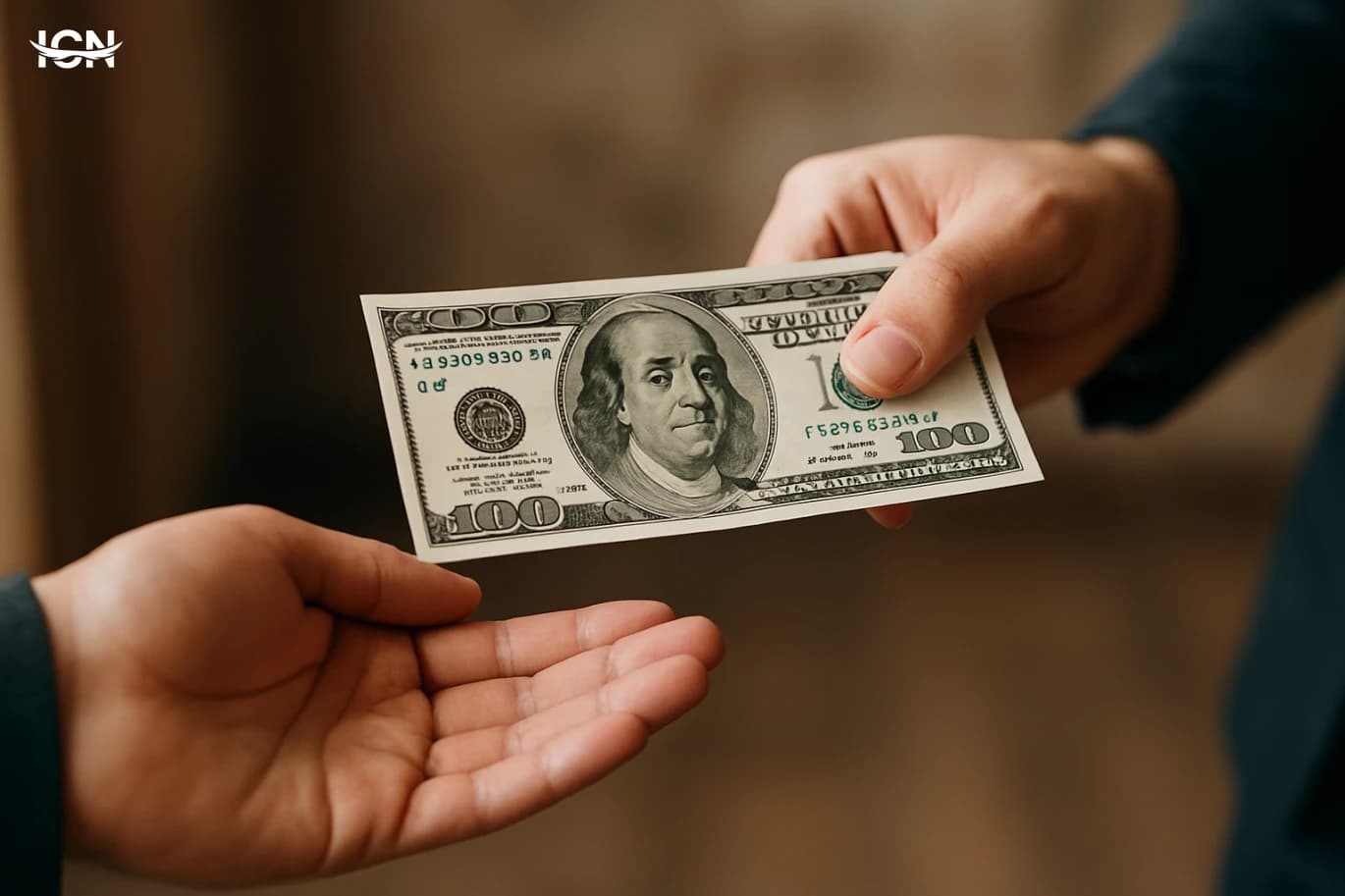
Cash remains a practical tool even as digital payments expand. In many cities, contactless cards and mobile wallets dominate everyday spending, yet banknotes continue to serve clear functions: they work during network outages, they are accepted without requiring a device, and they help people control spending by making costs visible. For small, quick purchases—public transport top-ups, street markets, tips, and low-value services—cash can still be the fastest option. Cash also plays a role in financial inclusion. Not everyone has a bank account, a compatible phone, or stable internet access. Migrant workers, older adults, and people in rural areas often rely on cash for budgeting and daily transactions. Even among fully banked consumers, many keep an emergency stash at home or in a wallet for unexpected situations such as card failures, merchant system downtime, or travel to places where digital acceptance is inconsistent.
The Hidden Journey of Cash in Modern Cities
Cash is often described as “old-fashioned,” yet it remains a practical tool in many city economies. In day-to-day life, banknotes and coins provide immediate settlement: the transaction is final the moment money changes hands, with no network outage, card reader failure, or app login required. That reliability is not theoretical. Small retailers, street vendors, and service providers frequently keep cash as a backup when payment terminals go down or when internet connectivity is unstable in busy districts or older buildings. Cash also supports budgeting in a way many people find straightforward. Physically separating money for groceries, transport, and small expenses can reduce overspending compared with tapping a card repeatedly. For tourists and occasional visitors, cash can be the simplest option when they do not want to manage foreign card fees, app verification, or unfamiliar payment systems. Even in highly digital cities, cash remains part of resilience planning for households and businesses because it works during power cuts, system maintenance, or disruptions that affect electronic payments. From a broader perspective, cash is a public payment instrument issued by the central bank, not a private platform. That matters in discussions about access and choice. A city can push toward digital payments while still recognizing that cash offers an inclusive baseline for people who prefer it, who are paid in cash, or who need a payment method that does not depend on device ownership. Understanding why cash persists is the first step to understanding how it moves through a city every day.
The Hidden Life of Banknotes
Cash remains a core part of fiat currency systems even as digital payments grow. In many economies, banknotes and coins provide a universal payment method that works without internet access, phone batteries, or merchant terminals. This reliability is not theoretical: outages, network congestion, and system maintenance can temporarily disrupt electronic payments, while cash continues to function. For households, cash also supports day-to-day budgeting because it is tangible and immediately visible, which can reduce accidental overspending. From a market perspective, cash plays a stabilizing role by offering an alternative when trust in specific payment providers weakens. It also supports competition by preventing a single digital network from becoming the only route to transact. Central banks track cash in circulation as part of broader monetary conditions, and changes in demand for banknotes can signal shifts in consumer confidence, tourism flows, or precautionary saving. Understanding cash is therefore not nostalgia; it is a practical way to understand how fiat currency operates in real life.
The Hidden Journey of Banknotes in Daily Life
Despite the growth of cards, apps, and instant transfers, cash remains a practical tool in many everyday situations. It works without batteries, network coverage, or merchant terminals, which makes it a reliable fallback during outages and system maintenance. In many cities, small vendors, local markets, and service workers still prefer cash because it settles immediately and avoids transaction fees or delayed payouts. Cash also supports budgeting in a direct way: people can physically separate money for groceries, transport, and emergencies, which reduces overspending compared with invisible digital balances. Cash also plays a role in inclusion. Not everyone has a bank account, a compatible phone, or stable internet access, and some people face limits on digital payments due to documentation issues or account restrictions. Tourists and temporary workers often rely on cash for quick purchases and tips. Even in highly digital economies, central banks and consumer groups keep emphasizing the importance of maintaining access to cash as a public utility, ensuring that basic transactions remain possible for everyone, every day.
By clicking the SUBSCRIBE button, you are agreeing to our Privacy & Cookie Policy If you want to unsubsribe the marketing email, please proceed to our privacy center.
© 2005-2026 ICN. All Rights Reserved.