How Cash Moves Through a Modern City
- Why Cash Still Matters
- From Central Bank to Bank Vaults
- ATMs, Branches, and Retail Cash Needs
- Cash-in-Transit and the Hidden Logistics
- Sorting, Recycling, and Counterfeit Controls
- What This Means for Consumers and Businesses
Why Cash Still Matters
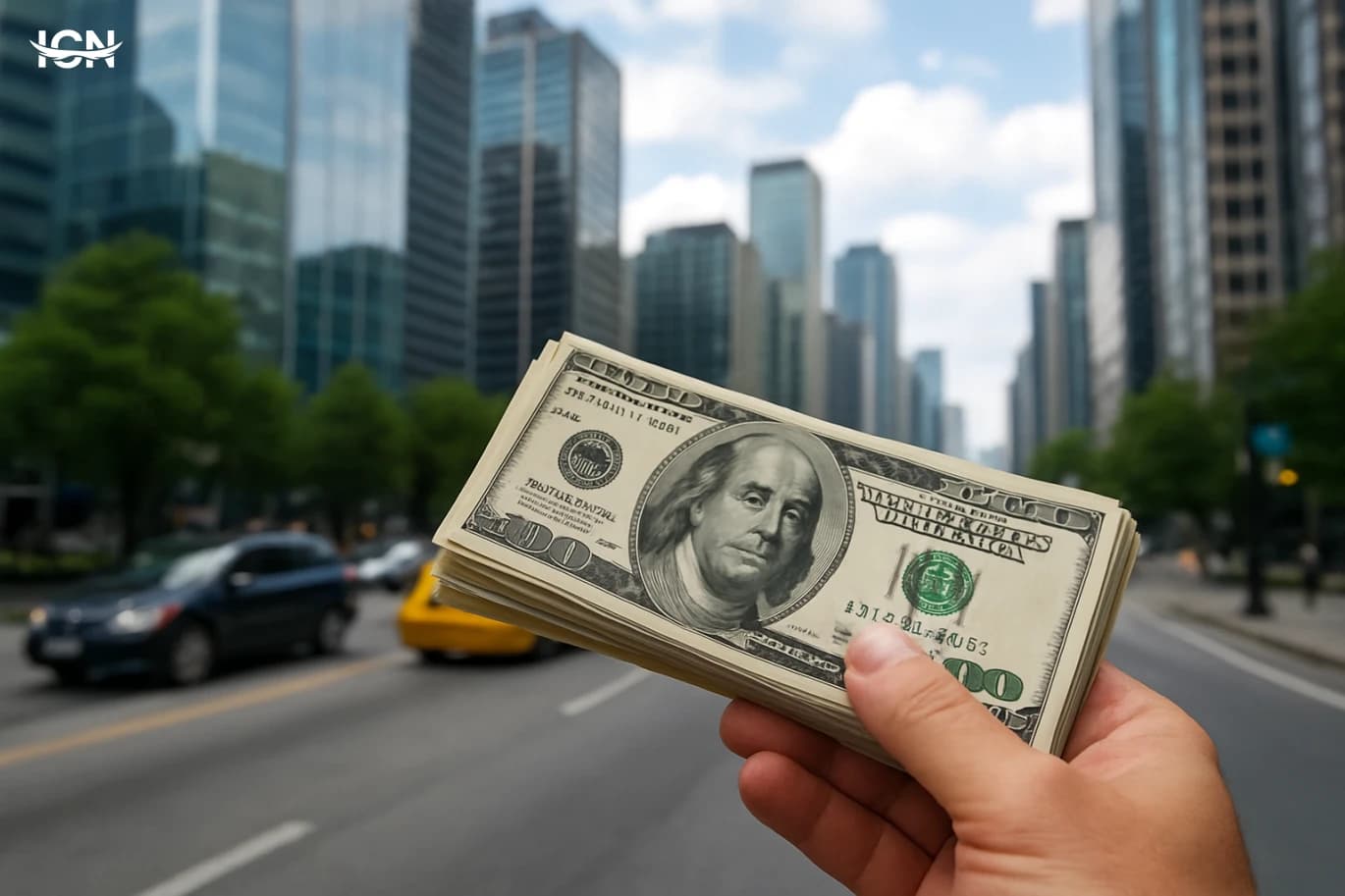
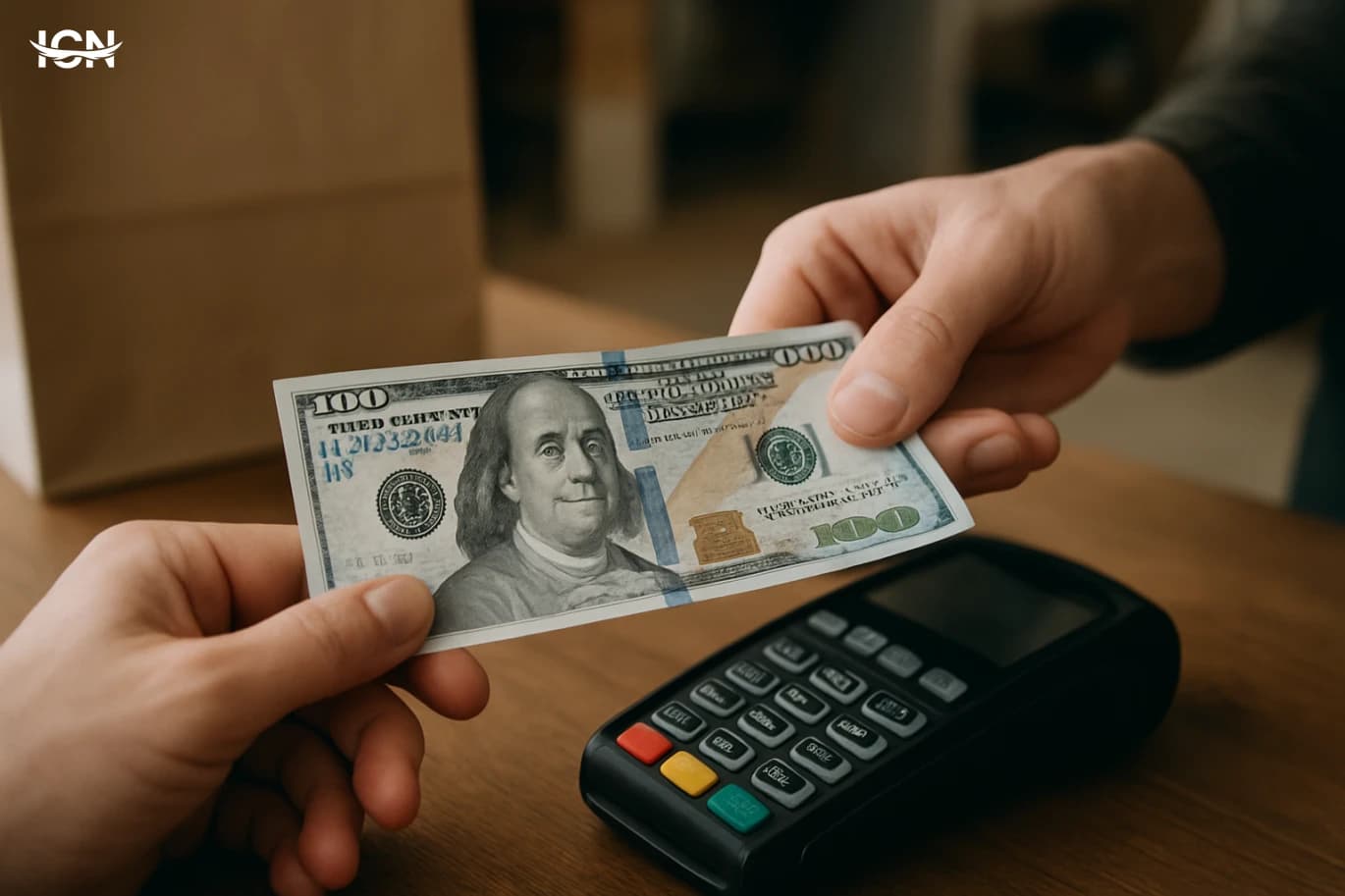
Even in cities where card payments and mobile wallets are common, cash remains a working part of the local economy. Many small purchases are still completed with notes and coins because they are immediate, widely accepted, and do not depend on a network connection. Cash also plays a practical role for people who budget by separating money into envelopes for rent, groceries, and transport. For visitors, cash can be the simplest way to pay in markets, taxis, or older shops that do not want to manage payment terminals and fees. From a systems perspective, cash is a backup. When payment networks go down, when a phone battery dies, or when a merchant’s terminal fails, cash keeps transactions moving. It also supports privacy in everyday spending without requiring accounts, apps, or approvals. This does not make cash perfect, but it explains why central banks and commercial banks continue to invest in printing, distributing, and processing banknotes. A city’s cash cycle is not an old habit; it is an operational layer that still needs planning, staffing, and security.
From Central Bank to Bank Vaults
The cash journey starts with issuance and quality control. Central banks design banknotes with security features, set denominations, and manage how much cash is released to meet demand. Demand is not static: it rises during holidays, major events, and pay cycles, and it can spike when people feel uncertain about digital access. Central banks typically supply cash to commercial banks through regional cash centers, where notes are counted, packaged, and tracked by serial ranges and bundles. Commercial banks then decide how much cash to hold in their own vaults and how much to send to branches. This is a forecasting exercise. Banks analyze withdrawal patterns by neighborhood, day of week, and season. A business district may need more cash on weekday mornings; a residential area may see higher withdrawals near month-end. Holding too much cash is costly because it requires storage, insurance, and handling. Holding too little creates service failures at branches and ATMs. The result is a constant balancing act, supported by data, internal limits, and scheduled deliveries.
ATMs, Branches, and Retail Cash Needs
Once cash is inside the banking system, it must reach the places where people actually use it. ATMs are the most visible channel, but they are also one of the most complex. Each machine needs the right mix of denominations, enough notes to avoid running empty, and a refill schedule that matches local traffic. A machine near a stadium behaves differently from one near a hospital. Banks monitor ATM levels remotely, but physical replenishment still requires trained teams, secure transport, and strict procedures. Branches serve a different purpose. They handle larger withdrawals, cash deposits from businesses, and change-making for retailers. Many merchants need coins and small notes for daily operations, especially in food service, convenience stores, and open-air markets. This creates a two-way flow: households withdraw cash to spend, while merchants deposit cash at the end of the day. The efficiency of this loop depends on branch capacity, opening hours, and the availability of deposit machines. When branches reduce cash services, the city often sees longer queues at the remaining locations and higher pressure on ATMs.
Cash-in-Transit and the Hidden Logistics
Behind every ATM refill and branch delivery is a cash-in-transit operation. Specialized companies or bank units move cash in armored vehicles, following planned routes and time windows. The goal is not only safety but also predictability: deliveries must arrive before peak demand, and collections must happen before storage limits are reached. Route planning considers traffic patterns, distance, service-level agreements, and the need to reduce stops. In dense cities, even a small delay can cascade into multiple machines running low. Packaging and documentation are equally important. Cash is typically sealed in tamper-evident bags or cassettes, with counts verified at multiple points. Discrepancies trigger investigations and reconciliation processes. This is why cash handling has a strong operational culture: checklists, dual control, audit trails, and strict access rules. The public rarely sees this layer, but it is a major cost center. Fuel, staffing, vehicle maintenance, insurance, and compliance requirements all add up. These costs influence decisions about how many ATMs to operate, how many branches to keep, and which services to automate.
Sorting, Recycling, and Counterfeit Controls
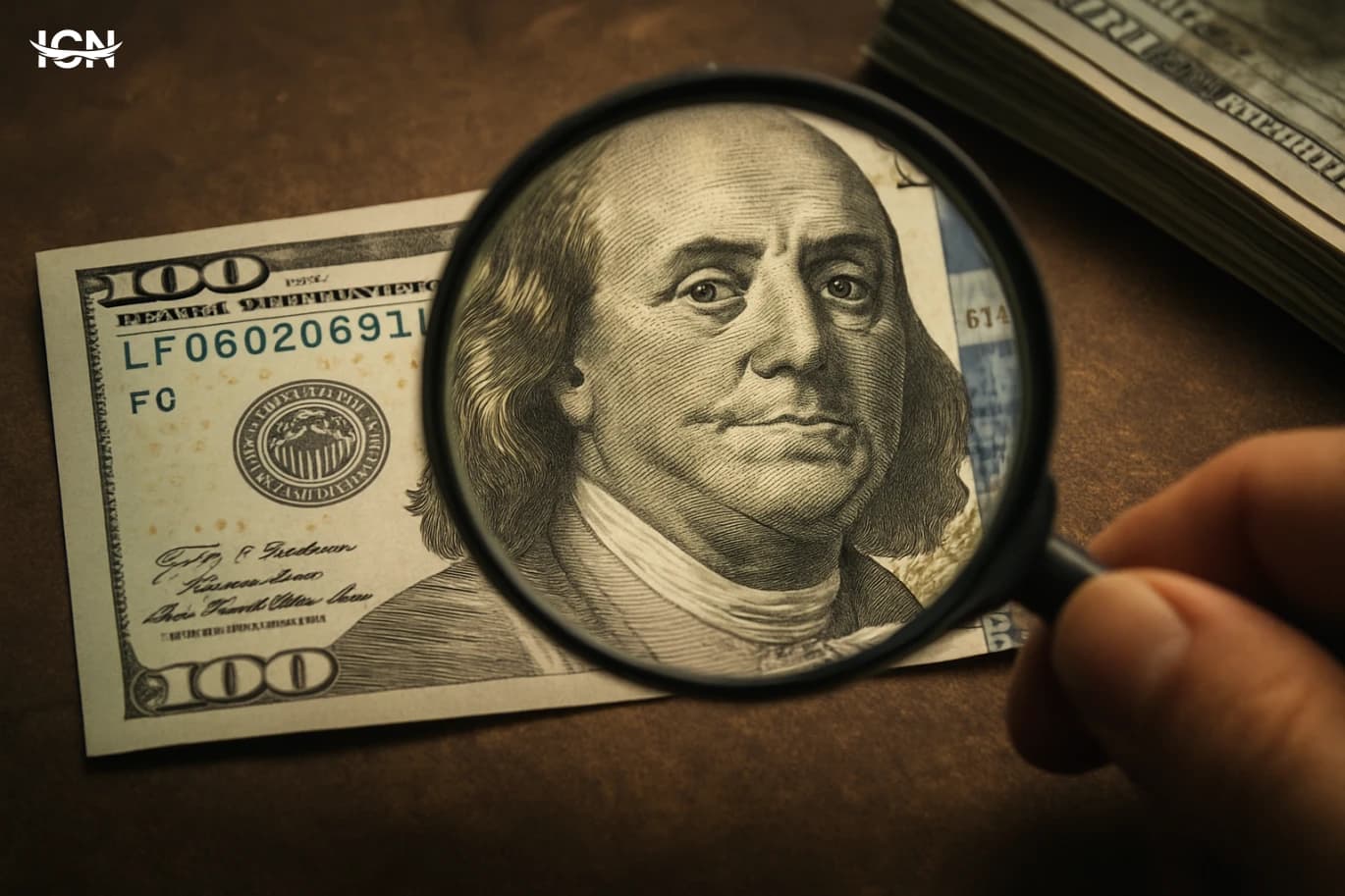
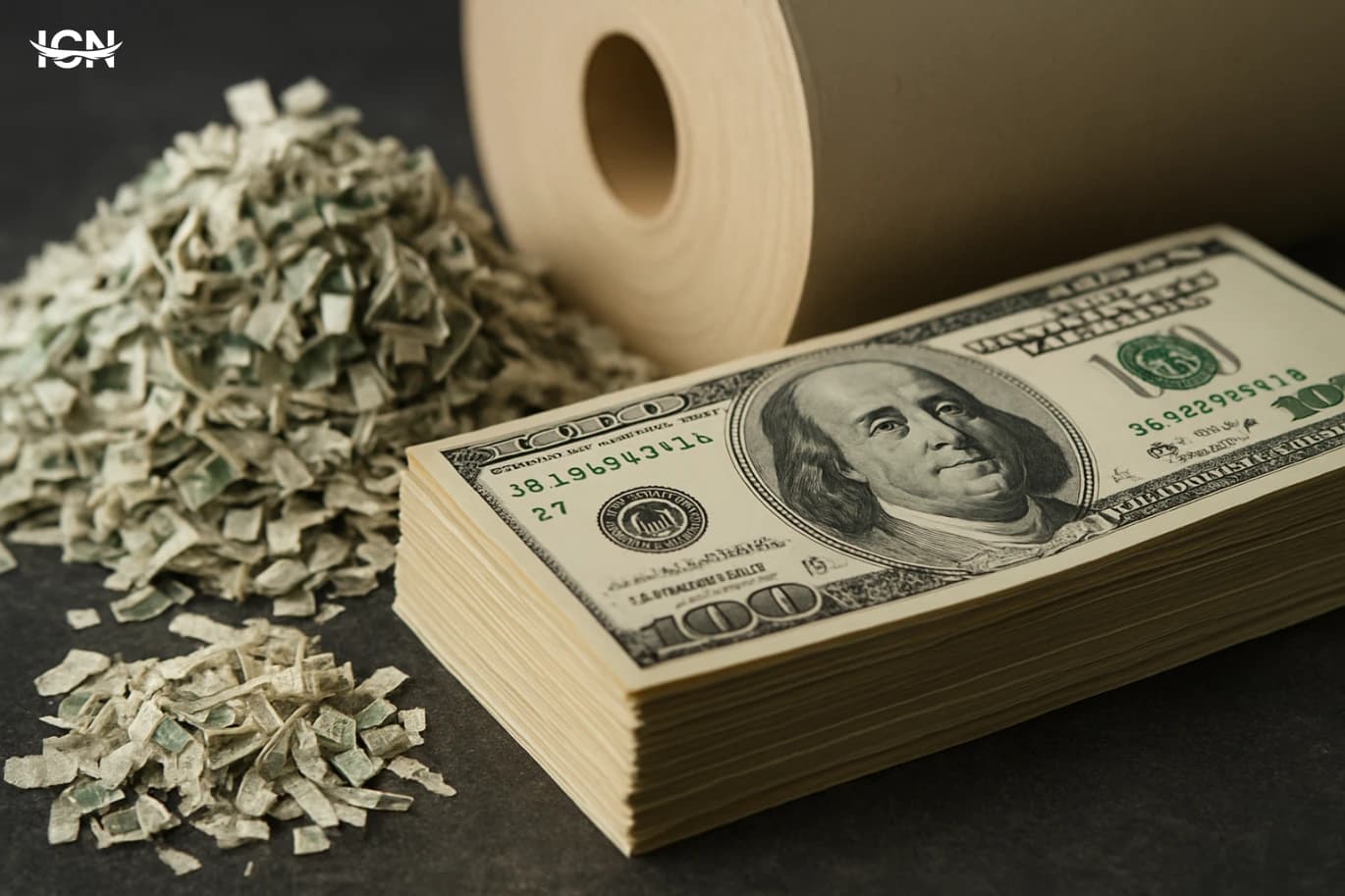
Cash does not just move; it is constantly evaluated. Notes return to banks through deposits and are then sorted by fitness. High-speed machines check size, thickness, ink patterns, and security features. Fit notes are recirculated to ATMs and branches, while worn notes are removed and sent for destruction under controlled procedures. This cycle affects how cash feels in daily life: in some cities, notes are crisp because recirculation standards are strict; in others, older notes remain in circulation longer due to cost and capacity constraints. Counterfeit detection is part of the same workflow. Machines flag suspicious notes, and trained staff perform additional checks. Banks also educate merchants on basic verification methods, especially for high-denomination notes. The objective is to reduce acceptance of counterfeit cash without slowing legitimate transactions. When a city experiences a rise in counterfeit attempts, the response often includes tighter sorting thresholds, more frequent machine calibration, and targeted communication to cash-heavy sectors. These measures add operational cost but protect trust in the currency, which is essential for cash to function as a reliable payment tool.
What This Means for Consumers and Businesses
For consumers, the city’s cash logistics shape everyday convenience. If ATM forecasting is accurate, people find the denominations they need and avoid extra trips. If it is not, they may face empty machines, limited note options, or higher reliance on branch counters. For businesses, especially those with high cash turnover, the quality of cash services affects closing routines, staff time, and exposure to counting errors. Access to deposit machines, reliable change supply, and predictable pickup schedules can reduce operational friction. There are also practical steps that improve cash use without turning it into a debate about payment preferences. Consumers can plan withdrawals around known peak times, keep a small emergency amount, and use bank channels that provide denomination choice when needed. Merchants can standardize cash counting procedures, separate notes by denomination during the day, and reconcile tills with simple logs that match deposit slips. At the city level, the most important insight is that cash is an infrastructure. When it is managed well, it quietly supports commerce across income levels and neighborhoods. When it is neglected, the problems show up quickly in queues, service gaps, and higher handling costs for everyone.