The Hidden Lifecycle of Banknotes
- Why banknotes still matter
- Designing a note for real life
- Printing, numbering, and quality control
- Distribution and the cash supply chain
- How notes wear out and get replaced
- What the lifecycle means for you
Why banknotes still matter
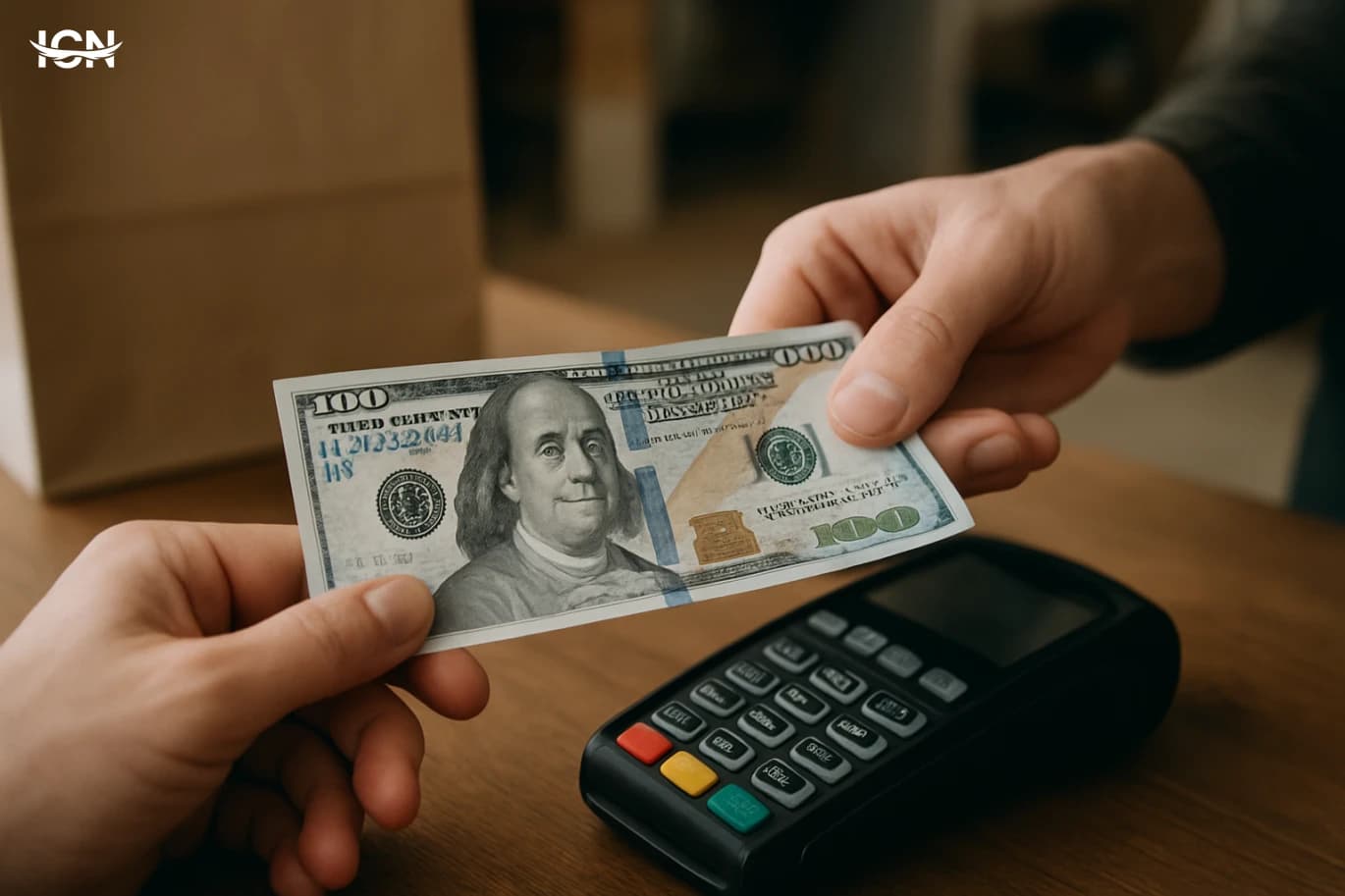
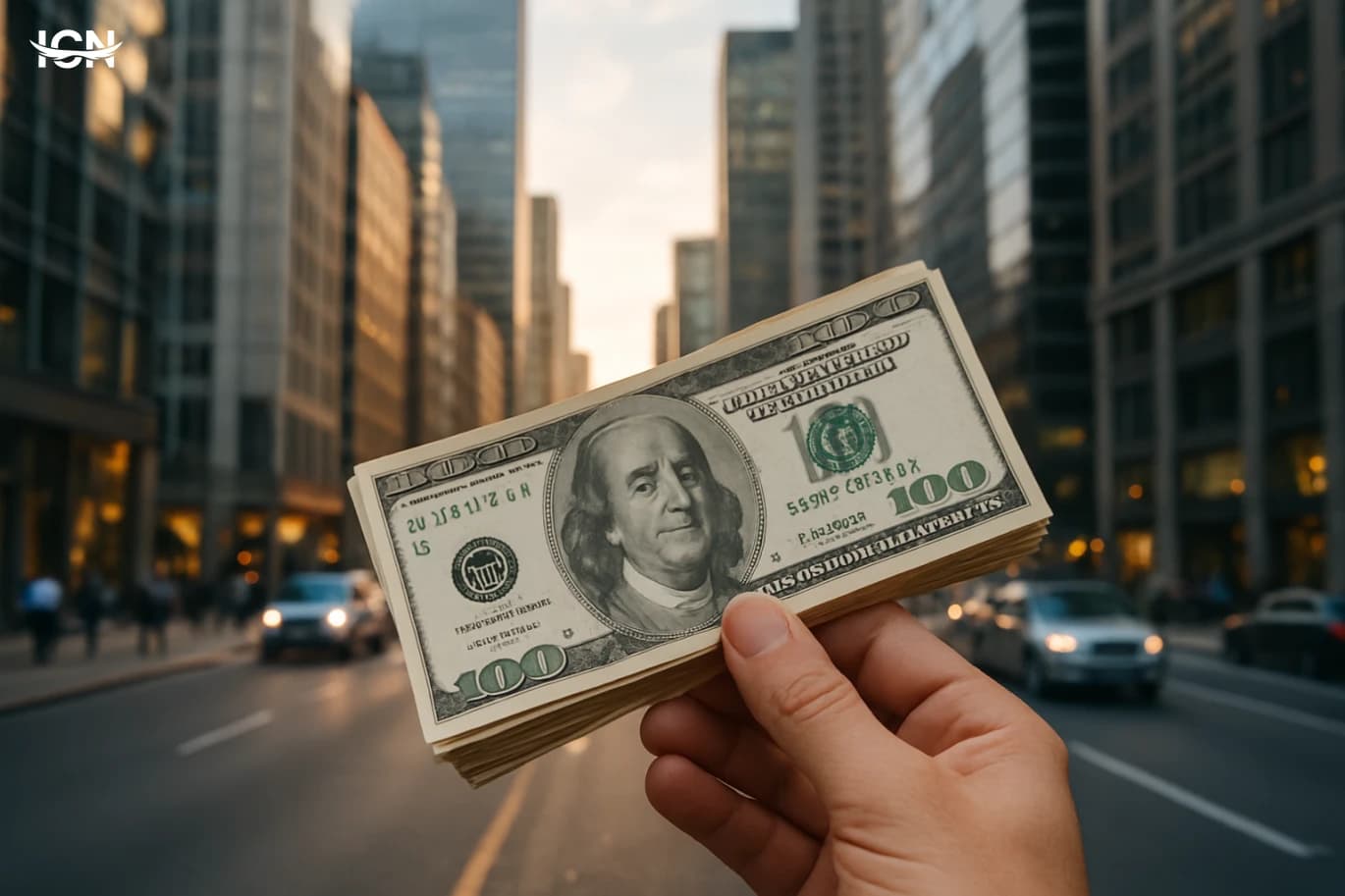
Cash remains a core part of fiat currency systems even in economies where card payments and mobile wallets dominate daily spending. Banknotes provide an immediate, offline way to settle transactions without relying on network coverage, device batteries, or third‑party payment rails. This matters for small merchants, temporary events, rural areas, and any situation where connectivity is unreliable. Cash also serves as a practical budgeting tool: people can physically separate money for groceries, transport, and other needs, which can reduce accidental overspending compared with frictionless digital payments. From a system perspective, cash is a public form of money issued under a central bank’s authority and distributed through commercial banks and cash-in-transit networks. It acts as a contingency instrument during outages in electronic payment systems and can help maintain basic commerce when digital channels are disrupted. Even where cash usage declines, central banks and treasuries still invest in banknote design, printing, distribution, and quality control because the public expects notes to be available on demand and to function reliably in everyday trade.
Designing a note for real life
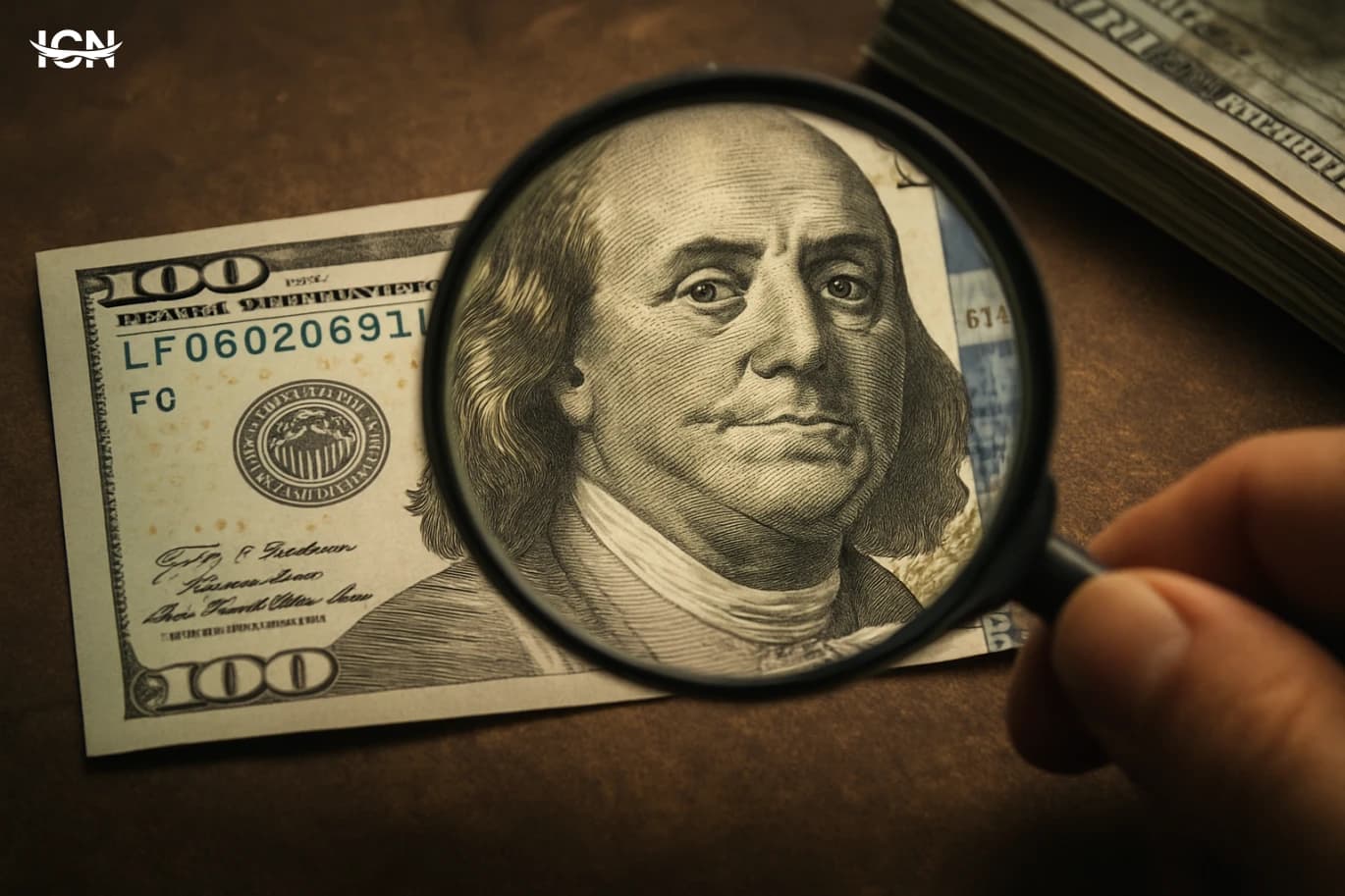
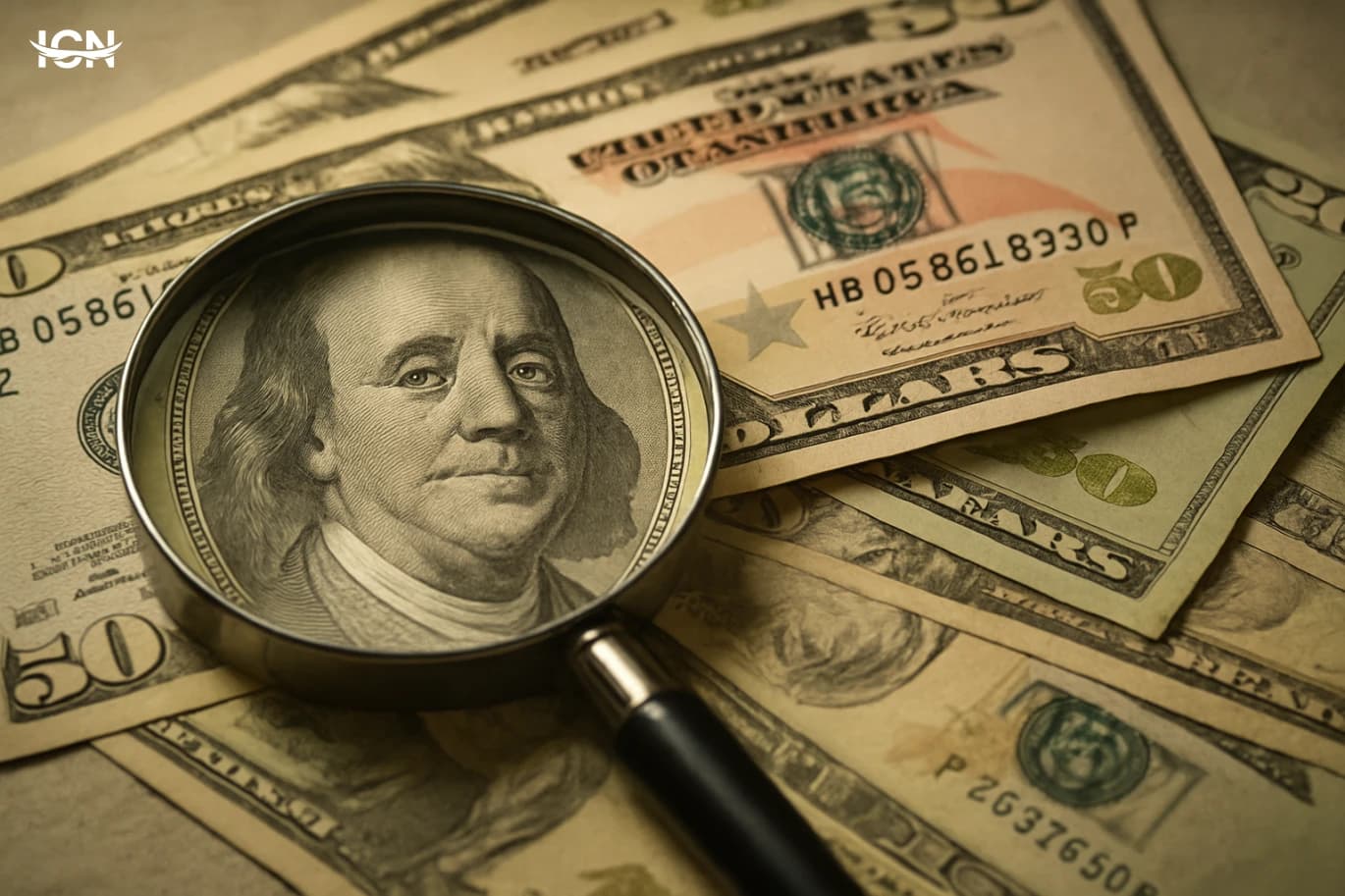
A modern banknote is an engineered product built to survive heavy handling while remaining easy to authenticate. Central banks specify the substrate (cotton-based paper, polymer, or hybrid materials), ink systems, and durability targets such as resistance to tearing, soiling, moisture, and folding. The design must also support fast recognition: clear numerals, consistent color families by denomination, and features that help people distinguish values quickly in busy retail environments. Security features are layered so that different users can check notes at different levels. Public features include watermarks, security threads, color-shifting elements, and transparent windows on polymer notes. Professional features support machine verification in ATMs and cash sorting equipment, using magnetic or infrared properties. Accessibility is also part of real-life design: tactile marks, size differences, and high-contrast elements can help users with low vision. The goal is to balance security, usability, cost, and cultural representation without overcomplicating the note for everyday handling.
Printing, numbering, and quality control
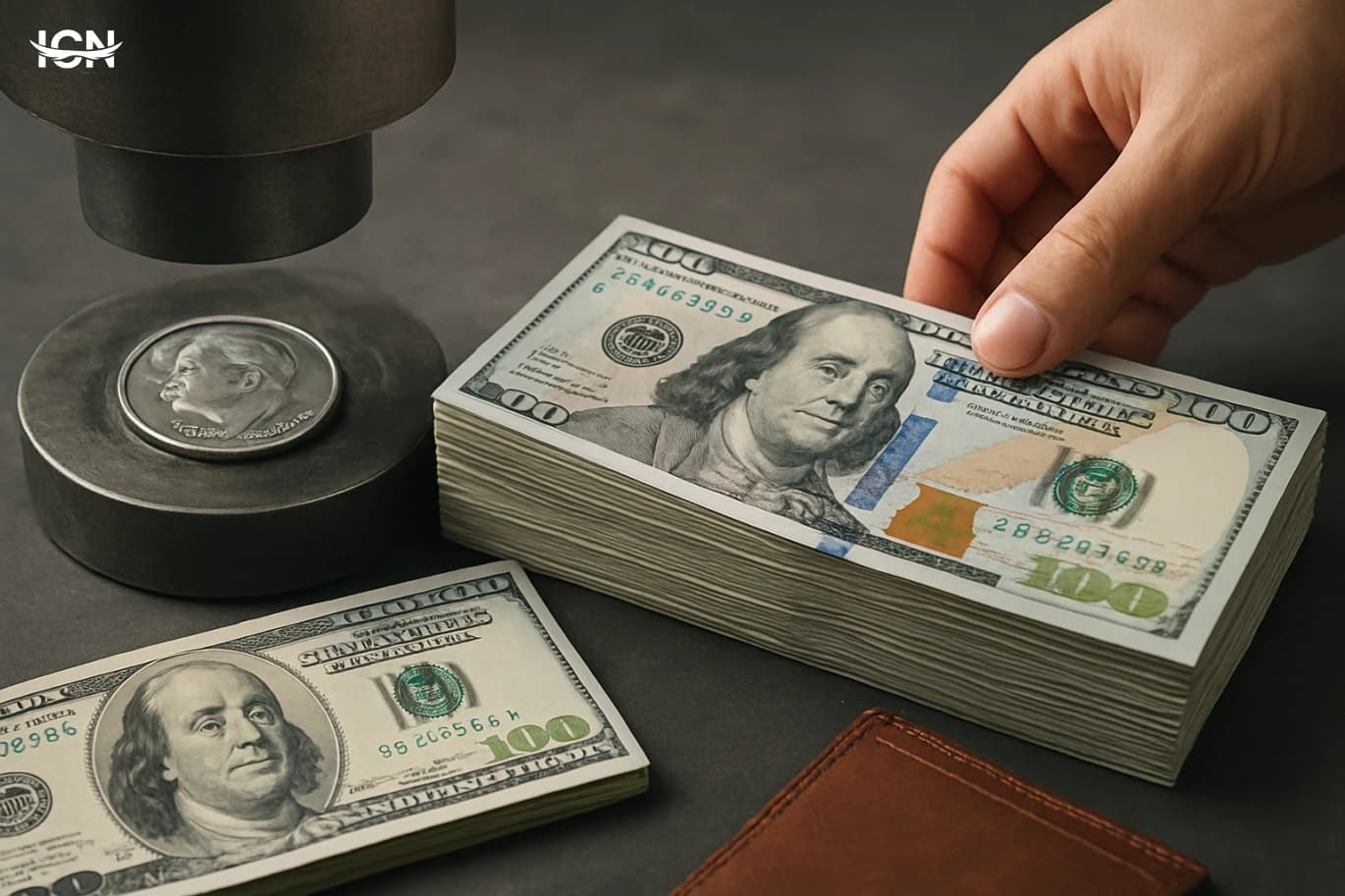
After design approval, production moves through tightly controlled printing steps. Banknotes often use multiple printing methods because each adds different properties: intaglio printing creates raised ink that can be felt, offset printing supports fine background patterns, and specialized processes apply foils or optically variable elements. Serial numbering is not just administrative; it supports traceability, helps manage inventories, and can assist investigations into counterfeiting trends by identifying batches and distribution patterns. Quality control is continuous. Notes are checked for color consistency, alignment, completeness of security features, and machine readability. Automated inspection systems can detect tiny defects at high speed, while manual sampling verifies tactile and visual characteristics. Central banks also set acceptance thresholds: a note that looks acceptable to the public might still be rejected if it fails machine standards, because ATMs and cash sorters require precise signals. These controls reduce the risk of flawed notes entering circulation and protect confidence in the currency’s physical form.
Distribution and the cash supply chain
Once printed, banknotes enter a logistics network designed for speed, security, and accurate accounting. Central bank vaults manage strategic inventories and release notes to commercial banks based on demand forecasts, seasonal patterns, and replacement needs. Cash-in-transit firms move sealed shipments to bank branches, ATMs, and large retailers that manage high volumes of cash. Along the way, strict reconciliation processes track quantities by denomination, batch, and destination. ATMs and retail cash cycles influence which denominations circulate most. In many markets, small notes are critical for change-making, while larger notes are held for savings or high-value transactions. Central banks monitor circulation data, including how quickly notes return, where shortages appear, and how payment habits shift. This monitoring supports decisions on how many notes to print, which denominations to prioritize, and whether to adjust features for machine handling. The supply chain is often invisible to the public, but it is one of the main reasons cash remains available even when usage patterns change rapidly.
How notes wear out and get replaced
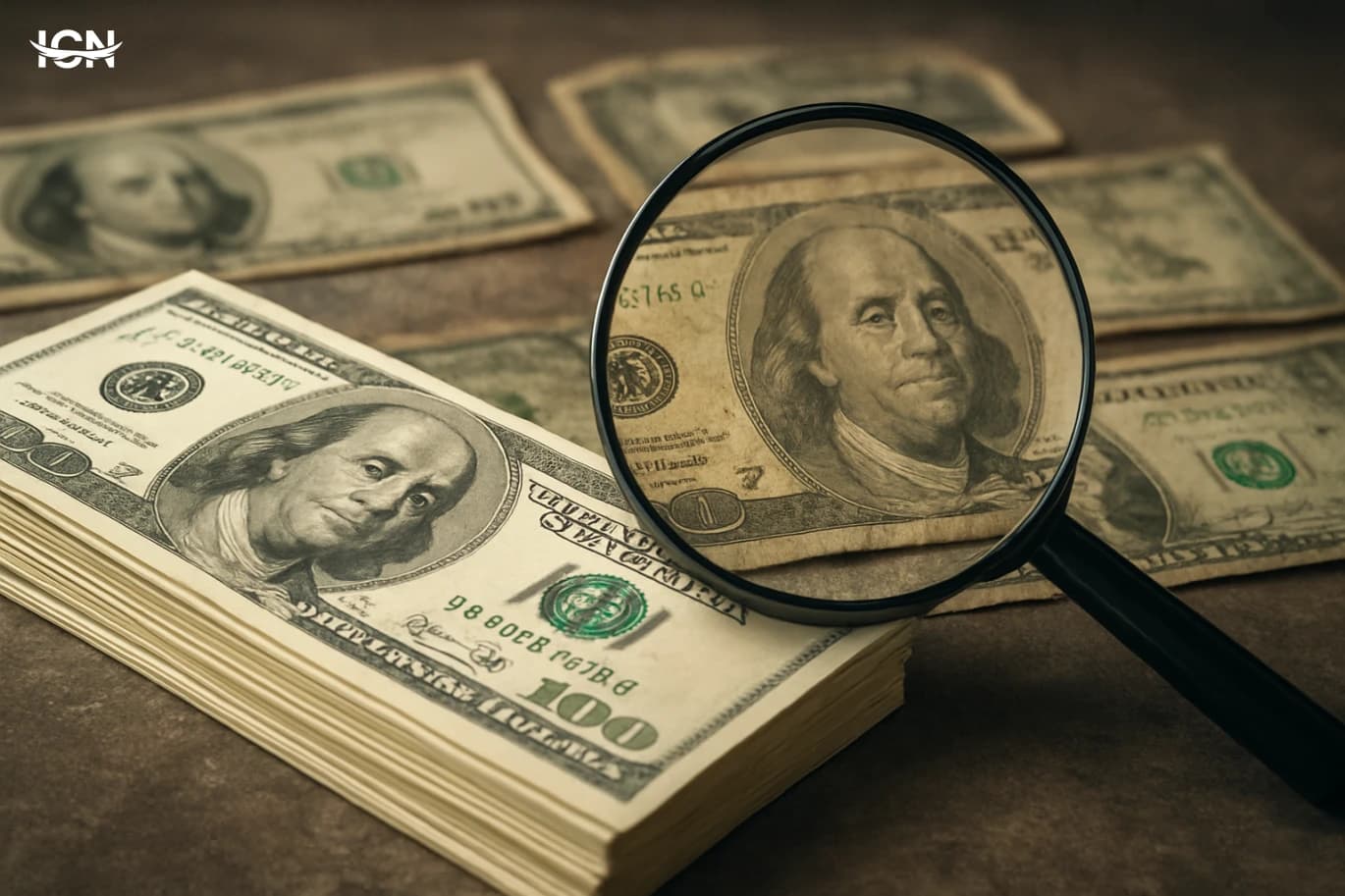
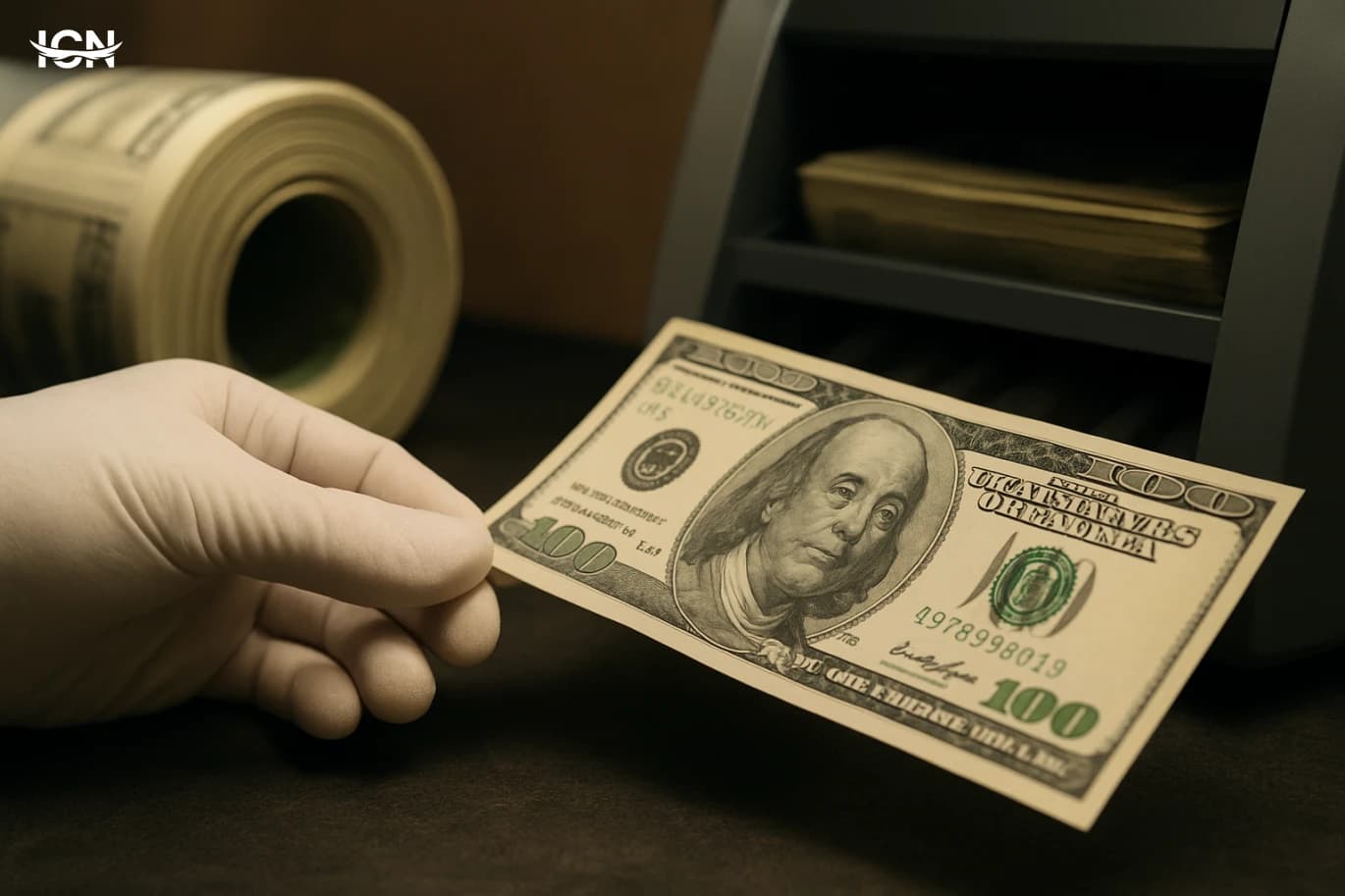
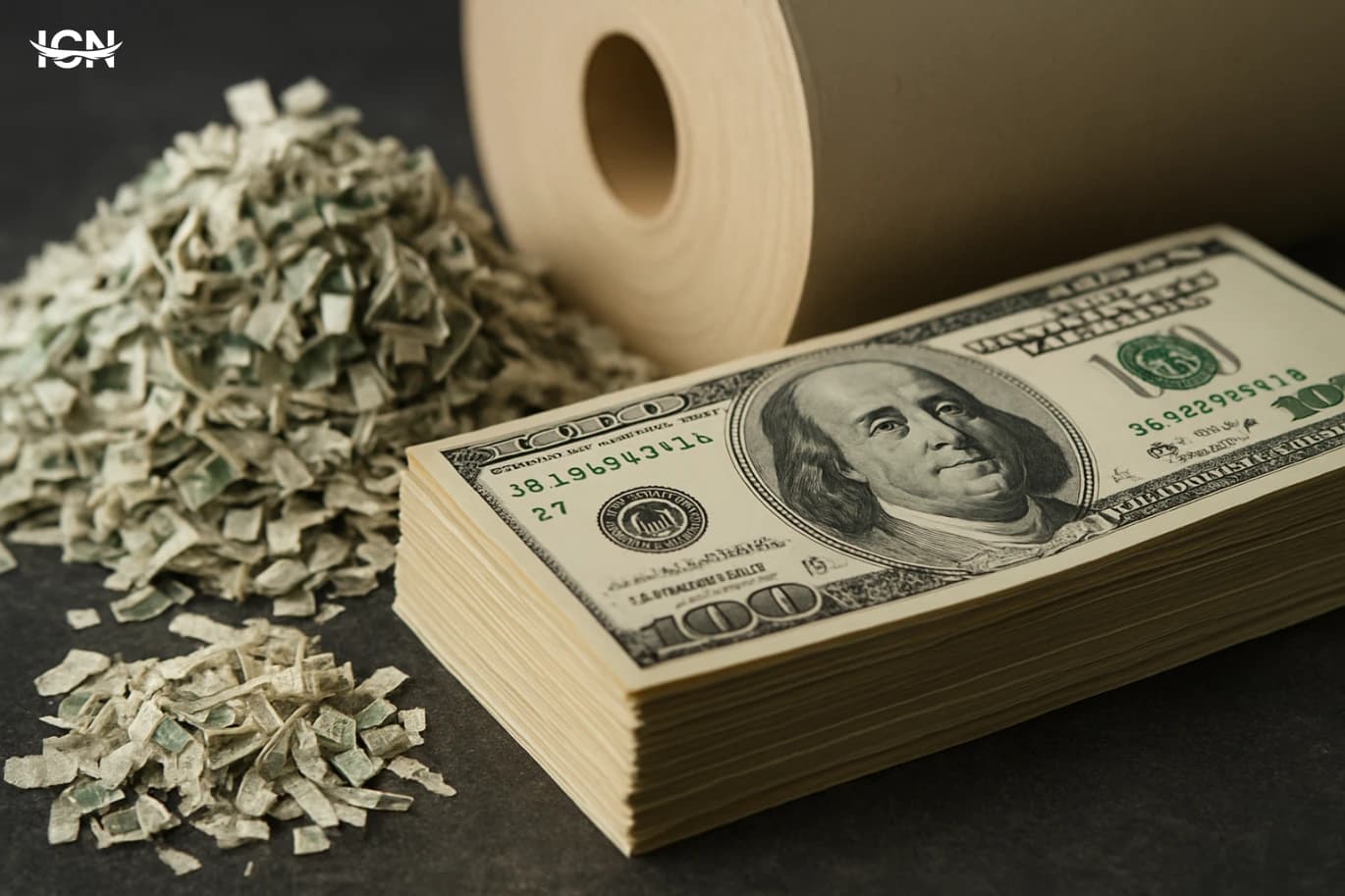
Banknotes degrade through daily handling: folding, rubbing, exposure to moisture, and contact with oils and dirt. Lower denominations typically wear out faster because they circulate more frequently. Central banks define “fitness” standards that determine whether a note is acceptable for recirculation. Banks and cash centers use sorting machines to separate fit notes from unfit ones, based on parameters such as stiffness, tears, holes, missing corners, heavy staining, and the clarity of key security features. Unfit notes are withdrawn and destroyed under controlled procedures, which can include shredding and compacting. The destruction process is documented to ensure that withdrawn currency is accurately removed from the monetary base and replaced with new notes as needed. This replacement cycle is a major cost driver in cash management, influencing decisions about substrates like polymer, which can last longer in circulation in some climates and usage patterns. For the public, the fitness process is why most notes in circulation remain readable and machine-acceptable even after years of use.
What the lifecycle means for you
Understanding the lifecycle of banknotes helps consumers and businesses handle cash more effectively. For individuals, simple habits reduce problems: store notes flat when possible, avoid taping damaged notes (which can cause machine rejection), and exchange heavily worn notes at a bank rather than trying to spend them repeatedly. For small businesses, training staff to check a few clear security features and to keep cash drawers organized by denomination reduces counting errors and speeds up service. The lifecycle also explains why cash policies can change. If a central bank introduces a new series, it may be responding to counterfeiting risks, rising replacement costs, or the need for better machine compatibility. If polymer notes are adopted, the decision often reflects durability data and total cost over time, not just aesthetics. In a world where digital payments keep expanding, the continued investment in banknote lifecycles signals that cash is still treated as essential public infrastructure: it must be available, trustworthy, and practical under everyday conditions.