When Flowers Speak for the Heart
- Why flowers became a language
- The meanings people attach to blooms
- Beautiful phrases that fit real moments
- How to choose flowers that match your message
- Keeping the gesture alive after delivery
Why flowers became a language
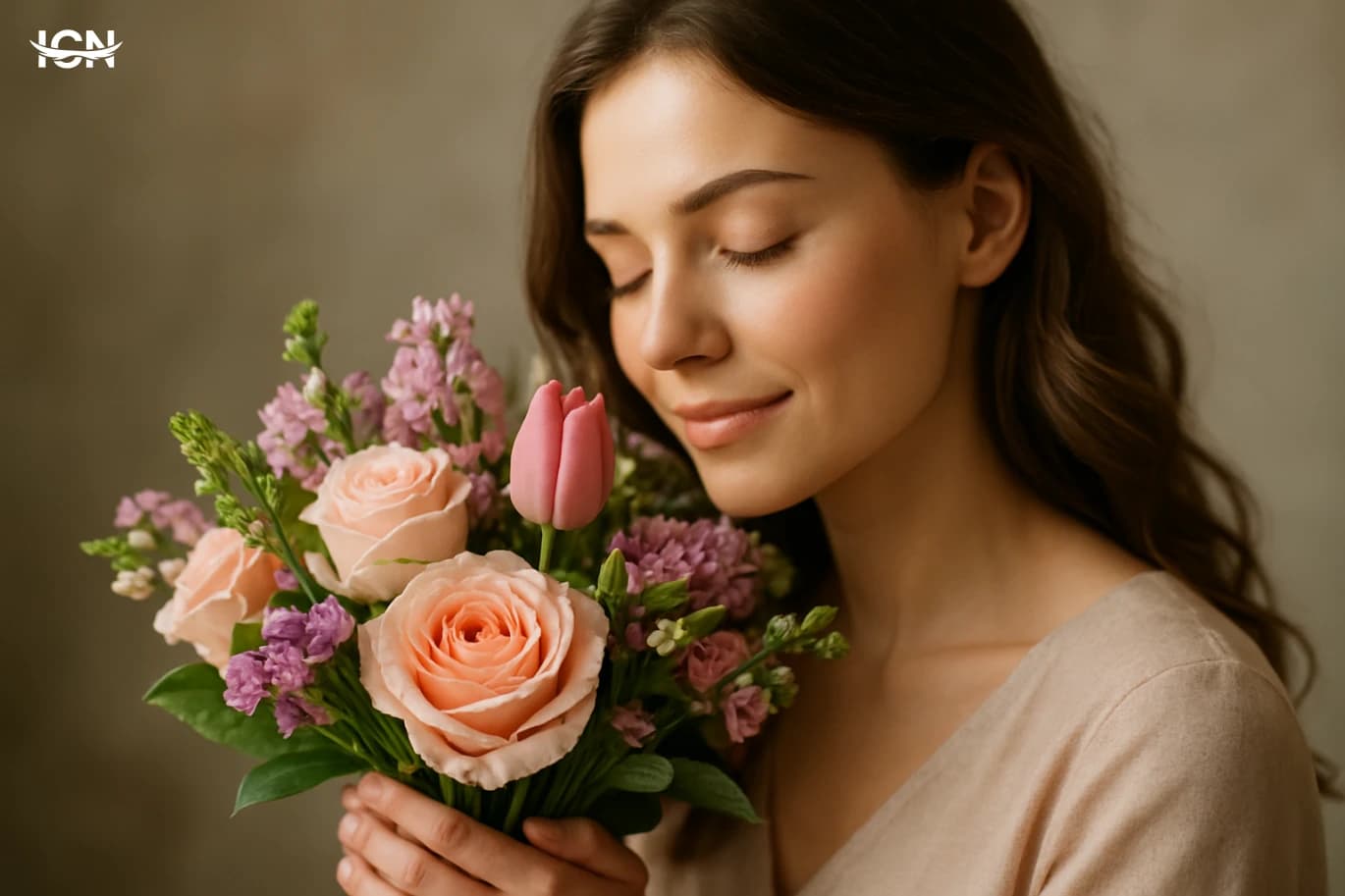
Across many cultures, flowers became a practical way to deliver feelings when direct words felt too heavy or too risky. A bouquet can say “I’m thinking of you” without demanding a reply, and a single stem can carry a message that fits a moment: apology, gratitude, admiration, or quiet support. This is why flowers are often present in everyday milestones such as welcoming a new neighbor, visiting someone who is unwell, celebrating a graduation, or marking an anniversary. What makes flowers effective as a “language” is their shared visibility and their short life cycle. Fresh blooms are unmistakably present, yet they do not last long, which gives the gesture urgency and sincerity. People also read meaning in color, season, and scent. A spring bouquet suggests renewal, while a winter arrangement can signal warmth and care during a difficult time. Even the choice between a wild, loose bundle and a structured arrangement communicates something about the sender’s personality and intent. In modern life, where messages arrive instantly and disappear quickly, flowers offer a slower form of communication. They occupy space on a table, in a hallway, or on a desk, turning a feeling into a physical reminder. That is why “beautiful words about flowers” remain popular: they help people describe what the gesture already implies, and they add clarity to a message that is meant to be gentle rather than loud.
The meanings people attach to blooms
While there is no universal dictionary that everyone follows, many flower meanings are widely recognized through tradition, literature, and everyday practice. Roses are commonly linked with affection and admiration, but the shade matters: red is often chosen for deep attachment, pink for appreciation and tenderness, and white for sincerity and respect. Lilies are frequently associated with calm and dignity, making them common in formal occasions. Jasmine is tied to evening serenity and familiar warmth, especially in regions where its scent is part of daily life. Color is only one layer. The number of stems, the freshness, and the way the bouquet is wrapped also shape the message. A modest, carefully chosen bunch can feel more personal than an expensive arrangement that looks generic. Seasonal flowers can signal attentiveness: choosing what is naturally available suggests a grounded, thoughtful gesture rather than a rushed purchase. People also use flowers to communicate boundaries and intentions. A small bouquet can be a respectful sign of appreciation without implying a heavy commitment. A handwritten note attached to the flowers can refine the meaning further, turning a general symbol into a precise message. In this sense, flowers are not only “for lovers”; they are a social tool for anyone who wants to express care with tact. Beautiful lines about flowers often succeed when they stay close to these familiar meanings. They do not need to be complicated. A simple sentence that connects a bloom to a real moment—an apology after a misunderstanding, a thank-you after support, or a greeting after a long absence—feels more credible than exaggerated praise.
Beautiful phrases that fit real moments
People often search for “the most beautiful words about flowers” because they want a line that fits the occasion without sounding copied or overly dramatic. The best phrases are specific, calm, and connected to what the recipient will actually feel when seeing the bouquet. For appreciation, a direct line works well: “These flowers are a small thank-you for a big kindness.” For support, clarity matters: “I’m here for you, and I wanted something gentle to say it.” For admiration, the phrase should avoid exaggeration and focus on a real quality: “Like a fresh bloom, your presence changes the mood of the day.” For reconciliation, the words should be responsible and simple: “I’m sorry for what I missed; please accept these flowers as a start.” For celebration, keep it bright and grounded: “May your next step be as open and hopeful as spring.” If the message is for a partner, it can be warm without being theatrical. A practical approach is to connect the flowers to a shared detail: a favorite color, a place you visited, or a season you both enjoy. For example: “I chose these because they remind me of our first walk in the evening.” This kind of line feels personal and cannot be easily reused. Finally, a short note can be more powerful than a long paragraph. Flowers already carry visual meaning; the words should guide, not compete. One or two sentences, written clearly, often leave the strongest impression and keep the gesture respectful and sincere.
How to choose flowers that match your message
Choosing the right flowers is less about memorizing symbolism and more about matching the recipient, the setting, and the intent. Start with context: is this a formal event, a casual visit, or a private gesture? For formal settings, structured arrangements with neutral colors often feel appropriate. For a friendly visit, a simple, bright bunch can be more fitting. For a personal message, a single variety—one type of flower—can look intentional and focused. Next, consider practicality. Strong scents can be uncomfortable in offices or small rooms, so lighter fragrances are safer. If the recipient travels often or has limited time, longer-lasting flowers or even a small potted plant can be a better choice. Also pay attention to allergies; a thoughtful sender asks or chooses low-pollen options. Color selection should support the tone. Soft whites and greens communicate calm and respect. Warm colors like yellow and orange can signal energy and good wishes, especially for congratulations. Pink tones often work for appreciation and gentle affection. If you are unsure, mixed seasonal bouquets are a safe option because they look natural and balanced. Finally, presentation matters. A clean wrap, a simple ribbon, and a short note can elevate even modest flowers. The goal is coherence: the bouquet, the words, and the moment should all point to the same message. When they align, the flowers feel like a clear statement rather than a random gift.
Keeping the gesture alive after delivery
A bouquet’s impact does not end when it is handed over. Small follow-up actions can extend the meaning and show that the gesture was not performative. If you are close to the recipient, include a care tip on the note: “Trim the stems and change the water every two days.” This is practical and signals attention. If the flowers were for support, a brief check-in later—without pressure—can reinforce the message. For recipients, preserving the memory can be simple. Some people keep a single bloom to dry, press petals in a notebook, or take a photo in natural light. These are not grand rituals; they are small ways to keep a moment visible. In workplaces, placing the bouquet where it can be seen by others often turns it into a shared positive detail, which can lift the mood without requiring conversation. Words can also be saved. A short card with a sincere line often becomes more valuable than the flowers themselves once the petals fade. This is why it helps to write clearly and avoid clichés. A specific sentence tied to a real event—help received, time shared, patience shown—remains meaningful long after the arrangement is gone. In the end, flowers are a messenger, but the relationship is the message. When the bouquet is matched with appropriate words and followed by consistent behavior, the gesture feels complete. That is the practical secret behind the enduring appeal of “beautiful words about flowers”: they support real connections in a respectful, memorable way.