The Quiet Comeback of Cash
- Why cash is resurfacing
- What cash still does better
- The hidden costs of going cashless
- Central banks and the future of banknotes
- How consumers and businesses can adapt
Why cash is resurfacing
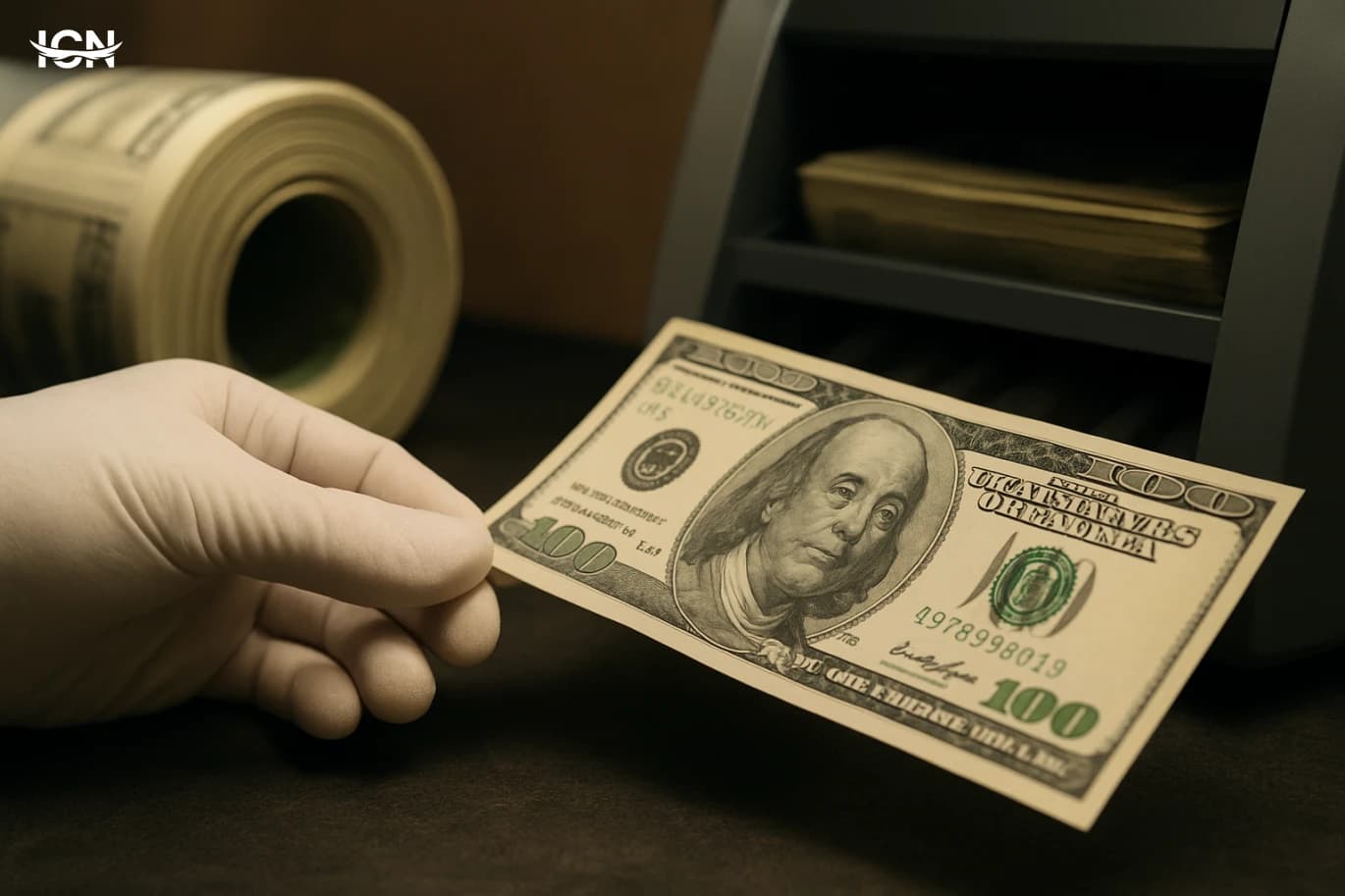
For years, headlines framed cash as a relic, pushed aside by cards, mobile wallets, and instant transfers. Yet in many countries, cash use has stabilized or even ticked up in specific situations. One driver is resilience: when payment networks go down, a phone battery dies, or a bank app fails during peak traffic, physical notes still settle a transaction immediately. Another driver is budgeting. Households facing higher food and energy bills often use cash envelopes for groceries, transport, and school expenses because it creates a visible limit that a contactless tap does not. Cash also remains central to parts of the informal economy, from small repair services to street vendors, where fees and delays associated with digital payments can be a real burden. There is also a privacy dimension that is not about secrecy but about ordinary discretion. Many consumers prefer not to leave a detailed purchase trail for every small transaction, especially for personal items or gifts. At the same time, some merchants are rethinking “card-only” policies after seeing how interchange fees and chargebacks can erode margins. In this context, cash is not replacing digital payments; it is reasserting itself as a parallel option that people reach for when reliability, control, and simplicity matter.
What cash still does better
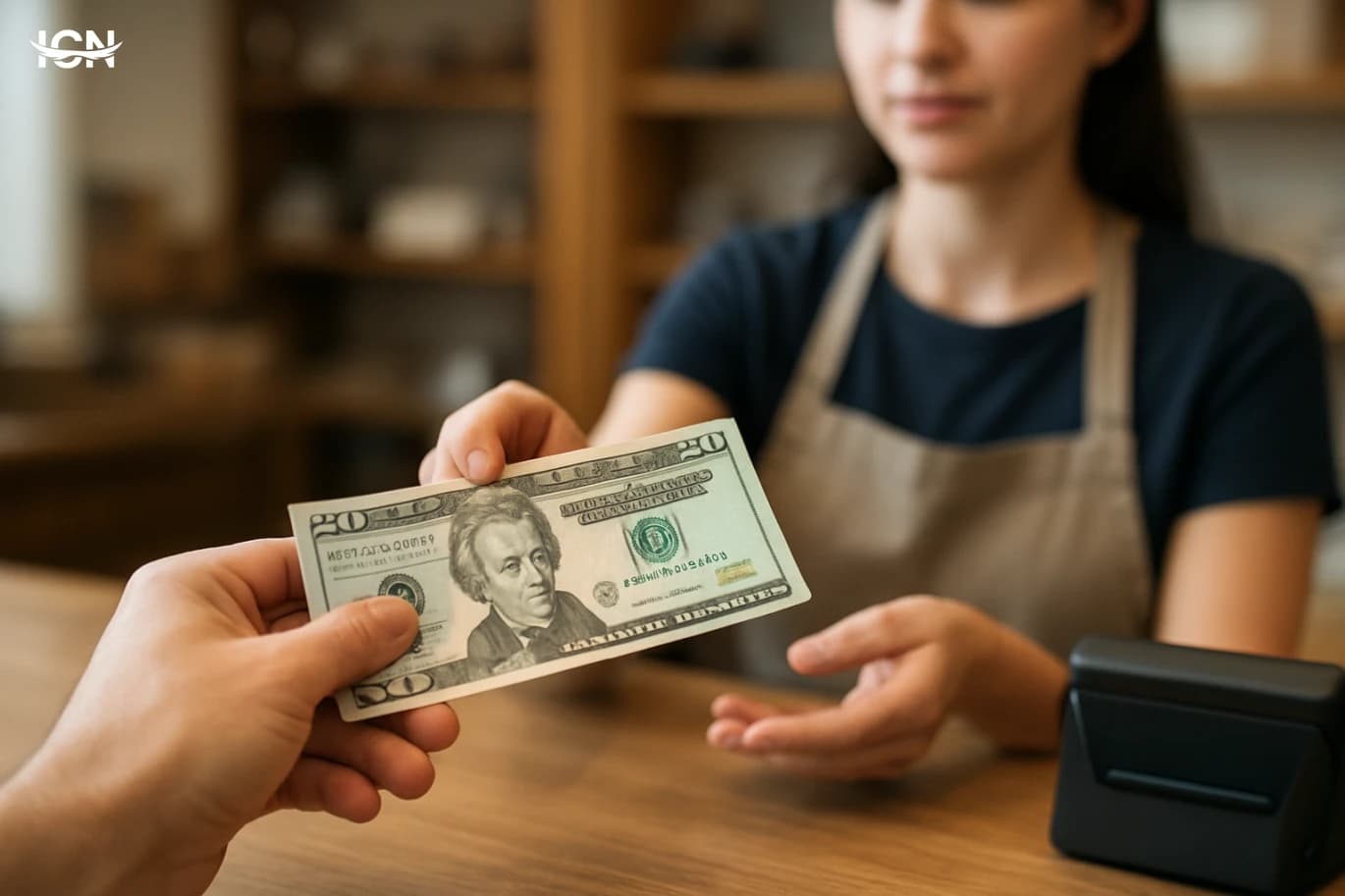
Cash has operational advantages that are easy to overlook in a world of apps. Settlement is final at the point of exchange: there is no authorization step, no network latency, and no risk of a later reversal because of a dispute. That finality matters for small merchants who cannot afford chargeback exposure. Cash also works across institutions. A bank outage, a card processor incident, or a telecom disruption can break digital payments, but cash remains interoperable by design. For consumers, cash can reduce “payment friction” in a different way than contactless. It is universally accepted in many everyday contexts, especially where terminals are scarce or where minimum purchase rules apply. It can also help people avoid overdrafts and late fees because spending is limited to what is in hand. In communities with limited access to banking, cash is still the primary way to receive wages, remittances, or government benefits, even when those funds originate digitally. Finally, cash is a critical tool for emergency preparedness. Many public agencies advise keeping a small amount of physical currency for short-term disruptions, alongside food, water, and basic supplies.
The hidden costs of going cashless
A cashless policy can look efficient, but it shifts costs and risks. Merchants pay processing fees that scale with revenue, which can be painful for low-margin businesses such as convenience stores, cafés, and small retailers. Digital payments also introduce dependency on hardware, software updates, and cybersecurity. A single phishing incident or compromised terminal can expose customer data and disrupt operations. There is also an inclusion issue. Not everyone has a bank account, a compatible smartphone, stable internet access, or the documentation required to pass onboarding checks. When cash is refused, these groups can be effectively excluded from basic commerce, from buying food to paying for transport. Even for fully banked consumers, cashless systems can create new failure points: app outages, card expirations, identity verification errors, or transaction limits that block legitimate purchases. Policymakers increasingly treat cash acceptance as part of consumer protection, not nostalgia, because it provides a baseline payment method that does not depend on private network uptime.
Central banks and the future of banknotes
Central banks have not treated banknotes as an afterthought. Many have invested in new security features, polymer substrates, and redesigned series to reduce counterfeiting and extend note lifespan. These upgrades matter because printing and distributing cash is expensive; longer-lasting notes lower replacement frequency and logistics costs. Central banks also monitor cash demand closely, not only for payment trends but for signals about trust, savings behavior, and crisis response. During periods of uncertainty, demand for high-denomination notes can rise as households and businesses seek liquidity buffers. At the same time, authorities are balancing cash support with modernization. Some countries are improving cash distribution networks, ensuring ATMs and cash-in-transit services remain viable even as volumes change. Others are debating legal requirements for cash acceptance in essential services. The debate is also shaped by parallel projects such as instant payment rails and, in some jurisdictions, central bank digital currency pilots. Even where digital initiatives advance, many central banks emphasize “choice” and “redundancy”: keeping cash available so the payment system has a fallback that is not tied to a single technology stack.
How consumers and businesses can adapt
A practical approach is to treat cash and digital payments as complementary tools. For consumers, keeping a modest amount of cash for transport, small purchases, and short disruptions can prevent inconvenience when systems fail. Using cash for discretionary spending categories can also improve budgeting discipline, while reserving digital payments for recurring bills and larger purchases can provide records and protections. For businesses, the decision is less about ideology and more about cost, reliability, and customer mix. Accepting cash can widen the customer base and reduce processing fees, but it requires controls: clear till procedures, regular bank deposits, counterfeit detection training, and insurance considerations. Many small merchants find a hybrid setup works best: encourage low-fee digital methods like bank transfers or domestic instant payments where available, while keeping cash acceptance for speed and inclusivity. The broader lesson is that the “future of payments” is not a single lane. In a volatile environment, redundancy is a feature, and cash remains one of the simplest forms of redundancy that households and firms can deploy immediately.