The History of China
Ancient Beginnings
China's history dates back thousands of years, with the earliest known civilization emerging around the Yellow River. The Xia Dynasty, traditionally considered the first, laid the foundation for Chinese culture and governance. Archaeological discoveries have revealed advanced bronze work and early writing systems, indicating a sophisticated society. The Shang Dynasty followed, known for its oracle bones and development of a centralized state. This era set the stage for the Zhou Dynasty, which introduced the Mandate of Heaven, a concept that justified the rule of the emperor and became a central tenet of Chinese political philosophy.
Imperial Expansion
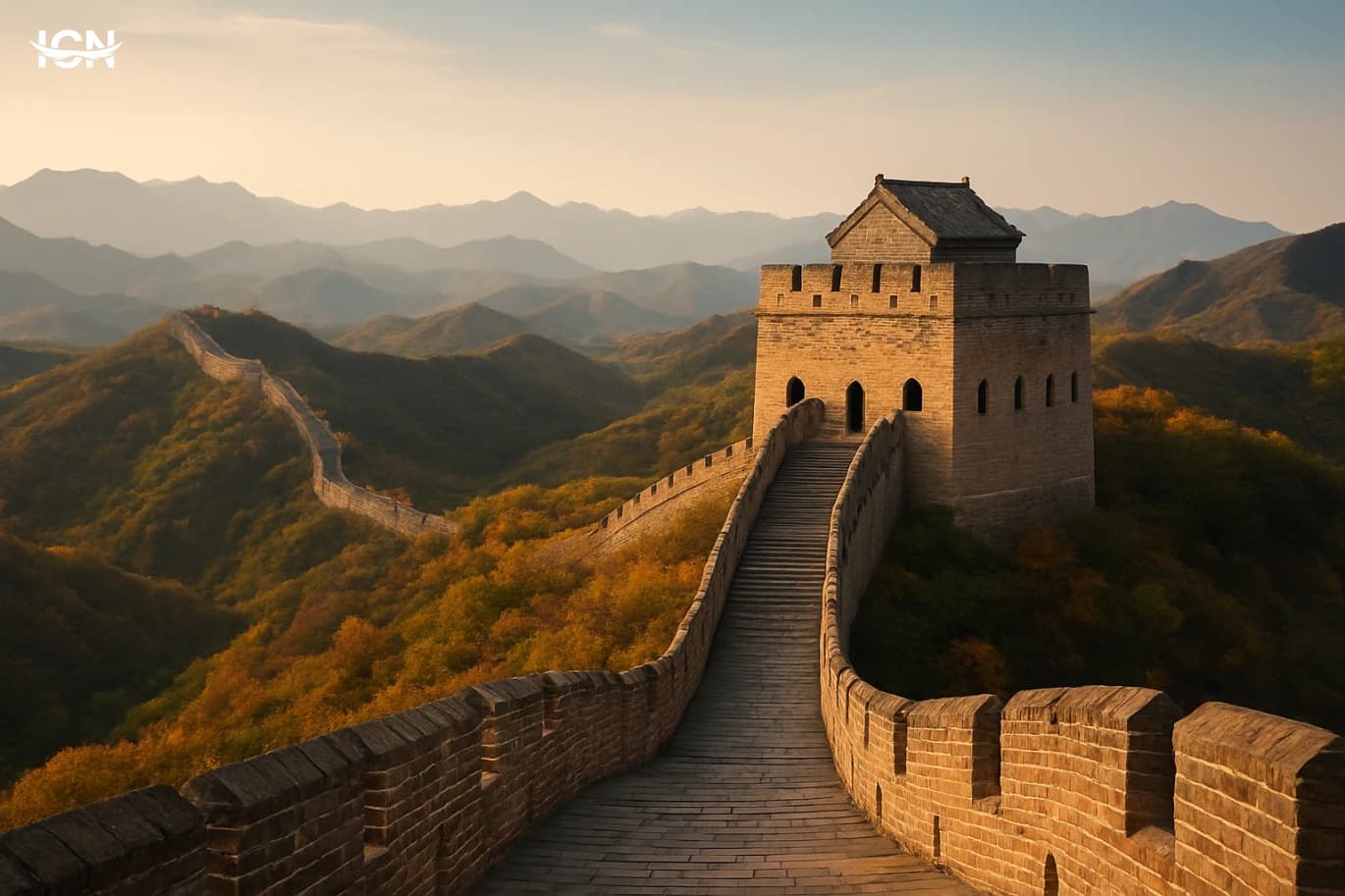
The Qin Dynasty marked the beginning of imperial China, unifying the warring states and establishing the first centralized empire. The Great Wall was expanded to protect against northern invasions. The Han Dynasty succeeded the Qin, ushering in a golden age of prosperity, cultural development, and technological innovation. The Silk Road was established, facilitating trade and cultural exchange with the West. This period saw the flourishing of Confucianism, which became the ideological backbone of Chinese society. The Han era is often considered a defining period in Chinese history, setting standards for future dynasties.
Cultural Flourishing
During the Tang and Song Dynasties, China experienced a cultural renaissance. The Tang Dynasty is often regarded as a high point in Chinese civilization, with advancements in poetry, painting, and ceramics. The capital, Chang'an, became a cosmopolitan hub, attracting scholars and traders from across Asia. The Song Dynasty continued this cultural growth, with innovations in printing, navigation, and agriculture. Neo-Confucianism emerged, blending Confucian, Buddhist, and Daoist ideas, influencing Chinese thought for centuries. These dynasties left a lasting legacy on Chinese art, literature, and philosophy.
Ming and Qing Dynasties
The Ming Dynasty is known for its strong centralized government and maritime exploration. Admiral Zheng He's voyages expanded China's influence across the Indian Ocean. The construction of the Forbidden City in Beijing symbolized the power and grandeur of the Ming emperors. The Qing Dynasty, the last imperial dynasty, saw territorial expansion and cultural integration. However, internal strife and external pressures, such as the Opium Wars, weakened the Qing, leading to its eventual collapse. These dynasties played crucial roles in shaping modern China's borders and cultural identity.
Modern Era
The fall of the Qing Dynasty in 1912 marked the end of imperial rule and the beginning of the Republic of China. The early 20th century was a period of political turmoil, with warlords vying for power. The Chinese Civil War resulted in the establishment of the People's Republic of China in 1949 under Communist leadership. The Cultural Revolution and economic reforms under Deng Xiaoping transformed China into a global economic powerhouse. Today, China is a major player on the world stage, balancing its rich historical heritage with rapid modernization and development.