Hidden Azores Beyond the Postcards
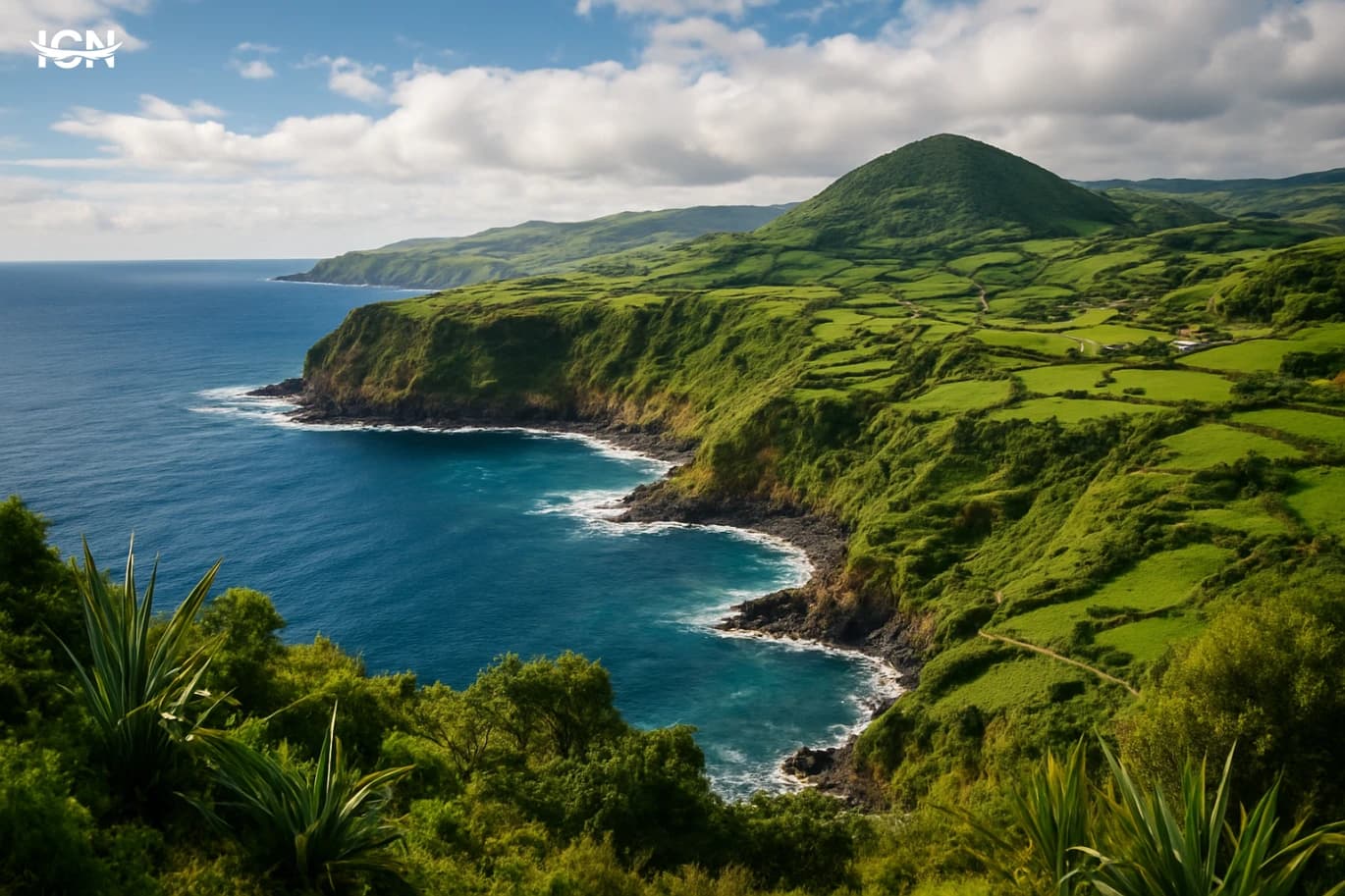
- A Different Map of the Azores
- Flores and Corvo for Quiet Landscapes
- São Jorge and the Fajãs Lifestyle
- Terceira After Hours and Small Town Details
- Hot Springs, Ocean Pools, and Weather Strategy
- Practical Tips for a Low-Impact Visit
A Different Map of the Azores
Most visitors meet the Azores through a familiar shortlist: crater lakes, whale watching, and a few iconic viewpoints on São Miguel. The archipelago is far richer when you plan around smaller islands, quiet villages, and everyday places where locals actually spend time. The Azores are nine islands spread across the North Atlantic, and the distances between them shape the experience: flights are short but weather-dependent, ferries are seasonal, and each island has its own rhythm. Building a “hidden” itinerary is less about secret spots and more about timing, transport, and choosing places that don’t rely on crowds. A practical way to start is to pick two or three islands with contrasting character. Pair a larger hub such as São Miguel or Terceira with a smaller island like Flores, Corvo, Graciosa, or São Jorge. This creates room for both convenience and discovery: you can land where services are plentiful, then move to an island where the day’s highlights might be a coastal walk, a local bakery, and a natural swimming pool at sunset. The most rewarding moments often happen away from the main loops—on secondary roads, in parish centers, and at small harbors where fishing boats still set the pace of the morning.
Flores and Corvo for Quiet Landscapes
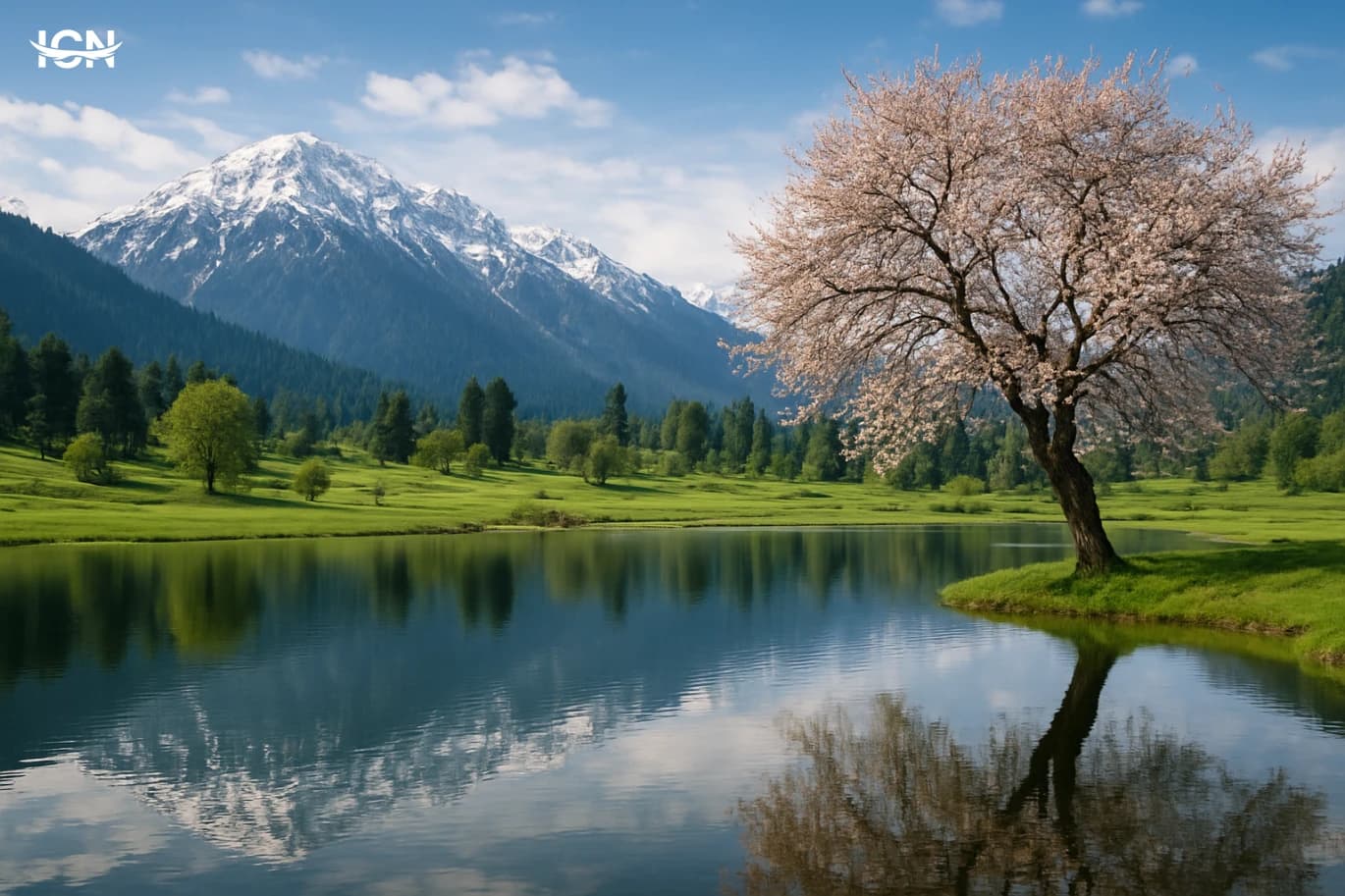
Flores, the westernmost island, is a strong candidate for travelers who want dramatic scenery without a busy atmosphere. Its appeal is not a single landmark but a sequence of short drives and walks that keep revealing waterfalls, green ridges, and small lakes. Instead of chasing the most photographed viewpoint at peak hours, plan for early or late visits and spend time on the island’s smaller coastal areas. Natural pools and sheltered coves can be more memorable than a checklist of overlooks, especially when the light changes quickly and the Atlantic wind clears the air. Corvo, the smallest island, is an even more focused experience. There is one main village and a limited road network, which makes it ideal for slow travel. The island’s crater, Caldeirão, is the obvious highlight, but the “hidden” side is the village itself: short walks between stone walls, small cafés, and a harbor where you can watch the day’s weather arrive. Because services are limited, it pays to confirm ferry or flight schedules in advance and keep plans flexible. On both islands, the best approach is to treat the landscape as a full-day environment rather than a quick stop: pack layers, bring water, and allow time for weather pauses that often turn into the most peaceful moments.
São Jorge and the Fajãs Lifestyle
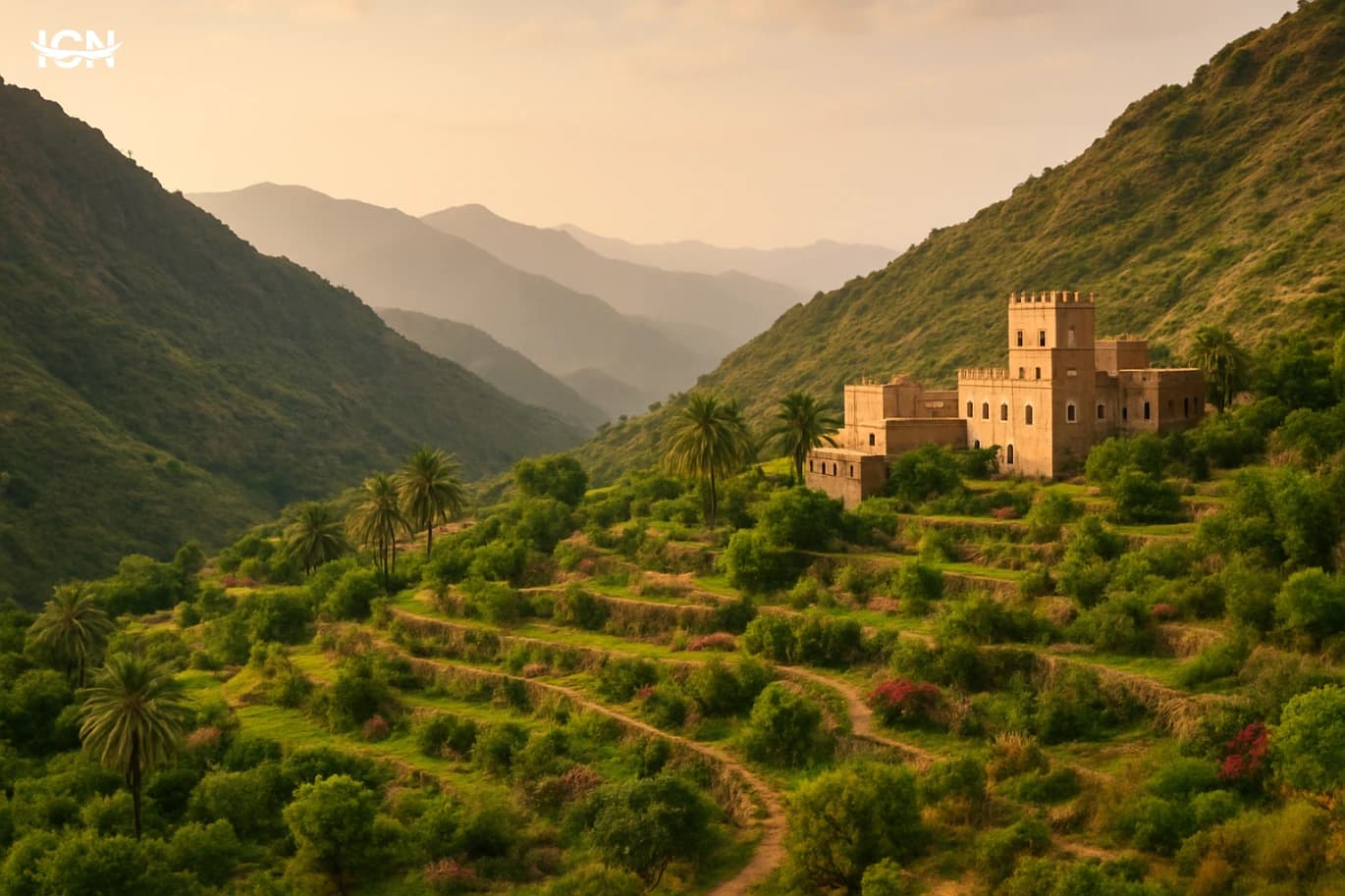
São Jorge is known for its fajãs—flat coastal platforms formed by lava flows or landslides—where small communities developed their own routines. The “hidden” charm here is cultural as much as scenic: some fajãs are reached by steep paths, and the effort naturally filters out rushed visitors. Choose one or two routes that match your fitness and the day’s conditions, and treat the walk as the main event. Along the way you may pass small gardens, stone terraces, and viewpoints that feel private even when they are not officially remote. The island’s food culture is part of the experience. São Jorge cheese is widely recognized across Portugal, and tasting it on the island adds context: small shops and cafés often serve it with local bread, fruit preserves, or simple snacks. In villages, you can also find seasonal produce and homemade sweets that rarely appear in big-city menus. If you drive, plan for narrow roads and sudden fog; if you hike, carry a light rain layer even on bright mornings. A good “hidden Azores” day on São Jorge can be as straightforward as this: a morning descent to a fajã, a long lunch with local cheese and soup, and a slow return before the light fades.
Terceira After Hours and Small Town Details
Terceira is often visited for Angra do Heroísmo, a UNESCO-listed city with a compact historic center. To find a less obvious side, shift your schedule rather than your destination. Walk the old streets early in the morning when deliveries arrive and cafés open, or later in the evening when residents reclaim the squares. The city’s scale makes it easy to notice details: tiled façades, small chapels, and viewpoints that are overlooked because they are not labeled as “must-see.” Beyond Angra, Terceira’s villages offer a grounded look at island life. Short drives connect pastureland, coastal lookouts, and small ports where you can watch boats, weather, and daily routines. If you are interested in local flavors, look for family-run restaurants that serve straightforward dishes based on seasonal ingredients rather than elaborate presentations. The “hidden” experience is often a conversation, a recommendation for a quiet miradouro, or a stop at a bakery where the same recipes have been used for decades. Terceira rewards travelers who leave space between attractions and let the day unfold at a local pace.
Hot Springs, Ocean Pools, and Weather Strategy
The Azores are shaped by volcanic heat and Atlantic water, and some of the most satisfying “hidden” experiences are simple: a soak in warm mineral water or a swim in a protected ocean pool. On São Miguel, geothermal areas are well known, but you can still avoid the busiest moments by visiting at off-peak times and choosing smaller facilities when available. On several islands, natural swimming areas built into lava rock provide safe access to the sea, often with changing rooms and basic services in summer. Weather is the key variable that turns a good plan into a great one. Conditions can shift quickly, especially in higher elevations and exposed coasts. A smart strategy is to build a day with interchangeable blocks: a viewpoint or hike when skies are clear, a museum or café when rain moves in, and a thermal soak when temperatures drop. Keep a light jacket, waterproof layer, and sturdy shoes in the car or daypack. This approach is not about over-planning; it is about protecting your time on the islands so you can enjoy the moments that feel spontaneous without losing the day to unexpected fog or showers.
Practical Tips for a Low-Impact Visit
A “hidden Azores” trip works best when it respects local capacity. Book inter-island flights early in high season, and confirm ferry operations close to departure because schedules can change with sea conditions. Renting a small car is often the most efficient way to reach trailheads and villages, but drive conservatively: roads can be narrow, livestock may be nearby, and visibility can drop in fog. For hikers, stick to marked trails and check local guidance on closures, especially after heavy rain. Support the local economy in ways that fit the islands’ scale. Choose locally owned guesthouses, buy snacks from neighborhood bakeries, and try island products such as dairy, fruit preserves, and teas where they are produced. Keep natural areas clean by carrying out litter and avoiding shortcuts that erode paths. Finally, plan for fewer stops per day than you would on a mainland road trip. The Azores reward attention: a longer pause at a harbor, a slower meal, and a short detour to a quiet viewpoint often deliver more value than rushing through a crowded list of attractions.