The effects of future artificial intelligence
- Technological development and artificial intelligence applications
- Economic effects of artificial intelligence
- Social and cultural influences
- Moral and organizational challenges
- The potential future of artificial intelligence
Technological development and artificial intelligence applications
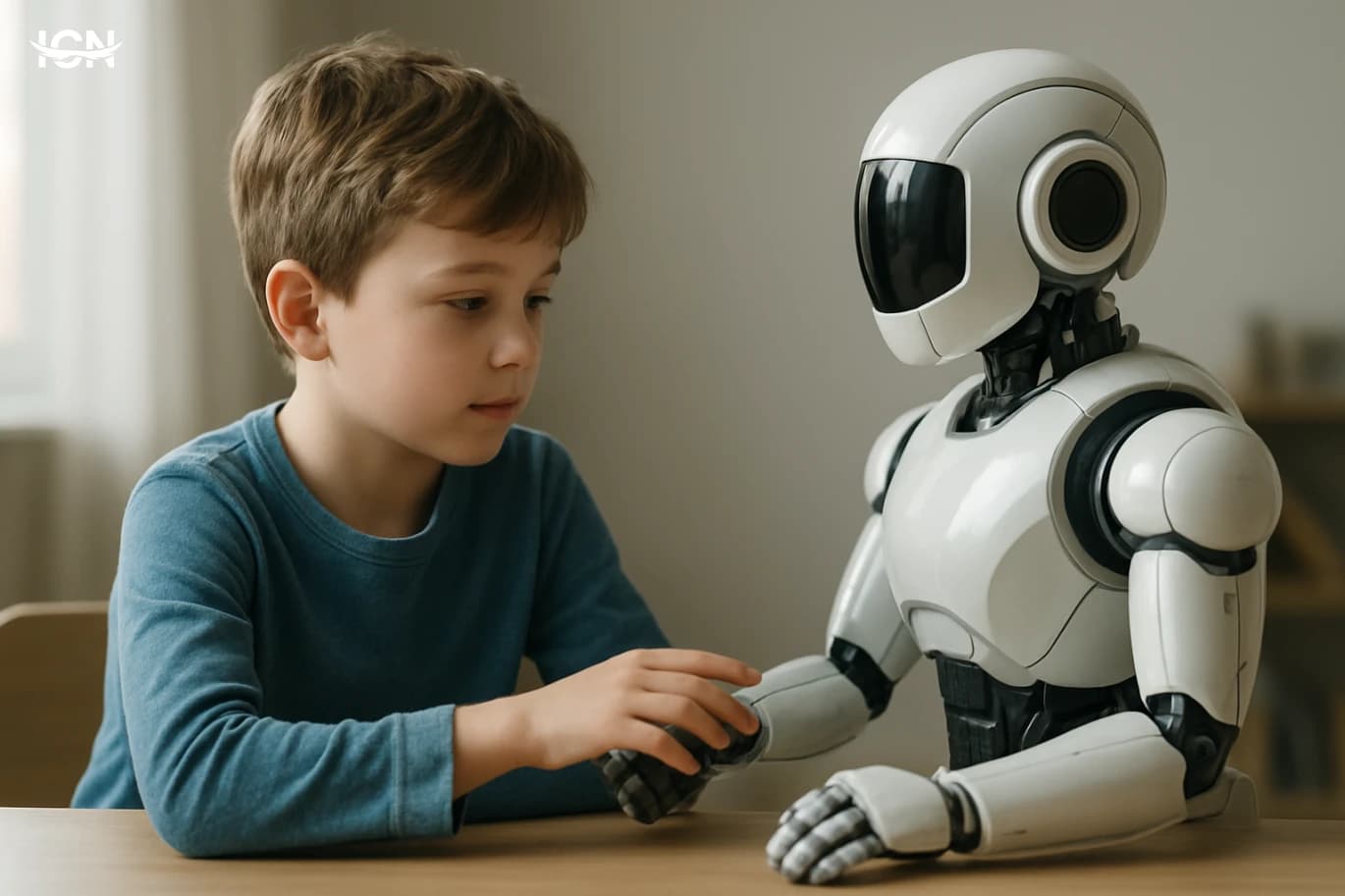
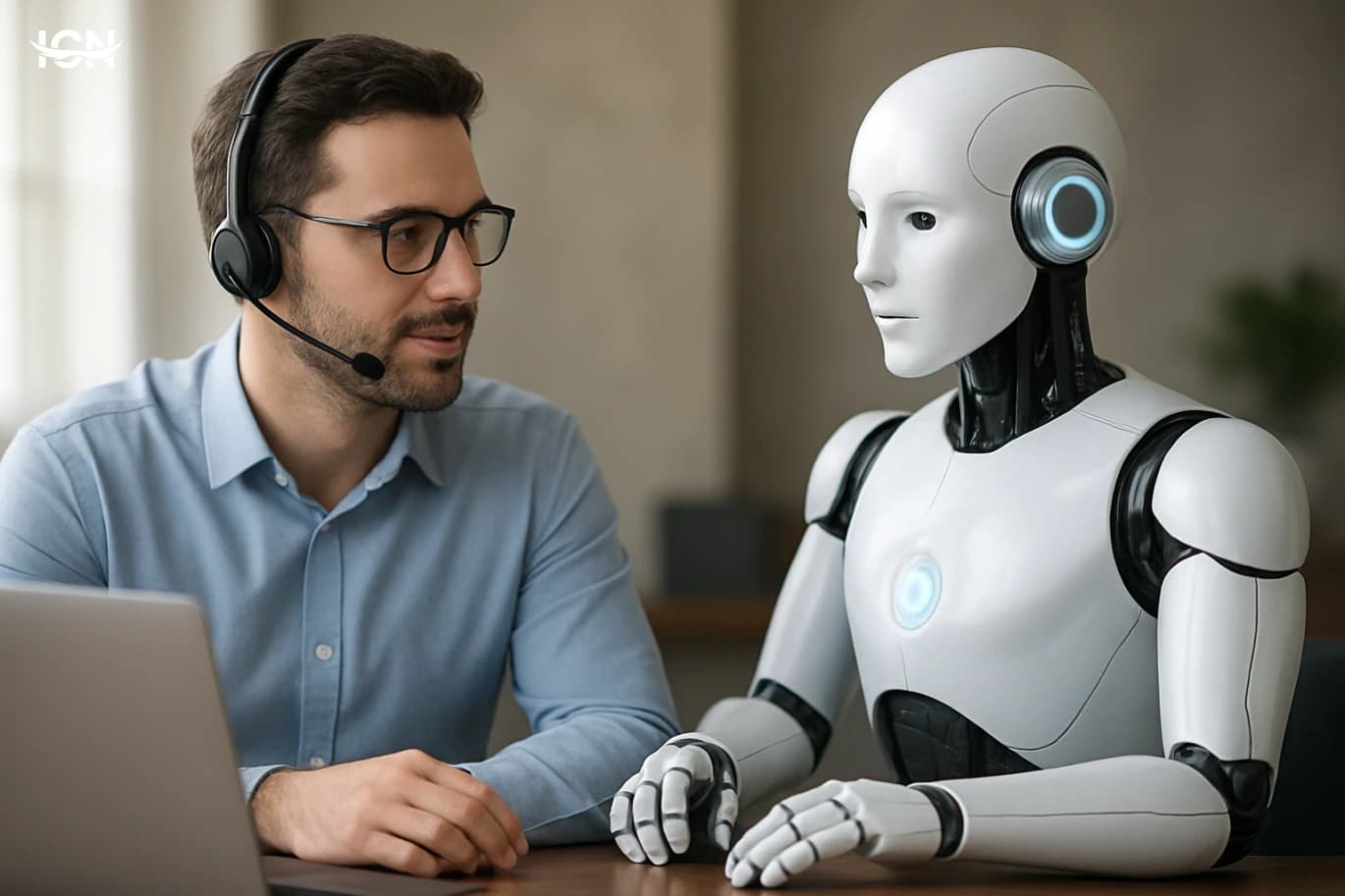
A. Progress in the fields of computer vision and language processing witnesses a remarkable progress technique, as it represents the basis in applications such as face recognition and image analysis. The treatment of the natural language has also been greatly improved, which enhances the interaction between humans and the machine. for. Dependence on artificial intelligence in industry and services has increased dependence on artificial intelligence, as companies apply it to simplify operations and increase efficiency. This includes the use of robots in production lines and customer services via virtual assistants, which improves productivity and achieve better results in organizations.
Economic effects of artificial intelligence
A. New job opportunities and transformations in the labor market. Research indicates that artificial intelligence will create a large number of new job opportunities, including jobs in the areas of development, maintenance and interaction with smart systems. These jobs will require new skills, prompting individuals to learn advanced skills in line with technological developments. for. The challenges related to the disappeared jobs on the other hand, there are major challenges, as automation may lead to the extinction of some traditional functions. Organizations and governments must develop strategies to deal with these transformations and provide appropriate training for affected employees to ensure the sustainability of the labor market.
Social and cultural influences
A. Human interaction patterns with technology changed with the emergence of artificial intelligence, ways of individuals interacting with technology change significantly. People are heading towards relying on smart systems to perform daily tasks, which affects human relations and reduces direct interaction. This trend may lead to changing human behaviors and their appreciation of traditional social relations. for. Privacy and safety issues show new challenges related to privacy and safety, as anxiety increases the use of personal data by smart systems. This situation requires strict policies to protect privacy and ensure information safety, which requires institutions to enhance transparency and trust with their users to ensure a healthy balance between innovation and protect individual rights.
Moral and organizational challenges
A. Ethics standards and automatic decisions with the increasing use of artificial intelligence, highlighting moral issues, as automatic options can cause undesirable results. This requires ethical standards that define how these systems are used to make decisions, which requires developing strategies to avoid biases. for. The need for an effective regulatory framework requires the current challenges that there is an organizational framework that guarantees the safety of use, as it is necessary to protect the rights of individuals and ensure the responsibility of technology responsible. Therefore, the concerned authorities must work on developing clear and proportional policies that keep pace with rapid developments in artificial intelligence and define the rules that govern their use.
The potential future of artificial intelligence
A. General artificial intelligence and its impact on society is expected to radically affect general artificial intelligence, as systems will enable learning and thinking similar to humans. This will improve the efficiency of operations and increase productivity in various sectors, but it may also raise issues related to jobs and employment, which requires thinking about innovative solutions to qualify future workers. for. Future innovations and emerging technologies Studies indicate that innovations in the field of artificial intelligence will continue to develop, with new technologies such as quantitative computing and augmented learning. These developments may open new horizons to achieve a significant improvement in employing artificial intelligence in daily life, which improves the quality of life and enhances innovation in various fields.