App Logo

Download Our App

Shop your way

logologo
Image

The difference between theater and cinema

07/22/2025By: ICN
The difference between theater and cinema

the introduction

The history of theater and cinema are considered the theater and cinema are two important episodes in the history of culture and arts. The theater began to appear in ancient Greece, where it was used as a way to express stories and myths. With the development of time, the cinema began in the early twentieth century, transforming the way stories were told in a breathtaking optical style. Each of them has evolved throughout the ages, as they became the main platform for spreading ideas and cultures around the world. The cultural influence of theater and cinema played theater and cinema a pivotal role in formulating the cultural identity of societies. By presenting stories that reflect people's experiences, these artistic forms contribute to understanding social challenges and enhancing human values.

The difference in the show

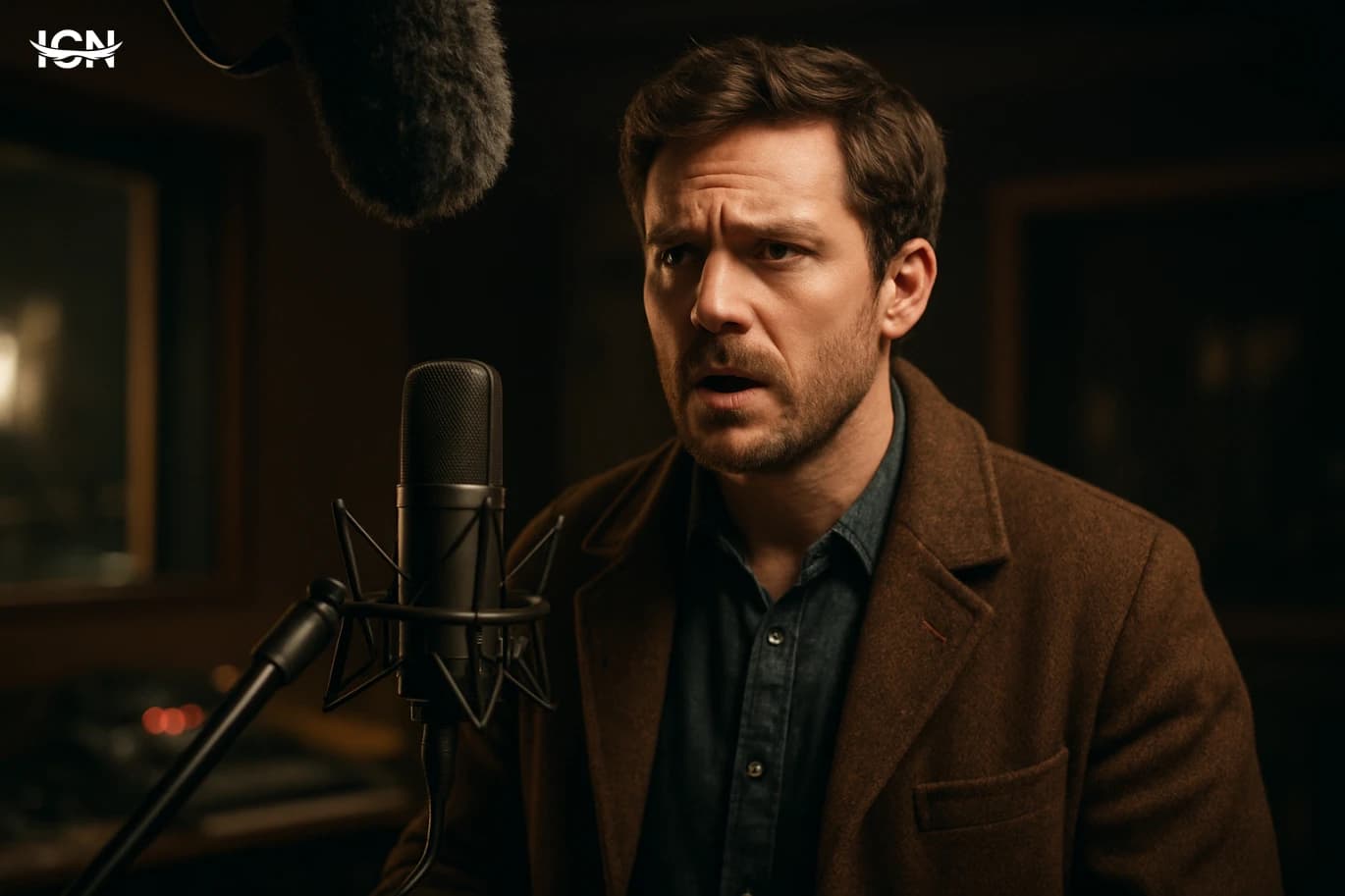
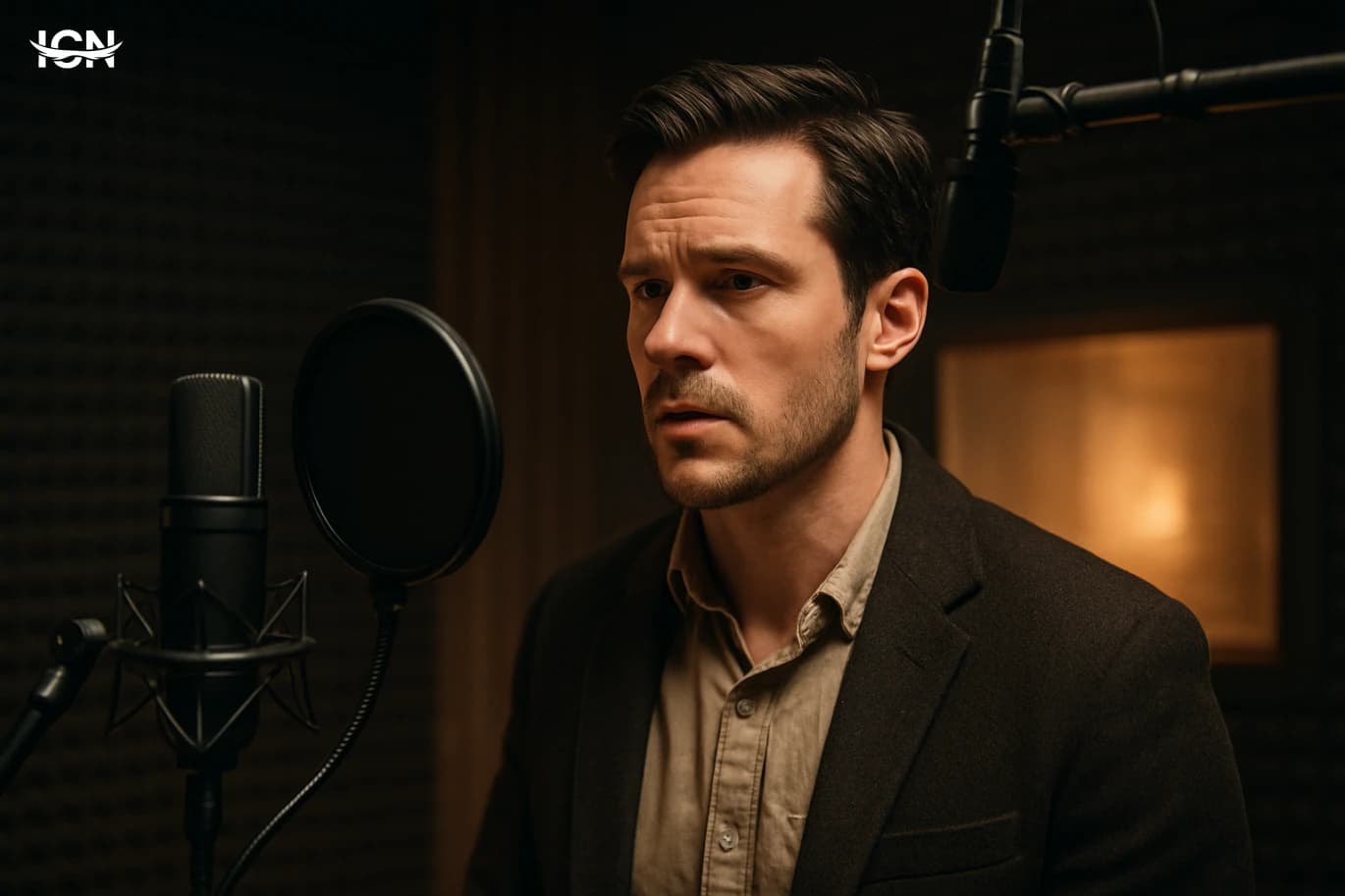
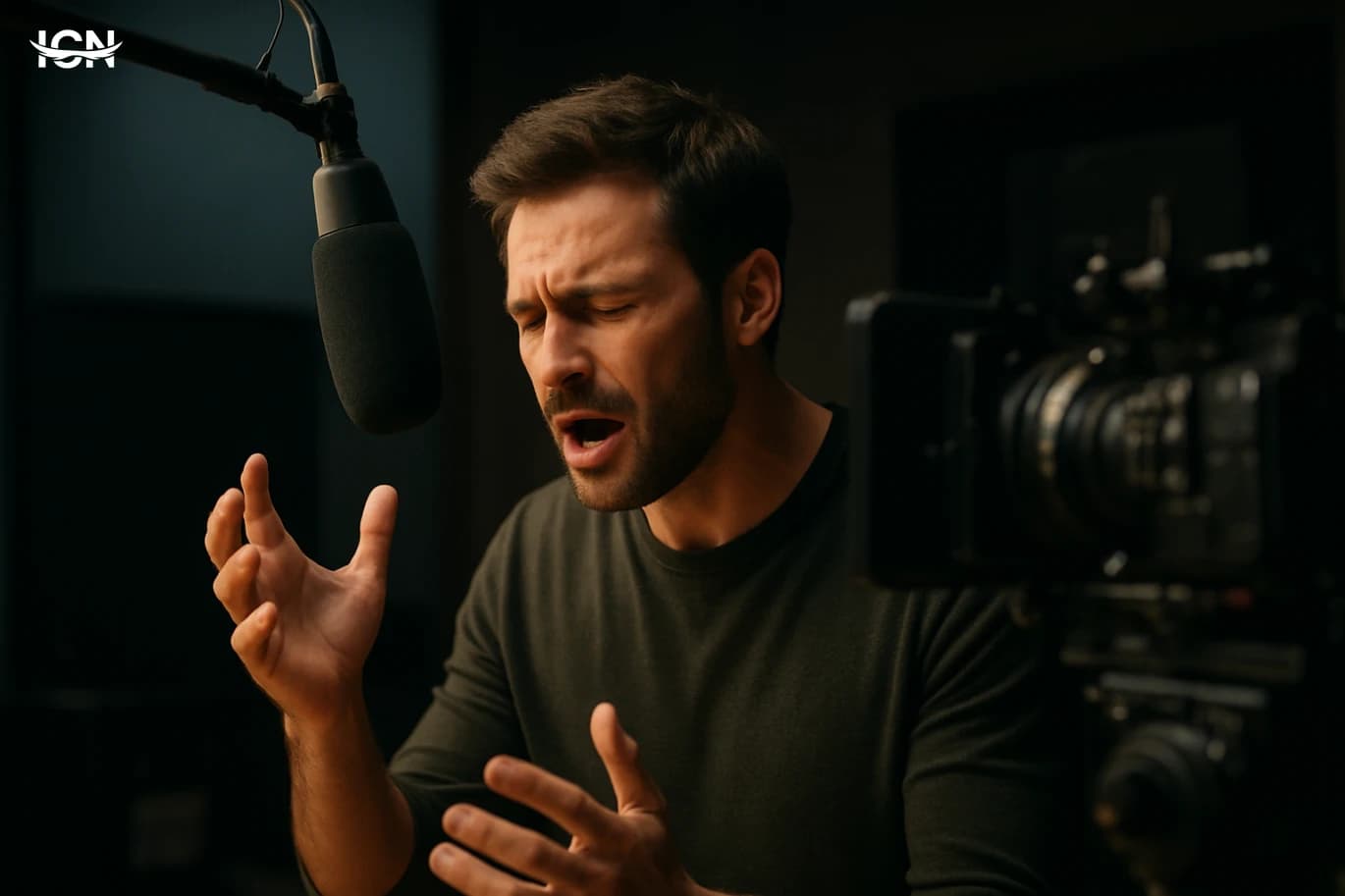
Direct acting in the theater is the theater shows are a direct experience as the actors interact with the audience immediately. Live performance reflects feelings and expressions more, which makes the audience feel part of the story. Theatrical performances also provide an opportunity to experience the interactive performance that develops with each show. Film filming in the cinema on the other side, the cinema is characterized by presenting stories through advanced shooting techniques. The directors allow the performance of complex scenes by using different camera angles and high editing, which contributes to creating an overwhelming visual experience. The cinema also guarantees the repetition of shows, allowing the public to return to the artwork over and over again.

Technical elements

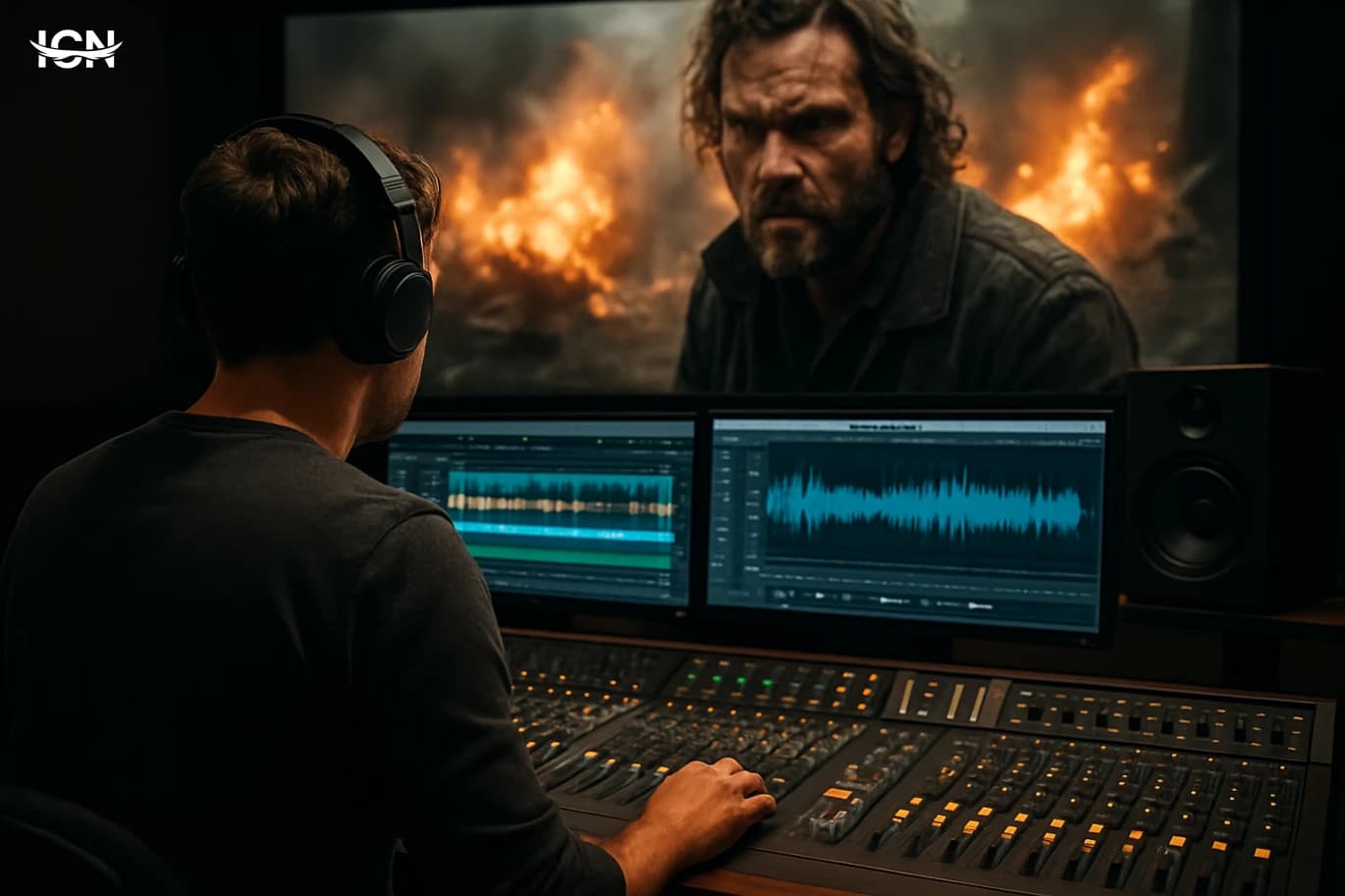
Lighting and sound in the theater is considered lighting and sound is one of the basic elements in the theater. The lighting contributes to creating an expressive atmosphere commensurate with the dramatic scene, while supporting the performance and enhancing the feelings of the audience. The overlap between them creates an impressive experience and increases the audience's interaction with the show. Filming and montage in cinema, imaging and montage is one of the main factors that determine the quality of the film. Photography gives visual beauty through different angles and techniques, while the montage becomes the link that collects the scenes in a coherent way. This integration allows the cinematologists to control the rhythm of the narration and control emotions more accurately.

Interacting with the public

Direct communication in the theater in the theater, direct communication with the audience is a key factor in creating a unique experience. Through their interaction with the audience, the actors increase the sense of participation and indulgence in the story. This reaction can include spontaneous responses from the audience or even involve them in performance, which enhances the effect of the dramatic message. The effect of technologies on the interaction in cinema for cinema, modern technologies show how the audience can be attractive effectively. The use of virtual reality and visual effects is considered one of the innovative tools that enhance the experience of viewing. By improving the quality of the show, cinematographers can make the audience feel like part of the movie, which increases their interaction and feelings towards the story.

Texts and scenario

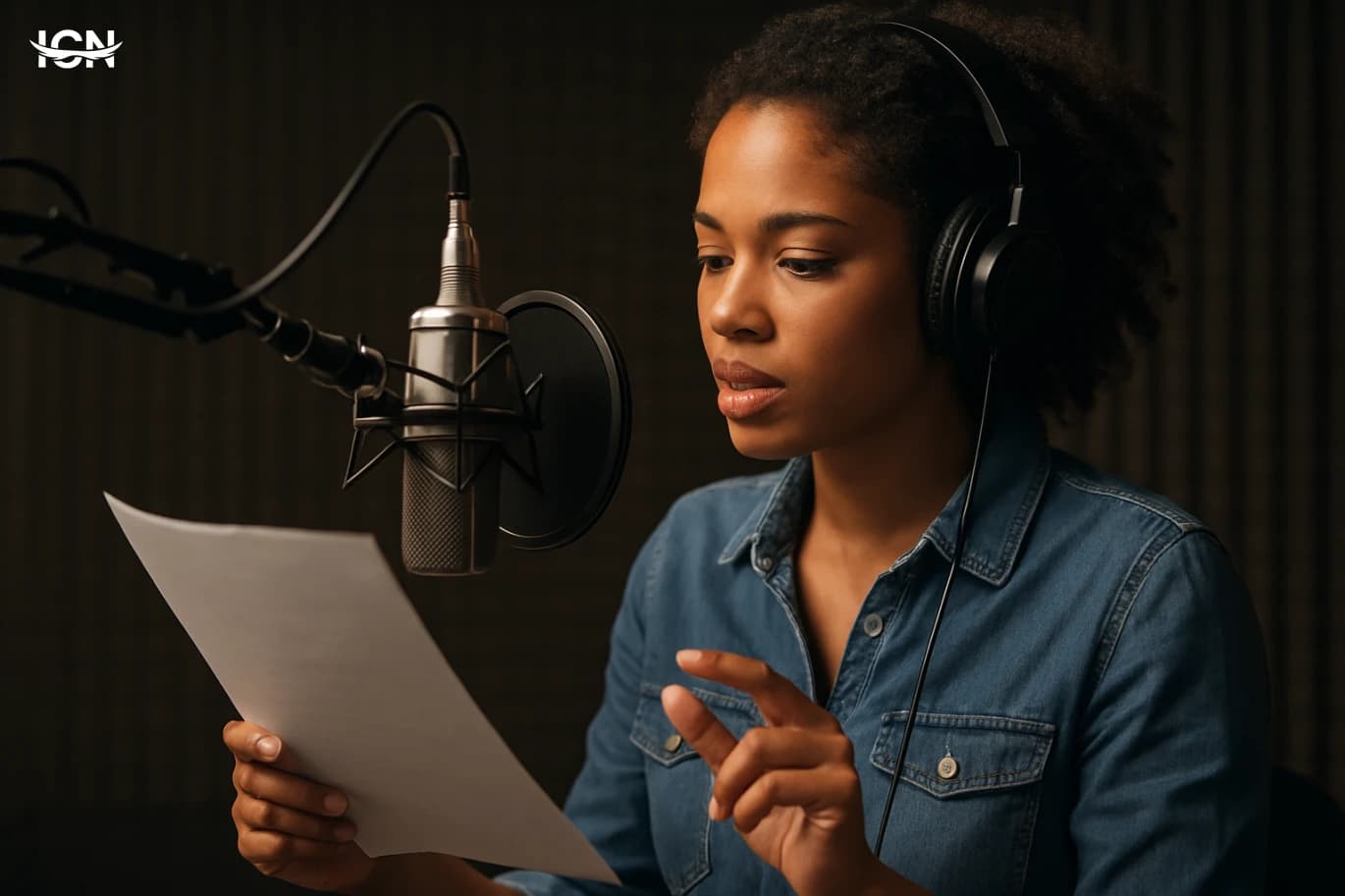
Writing theatrical texts The writing of theatrical texts is a creative process that requires a deep understanding of the dramatic structure and characters. The writer must create a realistic dialogue that attracts the audience and reflects the feelings of the characters. Also, the balance between dialogue and description is important to optimize the message. The preparation of the cinematic scenario requires writing the screenwriter special skills, as the writer must focus on the visual narration. By identifying scenes and employing output elements, the scenario can be used as a map showing how to convert the text into an amazing cinematic vision. A good scenario succeeds in attracting attention and achieving the desired impact.

* All articles published on this blog are sourced from various websites and are provided for informational purposes only. They should not be considered as confirmed studies or accurate information. Please verify the information independently before relying on it.

Similar ARTICLES

How Sound Design Shapes Modern Movie Storytelling
Sound design is the planned construction of everything we hear in a film beyond the dialogue: ambience, effects, transitions, and the way silence is used. It is not decoration; it is a storytelling system that guides attention, clarifies space, and sets expectations before the camera confirms them. A door closing can signal safety, isolation, or threat depending on its tone, distance, and reverb. A city street can feel crowded or empty based on how many layers of traffic, footsteps, and distant voices are present. Modern audiences often notice sound only when it fails, yet they constantly rely on it to understand where a scene takes place and how it should feel. Sound cues can establish time of day, weather, and location faster than a line of exposition. They also help editors connect shots that were filmed in different conditions by creating a consistent sonic environment. In contemporary cinema, where visual styles vary widely, sound design is one of the most reliable tools for keeping the story coherent and emotionally legible.
How Casting Choices Shape Modern Film Success
Casting used to be discussed mainly as an artistic choice: who “fits” a role and who can deliver the lines. In today’s film business, casting is also a strategic decision that affects financing, distribution, marketing, and even the production schedule. Producers and sales agents often evaluate a project by asking a practical question early: which names can help secure pre-sales, attract a streaming platform, or justify a theatrical release in specific territories. This does not mean artistry is secondary, but it does mean casting is frequently treated as a lever that can unlock budgets and reduce perceived risk. The shift is visible in how packages are built. A script may circulate with a short list of target actors attached to key roles, sometimes before a director is confirmed. Casting directors are asked to propose options that satisfy multiple constraints at once: performance ability, audience familiarity, availability, and the actor’s public profile. Even for smaller films, a single recognizable performer can change the conversation with investors, because it provides a clearer marketing hook and a more predictable baseline for audience interest. At the same time, casting has become more data-informed. Studios and platforms track audience behavior across genres, regions, and age groups, and they compare how different performers influence completion rates, repeat viewing, and social engagement. These metrics do not replace creative judgment, but they increasingly sit beside it. The result is a casting process that blends craft with market logic, and that blend shapes what kinds of films get made and how they are positioned to succeed.
How Sound Design Shapes Modern Movie Acting
In contemporary cinema, sound design is no longer a finishing touch added after the performances are locked. It actively influences how actors are directed, how scenes are staged, and how audiences read emotion and intention. A quiet breath captured close to the microphone can make a restrained performance feel intimate, while a wider, more distant sound perspective can make the same acting choice feel guarded or formal. This means sound is effectively collaborating with the actor, shaping the viewer’s sense of proximity, vulnerability, and focus. For filmmakers, the practical implication is that performance planning increasingly includes sonic planning. Directors and sound teams discuss not only what a character says, but what the audience should hear around the character: clothing movement, footsteps, room tone, and the subtle shifts that signal tension. When these elements are designed with intention, actors can play with smaller gestures and less explicit dialogue, trusting that the soundtrack will carry part of the story. The result is a style of acting that often looks understated on set but reads as precise and emotionally clear in the final mix.
How Casting Decisions Shape Modern Film Acting
Casting is often discussed as a marketing move, but in practice it is one of the earliest creative decisions that determines how a film will be performed on screen. A casting choice sets the baseline for tone, rhythm, and credibility before a single rehearsal begins. When a director and casting team select an actor, they are also selecting a set of instincts: how the actor listens, how they handle silence, how they react under pressure, and how they build relationships with scene partners. These elements directly affect blocking, camera distance, and even editing patterns, because performance and coverage are planned around what the actor can deliver consistently. Modern audiences are highly sensitive to authenticity, especially in dialogue-heavy scenes and intimate character moments that rely on micro-expressions. Casting therefore becomes a risk-management tool as well as an artistic one. A performer who can sustain emotional continuity across multiple takes reduces the need for excessive cutting, while an actor with strong physical control can make longer takes viable. In this sense, casting is not a separate step from directing; it is the foundation that makes a directing approach possible.
How Sound Design Shapes Modern Movie Acting
Sound design is often discussed as a technical layer added after filming, but in contemporary cinema it functions like an invisible scene partner that influences how performances are read. A slight room tone, a distant traffic bed, or the way a character’s footsteps sit in the mix can change whether an actor appears confident, anxious, or isolated. When dialogue is recorded cleanly and placed forward, the performance feels direct and controlled; when it is softened by ambience or partially masked by environmental sound, the same line can read as hesitant or private. These choices shape audience attention, guiding viewers toward micro-expressions, pauses, and breath patterns that might otherwise pass unnoticed. This topic matters because acting is not only what happens on set; it is what survives the edit and is ultimately presented through sound and image together. Modern workflows allow sound teams to sculpt perspective—how close we feel to a character—without changing a single frame. A whisper can be made intimate or distant, and a sigh can be framed as relief or exhaustion depending on surrounding frequencies and reverb. Understanding this relationship helps readers appreciate why some performances feel unusually “alive” on screen, and why others feel flattened even when the acting is strong.
How Sound Design Shapes Modern Cinema
In contemporary cinema, sound design is no longer a supporting layer added after the picture is locked; it is a core storytelling tool planned from the earliest stages. Directors and sound teams increasingly treat sound as a narrative system that guides attention, clarifies space, and shapes emotion without relying on dialogue. This shift is tied to how audiences watch films today: premium theaters with immersive audio, streaming platforms with headphones, and home setups with soundbars all make sonic detail more noticeable. A well-designed soundtrack can make a modest location feel expansive, turn a simple action into a tense sequence, or establish a character’s inner state through subtle sonic cues. Sound design also matters because modern filmmaking is visually dense. Fast cutting, complex production design, and heavy visual effects can overwhelm the eye, while sound can provide structure. A recurring tone, a carefully placed silence, or a consistent sonic texture can unify scenes that look very different. For performers, sound design can even influence how a performance is perceived: the intimacy of breath, the distance of footsteps, or the texture of a voice in a room can change the audience’s sense of vulnerability or authority. Understanding these choices helps viewers appreciate why certain films feel “alive” even when little is said.
The New Sound of Film Dialogue
Many viewers say modern films feel harder to understand, even when the story is clear. The shift is not only about actors “mumbling.” It is also about how contemporary productions balance dialogue against music, ambience, and effects, and how that balance changes across theaters, living rooms, and phones. In recent years, filmmakers have leaned into more naturalistic performances, with softer delivery and less theatrical projection. At the same time, soundtracks have become denser, with layered atmospheres, bigger low-end energy, and more frequent music cues that sit close to the vocal range. The result can be a narrower margin for intelligibility if the mix is not carefully managed. Another factor is where films are watched. A mix that feels clear in a calibrated cinema can become muddy on a TV with small speakers, or on a laptop in a noisy room. Streaming platforms also apply loudness normalization, which can change perceived dynamics and make dialogue feel less forward. Subtitles have become a common coping tool, but they also change the way audiences experience performance. Understanding why dialogue sounds different now requires looking at creative choices, technical workflows, and the realities of modern distribution.
How Casting Choices Shape a Film’s Impact
Casting is often described as a logistical step, but in practice it is one of the earliest creative decisions that determines how a film will be read by audiences. A screenplay can suggest age, background, energy, and rhythm, yet the actor’s presence turns those notes into something specific: a voice texture, a physical tempo, and a believable emotional range. When casting aligns with the story’s needs, scenes require fewer explanations because the audience accepts the character quickly. When casting is misaligned, the film may compensate with extra dialogue, heavier exposition, or more editing to force clarity. The impact is measurable in how viewers interpret motivation. A performer known for comedic timing can make a serious line feel ironic, while an actor associated with intense roles can raise the perceived stakes even in quiet scenes. Directors and producers consider these associations because they influence marketing, festival positioning, and even the tone of trailers. Casting also affects collaboration on set: some actors thrive on improvisation, others on precise blocking, and that preference can shape how scenes are staged and how much coverage is needed. In contemporary cinema, casting decisions are also tied to practical constraints such as schedules, insurance requirements, and international sales. A recognizable name can unlock financing, but it can also impose expectations that narrow the film’s tone. The most effective casting strategies balance creative fit with production realities, ensuring that the actor supports the film’s intent rather than redirecting it.
How Sound Design Shapes Modern Film Acting
Sound design is often discussed as a technical layer added after filming, but in contemporary cinema it increasingly functions like an invisible scene partner. The choices made in ambience, room tone, proximity, and sonic perspective can change how an actor’s performance is read. A restrained delivery can feel intimate when the microphone perspective is close and the background is controlled; the same delivery can feel distant or uncertain when the space is louder and the voice sits further back in the mix. This matters because audiences do not separate performance from the environment. A character’s confidence, fatigue, or anxiety is interpreted through the combined signal of voice, breath, footsteps, clothing movement, and the acoustic character of the location. When sound teams shape these elements, they are effectively shaping performance perception. In many productions, actors also adapt their choices based on what they hear on set or in playback, especially in dialogue-heavy scenes where pacing and pauses are as important as the words. The most revealing examples are not necessarily loud action sequences, but quiet scenes where the emotional information is carried by subtle vocal texture and micro-movements. A slight tremor, a swallowed breath, or a controlled exhale can become the key narrative detail when the sound design makes room for it. The result is a performance that feels more precise, even if the actor’s physical choices remain unchanged.
How Casting Directors Shape Modern Films
Casting is often described as a logistical step, but in contemporary cinema it functions as a creative department with measurable impact on tone, pacing, and audience trust. A casting director translates the script’s character intentions into a shortlist of performers whose skills match the film’s style, whether that style relies on naturalism, heightened comedy, or precise physical performance. This work begins long before auditions: breaking down the script, mapping character arcs, and identifying which roles must carry emotional weight versus those that provide rhythm and contrast. The casting plan also considers how faces, voices, and on-screen energy interact across the ensemble, because chemistry is not accidental; it is designed through pairings and tested combinations. In practice, a strong casting approach can reduce reshoots, improve scene clarity, and help directors maintain consistent performance language across the film. The result is not simply “finding actors,” but building a coherent human system that supports the story’s credibility from the first frame to the last.
By clicking the SUBSCRIBE button, you are agreeing to our Privacy & Cookie Policy If you want to unsubsribe the marketing email, please proceed to our privacy center.
© 2005-2026 ICN. All Rights Reserved.