How Casting Choices Shape a Film’s Impact

- Why Casting Is a Creative Decision
- Reading a Script Through Casting
- Star Power Versus Character Fit
- Chemistry, Ensemble Balance, and Screen Time
- Casting and the Camera’s Point of View
- What Audiences Notice and What They Don’t
Why Casting Is a Creative Decision
Casting is often described as a logistical step, but in practice it is one of the earliest creative decisions that determines how a film will be read by audiences. A screenplay can suggest age, background, energy, and rhythm, yet the actor’s presence turns those notes into something specific: a voice texture, a physical tempo, and a believable emotional range. When casting aligns with the story’s needs, scenes require fewer explanations because the audience accepts the character quickly. When casting is misaligned, the film may compensate with extra dialogue, heavier exposition, or more editing to force clarity. The impact is measurable in how viewers interpret motivation. A performer known for comedic timing can make a serious line feel ironic, while an actor associated with intense roles can raise the perceived stakes even in quiet scenes. Directors and producers consider these associations because they influence marketing, festival positioning, and even the tone of trailers. Casting also affects collaboration on set: some actors thrive on improvisation, others on precise blocking, and that preference can shape how scenes are staged and how much coverage is needed. In contemporary cinema, casting decisions are also tied to practical constraints such as schedules, insurance requirements, and international sales. A recognizable name can unlock financing, but it can also impose expectations that narrow the film’s tone. The most effective casting strategies balance creative fit with production realities, ensuring that the actor supports the film’s intent rather than redirecting it.
Reading a Script Through Casting
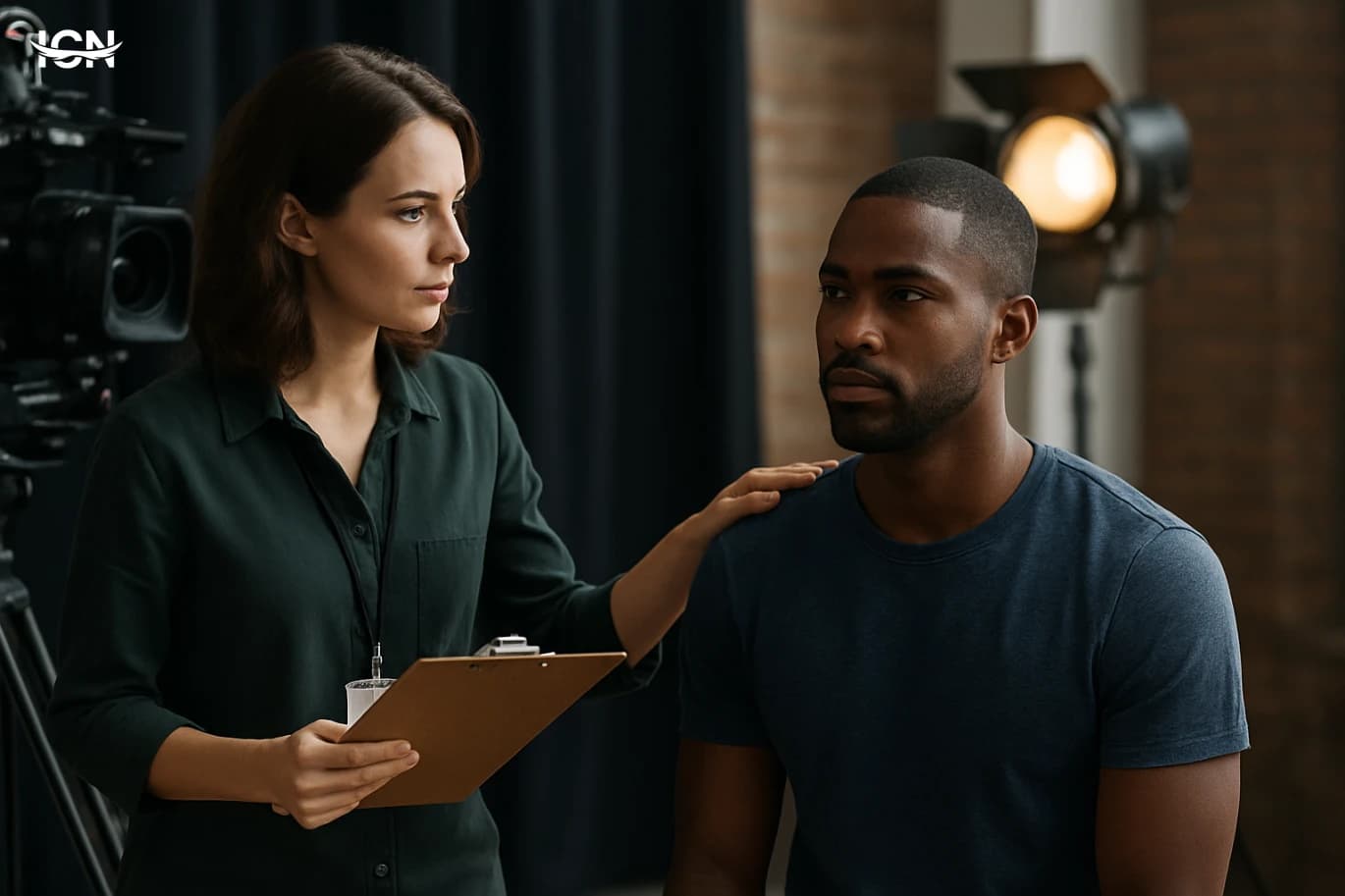
Professional casting begins with a script breakdown that treats characters as functions within the story, not just names on a page. Casting directors identify what each role must accomplish: who drives the plot, who reveals information, who provides contrast, and who anchors the emotional arc. They also map relationships, because chemistry is rarely accidental. A strong pairing can make a simple exchange feel layered, while a weak pairing can flatten even well-written dialogue. A key part of this process is defining non-negotiables versus flexible traits. For example, a character might require a specific skill such as singing, dancing, or speaking a particular language, while other traits like age range or physicality can be adjusted if the performance is exceptional. This flexibility is where many films find their most memorable choices. Casting teams also consider how the actor will handle the film’s style: naturalistic drama, heightened comedy, period dialogue, or stylized movement all demand different tools. Auditions and self-tapes are evaluated for more than accuracy. Casting professionals look for listening, timing, and the ability to shift intention within a scene. They may test multiple scene partners to see how the actor adapts. In larger productions, screen tests can include wardrobe, makeup, and camera setups to confirm that the performer reads correctly on the chosen lenses and lighting approach. The goal is to reduce surprises later, when reshoots are expensive and schedule changes ripple across the entire production.
Star Power Versus Character Fit
The tension between casting a well-known star and choosing the best character fit is a recurring issue in cinema. Stars bring visibility, media coverage, and often stronger distribution opportunities. For independent films, attaching a recognizable actor can be the difference between a project moving forward or stalling. However, star power can also reshape the story. Scripts may be rewritten to match the star’s established persona, and supporting roles may be adjusted to protect the lead’s screen image. Character fit focuses on whether the performer can inhabit the role without the audience constantly thinking about the actor’s previous work. This is not an argument against famous actors; many stars are highly versatile. The question is whether the film benefits from familiarity or needs the audience to meet the character with fewer preconceptions. In a mystery, for instance, a highly recognizable face can unintentionally signal narrative outcomes, while in a romantic comedy the same familiarity can create immediate comfort and speed up the emotional buy-in. Producers often manage this trade-off through ensemble casting. A film might place a star in one anchor role while surrounding them with less familiar performers who bring freshness and specificity. Another approach is counter-casting, where a star is chosen specifically to challenge expectations, but this requires careful direction and marketing so the audience understands the intended shift. The most successful decisions treat casting as a storytelling tool, not only a sales strategy.
Chemistry, Ensemble Balance, and Screen Time
Chemistry is frequently treated as an intangible quality, but productions can test it in structured ways. Pair readings, improvisation prompts, and scene variations reveal whether actors share timing and whether conflict or intimacy reads as credible without forcing it. In ensemble films, chemistry extends beyond pairs to group dynamics. A cast may include performers with different training backgrounds—stage, television, comedy clubs—and the director must ensure that styles do not clash on screen. Balance is also about screen time and narrative weight. If a supporting actor delivers a standout performance, the film may feel uneven if the script does not give that character enough resolution. Conversely, if a lead performance lacks specificity, the film may lean too heavily on secondary characters to maintain interest. Casting can anticipate these risks by selecting performers whose energy matches the intended hierarchy of the story. Practical decisions matter here. Scheduling constraints can limit rehearsal time, which makes chemistry harder to build. Some productions invest in table reads, movement workshops, or short rehearsal blocks to align performance choices. Others rely on casting actors who have worked together before, reducing uncertainty. The audience may not know these behind-the-scenes choices, but they often feel the result as a sense of cohesion, clarity, and consistent tone.
Casting and the Camera’s Point of View
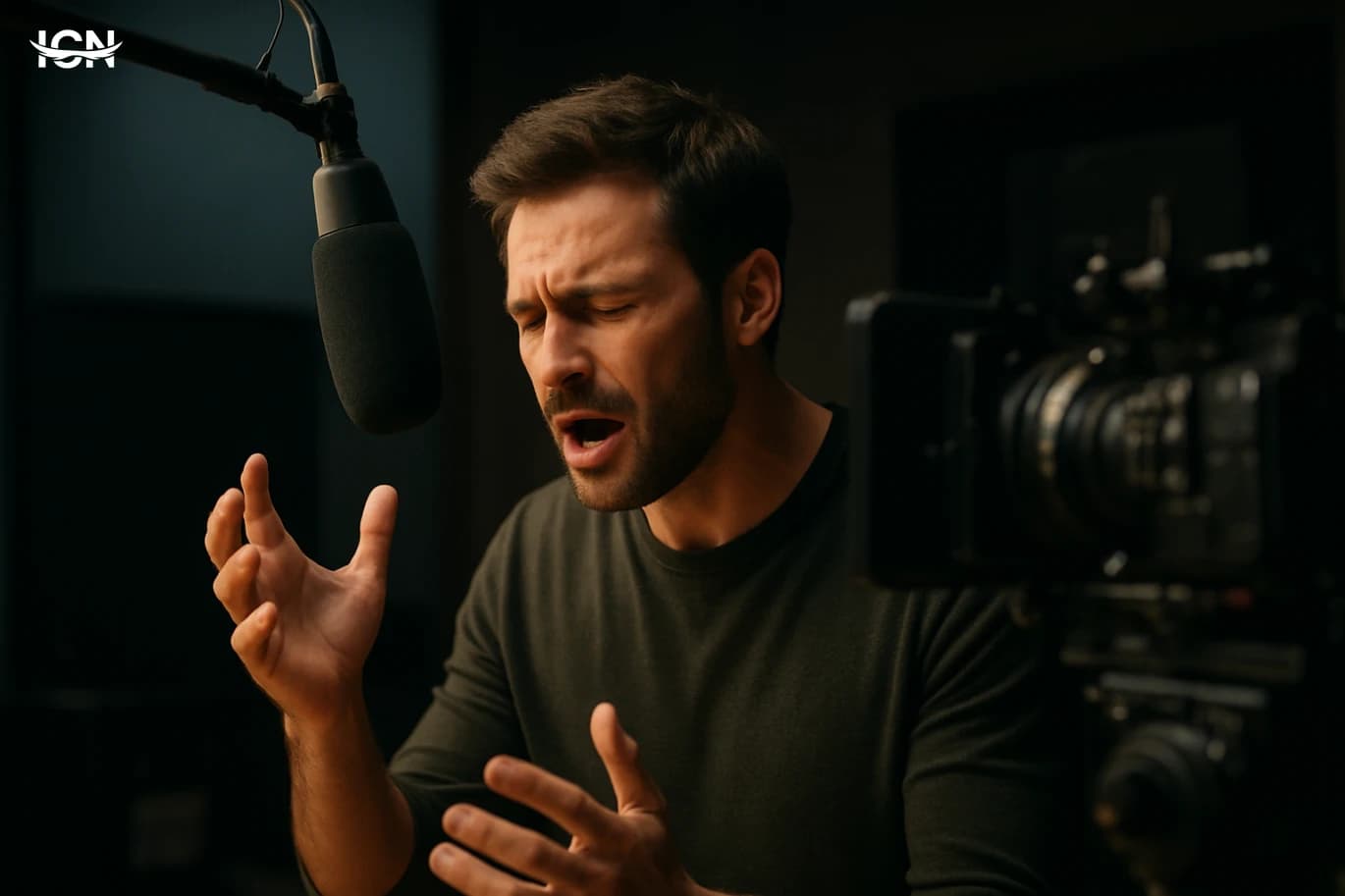
Casting decisions are inseparable from how the film will be shot. Some performers project strongly in close-ups, where micro-expressions carry meaning, while others excel in wider frames that emphasize posture, movement, and spatial relationships. A director of photography may prefer certain facial structures for specific lighting approaches, but the larger issue is how performance and camera language reinforce each other. Genre and format influence this relationship. A single-location drama with long takes requires actors who can sustain tension without frequent cuts. A fast-paced action-comedy depends on precise timing and physical control, even when the camera is moving. Period films often demand disciplined speech patterns and an ability to carry costumes naturally, because wardrobe and props can restrict movement. In musical or dance-driven projects, casting must account for stamina, rhythm, and the ability to repeat choreography consistently across multiple takes. Sound is part of the equation as well. Voice clarity, accent control, and breath management affect how dialogue sits in the mix. Some actors are adept at maintaining consistent volume and diction under difficult conditions, such as outdoor shoots or scenes with complex blocking. When casting aligns with the film’s visual and audio plan, the production gains efficiency and the final cut feels intentional rather than assembled from compromises.
What Audiences Notice and What They Don’t
Audiences rarely analyze casting in technical terms, but they respond to its outcomes immediately. They notice whether a character feels authentic, whether relationships seem believable, and whether the film’s tone stays consistent from scene to scene. They also notice when a performance pulls focus in the wrong way—through mismatched energy, unclear intention, or a style that belongs to a different film. What viewers often do not see is how many alternatives were considered. A role may have been tested with dozens of actors, with different age ranges, accents, and performance styles. The final choice reflects not only talent but also the film’s overall balance: how each actor supports pacing, how they interact with the camera, and how they fit within the production’s constraints. Even small roles can matter, because a single scene can establish credibility for a workplace, a family, or a community. For readers who want to watch films more closely, casting can be observed through specific questions: Does the actor’s presence clarify the character’s goal? Do scene partners elevate each other’s choices? Does the performance style match the film’s editing rhythm and visual approach? These are practical ways to understand why some films feel effortless while others feel strained, even when the script premise is strong. In the end, casting is one of the most influential forms of storytelling that happens before the camera ever rolls.