Saudi Founding Day in Focus
- What the Day Marks
- Historical Context and Timeline
- How It Is Celebrated Today
- Diriyah and Heritage Sites
- Identity, Education, and Media
- Practical Ways to Participate
What the Day Marks
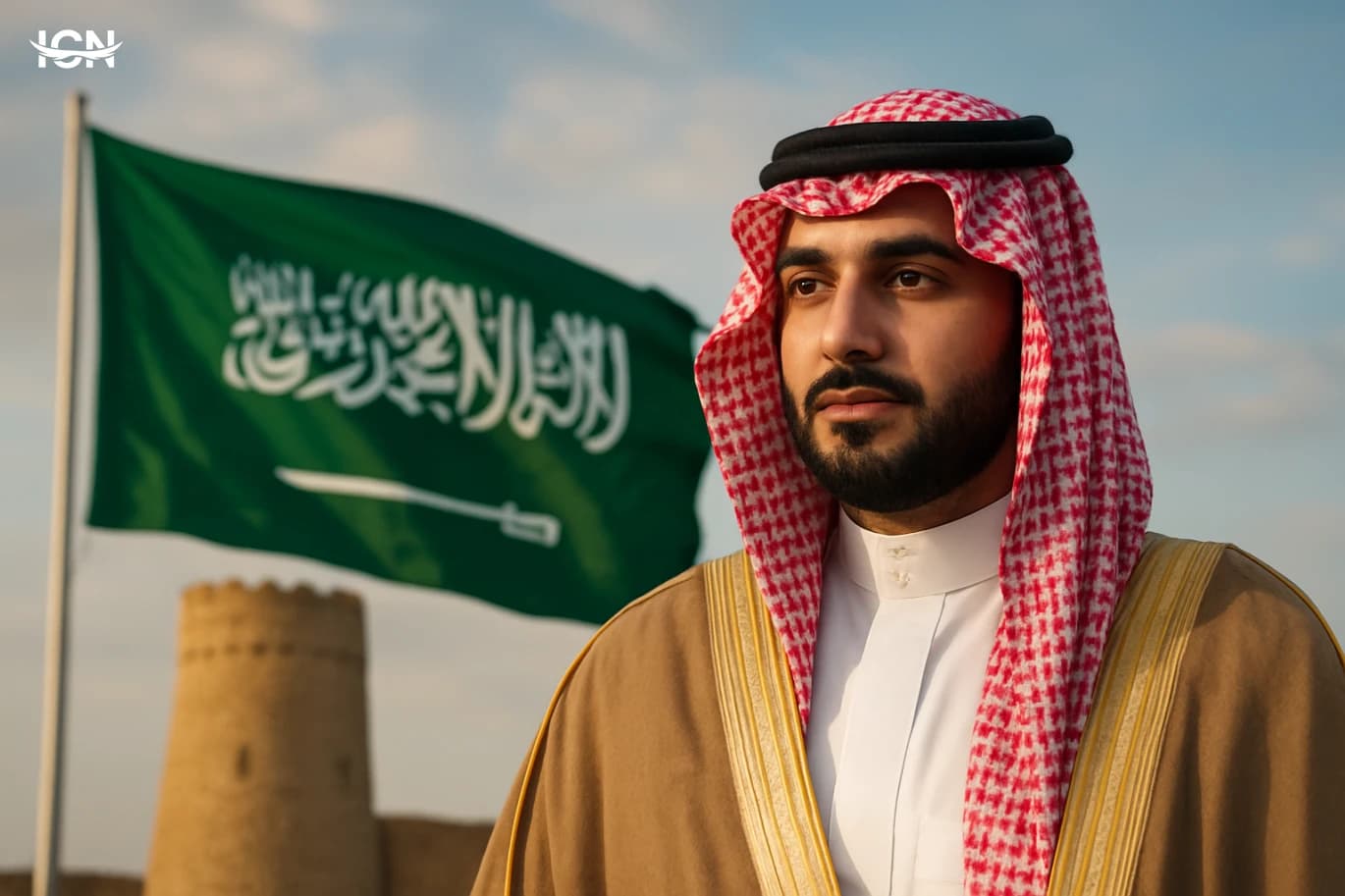
Saudi Founding Day is observed on 22 February and commemorates the establishment of the First Saudi State in 1727 under Imam Muhammad bin Saud in Diriyah. The day is distinct from Saudi National Day, which falls on 23 September and marks the unification of the Kingdom in 1932 under King Abdulaziz. By separating the two occasions, the calendar highlights two different historical milestones: the early formation of political authority and institutions in central Arabia, and the later consolidation of the modern state. The official framing of Founding Day emphasizes continuity in governance, social cohesion, and the development of a political center in Diriyah. Public messaging often connects the date to themes of identity, heritage, and the roots of state-building. In practice, the day has become a platform for educational content, cultural programming, and public participation, with many institutions using it to explain historical timelines and the evolution of administrative and social structures over nearly three centuries.
Historical Context and Timeline
The First Saudi State emerged in a period when central Arabia was characterized by local emirates, tribal alliances, and shifting economic routes. Diriyah’s rise as a political center was linked to its location in Wadi Hanifa, its agricultural base, and its ability to build alliances that supported stability. The early state developed governance practices that aimed to secure trade, manage local disputes, and establish a recognizable authority across surrounding areas. Across the 18th and early 19th centuries, the state expanded its influence, which brought it into conflict with regional powers. The First Saudi State ended in 1818 after military campaigns led by Ibrahim Pasha. The Second Saudi State was established in 1824, centered in Riyadh, and lasted until 1891 amid internal competition and external pressures. The modern Kingdom was later founded by King Abdulaziz, who recaptured Riyadh in 1902 and continued a multi-decade process of unification culminating in 1932. Founding Day focuses specifically on the 1727 starting point, but public programming often uses it to explain the broader arc of state formation and resilience across these phases.
How It Is Celebrated Today
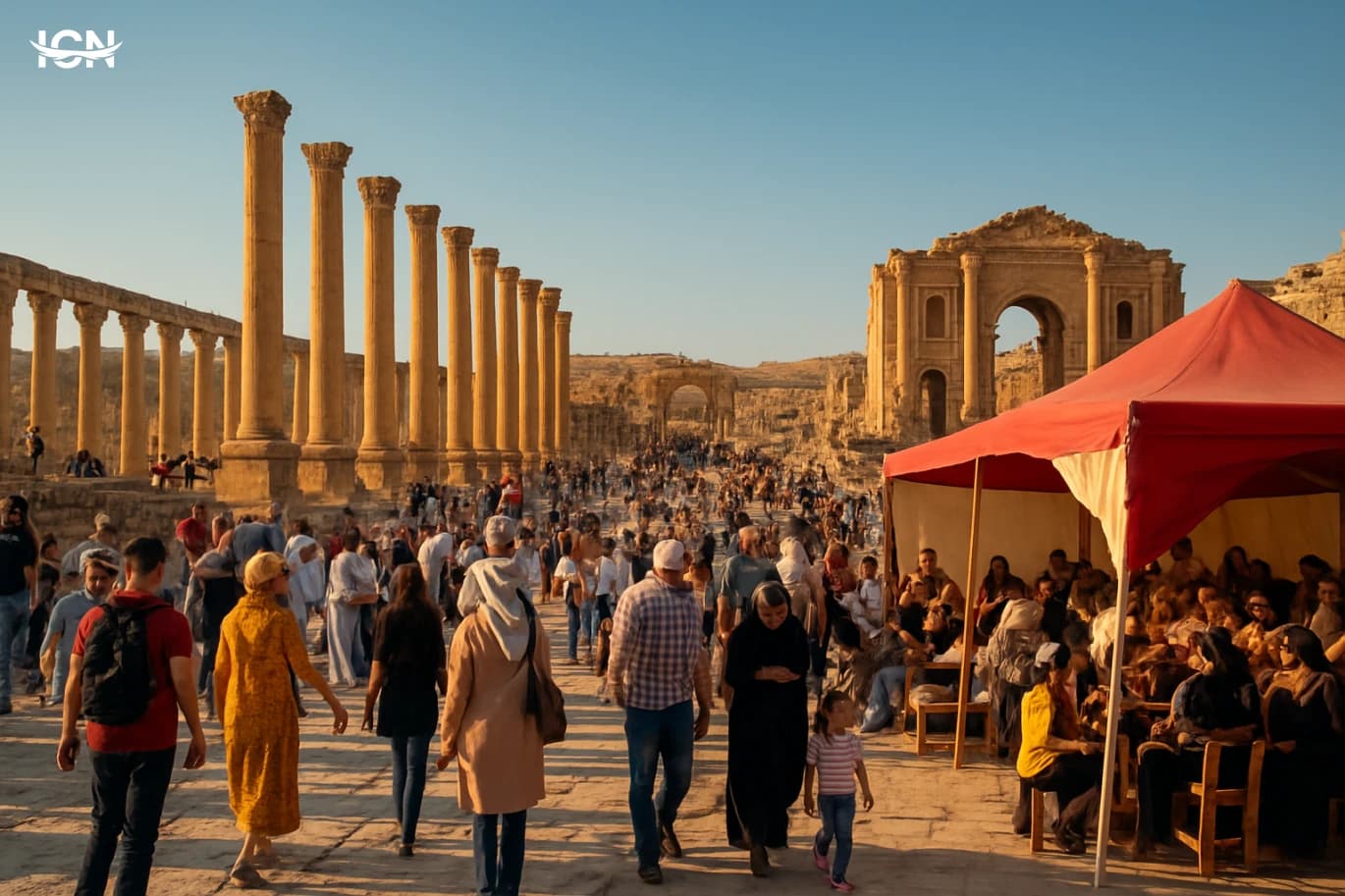
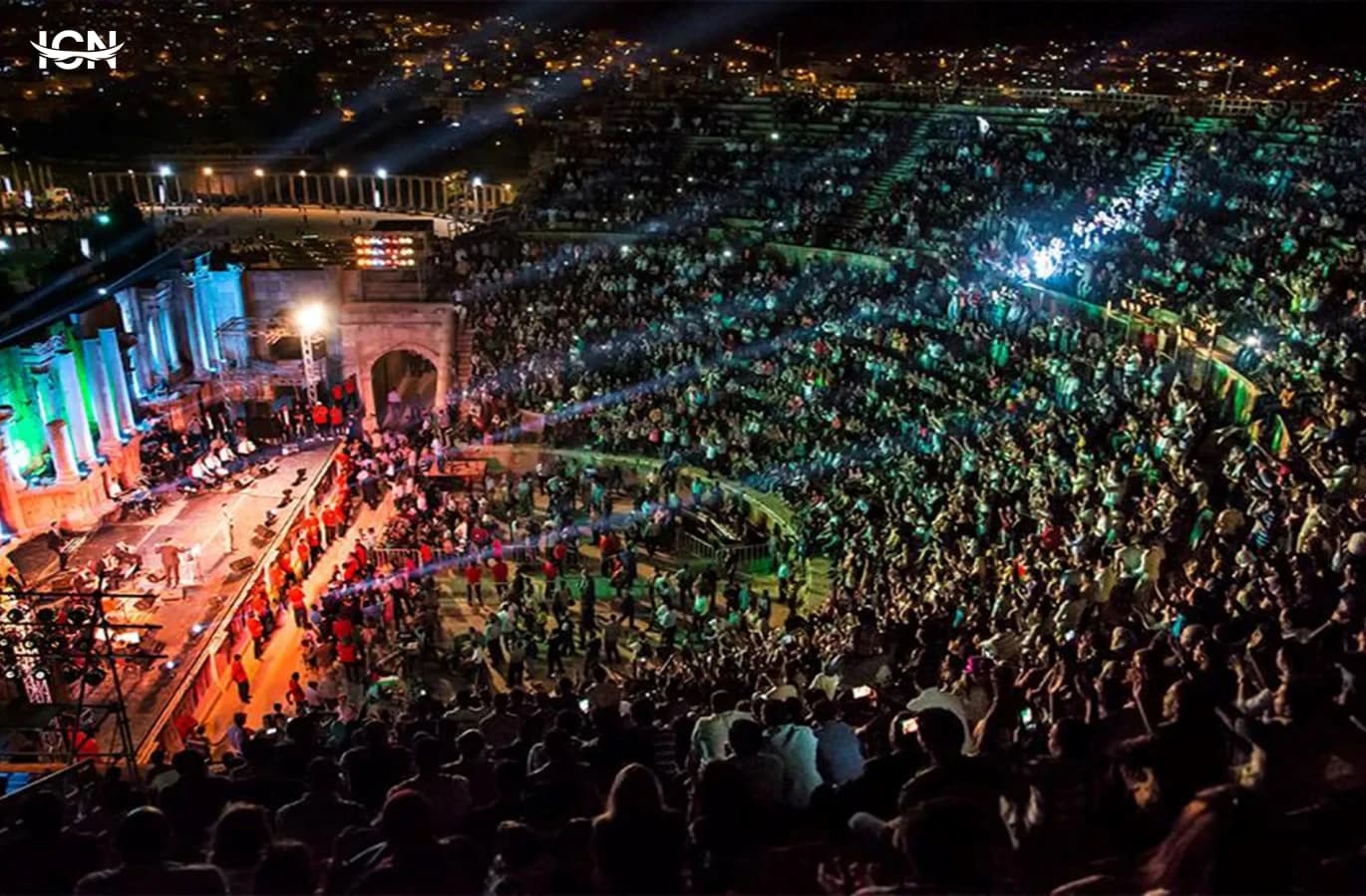
Founding Day has quickly developed a recognizable public presence through cultural events, heritage exhibitions, and community activities. Across major cities, programs often include traditional music performances, poetry evenings, craft markets, and displays of regional attire. Museums and cultural centers typically curate exhibitions that present artifacts, documents, and narratives about Diriyah and early state institutions, while schools and universities organize lectures and student projects focused on historical research and local heritage. The day also has a strong visual identity in public spaces and media, with branding that references historical motifs and the diversity of Saudi regions. Many families use the holiday to visit heritage sites, attend open-air events, or participate in activities that highlight crafts such as weaving, pottery, and traditional culinary practices. For businesses, the period can bring increased retail activity and tourism demand, especially in destinations linked to early Saudi history. The overall pattern of celebration blends official ceremonies with community-led participation, making the day both educational and socially visible.
Diriyah and Heritage Sites
Diriyah occupies a central place in Founding Day narratives because it was the political and social hub of the First Saudi State. Today, the At-Turaif district in Diriyah is widely referenced as a key heritage landmark, and it is frequently used in educational materials and cultural programming during the holiday period. Heritage preservation efforts in Diriyah have also made it a focal point for domestic tourism, with visitors seeking to understand the built environment, settlement patterns, and architectural styles associated with the era. Beyond Diriyah, Founding Day encourages attention to regional heritage across the Kingdom. Many local municipalities and cultural groups use the occasion to highlight historic neighborhoods, forts, markets, and oral histories that reflect local experiences of state formation and social change. This broader approach helps prevent the holiday from being limited to a single location, instead presenting the founding period as part of a wider national story that includes different regions, dialects, and cultural practices.
Identity, Education, and Media
A major function of Founding Day is educational: it provides a fixed annual moment for institutions to present historical content in accessible formats. Schools may assign projects on local history, while libraries and cultural organizations host talks that explain key figures, governance structures, and the economic conditions of the period. Media outlets typically publish features that clarify the difference between Founding Day and National Day, and they often include timelines, interviews with historians, and reports from heritage events. The holiday also shapes contemporary identity discussions by emphasizing long-term continuity rather than focusing only on modern statehood. This framing can be seen in the way public campaigns highlight regional diversity within a shared national narrative. For many citizens, the day becomes an opportunity to connect family stories and local traditions to a larger historical context. Over time, the consistency of annual observance can influence how historical knowledge is distributed, moving it beyond textbooks into public life through exhibitions, documentaries, and community programming.
Practical Ways to Participate
Participation in Founding Day does not require formal attendance at official events. Many people start by visiting a local museum or a heritage exhibition to gain a clearer understanding of the founding period and the role of Diriyah. Families can also use the holiday to explore historic districts in their own cities, where guided walks and municipal programs may be available. Reading curated timelines, watching reputable documentaries, or attending public lectures are practical options for those who prefer quieter engagement. For community groups and workplaces, the day can be marked through structured activities such as hosting a short talk by a local historian, organizing a small exhibition of traditional crafts, or inviting employees and students to share regional customs and foods in a respectful, informative setting. The most effective participation tends to be specific and evidence-based: focusing on verified dates, clear historical context, and authentic cultural practices rather than generic slogans. This approach helps keep the holiday meaningful and supports a broader public understanding of Saudi history.