World Camera Day and Its Journey
- Why World Camera Day Matters
- From Camera Obscura to Early Photography
- Film, Portability, and Mass Adoption
- Digital Sensors and the New Workflow
- Smartphones, Social Sharing, and Computational Imaging
- How to Celebrate with Better Photos
Why World Camera Day Matters
World Camera Day is a practical reminder of how photography moved from a specialist craft into a daily habit. The camera is no longer just a device for artists or journalists; it is a tool used in education, business, travel, and personal documentation. On this day, many communities and brands highlight workshops, photo walks, and exhibitions that encourage people to look more carefully at their surroundings and to preserve moments with intention. The celebration also draws attention to the camera’s role in recording history. Families rely on photos to build personal archives, while institutions use images to document events, products, and public life. At the same time, the day is an opportunity to discuss responsible image-making: accuracy in captions, respect for privacy, and the difference between documenting reality and staging it. These themes connect directly to the camera’s evolution, because every technical leap has changed what people can capture, how quickly they can share it, and how widely images can circulate.
From Camera Obscura to Early Photography
Long before modern cameras, the camera obscura demonstrated the core idea of imaging: light passing through a small opening projects an inverted scene onto a surface. Artists and scientists used this principle to study perspective and to assist drawing. The turning point came when inventors began searching for a way to fix that projected image permanently. In the 19th century, early photographic processes made that possible. Nicéphore Niépce produced one of the earliest surviving photographs using a long exposure on a light-sensitive surface. Louis Daguerre later introduced the daguerreotype, which created detailed images on metal plates and helped popularize photography, even though the process required careful handling and did not produce easy duplicates. Around the same period, other methods such as the calotype enabled paper negatives, making multiple prints possible and laying groundwork for photography as a reproducible medium. These early systems were slow, expensive, and demanding. Exposure times could be long, equipment was bulky, and chemical preparation required skill. Yet they established the basic workflow that would dominate for decades: control light, expose a sensitive material, then develop and fix the image. The camera’s evolution from this stage is largely a story of making that workflow faster, safer, cheaper, and more accessible.
Film, Portability, and Mass Adoption
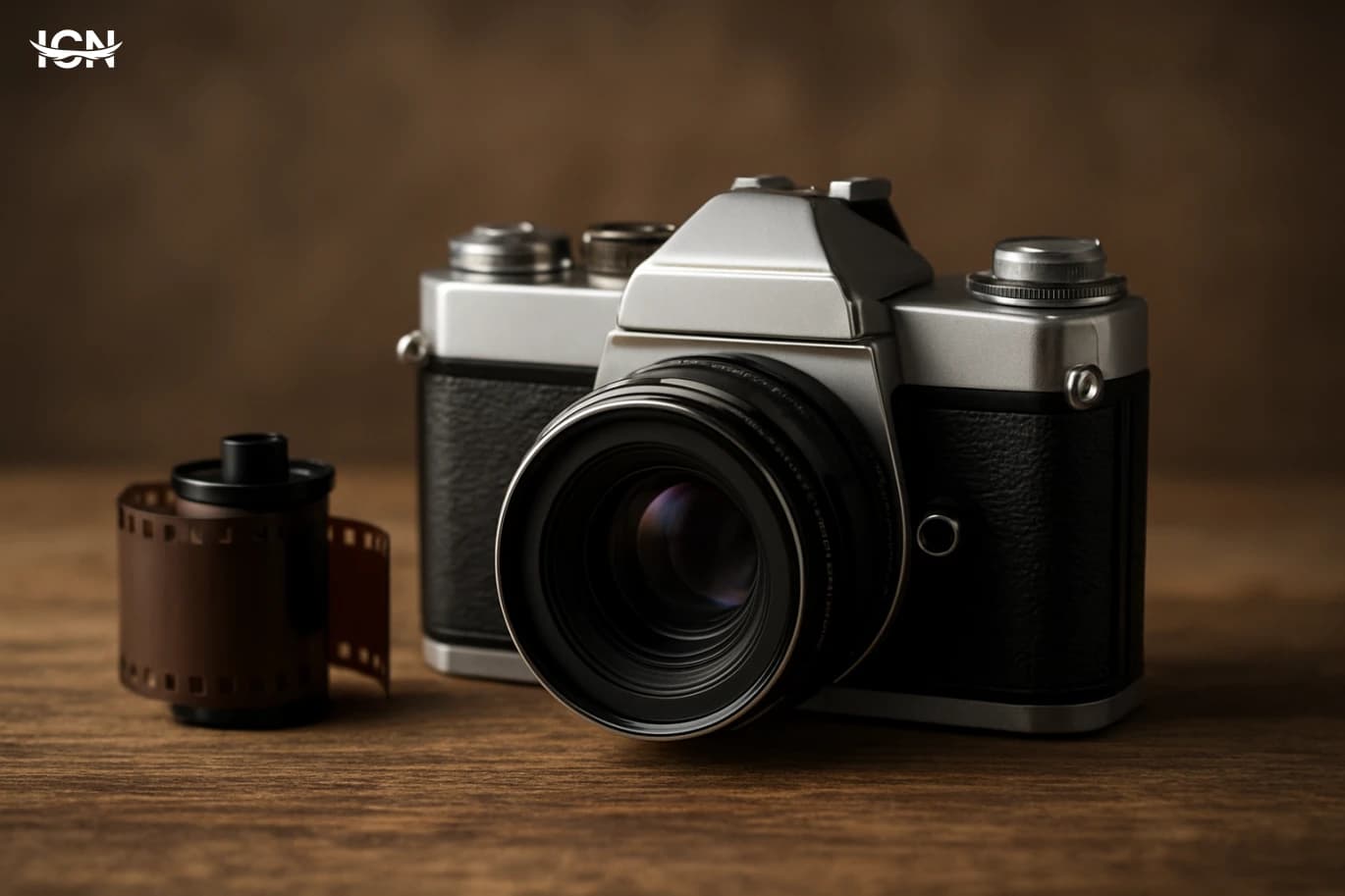
Photography changed dramatically when film replaced plates and cameras became portable. Flexible roll film reduced complexity and allowed more exposures without changing heavy materials. This shift supported the rise of consumer cameras and made photography a common activity rather than an occasional studio event. Companies built ecosystems around film, processing, and printing, creating a predictable path from shooting to physical photos. As cameras became smaller, new genres expanded. Travel photography grew with lighter gear; family albums became a widespread tradition; and photojournalism benefited from faster handling and improved lenses. Over time, film stocks diversified, offering different sensitivities for low light, finer grain for detail, and color options that changed how people recorded everyday life. Instant photography later added another layer of convenience by producing prints within minutes, reinforcing the idea that images could be both immediate and shareable in physical form. Despite these advances, film still required a delay between capture and results. Users had to finish a roll, send it for processing, and wait. That waiting period shaped habits: people planned shots, conserved frames, and accepted that mistakes might only be discovered later. The next major leap would remove that delay and turn photography into a feedback-driven process.
Digital Sensors and the New Workflow
Digital photography replaced chemical development with electronic sensors and data. Instead of exposing film, cameras capture light on a sensor and convert it into a digital file. This change transformed the entire workflow: photographers could review images instantly, adjust settings on the spot, and store thousands of photos on memory cards. The cost per additional shot dropped sharply, encouraging experimentation and increasing the volume of images people produce. Digital also reshaped editing. Software made it possible to correct exposure, adjust color, and crop with precision, turning post-production into a standard step for professionals and a common option for casual users. File formats and compression introduced new considerations, such as balancing quality with storage and choosing settings appropriate for printing or online sharing. At the same time, digital archiving created responsibilities: backups, file organization, and long-term preservation became essential to avoid losing personal or institutional photo histories. The digital era accelerated innovation in autofocus, image stabilization, and low-light performance. Cameras became smarter and more reliable in challenging conditions, expanding what could be captured without specialized equipment. This period set the stage for the most influential shift in everyday photography: the camera moving into the smartphone.
Smartphones, Social Sharing, and Computational Imaging
Smartphones turned the camera into an always-available tool. The combination of a connected device, built-in editing, and instant sharing changed why people take photos and how quickly images move. Photography became tightly linked to communication: updates, product listings, event coverage, and educational content can be created and published in minutes. A key driver of smartphone quality is computational imaging. Instead of relying only on optics and a single exposure, phones often combine multiple frames, apply noise reduction, expand dynamic range, and simulate depth effects. Features like night modes, portrait separation, and automatic scene recognition are largely software-led. This approach helped small sensors compete with larger cameras in many everyday situations, especially in mixed lighting. The smartphone era also introduced new challenges. The speed of sharing increases the risk of misinformation through miscaptioned images, and heavy filtering can blur the line between documentation and stylization. Storage and privacy are constant concerns, with photos synced across devices and cloud services. World Camera Day is a timely moment to reflect on these realities and to encourage habits such as verifying context, keeping organized backups, and asking permission when photographing others in private settings.
How to Celebrate with Better Photos
Celebrating World Camera Day can be as simple as practicing a few skills that improve results regardless of device. Start with light: shoot near windows, avoid harsh midday sun when possible, and pay attention to the direction of illumination on faces and objects. Composition is the next step; keep backgrounds clean, align horizons, and try different distances before pressing the shutter. These habits reduce the need for heavy editing later. For those using dedicated cameras, revisiting fundamentals makes a difference. Use a moderate ISO when light allows, choose shutter speeds that prevent blur for moving subjects, and learn how autofocus modes behave in different scenes. For smartphone users, clean the lens, lock exposure when needed, and use grid lines to keep framing consistent. In both cases, take a moment to review the image and reshoot if necessary; the biggest advantage of modern cameras is immediate feedback. Finally, treat photos as an archive. Create a simple folder structure by year and event, keep at least one backup, and add basic captions for important images. World Camera Day is not only about celebrating technology; it is about preserving clear, accurate records of people, places, and work in a way that remains useful years later.