App Logo

Download Our App

Shop your way

logologo
Image

royal canin

12/30/2024By: ICN
royal canin

the introduction

Royal Canin History Royal Canin was founded in 1968 by a veterinarian named Jean Rafie, who sought to meet the specific needs of pets. The company grew rapidly thanks to its focus on providing high-quality food that is suitable for the health of the animal. Over time, Royal Canin has become a globally recognized brand in the field of animal nutrition. Royal Canin Company Principles Royal Canin Company principles are based on innovation and scientific research. It focuses on providing nutritional solutions tailored to each breed and type of pet, reflecting its commitment to improving the quality of life of animals. The company is also keen on transparency in its nutritional requirements and providing accurate information to consumers, which enhances confidence in its brand.

Food chain

Royal Canin Product Ranges Royal Canin offers a wide range of products that cover the different nutritional needs of each breed and type of pet. These ranges include food for dogs and cats, with an emphasis on nutritional balance and natural ingredients. Thus, pet owners can choose the most suitable food based on their animals’ unique needs. Food Care Royal Canin attaches great importance to preparing food that meets quality and health safety standards. All products comply with strict standards to ensure that they provide rich and simple nutrition in composition. This care reflects a great passion for improving the health and well-being of pets, which enhances the brand’s reputation in the field of nutrition.

Research and Development

The importance of research Research and development is an essential part of Royal Canin’s strategy, helping to improve food recipes and ensure they are tailored to the needs of pets. By continually studying the nutritional behaviour and biological changes in animals, the brand is able to deliver improved and effective products. Food development techniques Royal Canin uses advanced techniques in food development, such as ingredient analysis and clinical trials. These processes help the team innovate and ensure that each product contributes to the health and well-being of pets. This focus on quality sets Royal Canin apart in the nutrition market.

Food products

Royal Canin Product Range Royal Canin offers a wide range of nutritional products specifically designed to meet the needs of different types of pets. These products include foods for cats and dogs, as well as options for animals with specific health conditions. This variety ensures that the needs of all customers are met. Ingredients and Benefits Royal Canin products are made from high-quality ingredients, carefully selected to provide health benefits for your pet. These foods contain balanced nutrients that support overall health and enhance nutritional effectiveness, which contributes to improving the quality of life of your pet and enhancing its well-being.

health care

Care Instructions Health care is an important part of providing a healthy and happy life for pets. Pet owners should take care to conduct regular check-ups, provide the necessary veterinary care, and ensure that vaccinations are on time. It is also recommended to provide a balanced diet and maintain general hygiene to ensure the health and safety of the animal. The role of nutrition in health Nutrition plays a crucial role in the health of pets. High-quality foods such as Royal Canin products provide the necessary nutrients that support growth and development. Proper nutrition strengthens the immune system, helps prevent diseases, and contributes to improving activity and energy levels.

* All articles published on this blog are sourced from various websites and are provided for informational purposes only. They should not be considered as confirmed studies or accurate information. Please verify the information independently before relying on it.

Similar ARTICLES

Animals as Quiet Engineers of Nature
Environmental balance is not a fixed state; it is a moving system that depends on countless daily interactions among living organisms. Animals are central to that system because they connect food webs, move nutrients, and regulate population sizes. When a grazing animal feeds, it changes plant growth patterns and creates space for other species. When predators hunt, they prevent a single species from dominating an area and exhausting resources. Even small animals such as insects and soil invertebrates influence how quickly organic matter breaks down and returns to the soil. What makes animals especially important is that their roles are often indirect. A bird that eats fruit is also transporting seeds to new places. A bat that feeds at night is also supporting plant reproduction by pollinating flowers. A fish that stirs sediment is also influencing water clarity and oxygen levels. These functions are not “extra”; they are part of how ecosystems keep producing clean water, fertile soil, and stable habitats. Understanding animals as active components of ecological infrastructure helps explain why biodiversity loss can create problems that appear far from the original cause.
City Cat Enrichment That Actually Works
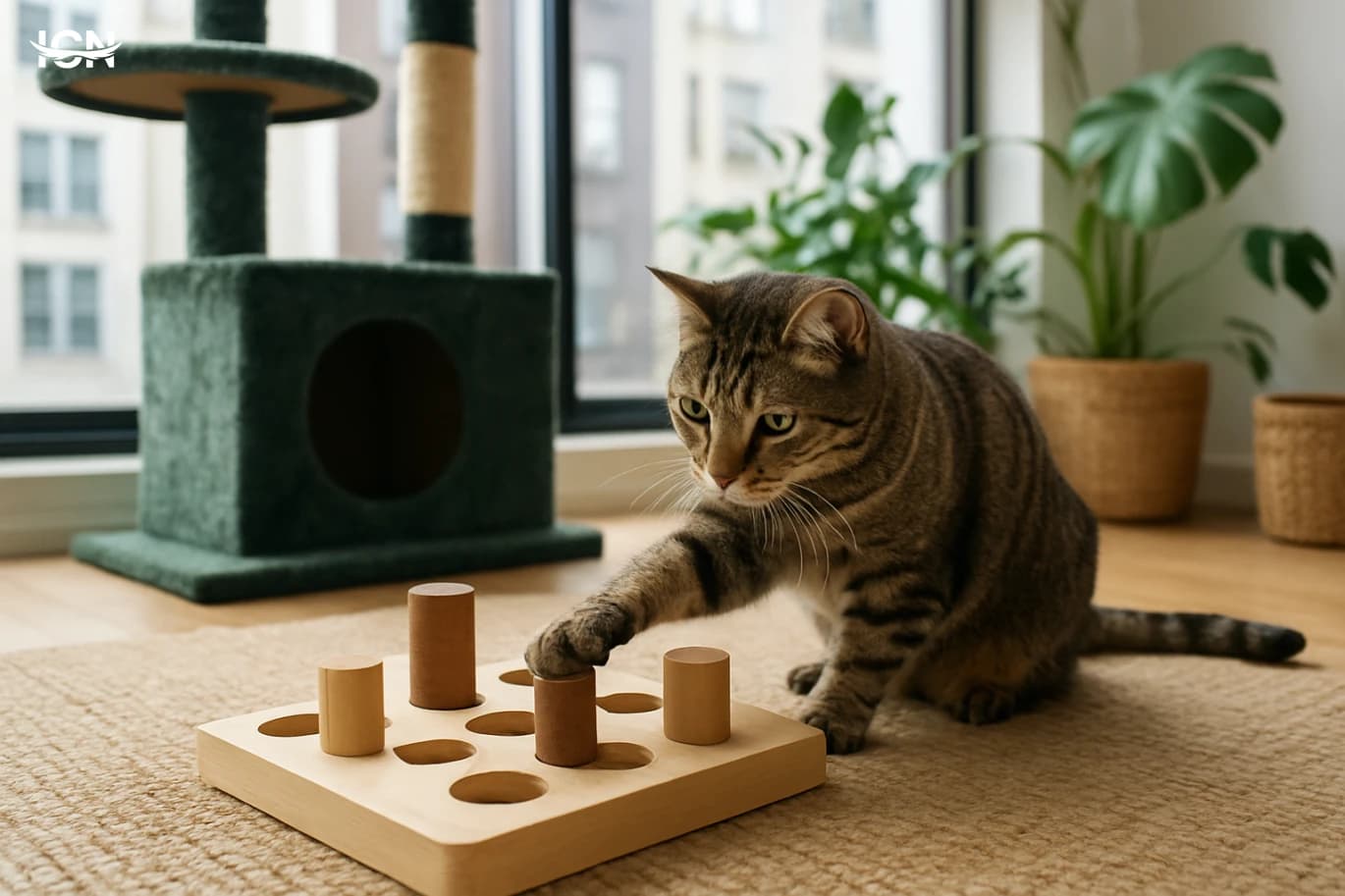
Indoor cats in cities often live in smaller, predictable spaces with limited variety in smells, sounds, and movement. That predictability can reduce daily stimulation, especially for cats that would normally spend hours exploring, climbing, and tracking small moving targets. Boredom is not just an attitude; it can show up as over-grooming, nighttime zoomies, constant meowing, or sudden interest in knocking items off shelves. A common mistake is assuming that a full food bowl and a few toys are enough. Many cats quickly habituate to the same toy left on the floor. What they need is change: new routes to walk, different textures under paws, and short bursts of hunting-style play that end with a reward. In apartments, enrichment has to be intentional, safe, and easy to maintain, otherwise it fades after a week. Before buying anything, observe your cat’s patterns for three days. Note when they are most active, where they stare out the window, and which rooms they avoid. This simple baseline helps you choose enrichment that matches your cat’s preferences and your home’s layout, rather than copying a generic checklist.
Building a Calm Routine for Indoor Cats
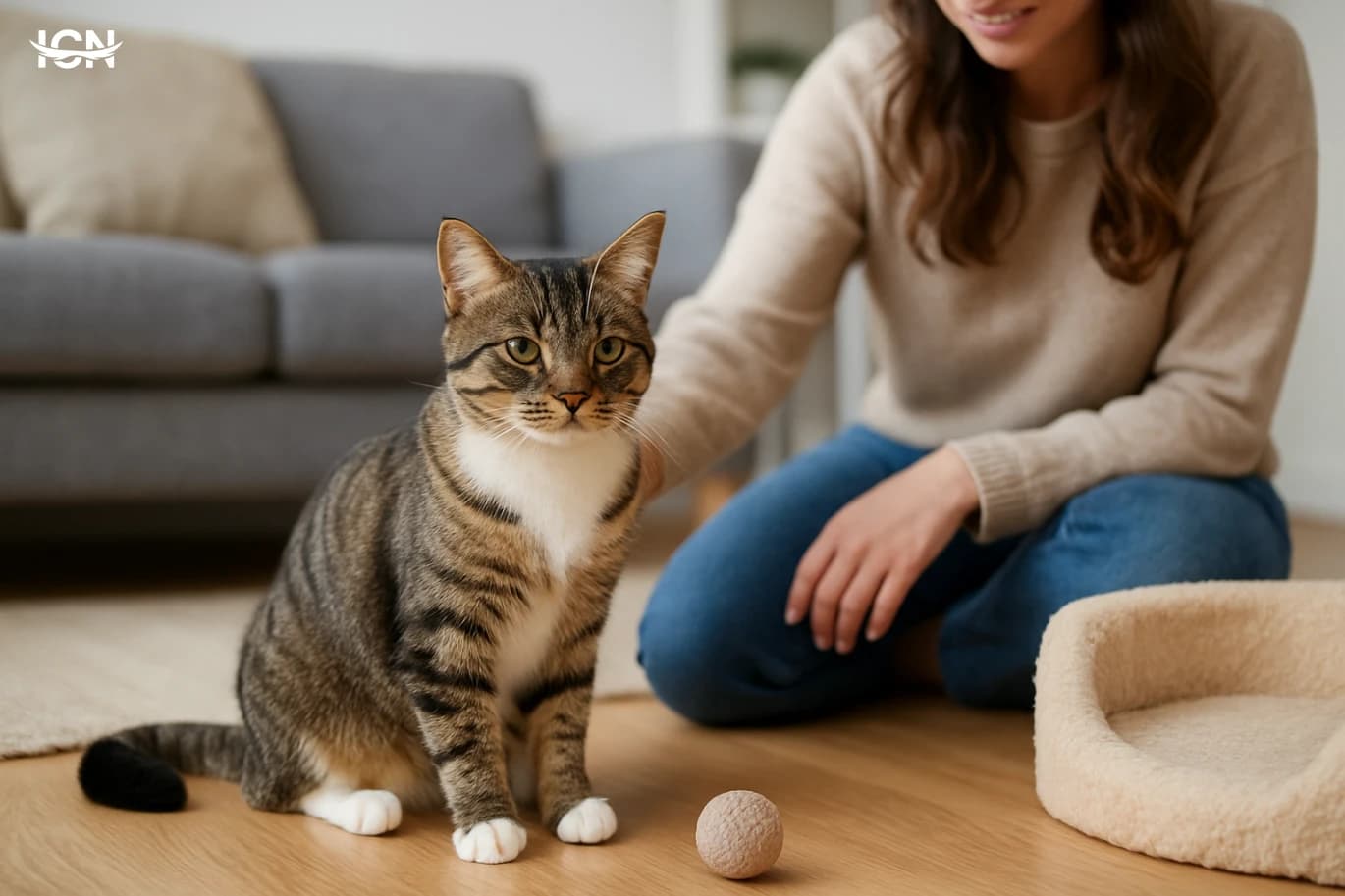
Indoor cats live in a stable environment, but that stability can also mean fewer natural cues and less variety. A predictable routine helps a cat understand when food arrives, when play happens, and when the home is quiet. This reduces attention-seeking behaviors such as persistent meowing, knocking items off shelves, or pacing near doors. Routine also supports digestion and sleep: cats tend to nap in short cycles, and consistent activity windows help them settle more easily. A calm routine is not about strict scheduling to the minute. It is about repeating the same sequence of events most days, so the cat can anticipate what comes next. This is especially useful in multi-person households where different family members may feed or play at different times. When the sequence is consistent, the cat is less likely to become anxious during gaps or react strongly to small changes, such as a late meeting or a visitor.
A Practical Guide to Cat Hydration
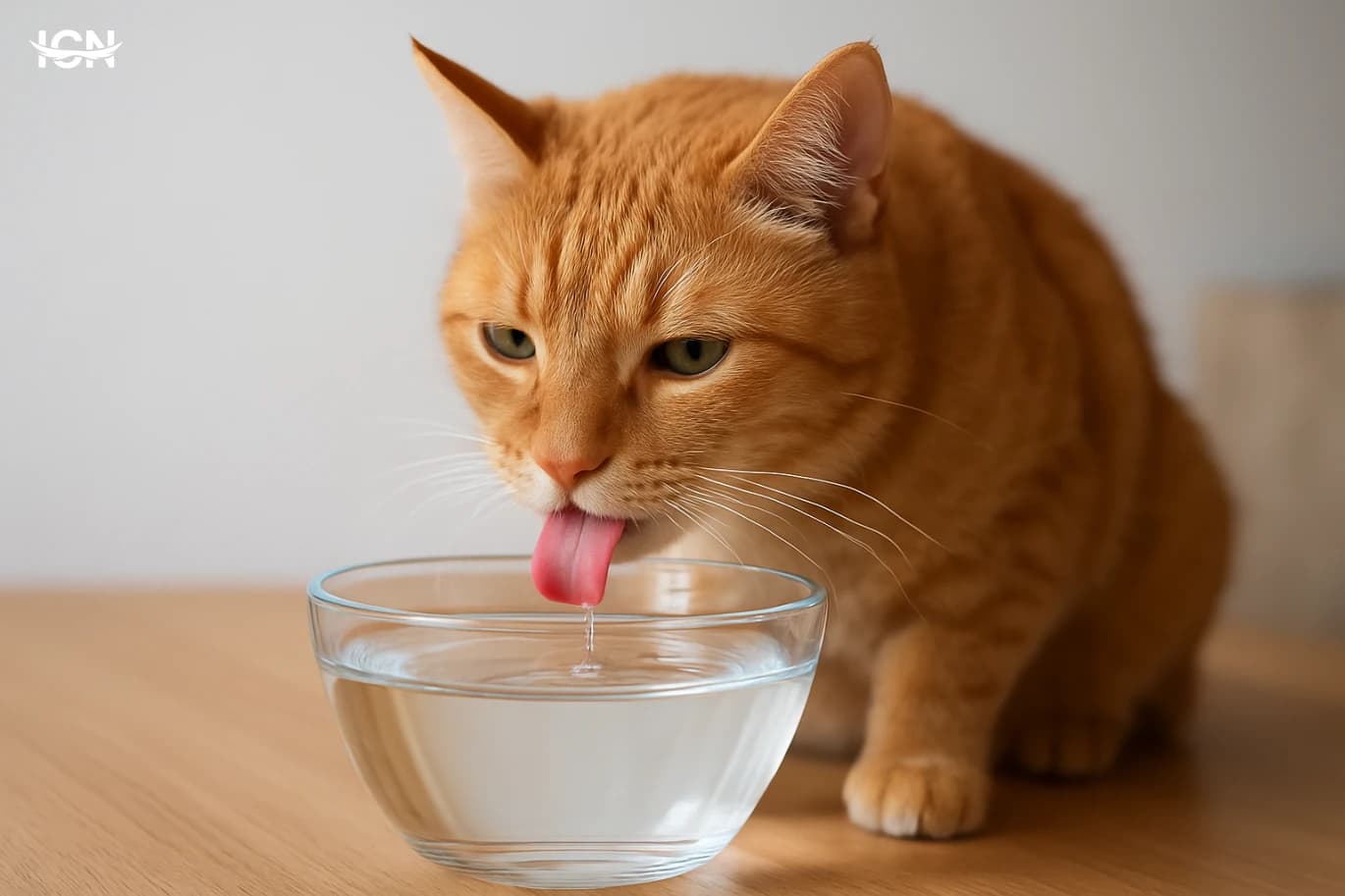
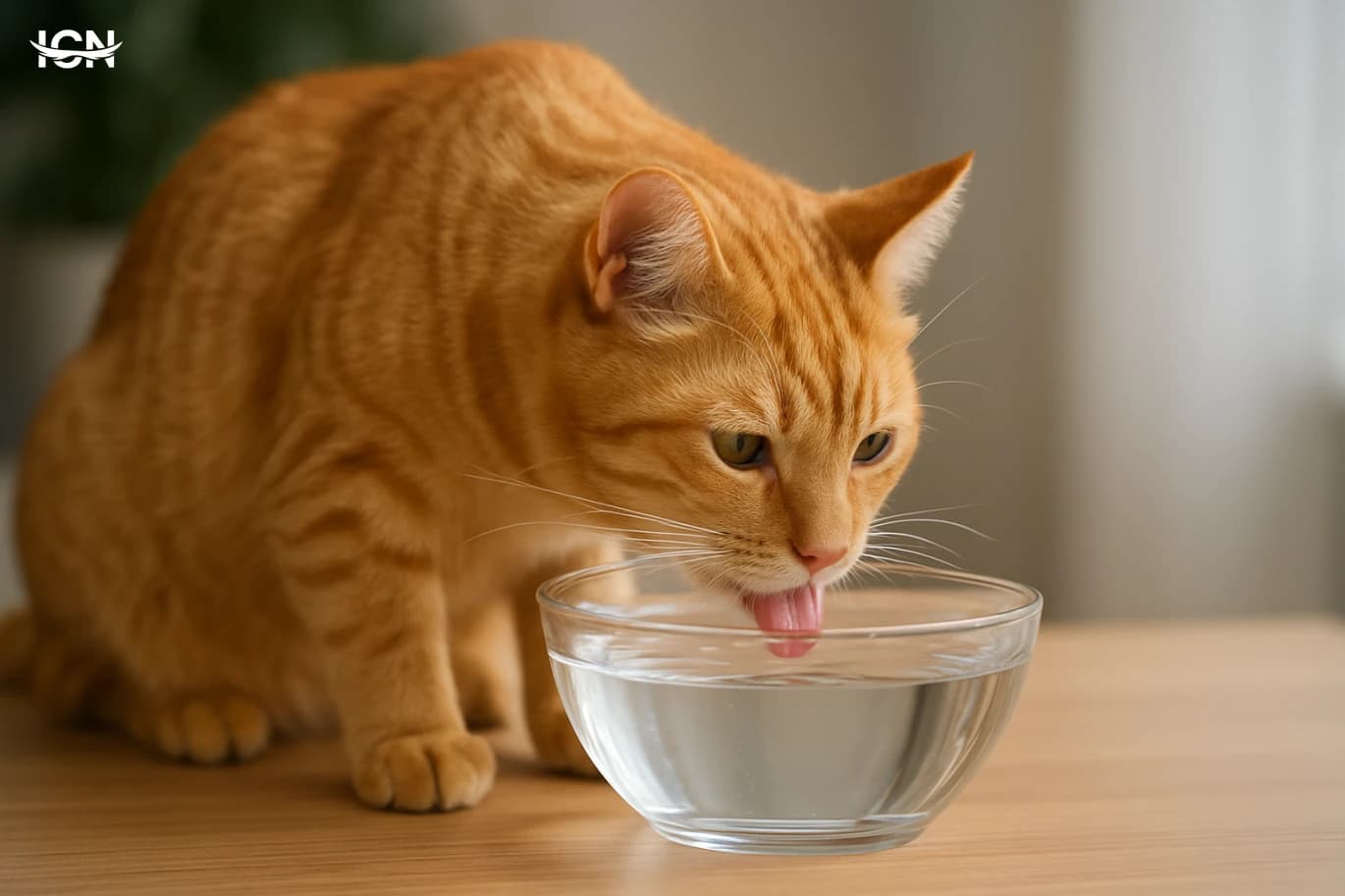
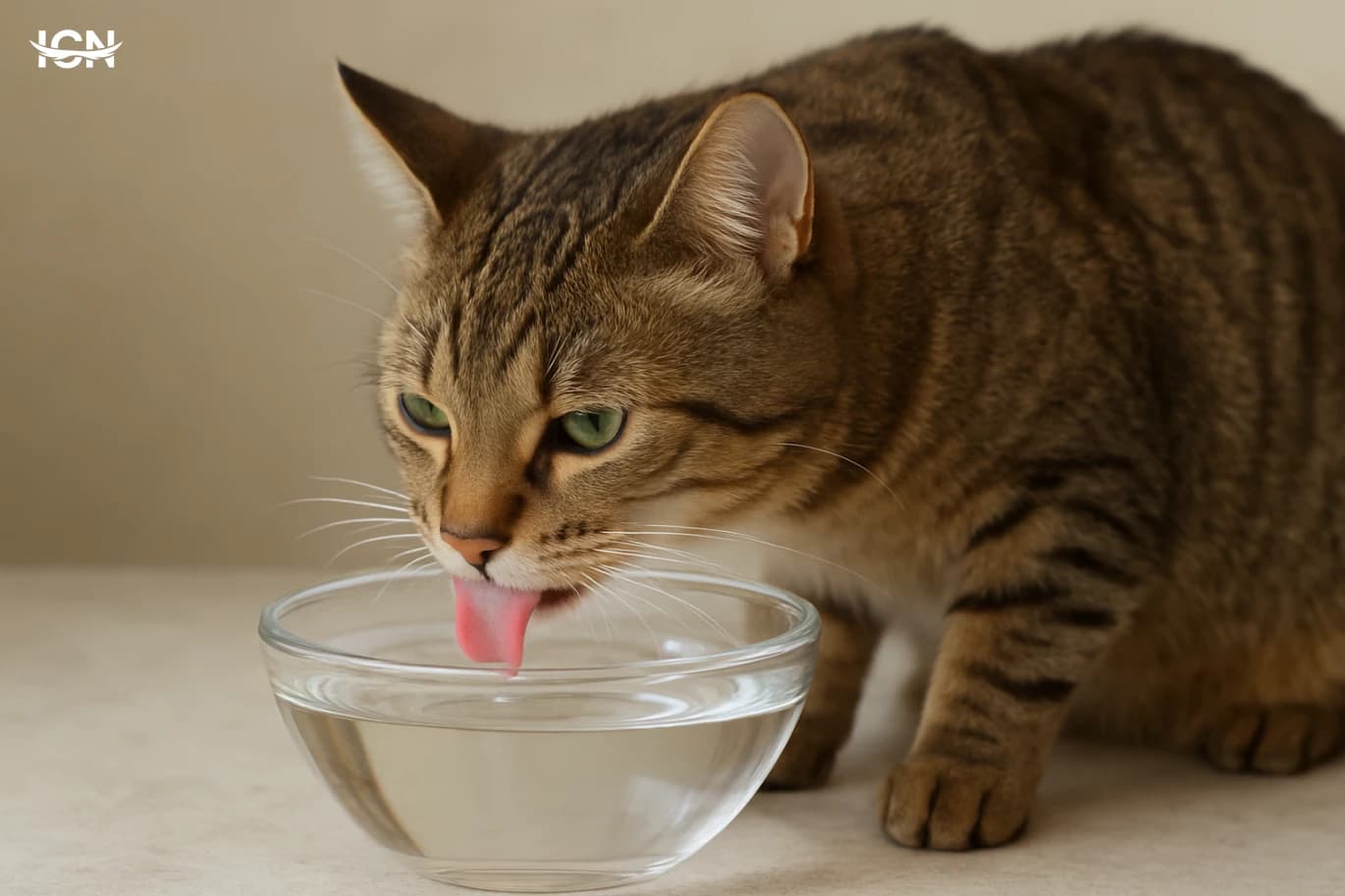
Cats are often described as low-thirst animals, and that reputation can lead owners to underestimate daily water needs. In reality, hydration supports kidney function, digestion, temperature regulation, and healthy circulation. Many indoor cats eat mostly dry food, which contains limited moisture compared with wet diets. That difference matters because a cat’s total water intake comes from both drinking and food. When overall intake runs low, urine becomes more concentrated, and the bladder lining can become irritated. Over time, chronic low water intake can contribute to urinary discomfort and may complicate existing kidney issues. A practical way to think about hydration is to focus on patterns rather than a single day. A cat that drinks a little less today but eats wet food may still be fine, while a cat that consistently avoids water bowls and eats only kibble may be at higher risk of dehydration-related problems. Owners should also consider age and lifestyle. Senior cats, cats with a history of urinary issues, and cats living in warm apartments may benefit from more proactive hydration strategies. The goal is not to force drinking, but to make water access easy, appealing, and consistent across the home.
Building a Calm Routine for Anxious Dogs
Many dogs seem “fine” on walks yet become unsettled indoors, where triggers are repetitive and harder to escape. Common home-based stressors include unpredictable noise (doorbells, elevators, street sounds), sudden changes in household schedules, visitors, and long quiet periods that build anticipation. Some dogs react to being separated from a person, while others struggle with confinement in a crate or a single room. Anxiety can also be reinforced unintentionally when owners only interact during moments of distress, teaching the dog that pacing or whining brings attention. A practical way to start is to identify patterns rather than labels. Note what happens right before the dog becomes restless: time of day, who is present, what sounds occur, and whether the dog has had enough physical and mental activity. Look for measurable signs such as repeated yawning, lip licking, panting when the room is cool, scanning the windows, following people closely, or refusing food. These details help you choose routine changes that address the cause, not just the symptom.
A Practical Guide to Cat Hydration
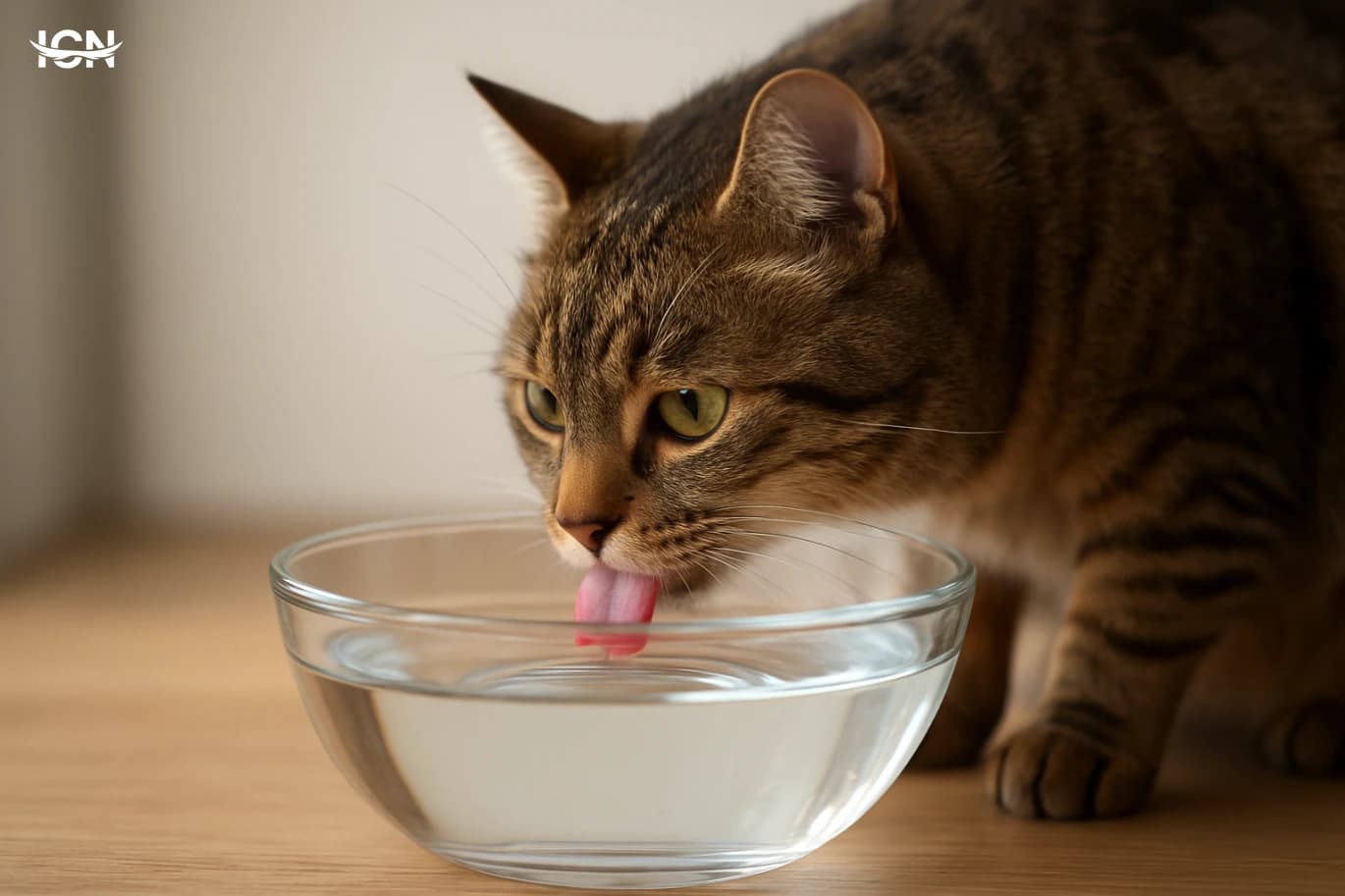
Cats are naturally conservative drinkers, a trait linked to their desert-adapted ancestry and their ability to obtain moisture from prey. In modern homes, many cats eat mostly dry food and live in climate-controlled spaces, which can reduce their daily water intake. Consistent hydration supports normal kidney function, helps maintain healthy urine concentration, and contributes to comfortable digestion and regular bowel movements. Owners often notice hydration issues indirectly: smaller clumps in the litter box, darker urine, constipation, or a cat that seems less energetic during warm days. Hydration is not only about preventing problems; it also affects everyday comfort. Adequate water intake can help cats tolerate seasonal heat better and may reduce the likelihood of urinary irritation in cats that are prone to it. Because cats rarely show obvious thirst until they are already behind, the most effective approach is to build hydration into daily routines. That means setting up the home so drinking is easy, appealing, and consistent, then tracking small signals that indicate whether the plan is working.
A Practical Guide to Cat Hydration
Cats are naturally low-thirst animals, a trait linked to their desert ancestry and their ability to concentrate urine. In modern homes, that biology can become a problem when a cat eats mostly dry food, lives in a warm apartment, or is simply picky about water. Consistent hydration supports kidney function, helps maintain normal digestion, and can reduce the risk of constipation and urinary discomfort. Even mild dehydration may show up as lower energy, smaller urine clumps in the litter box, or a dull coat. A practical hydration plan is not about forcing a cat to drink a set number of milliliters. It is about building routines and environments that make water appealing and easy to access throughout the day. This topic is especially relevant for multi-cat homes, senior cats, and cats that rarely visit their bowl. The goal of this guide is to help owners observe daily habits, adjust water presentation, and coordinate feeding choices so hydration improves steadily without stress.
Building a Cat Friendly Home Routine
Indoor cats often live in stable spaces, but their daily experience can still feel unpredictable if feeding, play, and quiet time happen at random. A consistent routine reduces stress signals such as excessive meowing, pacing, or sudden hiding, because the cat learns what happens next and when. Routine also helps owners notice small changes early: a cat that usually eats promptly but starts leaving food, or a cat that normally greets you but becomes withdrawn. Those shifts are easier to spot when the day has a recognizable pattern. A practical routine is not rigid to the minute; it is a set of repeating anchors that match your household schedule. The goal is to support natural cat behaviors—hunting, grooming, resting, and observing—without turning the home into a constant stimulation zone. When routine is built around predictable resources, cats tend to use the litter box more reliably, sleep more soundly, and show fewer attention-seeking behaviors during work hours or at night.
Dogs Joined Humans Earlier Than Thought
A recent line of research is reshaping the timeline of the human–dog relationship. The key claim is straightforward: dogs were living alongside people about 5,000 years earlier than many previous estimates suggested. Rather than treating dogs as a late addition to settled life, the study argues that close, sustained cohabitation began much earlier, during periods when communities were still experimenting with different ways of living and moving across landscapes. The study’s value is not only the headline number. It also reframes what “living with humans” means in scientific terms. The researchers focus on evidence that points to repeated, long-term contact—shared spaces, shared food sources, and patterns that imply dogs were not simply occasional camp followers. In practical terms, the study suggests that dogs were integrated into daily routines early on, which would have influenced how people managed resources, moved between sites, and protected stored food. This earlier date matters because it changes how scientists interpret the pace of domestication. If dogs were present in human communities much earlier, then the process of selection—tameness, social tolerance, and the ability to read human cues—had more time to develop. It also implies that the partnership may have formed under a wider range of environments than previously assumed, including colder regions, open steppe landscapes, and early farming frontiers.
Building a Calm Routine for Anxious Dogs
Many dogs show anxiety through pacing, whining, destructive chewing, excessive barking, or refusing food when left alone or when the household schedule changes. A predictable routine reduces uncertainty, which is a major driver of stress in dogs. When meals, walks, play, and rest happen at consistent times, the dog can anticipate what comes next and relax between activities. Routine also helps owners notice patterns: for example, anxiety spikes after long naps, during noisy delivery hours, or when the dog has not had enough physical activity. A calm routine is not about keeping a dog busy all day. It is about balancing stimulation and recovery. Dogs need structured outlets for energy, but they also need clear cues that it is time to settle. Overstimulation can look like “hyper” behavior that quickly turns into frustration. A well-designed day includes short training sessions, controlled play, and planned quiet periods. This approach supports the dog’s nervous system and makes behavior change more achievable over weeks, not just days.
Building a Calm Routine for Indoor Cats
Indoor cats live in a smaller, more predictable world than outdoor cats, which can be comfortable but also mentally flat. Without a clear daily rhythm, many cats start inventing their own “schedule” through night-time zoomies, early-morning meowing, or attention-seeking behaviors that feel random to the household. A structured routine is not about strict timing; it is about consistent cues that help a cat anticipate food, play, rest, and social contact. A calm routine supports three practical goals: stable appetite, better sleep patterns, and fewer stress signals such as overgrooming or sudden hiding. It also helps multi-person households coordinate care so the cat is not fed twice, ignored for long stretches, or overstimulated in the evening. The most effective routines are built around the cat’s natural cycle of hunt, eat, groom, and sleep, then adapted to the home’s working hours and noise levels. When the environment becomes predictable, cats typically show more relaxed body language, fewer startle reactions, and more consistent use of scratching posts and litter boxes.
A Practical Guide to Cat Hydration
Cats often drink less than many owners expect, partly because their ancestors evolved in arid environments and relied on moisture from prey. In modern homes, dry kibble, warm indoor air, and limited water options can add up to low daily intake. Over time, inadequate hydration can contribute to concentrated urine, constipation, reduced appetite, and lower energy, and it may aggravate existing urinary or kidney sensitivities. Hydration is not only about preventing problems; it also supports everyday comfort. Well-hydrated cats tend to have steadier digestion, better stool quality, and more consistent litter box habits. Owners can track hydration indirectly by watching water bowl levels, litter clump size, and how often the cat visits the bowl. The goal is not to force drinking but to make water access easy, appealing, and routine in a way that fits the cat’s preferences.
Helping a Shy Rescue Dog Settle In
A shy rescue dog is not “being stubborn.” Many arrive after repeated changes in caregivers, noisy shelters, or long periods with little routine. That history can show up as freezing in doorways, hiding under furniture, avoiding eye contact, or refusing food when people are nearby. Some dogs are also naturally cautious by temperament, and the stress of a new home can amplify that trait. It helps to separate fear from disobedience. A dog that won’t approach the leash may be worried about being grabbed; a dog that won’t go outside may be overwhelmed by traffic sounds or unfamiliar smells. Watch for specific triggers: men with hats, sudden hand movements, vacuum cleaners, children running, or the clink of a collar. The more precisely you identify what scares the dog, the easier it is to plan gentle exposure and prevent setbacks. Before you start training, set realistic expectations. Many dogs show small improvements in the first two weeks, but stable confidence often takes months. Progress is usually uneven: a dog may accept treats today and refuse them tomorrow after a loud night or a visitor. Treat that variability as normal stress recovery, not failure.
By clicking the SUBSCRIBE button, you are agreeing to our Privacy & Cookie Policy If you want to unsubsribe the marketing email, please proceed to our privacy center.
© 2005-2026 ICN. All Rights Reserved.