Raising Backyard Chickens Without Common Mistakes
- Why Backyard Chickens Are Surging
- Choosing Breeds for Eggs and Temperament
- Coop Design That Prevents Predators
- Feeding, Water, and Egg Quality Basics
- Health Checks and Biosecurity at Home
- Managing Neighbors, Noise, and Waste
Why Backyard Chickens Are Surging
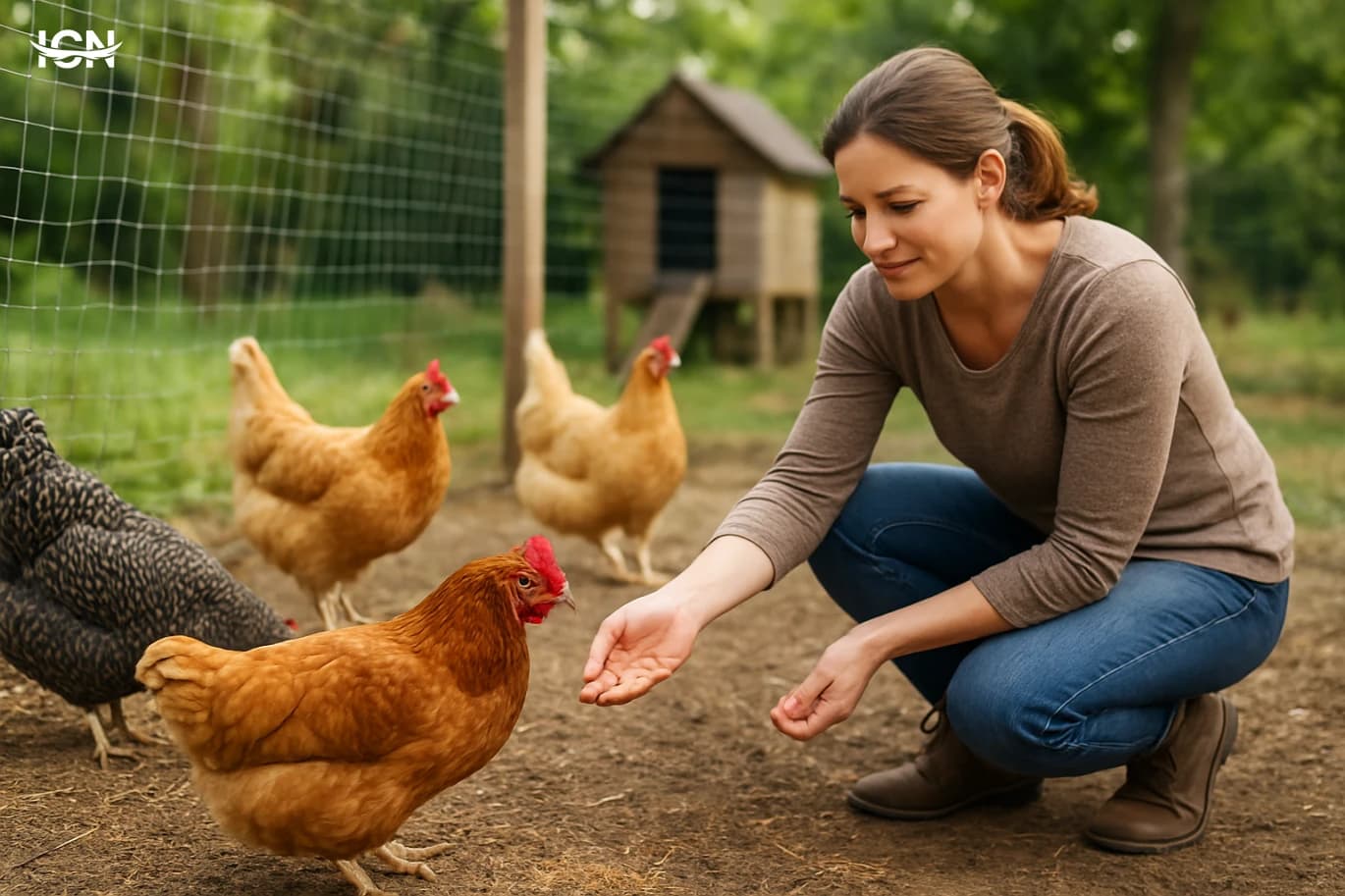
Backyard chickens have moved from niche hobby to mainstream practice in many towns and suburbs. Rising grocery prices, interest in knowing where food comes from, and the appeal of fresh eggs have pushed more households to try keeping a small flock. But the trend also brings predictable problems: impulse purchases of chicks, underestimating space needs, and confusion about local rules. A serious start begins with checking municipal ordinances, homeowner association policies, and any limits on flock size or roosters. Many areas allow hens but restrict roosters due to noise. The second driver is practicality. A small flock can supply a steady stream of eggs, reduce kitchen scraps through controlled feeding, and provide manure that can be composted for gardens. Still, chickens are livestock, not low-maintenance pets. They require daily water checks, secure housing, and a plan for veterinary care or humane culling when necessary. Understanding the real workload and costs up front is the difference between a sustainable backyard flock and a short-lived experiment.
Choosing Breeds for Eggs and Temperament
One of the most common mistakes is picking breeds based only on photos or egg color. A better approach is to match the breed to climate, space, and household expectations. In colder regions, heavier breeds with smaller combs often handle winter better, while heat-tolerant breeds are essential in hot climates where overheating is a real risk. Egg production varies widely: some hens lay consistently for longer, while others slow down after the first year. Temperament matters too, especially for families with children or close neighbors. Plan your flock size realistically. A typical household might start with three to six hens, which can provide a steady supply of eggs without overwhelming the coop. Avoid buying too many chicks at once; it increases feed costs and makes it harder to manage pecking order conflicts. Also consider the long-term: hens can live many years, but egg output declines. If your goal is eggs, decide whether you will keep non-laying hens as pets, rehome them, or process them for meat. Making that decision early prevents rushed, stressful choices later.
Coop Design That Prevents Predators
Predator pressure is underestimated by many first-time keepers. Raccoons, foxes, dogs, hawks, and even rats can wipe out a flock quickly. A secure coop starts with solid construction: tight-fitting doors, latches that cannot be opened by clever animals, and hardware cloth instead of thin chicken wire for any openings. Chicken wire is designed to keep chickens in, not predators out. Ventilation is also essential, but it must be done without creating easy entry points. Space and layout affect health and behavior. Overcrowding increases stress, feather pecking, and disease spread. Provide adequate roosting bars, nesting boxes, and a dry, clean floor. A covered run helps protect birds from aerial predators and reduces mud during wet seasons. If free-ranging is part of your plan, do it strategically: supervise when possible, avoid dawn and dusk when predators are active, and train birds to return to the coop before dark. The goal is not just comfort; it is reducing predictable losses that end many backyard flocks.
Feeding, Water, and Egg Quality Basics
Nutrition is where small mistakes add up. Hens need a balanced layer feed when they are actively laying, with consistent access to clean water. Supplementing with kitchen scraps can be fine, but it should not replace the main ration. Too many treats dilute nutrition and can reduce egg production or cause weight problems. Provide calcium support, typically through oyster shell offered separately, so hens can regulate intake. Grit is also important for birds that eat anything beyond formulated feed, because it helps them grind food in the gizzard. Egg quality reflects management. Thin shells often point to calcium issues, stress, or age. Dirty eggs usually indicate poor nesting conditions or inadequate bedding. Collect eggs regularly, especially in hot weather, to reduce spoilage and discourage egg-eating habits. Storage matters: refrigerate if local guidance recommends it, and keep eggs unwashed until use to preserve the natural protective coating, unless they are heavily soiled. A simple routine—fresh water, measured feed, clean nests, and consistent collection—produces better eggs and fewer health problems.
Health Checks and Biosecurity at Home
Backyard flocks are not isolated from disease risks. New birds, wild birds, rodents, and even visitors can introduce parasites and infections. A basic biosecurity plan includes quarantining any new chickens for a period before mixing them with the flock, cleaning feeders and waterers regularly, and controlling rodents by securing feed in sealed containers. Watch for early warning signs: reduced appetite, lethargy, pale combs, abnormal droppings, limping, or sudden drops in egg production. Parasites are a frequent issue. External mites and lice can cause feather loss and anemia, while internal worms can reduce weight and productivity. Regular coop cleaning and dry bedding help, but you may also need targeted treatments based on local veterinary advice. Keep a simple record of egg counts, feed use, and any symptoms; trends are often more informative than a single bad day. Finally, plan for emergencies: know the nearest veterinarian who sees poultry, have a basic first-aid kit, and understand humane euthanasia options if a bird is suffering with no realistic recovery.
Managing Neighbors, Noise, and Waste
Backyard chickens succeed or fail partly on community relationships. Even when hens are legal, complaints about smell, flies, or noise can trigger inspections and stricter rules. Good management reduces conflict. Keep the coop clean, compost manure properly, and avoid letting wet bedding build up, which is a major source of odor. Use secure bins for feed to prevent attracting rats. If roosters are allowed, consider whether you can realistically manage crowing; in many neighborhoods, avoiding roosters is the simplest path. Waste can be an asset if handled correctly. Chicken manure is high in nitrogen and should be composted before use in most gardens to avoid burning plants and to reduce pathogens. A covered compost system, combined with regular coop maintenance, keeps the area tidy and reduces flies. Also think about end-of-life planning and flock turnover: neighbors notice when animals are neglected or when disposal is handled poorly. A responsible keeper has a clear plan for cleaning, composting, and humane decisions, which protects both the birds and the long-term acceptance of backyard flocks in the community.