App Logo

Download Our App

Shop your way

logologo
Image

Calf

03/06/2025By: ICN
Calf

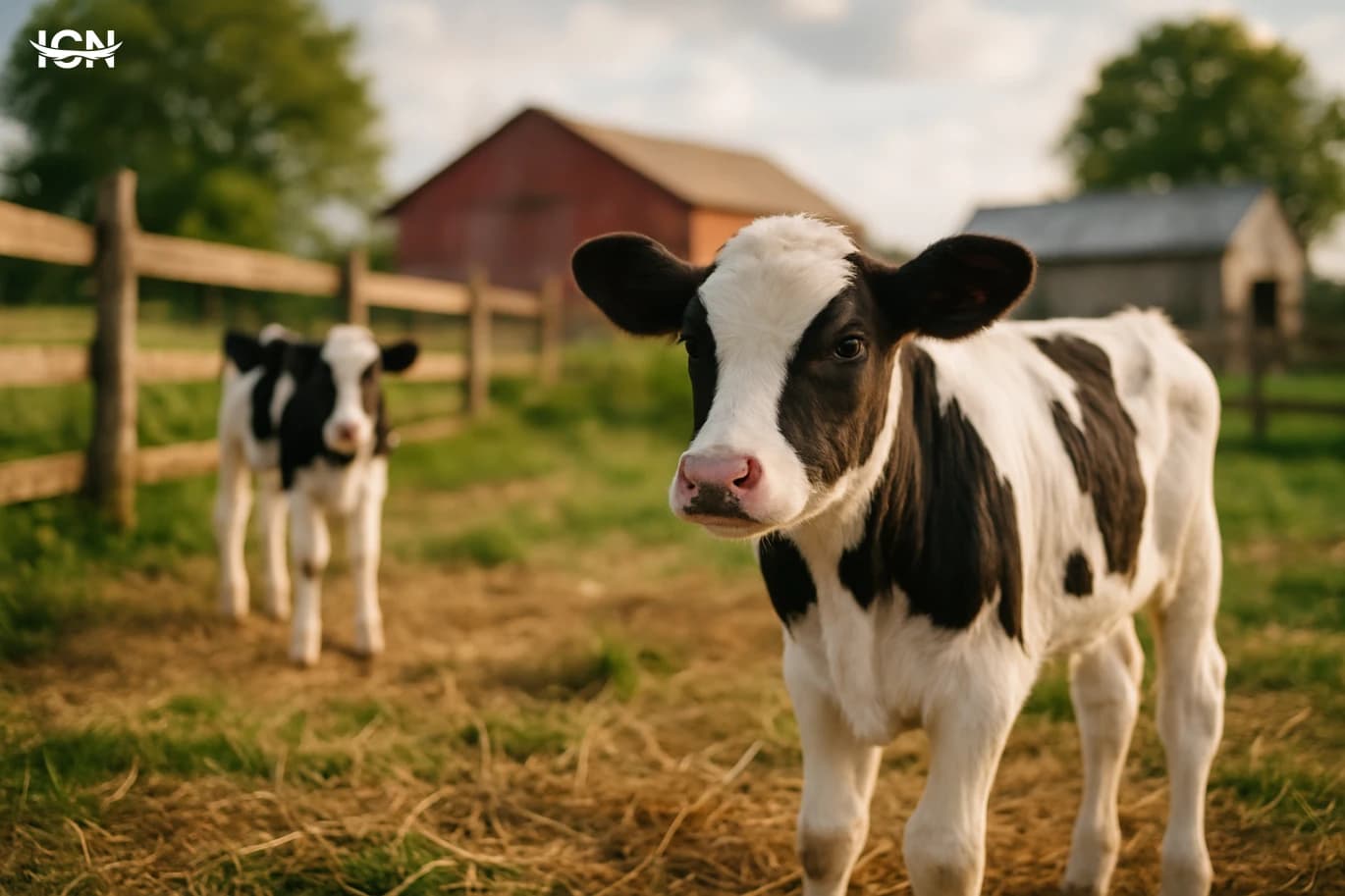
Introduction to the calf

The meaning of the calf in the Arabic language is a young cow, and it is considered a symbol of strength and giving in Arab culture. In many societies, the calf is associated with agriculture and grazing, as it is an important source of food for people. The importance of the calf in Arab culture is considered a symbol of wealth and prosperity. In celebrations and events, the calf is used as a way to provide sacrifices and foods, which reflects the generosity of hospitality. It also represents the family values ​​and established traditions, as it is celebrated and sponsored as part of daily life.

History of the calf

The calf in ancient civilizations, the history of the calf extends for thousands of years, as it had a pivotal role in ancient civilizations. The peasants used it as a source of work and meat, and it was considered a major part of agriculture. In some cultures, the calf had a religious symbolism, as it was presented as lanes for the gods. The use of calf has evolved in daily life and with the passage of time, the roles of the calf in daily life have evolved. It has become an important source of milk and its products such as cheese and butter. People also began raising certain strains to obtain higher productivity, which reflects the importance of calf in economic and agricultural development.

The calf in Arabic poetry

The use of calf as a symbol in the poems of calf poetry had a symbolic role in Arabic poetry, as it was associated with patience and joy. He used the calf poets to photograph daily suffering and the sacrifices of farmers in agricultural life. It also represents natural strength and originality in cultural heritage. The most prominent poets who referred to the calf in their poems, many Arab poets spoke about the calf in their poems, such as the pre -Islamic poet, Imru Al -Qais, who used it as a symbol of strength and pride. The calf was also mentioned in the poems of modern poets, which reflects its permanent influence in literary culture.

The calf in the Islamic religion

The opinions of the Islamic religion on the calf has a special place in the Islamic religion, as it is considered a symbol of sacrifice and sacrifice. Many Muslims are based on the story of the Prophet of God, Ibrahim, peace be upon him, and his son Ismail, where Ismail was replaced by great ram. This highlights the calf in the symbolism of redemption. The effect of the calf in religious traditions is one of the most prominent traditions that include the slaughter of the calf, as Muslims show their association with religious history. The slaughter of the calf also reflects the rituals of joy and approach to God. Thus, the calf remains an integral part of the religious and social rituals in Islamic societies.

Check arts

Handicrafts that use the calf is the skin industry: the skin of the calf is a valuable material in handicrafts, where it is used in the production of clothes, shoes, and furnishings. Craftsmen estimate the quality of the skin and its flexibility in manufacturing. Check formation techniques include the formation of calf various professional techniques such as engraving and manual sewing. Artists show their skills in dealing with animal materials, which adds artistic value, such as the design of mosaics using different parts of it, which allows them to innovate and creativity in producing distinctive and useful art pieces.

* All articles published on this blog are sourced from various websites and are provided for informational purposes only. They should not be considered as confirmed studies or accurate information. Please verify the information independently before relying on it.

Similar ARTICLES

Raising Healthy Dairy Goats on Small Farms
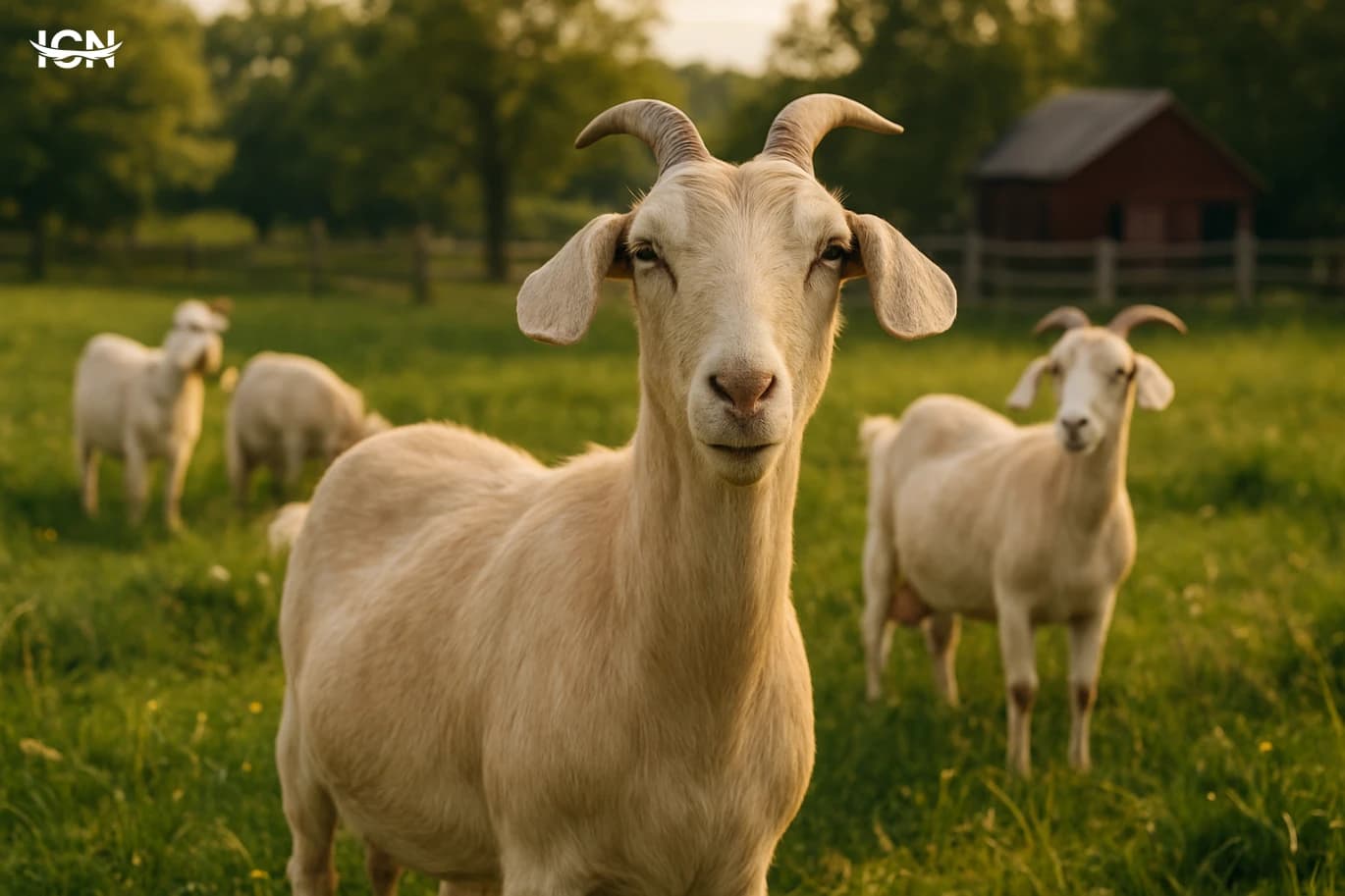
Dairy goats are often a practical entry point for small farms because they require less space and feed than many larger livestock options while still producing a marketable product. A modest herd can supply milk for direct sales where permitted, on-farm processing, or household use, and goats can also contribute manure for composting and soil improvement. Their browsing behavior helps manage weeds and brush in areas that are difficult to mow, which can reduce labor and equipment costs. Choosing goats is not automatically “easy,” but their management can be scaled. A small operation can start with two to six does and expand as routines become consistent. The key is to match herd size to daily labor: milking, feeding, cleaning, and health checks are non-negotiable tasks. When planned well, dairy goats can integrate into diversified farms alongside gardens, orchards, or small poultry flocks, creating multiple income streams without requiring industrial infrastructure.
Raising Dairy Goats for Small Farms
Dairy goats are often a practical entry point for small farms because they combine manageable size with steady, high-value output. A few does can supply milk for household use, farm-gate sales where permitted, or value-added products such as yogurt and cheese, all without the land footprint typically required for dairy cattle. Goats also adapt well to mixed operations: they can graze, browse shrubs, and help manage vegetation along fence lines and uneven areas that are hard to mow. That said, they are not “low maintenance.” They require secure fencing, consistent nutrition, and a clear plan for breeding, kidding, and milk handling. A realistic small-farm goal is to build a routine that protects animal welfare and product quality. That means choosing breeds suited to your climate, planning daily labor for feeding and milking, and setting up basic infrastructure like a clean milking area and a place to isolate sick animals. When those pieces are in place, dairy goats can provide predictable output and a strong story for direct-to-consumer marketing: local, small-batch, and traceable from animal to jar.
Raising Healthy Calves in Small Farms
On small farms, calf health is not a side task; it shapes milk output, replacement heifer quality, and daily workload for months. A calf that starts well is more likely to grow steadily, reach breeding targets on time, and become a productive cow with fewer setbacks. The opposite is also true: early illness often leads to slower growth, higher feed costs, and extra labor for treatment and monitoring. This topic focuses on practical steps that fit small operations, where one or two people handle feeding, cleaning, and recordkeeping. The most common early challenges are digestive upsets, dehydration, and respiratory problems, and they are strongly influenced by housing, hygiene, and feeding consistency. Small farms can have an advantage here because caretakers notice small changes quickly, but only if routines are clear and repeatable. The goal is not expensive equipment; it is reliable basics: clean bedding, correct milk amounts, fresh water, and a simple way to track what each calf received and how it behaved each day.
Raising Calm Dairy Goats on Small Farms
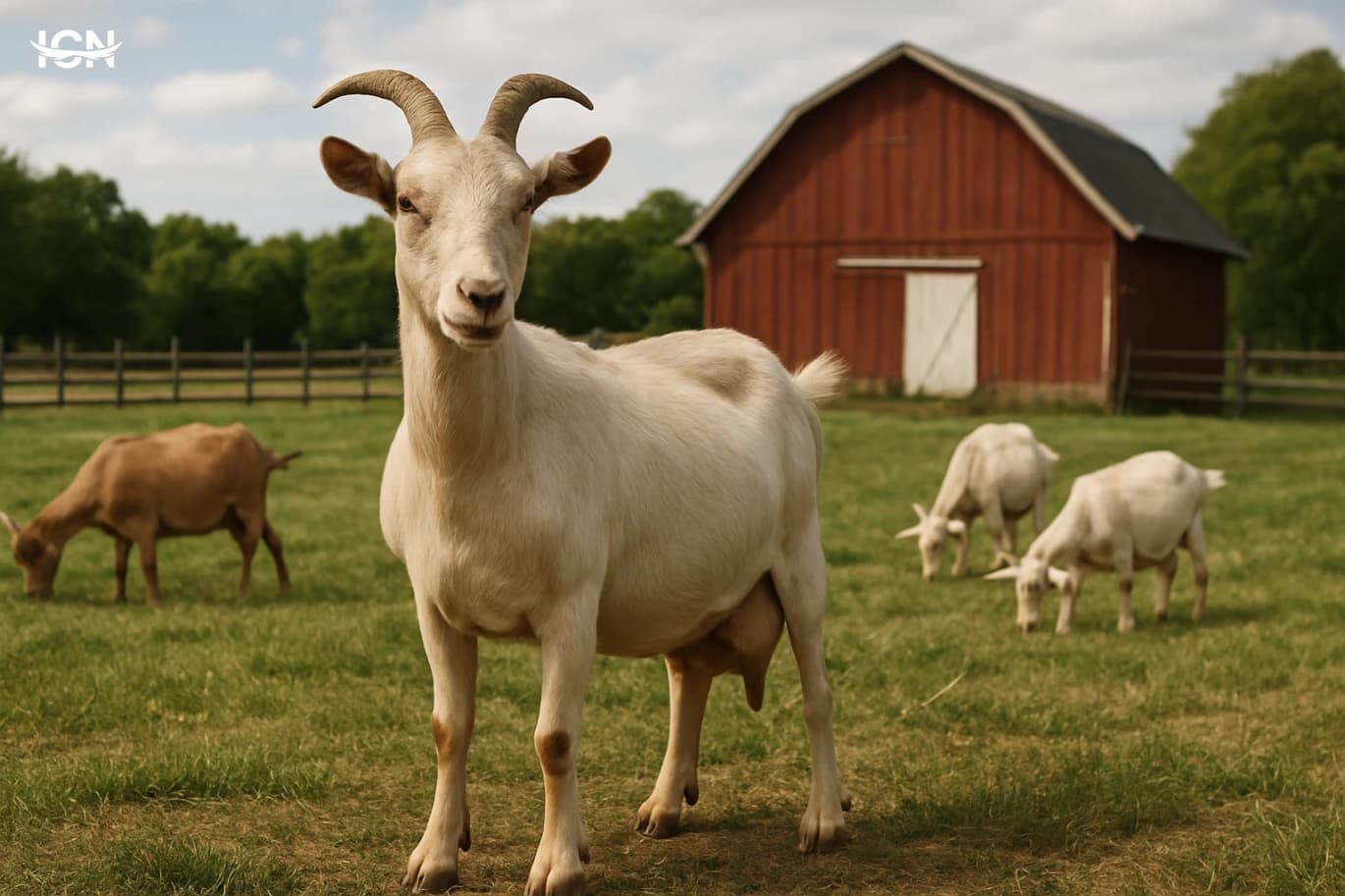
Dairy goats are often a practical choice for small farms because they require less space and feed than cattle while still producing a steady supply of milk. Many smallholders can manage a few does with basic infrastructure: a dry shelter, secure fencing, and a simple milking area. Goats also tend to browse a wider range of plants than grazers, which can help farms use mixed vegetation areas more effectively, as long as toxic plants are identified and removed. For families selling direct to neighbors or at local markets, goat milk can support value-added products such as yogurt, soft cheeses, and soap, provided local food rules are followed. The key is matching breed and management to the farm’s goals. Nubian goats are known for richer milk, while Alpine and Saanen types are often selected for volume. On small farms, temperament matters as much as production: calm animals reduce handling stress, improve milking routines, and lower the risk of injuries for both goats and people. Planning for year-round needs—winter bedding, summer shade, clean water, and parasite control—sets the foundation for a stable, humane operation that can grow gradually without overextending resources.
Raising Backyard Chickens Without Common Mistakes
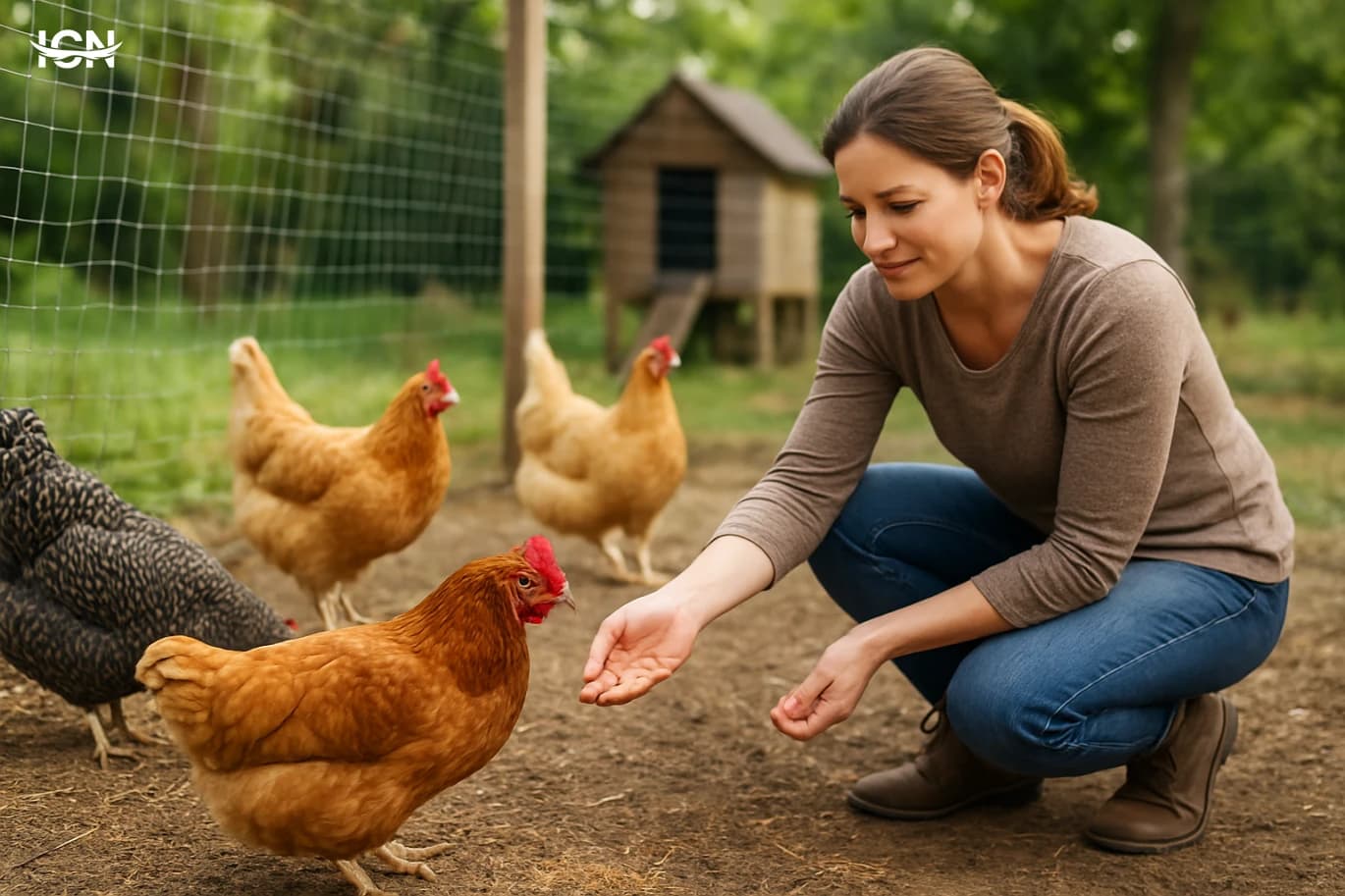
Backyard chickens have moved from niche hobby to mainstream practice in many towns and suburbs. Rising grocery prices, interest in knowing where food comes from, and the appeal of fresh eggs have pushed more households to try keeping a small flock. But the trend also brings predictable problems: impulse purchases of chicks, underestimating space needs, and confusion about local rules. A serious start begins with checking municipal ordinances, homeowner association policies, and any limits on flock size or roosters. Many areas allow hens but restrict roosters due to noise. The second driver is practicality. A small flock can supply a steady stream of eggs, reduce kitchen scraps through controlled feeding, and provide manure that can be composted for gardens. Still, chickens are livestock, not low-maintenance pets. They require daily water checks, secure housing, and a plan for veterinary care or humane culling when necessary. Understanding the real workload and costs up front is the difference between a sustainable backyard flock and a short-lived experiment.
By clicking the SUBSCRIBE button, you are agreeing to our Privacy & Cookie Policy If you want to unsubsribe the marketing email, please proceed to our privacy center.
© 2005-2026 ICN. All Rights Reserved.