Plan a Smooth Eid al-Fitr Getaway
- Set the trip goal and timing
- Choose the right destination and route
- Budget smart and book early
- Build a flexible daily plan
- Pack for comfort and holiday logistics
- Stay safe, respectful, and organized on the go
Set the trip goal and timing
Start by deciding what “successful” means for your Eid al-Fitr break: family time, relaxation, shopping, nature, or a short cultural visit. This choice determines everything else, from destination to daily pace. Keep the holiday calendar in mind: travel demand typically spikes around the last days of Ramadan and the first days of Eid, so even a one-day shift can reduce costs and crowds. If you can, travel mid-week or return a day later than most people. Define the length of the trip realistically. For a 3–4 day break, prioritize nearby destinations with short flight times or easy road access to avoid losing half the holiday in transit. For 5–7 days, you can add a second city or include a day trip. Write a simple schedule with fixed anchors: check-in and check-out times, one main activity per day, and a buffer period for rest. Eid trips often include social visits and late dinners, so plan mornings lighter than usual. Finally, align expectations with your group. If you are traveling with family, agree on priorities: how much time is for sightseeing versus downtime, whether you prefer guided tours or self-planning, and what “comfortable” means for walking, heat, and transportation. A short agreement at the start prevents last-minute disagreements and makes the trip feel organized without being rigid.
Choose the right destination and route
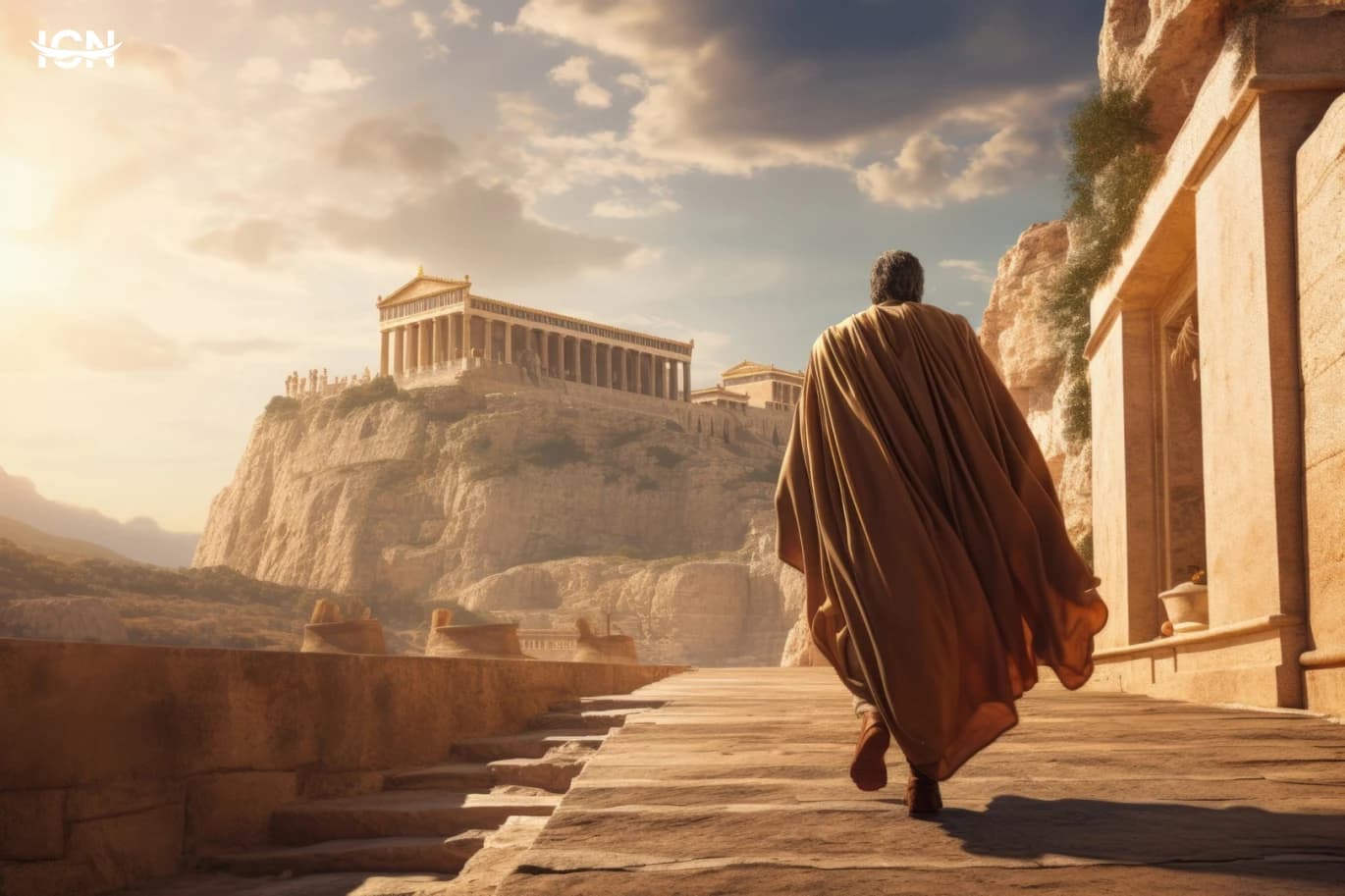
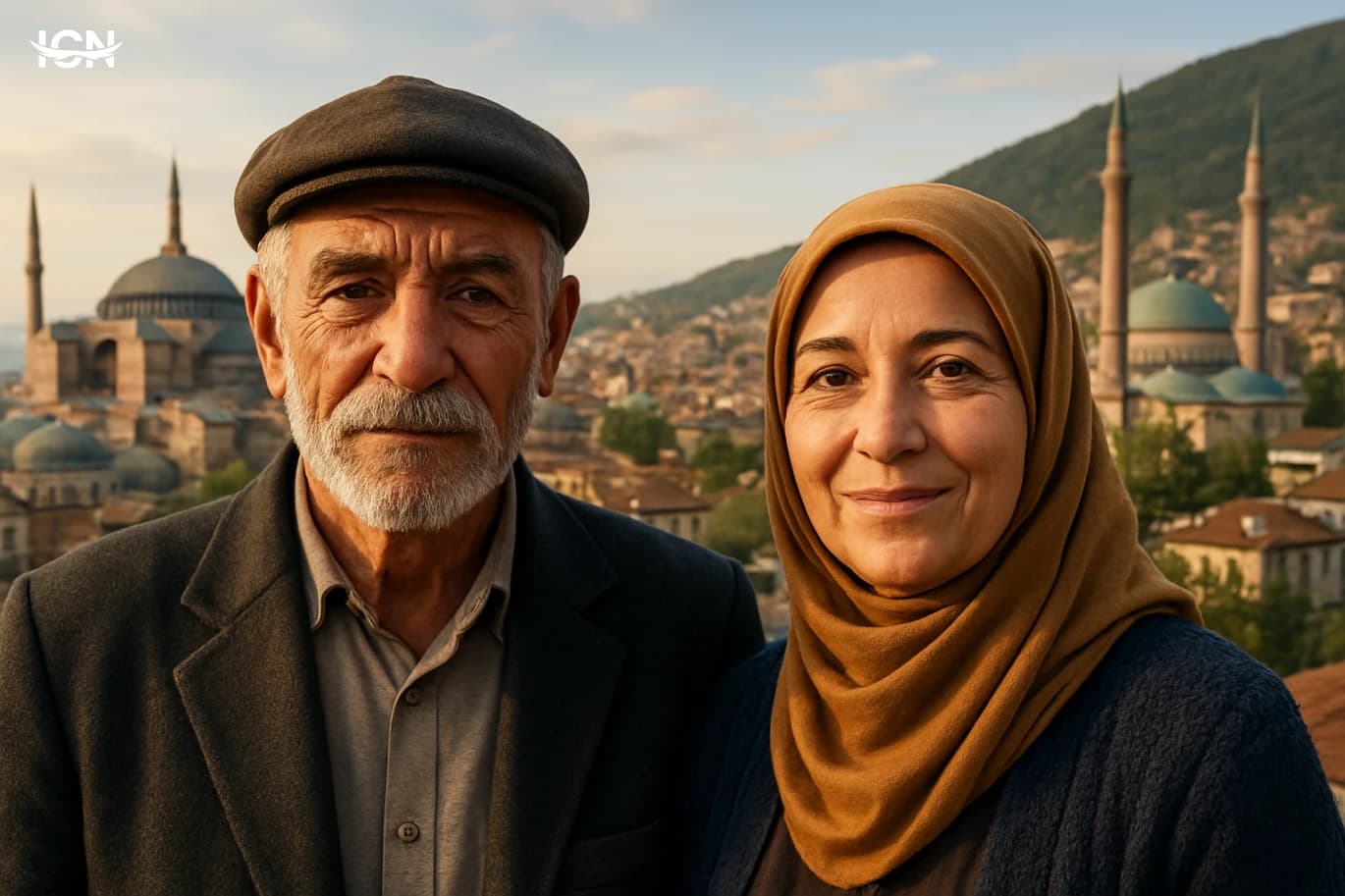
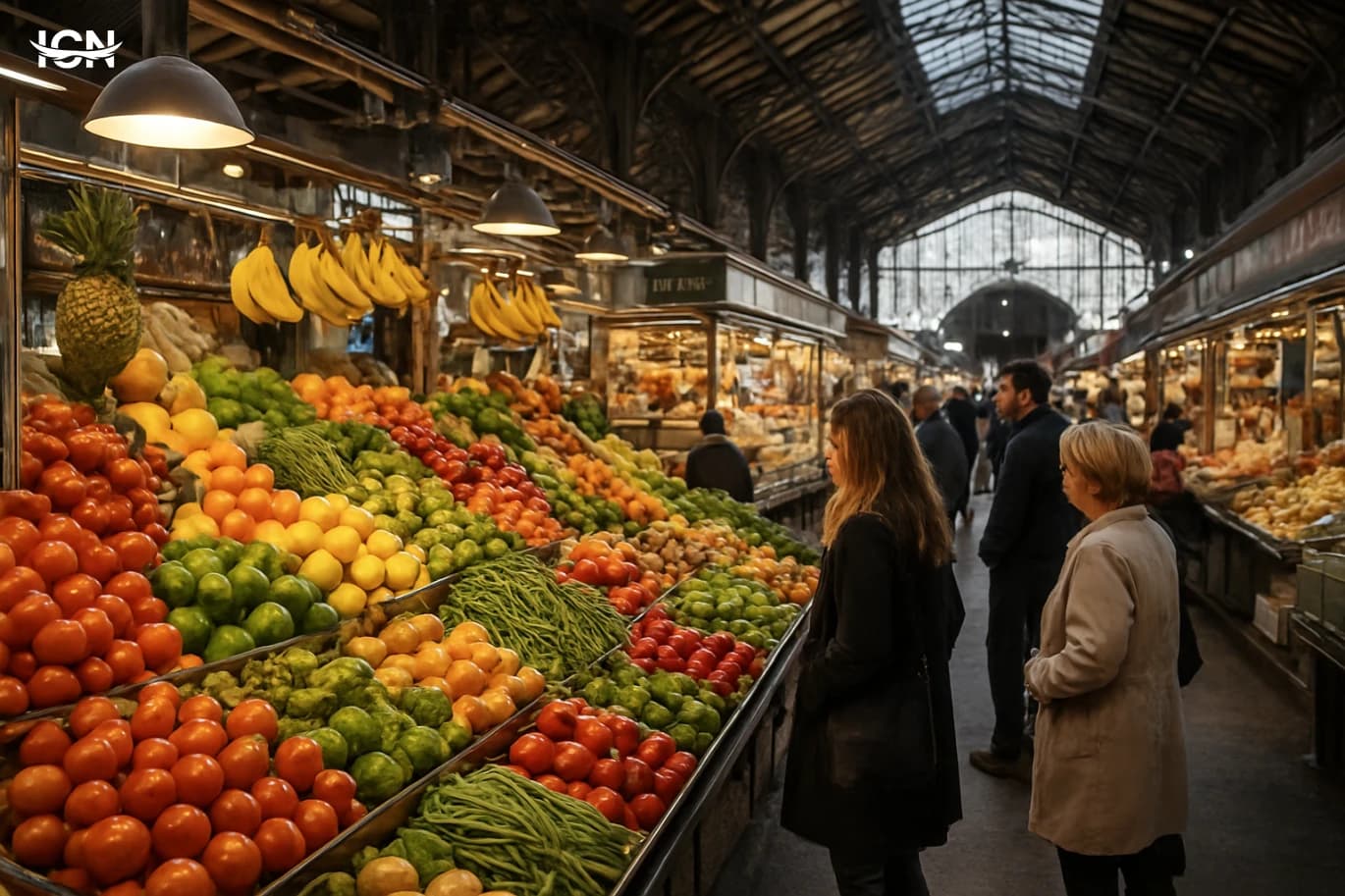
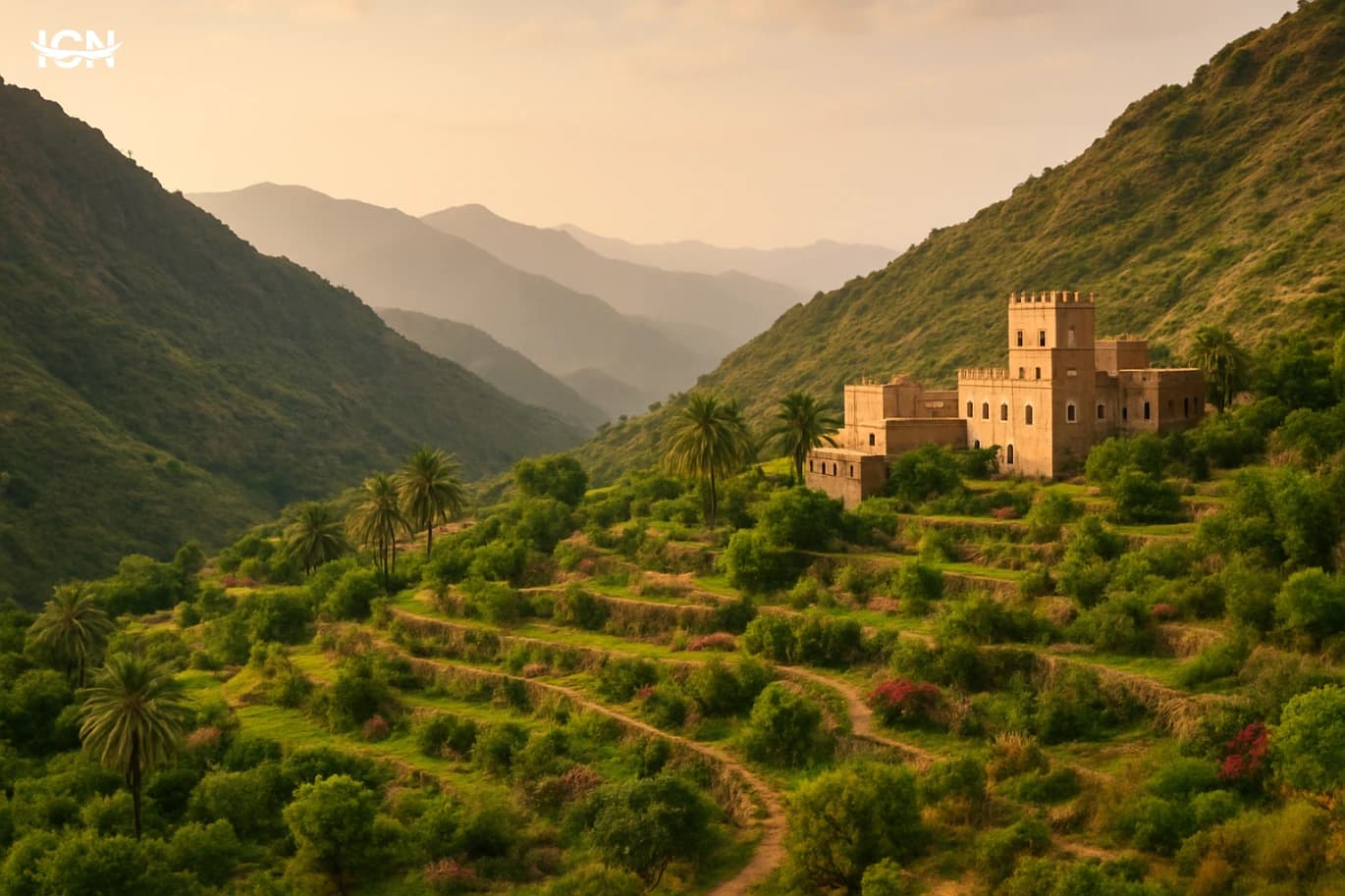
Pick a destination that matches the holiday rhythm. During Eid, many travelers want a mix of festive atmosphere and convenience. Cities with strong public transport, walkable districts, and plenty of dining options make planning easier when places get busy. If you prefer calm, consider smaller coastal towns, mountain areas, or countryside stays where the main activities are outdoors and reservations are simpler. Check practical factors before you fall in love with photos: entry requirements, passport validity, and whether your arrival airport is close to where you want to stay. A “cheap” flight can become expensive if it lands far away and requires long transfers. For road trips, map the route with realistic driving times, rest stops, and fuel options. During holiday peaks, traffic can add significant delays, so plan an early departure and keep an alternative route. Build your itinerary around clusters. Instead of bouncing across the city, choose one neighborhood as a base and group attractions by area. This reduces time in taxis and helps you enjoy the day without rushing. If you are visiting multiple cities, keep it simple: one main city plus one nearby day trip is often enough for a short Eid break. Overpacking the schedule is the fastest way to turn a holiday into a checklist.
Budget smart and book early
Eid travel prices can rise quickly, so a clear budget is your best planning tool. Split costs into five categories: transport (flights or fuel), accommodation, food, activities, and local mobility (taxis, metro, car rental). Add a contingency buffer of 10–15% for unexpected changes such as higher weekend rates, last-minute tickets, or weather-related adjustments. Book the essentials first. For most trips, that means transport and accommodation. Choose refundable or flexible options when the price difference is reasonable, especially if your dates depend on work schedules or family commitments. If you are traveling as a group, confirm the headcount before booking rooms to avoid paying for unused beds or scrambling for upgrades. Use simple tactics to control spending without reducing quality. Stay in a well-connected area to reduce taxi costs. Consider breakfast-included hotels if you expect busy mornings. For families, serviced apartments can be cost-effective because they offer more space and basic kitchen facilities. Pre-book popular attractions or theme parks if the destination is known for long lines during holidays. The goal is to spend money where it improves comfort and saves time, not on avoidable last-minute fees.
Build a flexible daily plan
A successful Eid itinerary is structured but not packed. Aim for one major activity per day—such as a museum district, a beach day, or a shopping area—then add two smaller options nearby. This approach keeps the day productive while leaving room for spontaneous choices, traffic delays, or simply enjoying a long meal. Plan around opening hours and peak times. Many attractions are busiest in late afternoon and evening during holidays. If you want a quieter experience, visit popular sites early. Reserve restaurants for Eid lunches or dinners if the destination is known for limited seating. For families, identify parks, indoor play areas, or shaded promenades to balance adult activities with children’s needs. Include practical “micro-plans.” Decide how you will move each day: walking, public transport, ride-hailing, or rental car. Save key addresses in your phone in both English and the local language if applicable. Keep a short list of backup activities for bad weather or unexpected closures. Flexibility is not the absence of planning; it is planning alternatives so the day stays smooth.
Pack for comfort and holiday logistics
Packing for Eid travel should focus on comfort, weather readiness, and the practical needs of busy days. Start with a capsule wardrobe: outfits that mix easily, comfortable walking shoes, and one slightly dressier option for Eid gatherings or special dinners. Check the forecast for both daytime heat and evening temperature drops, especially in coastal or mountain destinations. Prepare a small travel kit that reduces friction: power bank, universal adapter if needed, basic medications, reusable water bottle, and a compact umbrella or light jacket depending on the season. Keep digital copies of passports, bookings, and insurance in a secure cloud folder, and store offline copies on your phone in case of weak connectivity. Eid has its own logistics. If you plan to visit relatives or attend gatherings, confirm addresses and timing early, and bring a simple gift that travels well, such as local sweets or a small souvenir. If you are traveling with children, pack snacks, a light activity kit, and a change of clothes in the day bag. These small preparations prevent avoidable stress and keep the holiday mood intact.
Stay safe, respectful, and organized on the go
Holiday travel runs smoother when you treat safety and organization as daily habits. Share your itinerary and accommodation details with a trusted person, especially if you are traveling to a new place. Use hotel safes when available, and avoid carrying all cash and cards together. In crowded areas, keep essentials in a secure crossbody bag and set phone lock and tracking features. Respect local norms and holiday schedules. Some services may operate on reduced hours during Eid, while others become busier than usual. Confirm opening times on the same day, not only when you first plan. If you are using ride-hailing, verify the car and driver details before entering. For car rentals, photograph the vehicle at pickup and understand fuel and toll rules to avoid disputes. Keep the trip organized with a simple system: one folder for confirmations, one note with key addresses, and a daily checklist for must-do items like tickets, chargers, and IDs. At the end of each day, spend five minutes reviewing tomorrow’s plan and adjusting for weather and energy levels. This light routine prevents small issues from piling up and helps you return from Eid feeling rested rather than exhausted.