Performance art

introduction
The definition of performance art is the art of performance: It is an expression of feelings and ideas through arts such as theater, dance and music. It features a range of elements that include physical expression, sound, and general performance. The art of performance depends on the artist's interaction with the audience, which makes it a unique and influential experience. The importance of performance in society is an essential part of culture. It provides an effective expression of social issues, and helps to enhance understanding and awareness among individuals. Through shows, people can explore their feelings and experiences in a deeper way, which contributes to renewing human ties and enhancing belonging to society.
the date
The emergence of performance art of performance: the art of performance is due to ancient times as it was used to express stories and myths. It started with the religious rituals of the ancient peoples, where the arts were expressing beliefs and explaining natural phenomena in an exciting manner. His developments through the ages witnessed a remarkable development with the passage of time. In the Middle Ages, the theater depended on religion and morals, while in the Renaissance the importance of irrigated performance increased. In addition, new types such as ballet and classic music have emerged, which contributed to the formation of performance art as we know it today.
Techniques
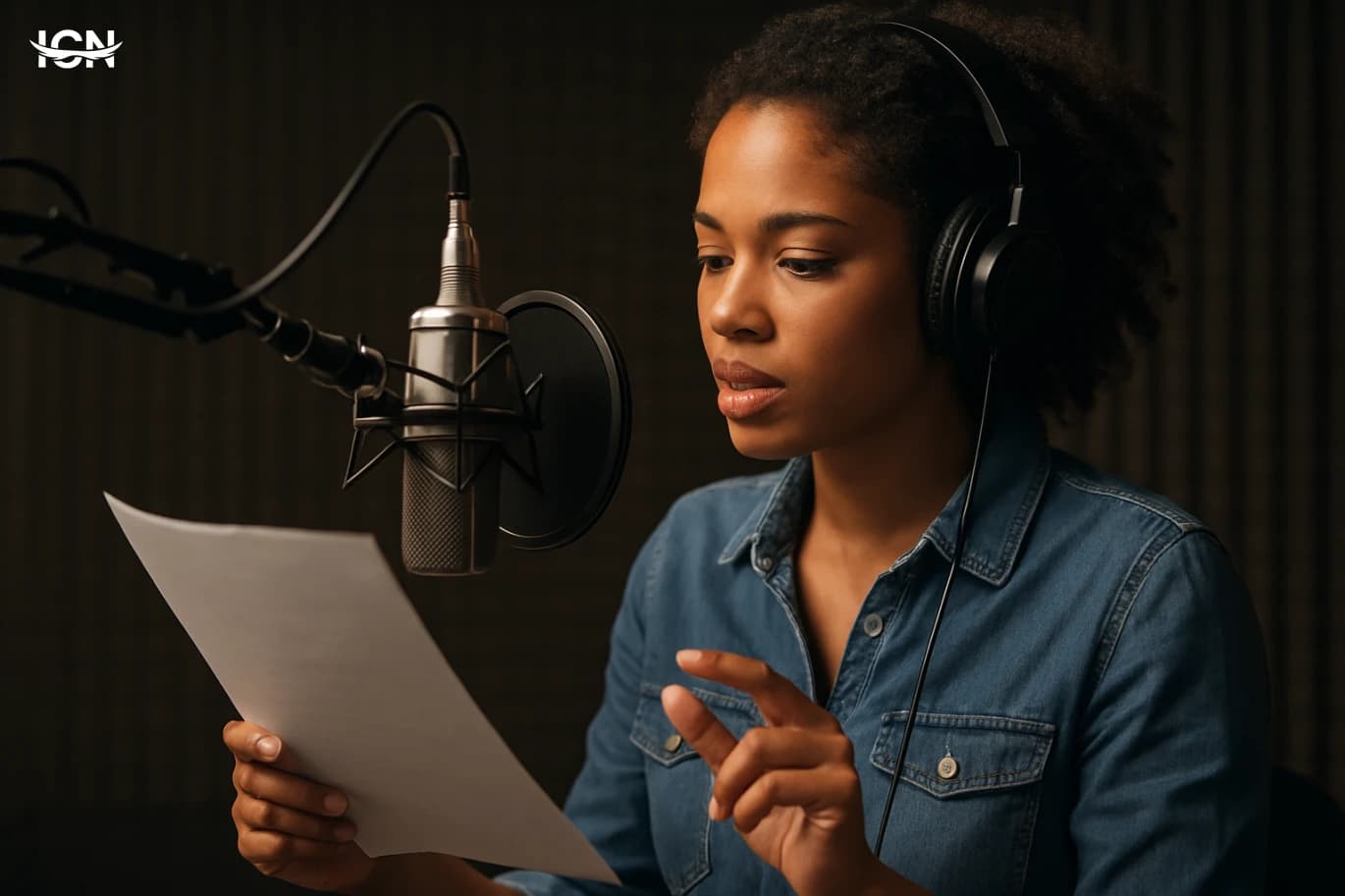
Acting and expression techniques of acting techniques: it includes multiple methods that enhance the performance of the actor, such as sound control, expression of feelings, and interaction with other characters. Through which artists seek to deliver messages and feelings clearly and influentially. Communication techniques with the audience communicate with the audience: It is a vital element in the art of performance. Artists use techniques such as visual contact, body movements, and improvisation to create a strong relationship with viewers. These strategies help to sharpen attention and enhance the audience's experience, which makes performance more interactive and effective.
Types of performance
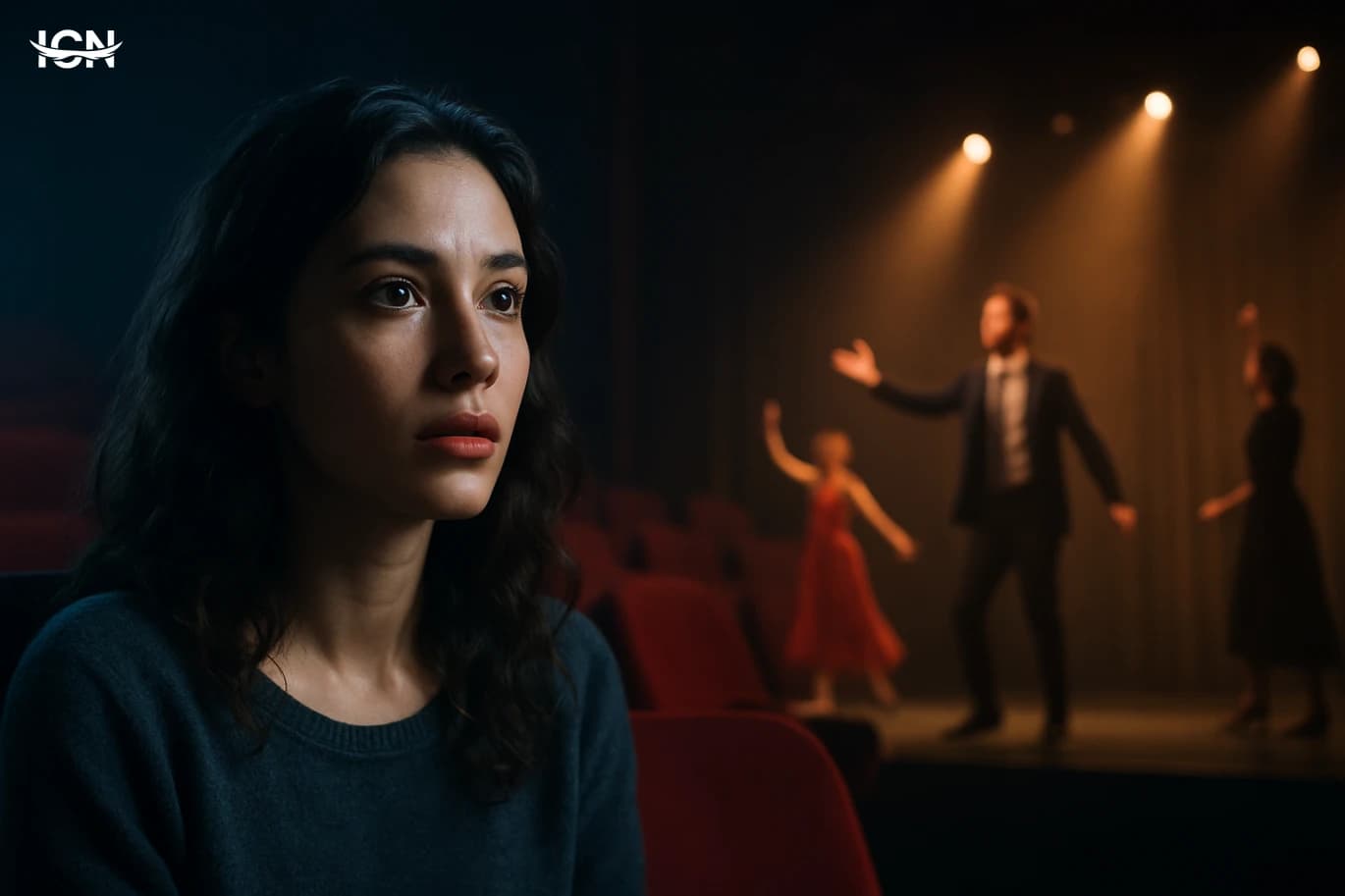
Theater Theater: Theater is one of the most prominent forms of performance, as it presents stories through the interaction of actors with the audience. Theater combines acting, text, decoration, and music to be a comprehensive experience for the public. Performing arts represents a platform for creative expression and facilitates the discussion of social and cultural issues. Dancing and physical movement dance: It is considered one of the forms of motor arts that express feelings and ideas through the movement. Dancers use different techniques to connect certain messages, creating a unique artistic experience that combines rhythm, physical expression, and music.
Performance in cinema and television
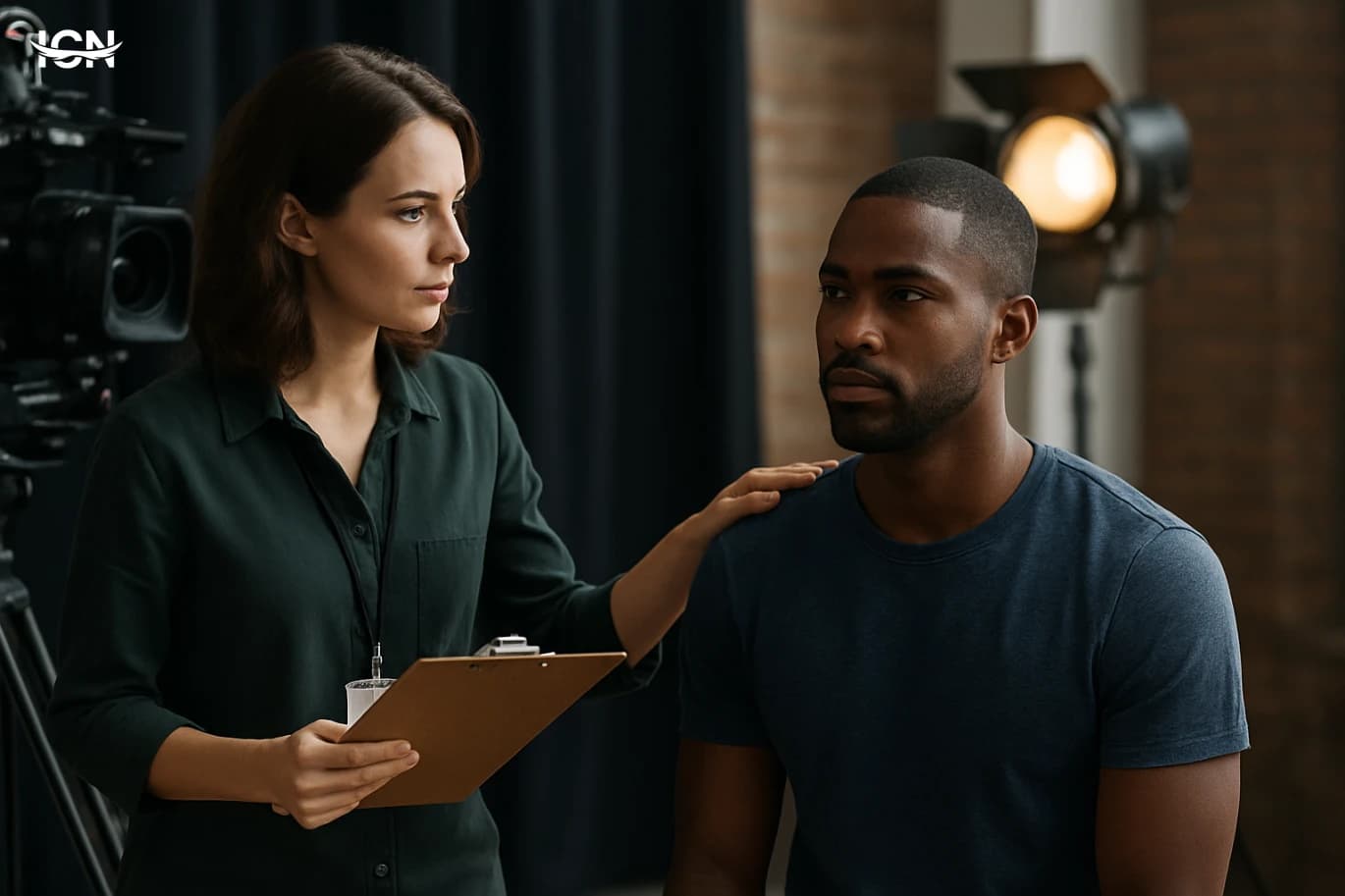
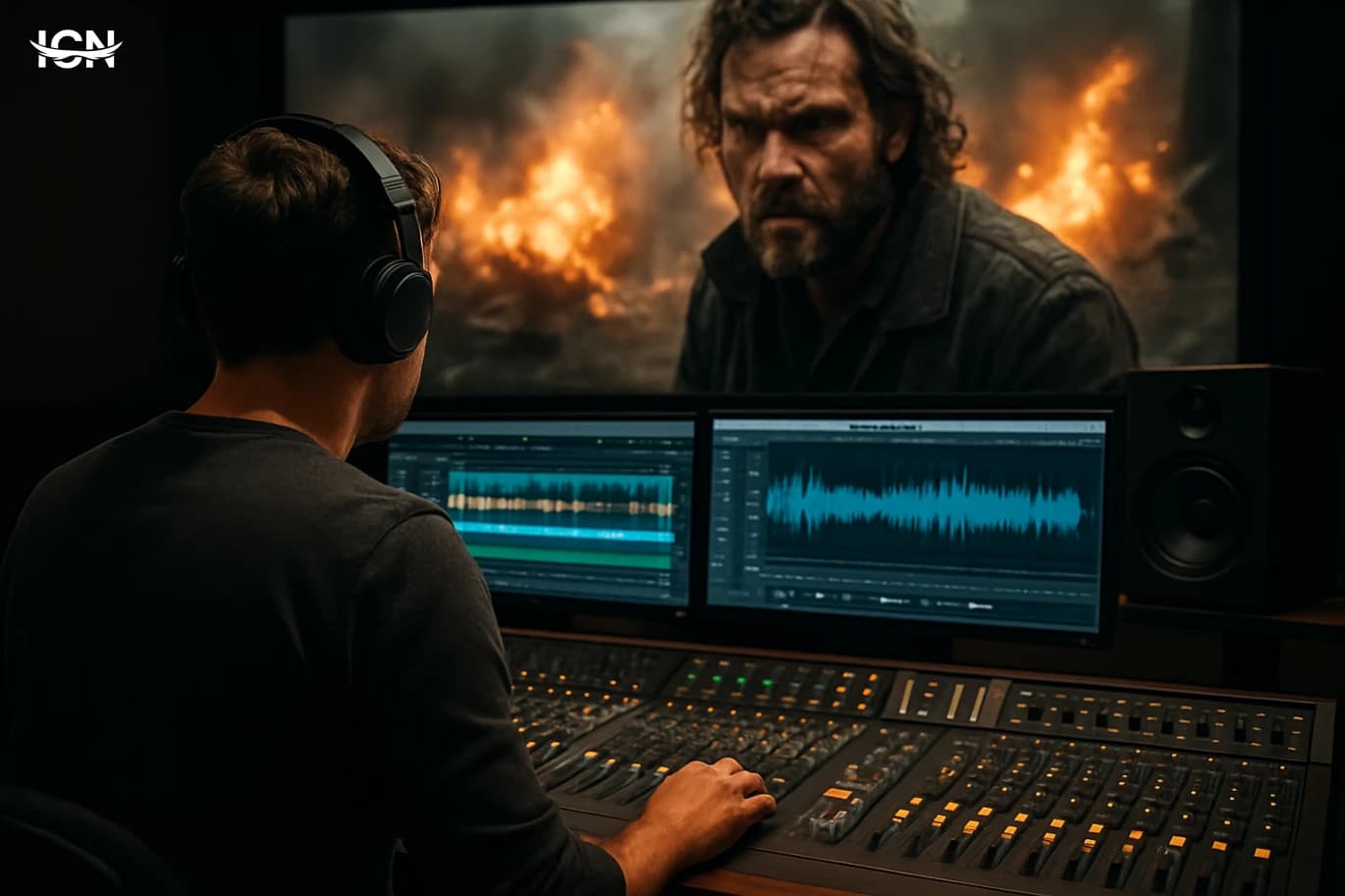
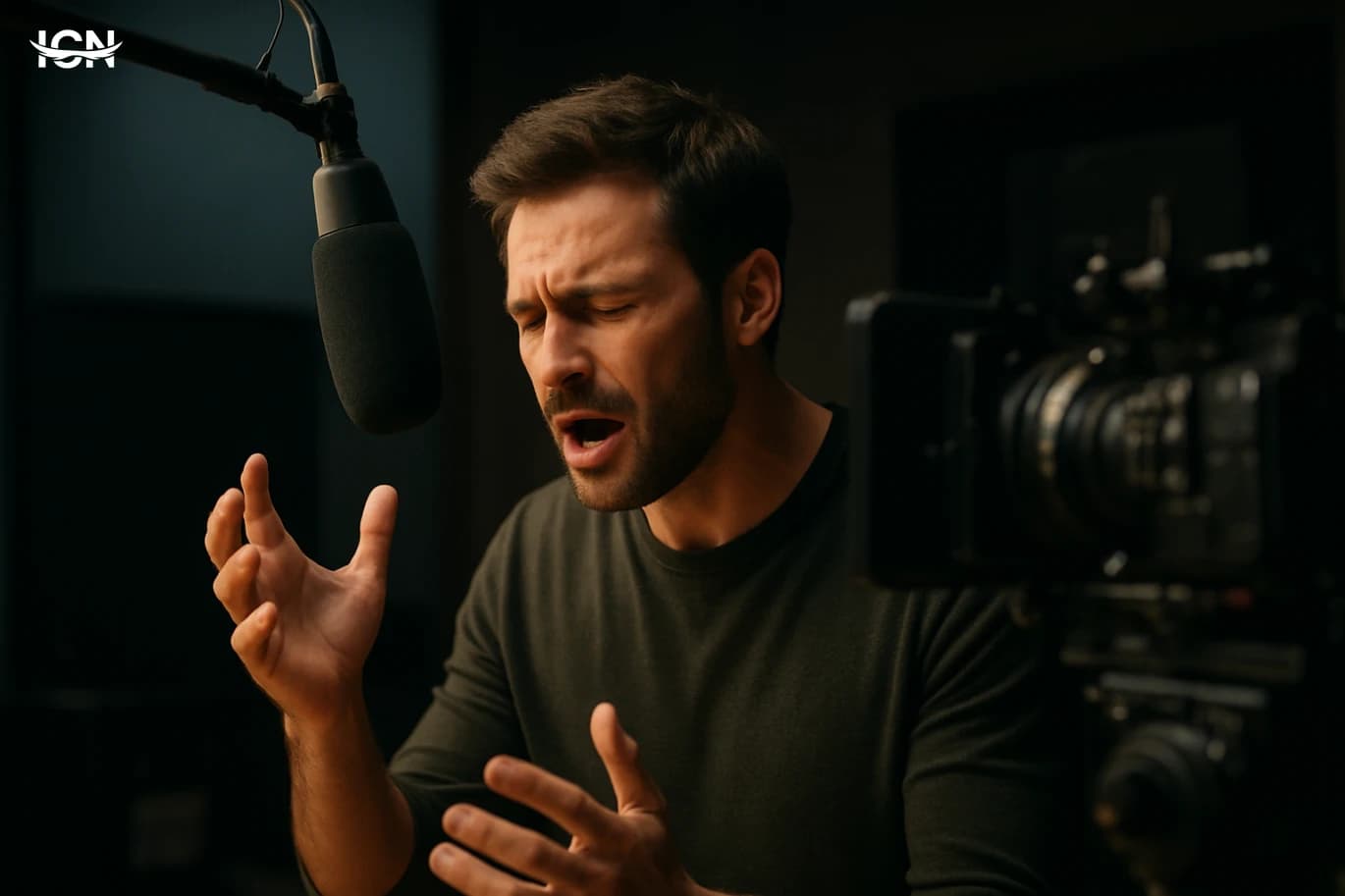
The effect of performance on the cinema cinema industry: It is a vital element on how the audience receives the story. Actors play a fundamental role in reviving characters, which contributes to the transmission of the message in an effective manner. The difference between performance on the stage and the screen performance on the screen: It is characterized by the presence of more imaging and freedom techniques in expression, while theatrical performance needs more purity in the direct expression. Each form of performance requires specific skills, as the theater depends on direct live practice, while cinema seeks to accurately details and production.