App Logo

Download Our App

Shop your way

logologo
Image

Merry Christmas

12/24/2025By: ICN
Merry Christmas

Introduction to Christmas

A. Date and when Christmas is celebrated It commemorates the birth of Jesus Christ, and is celebrated on December 25 of each year. This date was chosen according to Christian tradition, and dates back to the fourth century AD. The date of celebration varies between Christian sects, as some sects celebrate Christmas on January 7, and this is due to the difference in calendars. for. The importance of the holiday in the Christian tradition Christmas represents a symbol of hope and love in Christianity. Eid brings goodness and giving, as gifts are exchanged and homes are decorated with lights and decorations that express joy. Christmas is an opportunity to renew family and social ties, and to affirm spiritual and religious values ​​in the Christian community.

Christmas symbols and signs

A. Tree and Holiday Decorations Christmas is not complete without a Christmas tree. Decorated with colorful balls and lights, the tree is a symbol of joy and new life. Friends and family gather around the tree to exchange gifts, strengthening family ties. for. Icons and Candles Icons and candles are an essential part of Christmas celebrations. Candles symbolize light and hope, while icons reflect religious heritage. Christians light candles in churches and homes, embodying the spiritual and sacred bonds on this holiday.

Christmas rituals and celebrations

A. Mass and Christmas in churches Masses in churches are among the most important rituals associated with Christmas, where believers gather to pray and listen to the recitation of Christmas stories. Festive songs are sung, creating a spiritual atmosphere that everyone cherishes. for. Gift distribution and family celebrations After Mass, family and friends gather at their homes to celebrate. Gifts are distributed to children and adults alike, a tradition that strengthens family relationships. Everyone presents sweets and holiday dishes, reflecting the joy of celebration and bringing people together in special moments.

Traditional Christmas foods

A. Special occasion foods Traditional foods are an integral part of Christmas celebrations. This includes dishes such as stuffed turkey, which is a symbol of generosity and celebration. Various other dishes are also prepared, including grilled vegetables and rice with nuts, which add a special touch to the Eid table. for. Sweets and Eid Dishes Christmas celebrations are not complete without special desserts. Cakes, decorated cookies, and holiday cakes are some of the dishes that everyone will be happy to eat. These sweets are served with tea or coffee, to complete the unique festive atmosphere, increasing joy and happiness among attendees.

Expressions of joy and social communication

A. Exchanging congratulations and wishes. Christmas celebrations are characterized by the exchange of congratulations and wishes between individuals. Everyone is keen to send greeting cards and expressions of love that reflect their festive feelings. This exchange contributes to spreading joy and strengthening social bonds between friends and family. for. Eid events and festivals The Christmas period witnesses the organization of many events and festivals. These events include musical performances, Christmas markets, and decorating the streets with bright lights. These activities seek to bring people together to celebrate the spirit of Eid and promote community belonging. These events give an extra touch to the occasions and immerse everyone in an atmosphere of joy and affection.


* All articles published on this blog are sourced from various websites and are provided for informational purposes only. They should not be considered as confirmed studies or accurate information. Please verify the information independently before relying on it.

Similar ARTICLES

Friendship Day Beyond Messages
The International Day of Friendship is observed on July 30 and was designated by the United Nations to highlight friendship as a practical social resource, not a sentimental slogan. The idea is straightforward: when people maintain reliable ties across neighborhoods, workplaces, schools, and cultures, communities handle everyday pressures better, from isolation to misunderstanding. In many countries the date is marked quietly, but it has grown in visibility through social platforms and workplace initiatives. What makes this day relevant in 2026 is not the calendar, but the context. Many adults report shrinking circles as routines become more demanding, while younger people often have wide online networks but fewer stable, long-term bonds. Friendship is also increasingly shaped by mobility: people change cities, jobs, and schedules more frequently, which can weaken continuity. The day offers a clear prompt to review how friendships are maintained, what habits keep them healthy, and what practical steps can make them more resilient over time.
Safer Swim Day for Every Family
World Drowning Prevention Day is a practical reminder that drowning is fast, quiet, and often preventable with simple routines. Families tend to focus on “deep water” risks, yet many incidents happen in everyday settings: a backyard pool during a gathering, a hotel pool on vacation, a beach with changing currents, or even a shallow inflatable pool when adults are distracted. The day is not about fear; it is about building habits that work the same way every time, regardless of location. For parents, the most useful takeaway is to treat water safety like seatbelts: non-negotiable and consistent. That means assigning supervision, using barriers, choosing visible swimwear, and preparing for emergencies before a child is near water. It also means understanding that confidence is not competence. A child who “loves water” or “can float” still needs close supervision and layers of protection. The goal is to reduce risk through multiple safeguards, so one mistake does not become a tragedy.
Jerash Festival 2026: A legacy that spans generations.
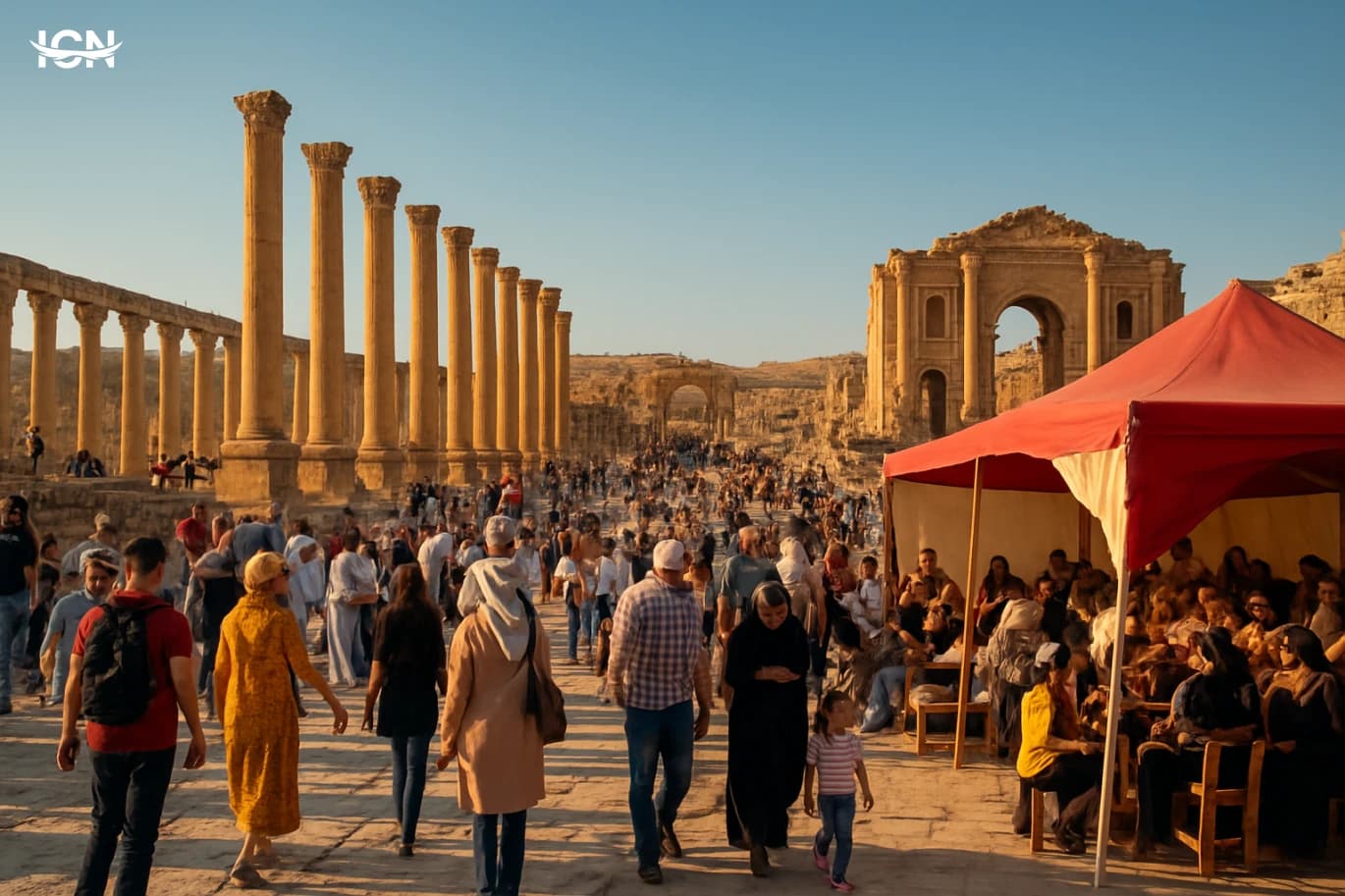
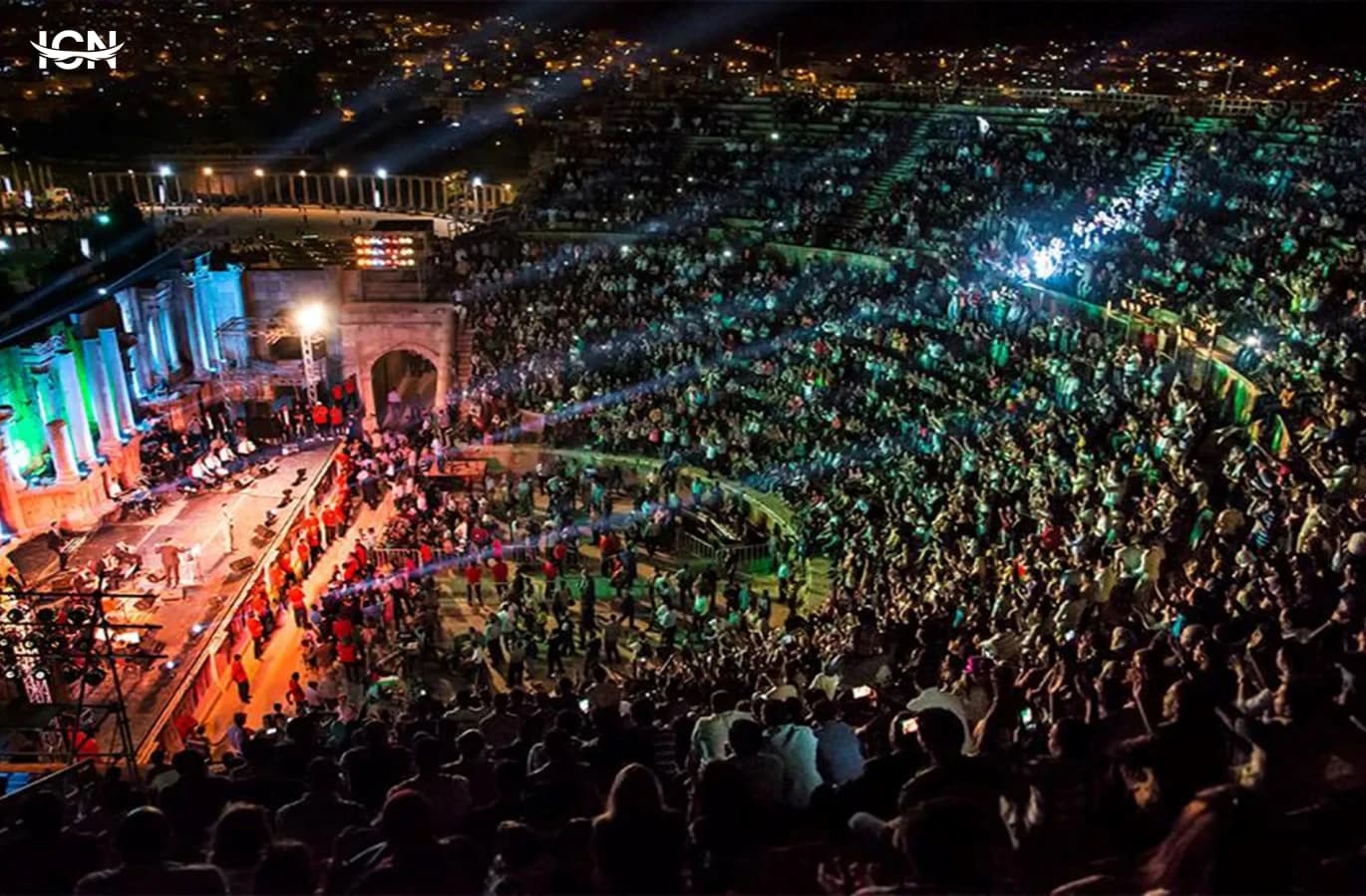
The Jerash Festival for Culture and Arts is inseparable from its setting. It is hosted in the ancient city of Jerash, where Roman-era theaters, colonnaded streets, and open courtyards create a working venue rather than a backdrop. That physical environment influences what audiences see and how organizers plan: sound checks must account for stone acoustics, seating is fixed by heritage structures, and crowd movement follows archaeological pathways. The result is a festival experience that feels anchored in a specific geography and history, not a generic summer program. This connection to place also shapes the festival’s identity within Jordan’s annual calendar. Jerash is close enough to Amman for day trips, yet distinct enough to feel like a destination. Visitors often combine performances with daytime visits to the archaeological site, local markets, and nearby nature areas. For many Jordanians and regional guests, the festival becomes a structured reason to return to Jerash each year, reinforcing the city’s role as a cultural hub rather than only a heritage stop on a tour itinerary.
Self-Care Day With Practical Habits
The World Self-Care Day is observed on 24 July and is often linked to the idea of “24/7” care: small choices that support health every day, not only during a holiday. In many workplaces and households, people treat wellbeing as something to fix after exhaustion appears. This day shifts the conversation toward prevention, consistency, and realistic routines that fit modern schedules. Self-care is not a luxury category or a trend product. In public health and everyday life, it is a set of actions that help people maintain physical, mental, and social functioning. That can include sleep habits, hydration, movement, stress management, and timely checkups. The value of the day is that it provides a calendar moment to review what is working, what is not, and what can be adjusted without major cost. A useful way to approach the day is to treat it like an annual “maintenance check” for personal habits. Instead of aiming for a complete lifestyle overhaul, focus on a few measurable changes that can be repeated. The goal is to reduce friction: make the healthy option easier to do than the unhealthy one, and keep the plan simple enough to survive busy weeks.
World Moon Day Beyond the Headlines
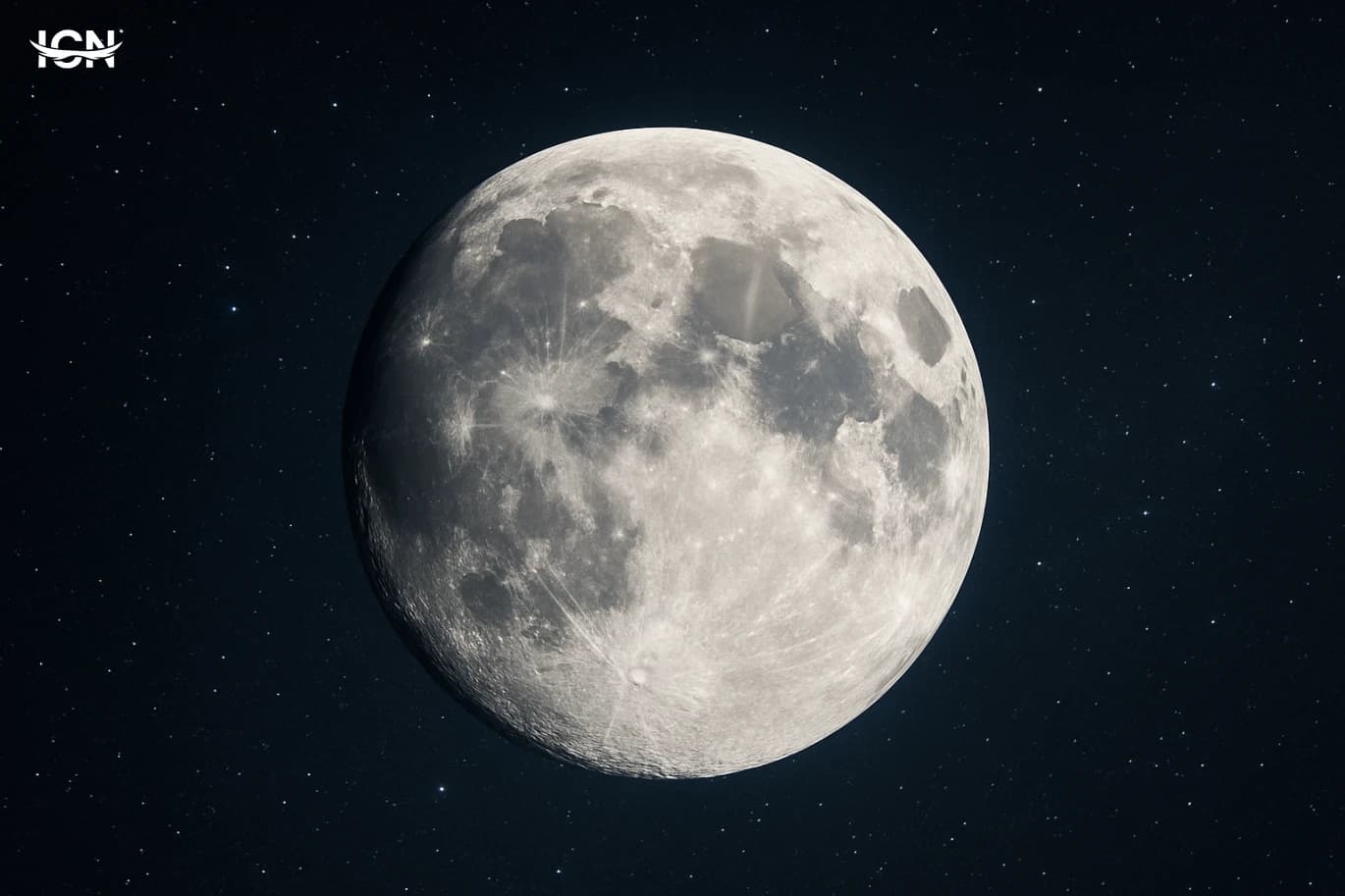
World Moon Day is observed on 20 July, the date when Apollo 11 achieved the first human landing on the Moon in 1969. The day is not a space agency anniversary alone; it has become a public-facing moment to revisit how lunar exploration changed science, engineering, and global cooperation in research. In many countries it is treated as an educational observance rather than a formal holiday, which means its impact depends on what institutions, museums, schools, and media choose to do with it. The most useful way to understand World Moon Day is as a checkpoint. It invites audiences to compare the Moon of 1969—seen mainly through televised images and Cold War-era milestones—with the Moon of today, where multiple nations and private companies plan robotic missions, sample returns, and long-term infrastructure. The celebration is therefore less about nostalgia and more about tracking progress: what has been learned, what is being built, and what questions remain unanswered about the Moon’s geology, resources, and role in future space operations.
International Chess Day Beyond the Board
International Chess Day is observed on July 20, marking the founding of the International Chess Federation (FIDE) in 1924. The date is less about a single tournament and more about recognizing chess as a global cultural practice that crosses languages, ages, and income levels. In many countries, the day is used to highlight chess in schools, libraries, and community centers, where a board and pieces can create structured competition without requiring expensive equipment. The modern significance of the day has expanded with technology. Online platforms have made chess accessible to people who do not have local clubs, and they have also created new ways to learn through puzzles, analysis tools, and live broadcasts. International Chess Day now functions as a checkpoint for the chess ecosystem: educators discuss curriculum programs, organizers announce community events, and players reflect on how the game shapes habits such as planning, patience, and decision-making under time limits.
Youth Skills Day in Practice
World Youth Skills Day is often treated as a calendar moment, but its real value shows up in hiring decisions and workplace performance. Employers in many sectors now screen for evidence of applied skills rather than only degrees, especially for entry-level roles where job tasks change quickly. That shift is tied to automation, new digital tools, and the growing use of project-based work. For young people, the day is a reminder that employability is built through demonstrable capabilities: completing tasks, collaborating, communicating clearly, and learning new tools on short timelines. A practical way to use the day is to look at the “skills signals” employers actually trust. These signals include a portfolio of work samples, documented projects, verified micro-credentials, and references that describe specific outcomes. Even in non-technical roles, employers increasingly ask for proof of planning, reporting, customer interaction, and basic data handling. The day also highlights a gap: many young people have skills but lack a way to present them. Bridging that gap is not only a personal branding exercise; it is a measurable advantage in competitive job markets. For organizations, World Youth Skills Day can be a prompt to review how they recruit and train. Companies that rely on narrow credential filters may miss capable candidates. Simple changes—skills-based job descriptions, structured interviews, and short practical tasks—can improve hiring quality. The day is therefore less about celebration and more about aligning education, training, and recruitment with the realities of modern work.
World Chocolate Day
World Chocolate Day
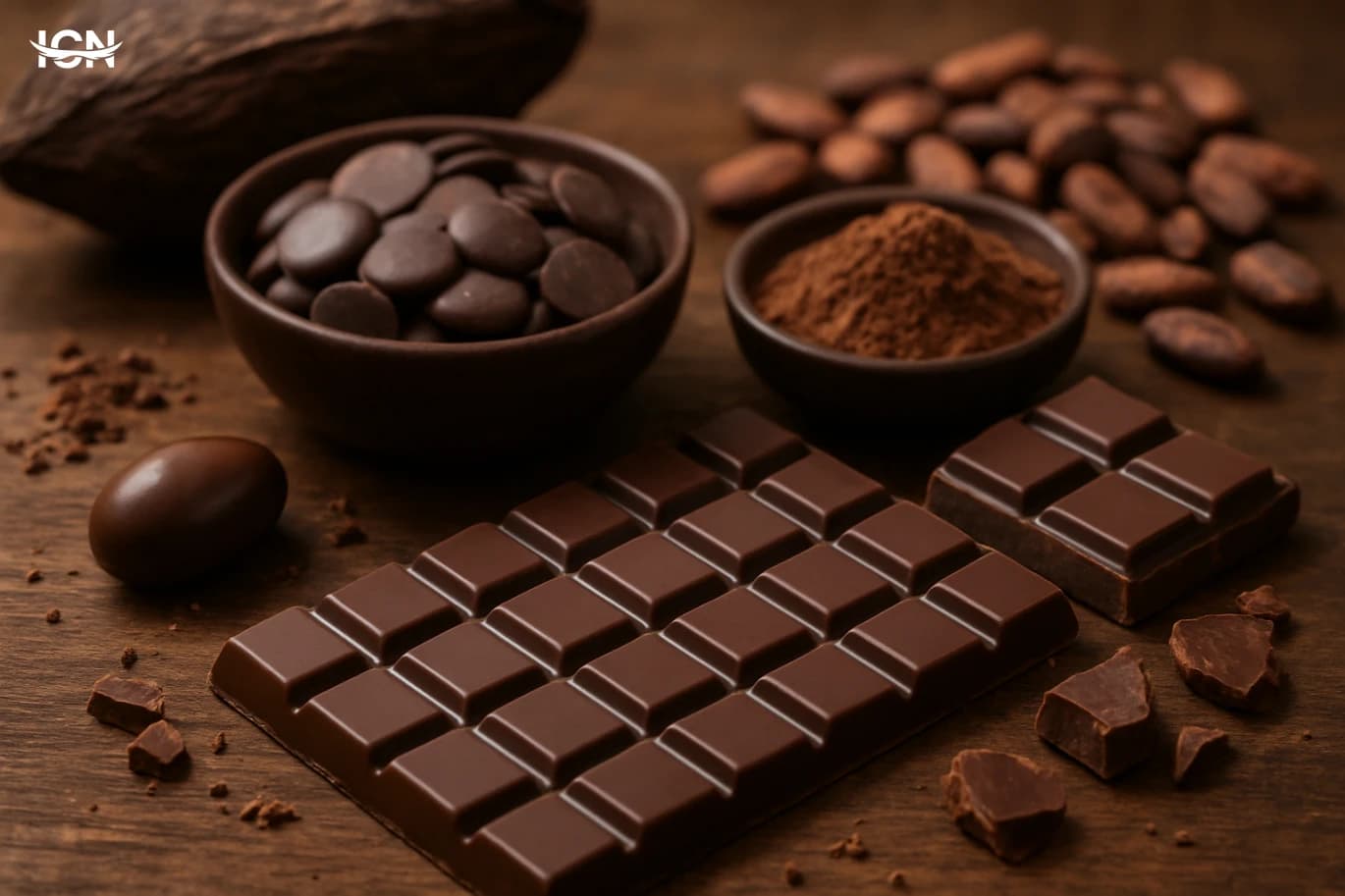
World Chocolate Day is a simple excuse to plan a trip around taste, craft, and local culture. Chocolate tourism is not only about buying sweets; it often includes factory visits, bean-to-bar workshops, museum stops, and café routes that reveal how a destination works with ingredients, design, and hospitality. Many cities also schedule summer tastings, limited-edition menus, and pop-up markets around early July, which makes it easier to build a short itinerary. For travelers, chocolate is a practical theme because it fits different budgets and trip styles. You can do it as a weekend city break with cafés and boutiques, or as a longer journey that includes plantations, culinary schools, and regional pairings such as coffee, wine, or tea. It also works well for families, since most experiences are daytime activities with clear schedules and easy logistics. Below are six destinations where chocolate is part of the local identity, with specific neighborhoods, venues, and planning tips to make the trip feel organized rather than random snacking between landmarks.
Jerash Festival Unveils a Fresh Visual Identity
For decades, the Jerash Festival for Culture and Arts has been one of Jordan’s most visible summer fixtures, drawing audiences to performances, exhibitions, and cultural programming that connect the country’s contemporary creative scene with a landmark setting. The festival’s reputation has been built on continuity: recurring venues, familiar seasonal timing, and a program that mixes music, theatre, poetry, and family activities. That continuity matters because it shapes how people recognize the festival at a glance, whether through a poster in the street, a social media announcement, or a televised segment. In that context, revealing a new visual identity is more than a design update. It is a public statement about how the festival wants to be seen now, and how it plans to speak to audiences who consume culture through fast-moving digital channels as much as through in-person attendance. A refreshed identity can clarify what the festival stands for, make its communications more consistent, and help it compete for attention in a crowded calendar of regional events. The headline message is balance: keeping the festival’s heritage visible while giving it a contemporary, flexible look that works across modern platforms.
World Camera Day and Its Journey
World Camera Day is a practical reminder of how photography moved from a specialist craft into a daily habit. The camera is no longer just a device for artists or journalists; it is a tool used in education, business, travel, and personal documentation. On this day, many communities and brands highlight workshops, photo walks, and exhibitions that encourage people to look more carefully at their surroundings and to preserve moments with intention. The celebration also draws attention to the camera’s role in recording history. Families rely on photos to build personal archives, while institutions use images to document events, products, and public life. At the same time, the day is an opportunity to discuss responsible image-making: accuracy in captions, respect for privacy, and the difference between documenting reality and staging it. These themes connect directly to the camera’s evolution, because every technical leap has changed what people can capture, how quickly they can share it, and how widely images can circulate.
Why the World Celebrates Music Day
World Music Day is observed each year on June 21 in many countries as a public-facing celebration of music in everyday life. The date is widely associated with the Fête de la Musique, a concept launched in France in 1982 that encouraged people to make music outdoors and attend free performances. Over time, the idea spread internationally through cultural institutions, city programs, and community organizers, and the day became a recognizable annual moment for concerts, workshops, and open stages. What makes the day distinct is its emphasis on accessibility. Events are often designed to be low-cost or free, held in public squares, parks, libraries, schools, and transit hubs. The goal is not to promote a single genre or a specific industry agenda, but to create a shared space where amateurs and professionals can perform side by side. In many cities, the day also serves as a showcase for local talent, giving emerging artists a chance to reach audiences beyond typical venues. The celebration has no single global organizer, so activities vary by country and even by neighborhood. Some places focus on street performances and community choirs, while others highlight orchestras, jazz ensembles, or youth bands. This flexibility is part of why the day has endured: it can reflect local musical traditions while still connecting to a broader international calendar.
Wellness Built on Sustainable Joy
World Wellness Day 2026 arrives at a time when many people are rethinking what “feeling well” actually means. The conversation is shifting from short bursts of motivation to habits that can survive busy schedules, economic pressure, and constant digital noise. In that shift, sustainable joy is becoming a practical concept rather than a vague slogan: it is the kind of positive mood that is supported by routines, relationships, and environments, not by one-off treats. This year’s framing connects wellness to everyday delight that does not depend on overconsumption, extreme routines, or perfect circumstances. It also aligns with how workplaces, schools, and city programs increasingly talk about wellbeing: as something measurable through sleep quality, stress levels, movement, and social connection. Sustainable joy fits these metrics because it is repeatable. It shows up in small, consistent actions—walking meetings, community classes, regular meal timing, and realistic screen boundaries. For families and communities, the message is timely. Celebrations around wellness days often focus on a single event: a run, a yoga session, a health fair. Those are useful, but the bigger opportunity is to use the day as a reset point for the next 12 months. The goal is not to chase happiness; it is to design conditions that make calm, energy, and optimism more likely on ordinary days.
Celebrating Red Rose Day
Red Rose Day is a modern, informal occasion centered on giving red roses as a clear, recognizable sign of appreciation and affection. Unlike fixed national holidays, it is often observed through personal gestures rather than official events, which makes it flexible across cultures and communities. People use it as a prompt to pause and express gratitude to those who matter, whether that is a partner, a close friend, a parent, a mentor, or a colleague who has offered steady support. The red rose carries a strong visual message: it is bold, easy to identify, and widely associated with warmth and sincerity. That clarity is part of its appeal in a busy calendar of celebrations. A single rose can feel intentional and personal, while a bouquet can mark a larger milestone. In practice, Red Rose Day has become less about strict rules and more about choosing a gesture that fits the relationship and the setting, from a simple note attached to a stem to a planned visit with flowers in hand.
By clicking the SUBSCRIBE button, you are agreeing to our Privacy & Cookie Policy If you want to unsubsribe the marketing email, please proceed to our privacy center.
© 2005-2026 ICN. All Rights Reserved.