Meaningful Words for Eid al-Fitr
- Why Eid Words Matter
- Classic Greetings and When to Use Them
- Personal Messages for Family and Close Friends
- Words for Hosts, Neighbors, and Colleagues
- Short Messages for Cards and Social Media
- Practical Etiquette for Better Eid Conversations
Why Eid Words Matter
Eid al-Fitr is often described through visible rituals—prayer, family visits, new clothes, and shared meals—but the words people exchange are just as central to the day. A short greeting can set the tone for a visit, ease old tension, or make someone feel included when they are far from home. In many communities, the first phrases after the Eid prayer are repeated across generations, yet each year they carry a new meaning shaped by personal circumstances. Choosing words thoughtfully is also a practical form of etiquette. Eid gatherings can include relatives of different ages, neighbors, colleagues, and people you may not know well. A clear, respectful message avoids awkwardness and keeps the focus on goodwill. Whether spoken face to face, written in a card, or sent as a message, Eid words work best when they are simple, sincere, and appropriate to the relationship.
Classic Greetings and When to Use Them
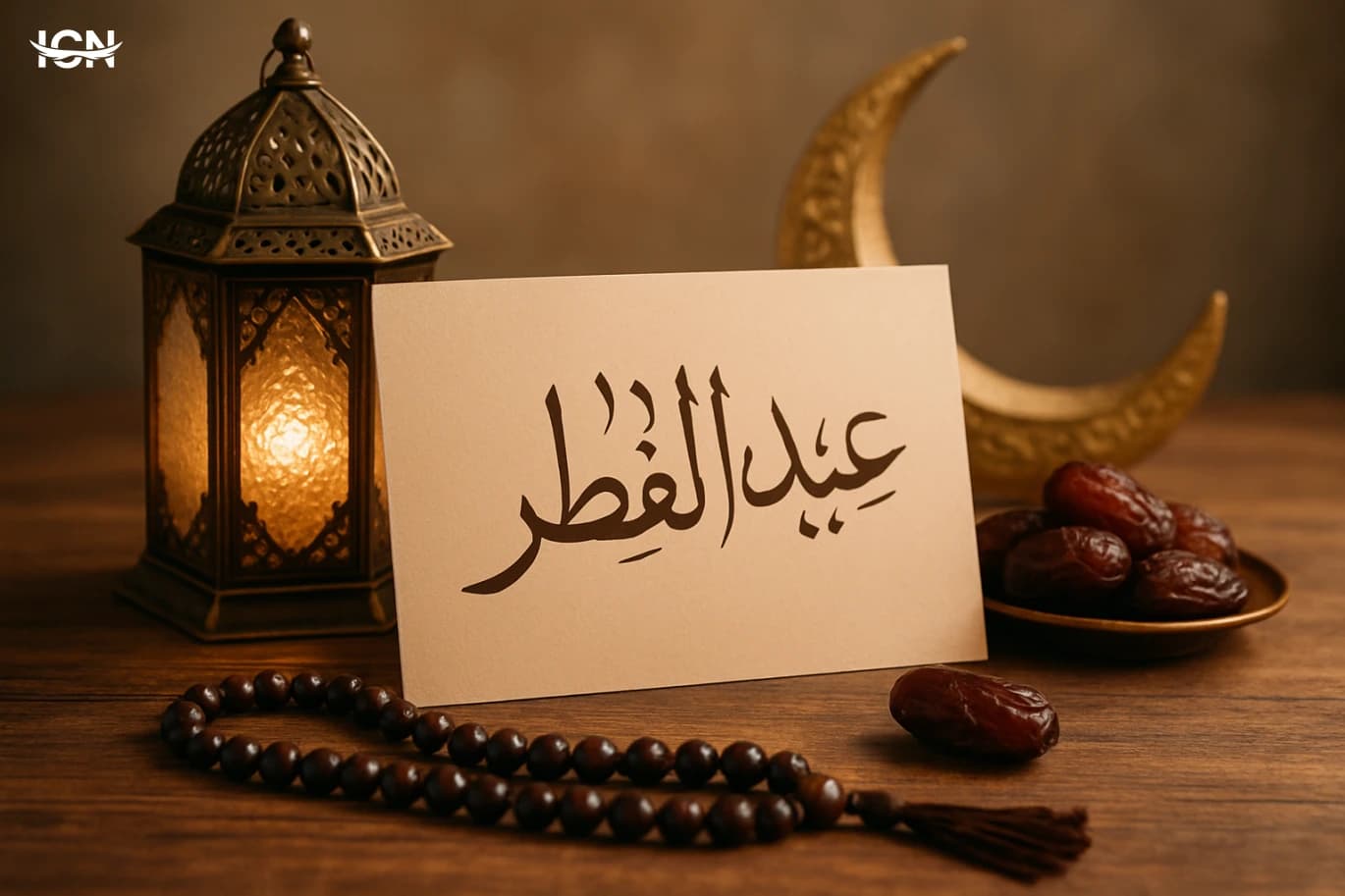
Some Eid greetings are widely understood across Arabic-speaking and Muslim communities, and they work well in most situations. “Eid Mubarak” is the most universal option, suitable for neighbors, colleagues, and casual acquaintances. “Eid Saeed” is also common and carries a similar meaning. If you want to add warmth without becoming overly personal, you can extend the greeting with a short wish such as “May your days be filled with peace and health.” In more traditional family settings, people often use phrases that reference acceptance and blessings. Messages like “May Allah accept from us and from you” are typically exchanged after prayer or during early visits. These expressions fit especially well when speaking to elders or to people who value formal religious phrasing. In professional contexts, a brief greeting is usually best: one sentence, clear and polite, without long voice notes or multiple follow-ups. Timing matters. A message sent early on Eid morning feels attentive, while a late message can still be meaningful if it is honest: “I’m late, but I wanted to wish you a blessed Eid.” What matters most is avoiding copy-paste lines that feel impersonal, especially for close family or friends who expect a more specific note.
Personal Messages for Family and Close Friends
For family and close friends, the most effective Eid message includes one concrete detail. Mention a shared memory from Ramadan, a plan for the day, or a specific appreciation. Instead of a generic “Happy Eid,” you can write: “Eid Mubarak. I’m grateful for your support this year, and I hope we share a calm, joyful day together.” This kind of message feels personal without being overly emotional. If you are writing to parents or older relatives, respect and gratitude are usually the right focus. A short note that acknowledges their effort—hosting, cooking, keeping family ties—fits the occasion. For siblings and close friends, a lighter tone can work: a simple wish for rest, good food, and time together. If distance is a factor, name it directly: “I miss seeing you in person, but I’m thinking of you today.” When relationships have been strained, Eid can be a safe moment to reset without reopening old discussions. A neutral, dignified message such as “Eid Mubarak. Wishing you well and hoping the coming days are better for all of us” signals goodwill while keeping boundaries. The key is to avoid sarcasm, indirect comments, or anything that turns a greeting into a debate.
Words for Hosts, Neighbors, and Colleagues
Eid is a social holiday, and many people spend it moving between homes. If someone hosts you, a good message should acknowledge the effort and the welcome. A practical line works well: “Thank you for having us today. Eid Mubarak, and may your home always be filled with blessings.” If you are sending a note after the visit, mention one specific detail—“The meal was wonderful,” or “Your hospitality made the day easier for us.” For neighbors, the goal is friendly respect. A short greeting at the door, in the elevator, or by message can strengthen everyday community ties. Keep it simple and inclusive, especially in mixed neighborhoods: “Happy Eid. Wishing you and your family a peaceful holiday.” For colleagues, consider workplace norms. If you are part of a team chat, one clear message is enough. If you are writing to a manager or client, keep it formal and brief, and avoid overly personal wishes. If you are unsure about the other person’s preferences, choose neutral language that focuses on wellbeing and kindness. Eid greetings do not need to be long to be effective; they need to be timely, respectful, and consistent with the relationship.
Short Messages for Cards and Social Media
Many Eid greetings are shared through cards, captions, and quick messages. The challenge is to keep them short without sounding automated. A good approach is to use one clear greeting plus one specific wish. Examples include: “Eid Mubarak. Wishing you health, calm, and happy moments,” or “Happy Eid. May your home be filled with warmth and good company.” If you are posting publicly, avoid tagging people who prefer privacy and avoid inside jokes that exclude others. A public message should be broadly respectful and suitable for different audiences. If you want to make it feel more personal, add a line that reflects the day’s routine: “After the Eid prayer, I’m grateful for family, neighbors, and the chance to start fresh.” For group chats, one message is enough. Repeating the same line multiple times can feel noisy. If you receive many greetings, a simple collective reply works: “Eid Mubarak to everyone. Thank you for the kind wishes.” This keeps the exchange polite and manageable during a busy day.
Practical Etiquette for Better Eid Conversations
Good Eid words are not only about the sentence itself, but also about how it is delivered. In person, make eye contact, greet clearly, and keep the first moments light. If you are visiting multiple homes, avoid comparing hosts, meals, or gifts. Compliments should be specific and honest, and they should not create pressure on others. Be mindful of sensitive topics that can turn a greeting into an uncomfortable exchange. If someone mentions fatigue, travel, or a busy schedule, respond with practical kindness: “I hope you get some rest,” or “May your day go smoothly.” If you are speaking with someone who is alone or far from family, include them in the moment: invite them for coffee, share a small plate, or check in later with a short message. Finally, remember that Eid communication is not a performance. The best words are consistent with your behavior: returning calls, showing up on time, thanking people for their effort, and keeping promises. When your actions match your greetings, the holiday feels more coherent and more respectful for everyone involved.