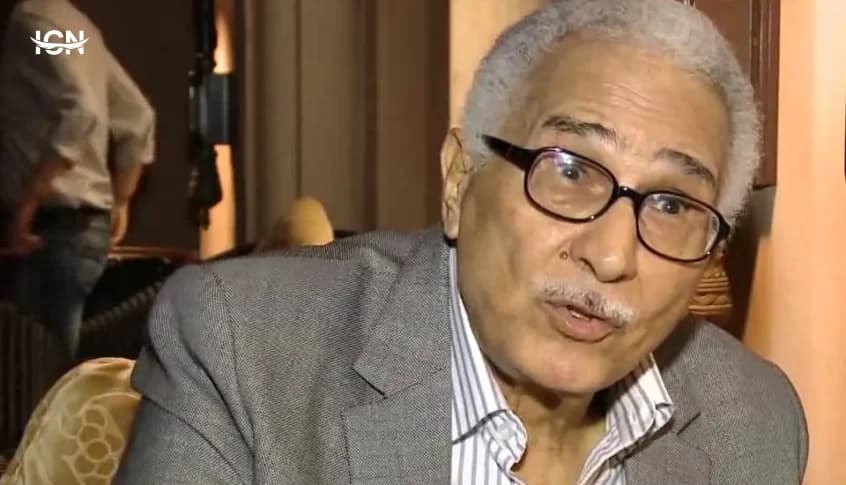
Mahmoud Abbas
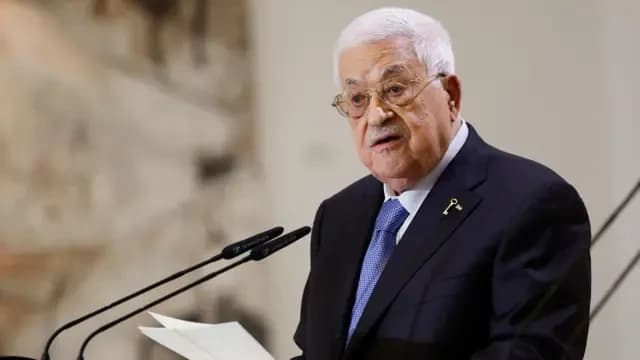
- The life of Mahmoud Abbas
- His political path
- His policies and positions
- International relations
- The positions of normalization with Israel
The life of Mahmoud Abbas
Childbirth and genesis were born Mahmoud Abbas on March 26, 1935 in the city of Safed, Palestine. He grew up in a simple environment, but he grew up feeling the importance of the Palestinian issue. Education moved to Syria after the Nakba in 1948, where he completed his studies in rights. He obtained a master’s degree in international relations from Moscow University in 1982, which contributed to the formation of his political and leadership vision. Abbas is considered one of the founders of the Fatah movement and has become a pioneer in the pursuit of peace between the Palestinians and the Israelis, adopting diplomatic methods in this context.
His political path
Join the Palestine Liberation Organization in 1964, Mahmoud Abbas joined the Palestine Liberation Organization, which effectively contributed to the formulation of official policies and positions. He worked to enhance the organization's position as the only legitimate representative of the Palestinian people, which earned him a strong reputation in the Arab and international arenas. His inauguration as head of the Palestinian National Authority after the death of Yasser Arafat in 2004, Mahmoud Abbas was elected head of the Palestinian National Authority. During his presidency, he faced many challenges, including strengthening Palestinian unity, promoting peace efforts, and achieving economic development. He made his best to achieve stability and security on the Palestinian scene.
His policies and positions
Negotiations with Israel. Mahmoud Abbas was keen to conduct negotiations with Israel, believing that the dialogue is the key to achieving peace. Continue support the peace process despite the challenges, supported by the efforts of the international community. Working to establish an independent Palestinian state, Abbas, strive to enhance international efforts to establish a sovereign and independent Palestinian state. He sought to obtain global recognition that has achieved remarkable results, as it always aims to achieve the aspirations of the Palestinian people in freedom and independence.
International relations
Relations with Arab countries, Mahmoud Abbas, sought to enhance relations with Arab countries, believing that Arab unity is the way to achieve Palestinian goals. He received many Arab leaders and held meetings to enhance Arab support for the question of Palestine, which contributed to strengthening the Palestinian identity in international forums. Relations with the Arab League, Abbas worked to enhance cooperation with the Arab League, calling for increasing support for the efforts of the Palestinian people. He presented many initiatives to preserve the Palestinian issue at the Arab Summit, which reflects his commitment to achieving a comprehensive and fair peace for all the parties concerned.
The positions of normalization with Israel
The refusal of normalization, Mahmoud Abbas affirms the refusal of normalization with Israel unless the Palestinian rights are achieved. He believes that normalization must coincide with real steps towards achieving peace. Emphasizing the necessity of resolving the Palestinian issue first, Abbas believes that resolving the Palestinian issue must be a priority before any kind of normalization. The international community calls for supporting the rights of Palestinians and affirms that permanent peace depends on achieving justice and equality for all parties in the region.