Vienna Launches Eurovision 2026 Season
- A New Eurovision Year Begins
- Vienna’s Host Plan and Venues
- Artists, Delegations, and the Road to Vienna
- Broadcast, Digital Coverage, and Media Week
- Economic and Cultural Impact for Vienna
- What to Watch Next
A New Eurovision Year Begins
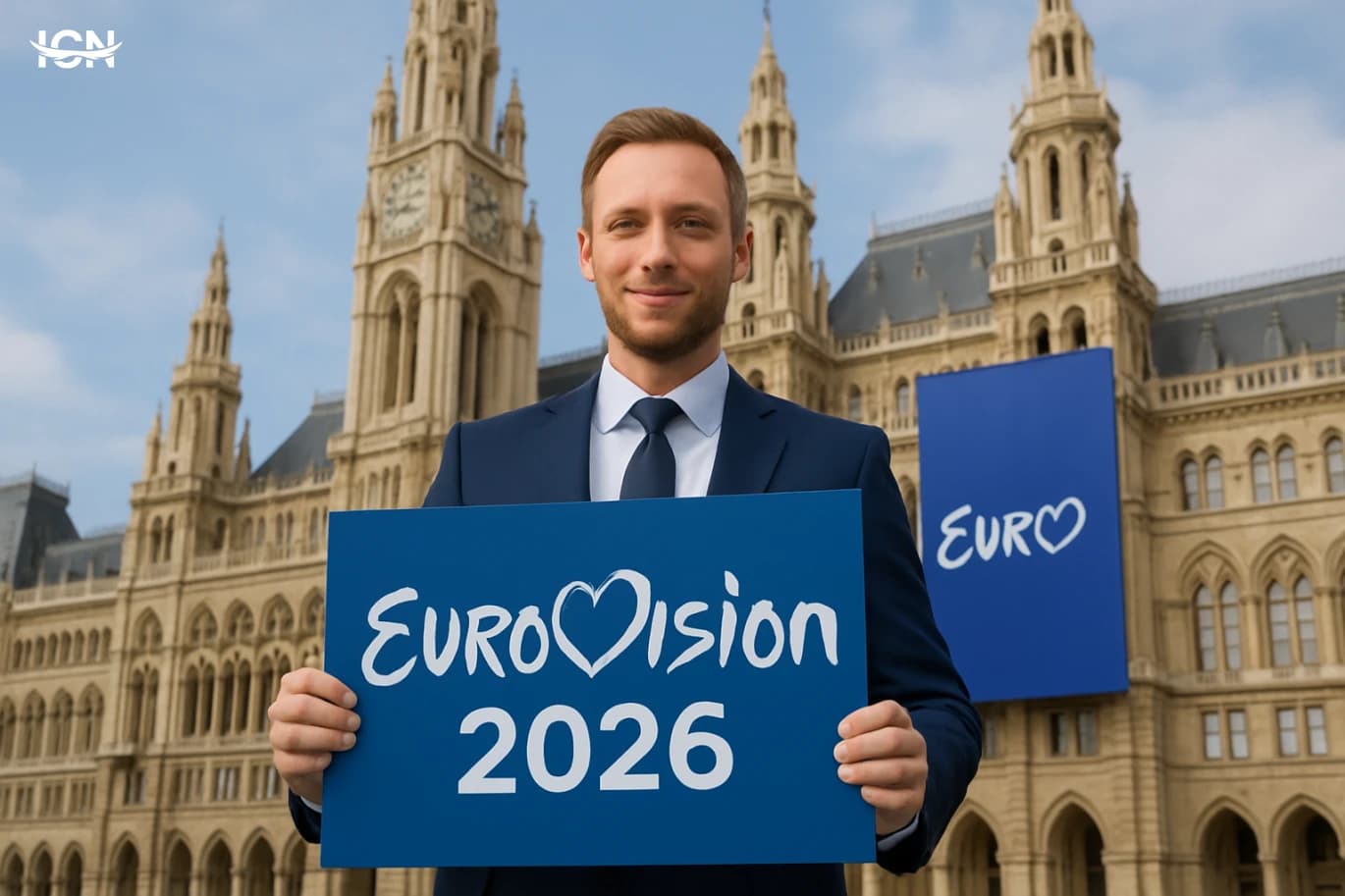
Eurovision 2026 officially gets underway in Vienna, putting the Austrian capital at the center of Europe’s biggest live music television project for the coming months. The launch marks the start of a long production cycle that includes national selections, artist announcements, rehearsals, and a major international broadcast week. For fans, it is the moment when the contest shifts from last year’s memories to a new field of songs, performers, and creative concepts. Vienna’s role at the start of the season is not only symbolic. It signals that the host city is ready to coordinate with the broadcaster, the European Broadcasting Union, and dozens of delegations that will arrive with their own teams and expectations. The early phase focuses on setting the tone: how the event will look on screen, how visitors will move around the city, and how the contest will be presented as both entertainment and a large-scale cultural production. It is also when the public begins to learn what kind of Eurovision Vienna wants to deliver in 2026.
Vienna’s Host Plan and Venues
Host planning typically starts with a clear division between the main show venue, rehearsal facilities, press operations, and fan-facing spaces. Vienna is expected to lean on its strengths as a city with established event infrastructure, reliable public transport, and experience in handling international conferences and cultural festivals. The host plan usually includes a central arena for the live shows, a separate site for delegation logistics, and a media center designed for rapid content production across television, radio, and digital platforms. Beyond the televised shows, the host city program often expands into public screenings, sponsor activations, and music events that run for more than a week. These elements matter because Eurovision is not only a three-show broadcast; it is also a tourism and hospitality surge that affects hotels, restaurants, and local services. Vienna’s approach will likely emphasize crowd management, clear visitor information in multiple languages, and a calendar that spreads activity across different districts to reduce pressure on a single area. For the contest’s public image, the choice of venues and the way they are presented on camera can shape how audiences perceive the host city. Vienna has a recognizable architectural identity and a strong association with music history, and organizers generally aim to integrate that identity into postcards, interval segments, and city branding without turning the broadcast into a tourism advertisement. The balance is to show a real city, support local businesses, and still keep the focus on the competing artists.
Artists, Delegations, and the Road to Vienna
The launch in Vienna also frames the competitive journey that each participating broadcaster will take. Over the season, countries will select their entries through televised national finals, internal selections, or hybrid formats that combine public voting with expert panels. These decisions shape the contest early: a strong national final can build momentum for an artist, while an internal selection can allow a delegation to focus on long-term staging and vocal preparation. For artists, the months leading to Eurovision are a professional marathon. They typically move from studio work to live performance schedules, then into promotional appearances across multiple countries. Delegations also build full creative packages, including stage direction, lighting plans, costume design, and camera scripting. In recent years, the competitive edge has often come from how well a performance is engineered for television rather than from the song alone, which is why rehearsals and technical coordination become central. Vienna’s start-of-season messaging matters here because it sets expectations about production standards and logistical rules. Delegations need clarity on stage dimensions, available technology, rehearsal timetables, and accreditation processes. When those details are communicated early, teams can plan efficiently and reduce last-minute changes that can disrupt performance quality. For viewers, this behind-the-scenes structure is mostly invisible, but it is one of the reasons Eurovision maintains a consistent level of broadcast polish year after year.
Broadcast, Digital Coverage, and Media Week
Eurovision’s modern footprint is built on a mix of traditional broadcasting and high-volume digital coverage. The Vienna launch signals the start of a content calendar that will run across official channels, participating broadcasters, and a large ecosystem of accredited media. In practice, this means frequent updates: entry reveals, rehearsal clips, interviews, behind-the-scenes footage, and short-form videos designed for mobile audiences. Media week operations are a major part of the contest’s professionalism. Journalists and creators typically work from a dedicated press center with scheduled access to artists, production staff, and official briefings. The goal is to keep information consistent while still allowing each outlet to produce distinct coverage. For the host city, this is also a reputational moment: transport reliability, venue access, and clear communication can directly affect how international media describe the experience. Digital engagement has also changed how fans participate. Viewers now follow rehearsal developments in near real time, compare staging choices, and track odds and trends across platforms. Organizers generally respond by offering structured content drops and clear rules on what can be filmed and shared. Vienna’s early-season positioning will likely highlight how it plans to support this always-on media environment while protecting artists’ rehearsal time and maintaining fair conditions for all delegations.
Economic and Cultural Impact for Vienna
Hosting Eurovision typically brings a measurable short-term boost in visitor numbers, hotel occupancy, and spending in food, transport, and entertainment. Vienna’s tourism sector is likely to prepare for peak demand around rehearsal days and live shows, with pricing strategies, staffing plans, and extended service hours. City authorities and event partners often coordinate on signage, crowd flow, and visitor safety standards to keep the experience smooth for both residents and guests. The contest also creates opportunities for local suppliers and creative industries. Large productions require staging materials, technical services, catering, design, and logistics, and organizers often source a significant share locally. For Vienna’s cultural scene, the week can act as a showcase for venues, music institutions, and emerging talent through side events that complement the main broadcast. At the same time, the impact is not automatic; it depends on planning and communication. Residents want clarity about road closures, public transport adjustments, and noise management. Businesses want predictable schedules and information about expected footfall. A well-run host program can leave a positive legacy in the form of improved event capabilities, stronger international visibility, and partnerships that continue beyond 2026.
What to Watch Next
With the season launched in Vienna, attention now turns to the milestones that define the run-up to Eurovision week. The first is the steady reveal of participating artists and songs, followed by the release of official music videos and the early live performances that test how entries translate from studio to stage. These moments often shape initial narratives around favorites, surprise contenders, and distinctive performance concepts. Next comes the practical build-up: ticketing information, fan event schedules, and the publication of key production details that delegations and media rely on. Viewers who plan to travel will watch for guidance on transport options, accessibility, and recommended timing for arrival during the busiest days. Those following from home will focus on rehearsal coverage and official previews that show how the stage is being used. Vienna’s success will be judged on consistency: clear information, reliable operations, and a broadcast that keeps the spotlight on artists while presenting the city with professionalism. As the months progress, the contest will shift from planning to performance, and the launch will be remembered as the point when Eurovision 2026 moved from an announcement into a real, city-wide production schedule.