lgh-alashar
The most important points about it
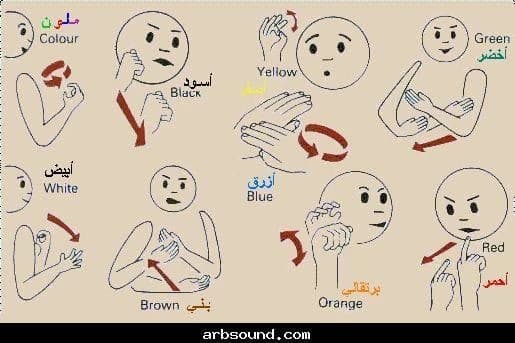
Sign language is a visual-kinesthetic means of communication used by deaf and hard-of-hearing people to express themselves and communicate with others. It relies primarily on hand gestures, facial expressions, and body posture rather than sounds and words. Key points about it: It is not a single universal language: Each country or region often has its own sign language (e.g., American Sign Language (ASL), Jordanian Sign Language, Egyptian Sign Language, etc.). Characteristics: It has independent grammatical and morphological rules and is not simply a sign language. It uses location, direction, and hand movements to create meaning. Facial expressions are an essential part of conveying emotions or sentence types (questions, negatives, exclamations, etc.). Types of signs: Alphabetical signs (manual spelling of letters). Word and sentence signs (direct meaning). Expressive signs (reflecting feelings or states). Importance: It facilitates the integration of deaf people into society. It enhances their right to education, employment, and social life. It helps hearing people communicate effectively. Its development: Today, sign language is taught in schools and universities, and there are certified interpreters in courts, the media, and official institutions.