Jordan Independence Day

- Historical Background
- Declaration of Independence
- Post-Independence Developments
- Celebrations and Traditions
- The Symbolism of Independence Day
- Quick Facts About Jordan’s Independence Day
- Memorable Quote
- Conclusion
Historical Background
The Emergence of the Emirate of Jordan Modern Jordan emerged after the fall of the Ottoman Empire in the early 20th century. In 1921, Prince Abdullah bin Al-Hussein established the Emirate of Transjordan with British support. He became the first ruler of the emirate under British mandate. The Path to Independence For over two decades, Prince Abdullah worked on building institutions and stabilizing the country, all while negotiating with the British for full independence. These efforts bore fruit in 1946, with the formal recognition of Jordan's sovereignty.
Declaration of Independence
On May 25, 1946, the Jordanian Legislative Council passed a resolution proclaiming Jordan as an independent sovereign state, and Prince Abdullah was crowned as King Abdullah I, the first monarch of the Hashemite Kingdom of Jordan. This historic day marked the beginning of a new era. The Jordanian flag was raised, diplomatic relations were established, and Jordan took its rightful place among the independent nations of the world.
Post-Independence Developments
Following independence, Jordan actively developed its infrastructure, education system, and economy. It also participated in regional events, such as the 1948 Arab-Israeli War. The monarchy continued under the Hashemite family: • King Talal bin Abdullah (1951–1952) • King Hussein bin Talal (1952–1999): His reign saw significant modernization and national development. • King Abdullah II bin Al-Hussein (1999–present): He leads Jordan toward economic reforms, digital transformation, and regional diplomacy.
Celebrations and Traditions
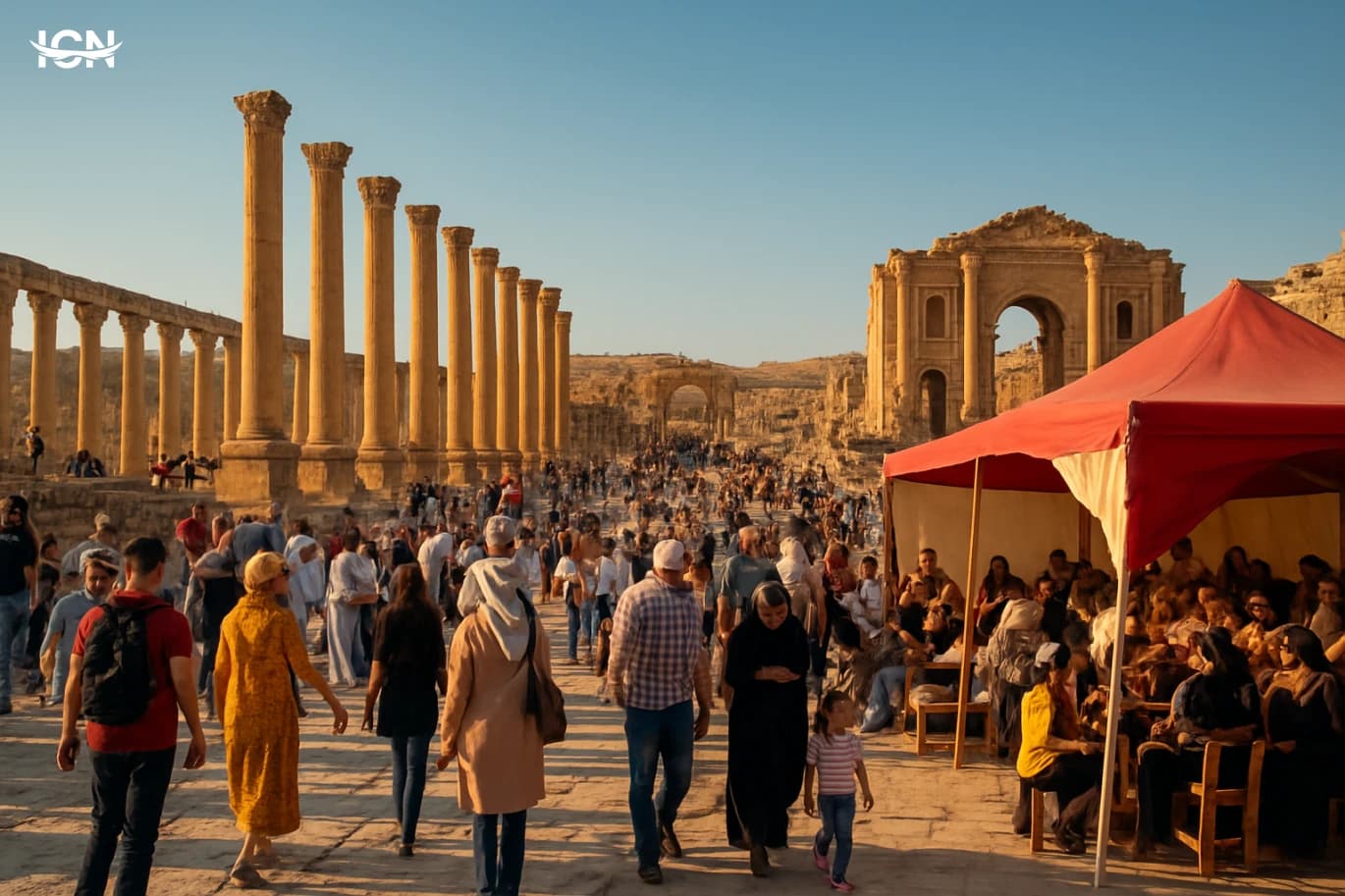
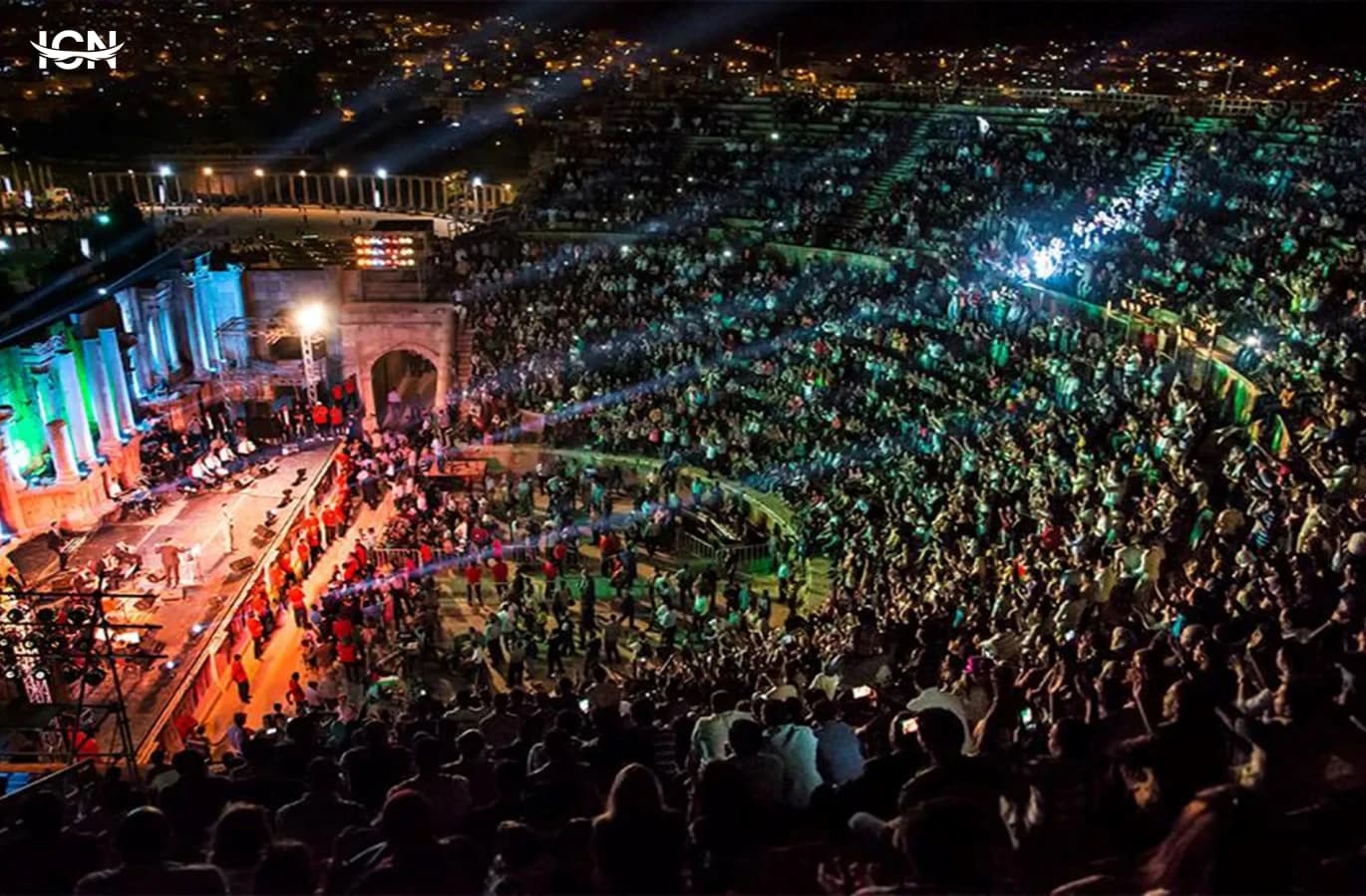
Independence Day in Jordan is marked by both official ceremonies and popular festivities that showcase national unity and pride. 1. Official Ceremonies • Royal attendance: His Majesty King Abdullah II presides over national ceremonies, often held at the Royal Palace or major venues. • Military parades: The Jordanian Armed Forces display their strength and discipline in impressive parades. • Honoring national figures: Medals and decorations are awarded to citizens who have made outstanding contributions to the country. 2. Public Celebrations • Streets and homes are adorned with the Jordanian flag. • Fireworks light up the sky in major cities. • Cultural and artistic events feature traditional music, dances, and patriotic performances. • Schools and universities organize programs that focus on national history and civic pride.
The Symbolism of Independence Day
Jordan’s Independence Day holds deep meaning for every Jordanian: • Sovereignty and dignity: It marks the nation's ability to make its own decisions free of foreign control. • National unity: It brings together all sectors of society in celebration. • Hashemite identity: The day reflects the enduring legacy and legitimacy of the Hashemite monarchy.
Quick Facts About Jordan’s Independence Day
Item Details Date May 25 each year First celebration May 25, 1946 Ruler at the time King Abdullah I bin Al-Hussein Occasion type National – Official Public holiday Yes, for both public and private sectors
Memorable Quote
"We carry the message of the Great Arab Revolt, and we believe that Jordan's future lies in its own hands, and the nation's future lies in its unity." – His Majesty King Abdullah II bin Al-Hussein
Conclusion
Jordan’s Independence Day is not only a commemoration of liberation but also a celebration of the resilience and unity of the Jordanian people. It is a day to honor the sacrifices of the past, reaffirm loyalty to the nation and the Hashemite leadership, and look forward to a future of security, prosperity, and national pride.