App Logo

Download Our App

Shop your way

logologo
Image

Jasmine flower

03/09/2025By: ICN
Jasmine flower

the introduction

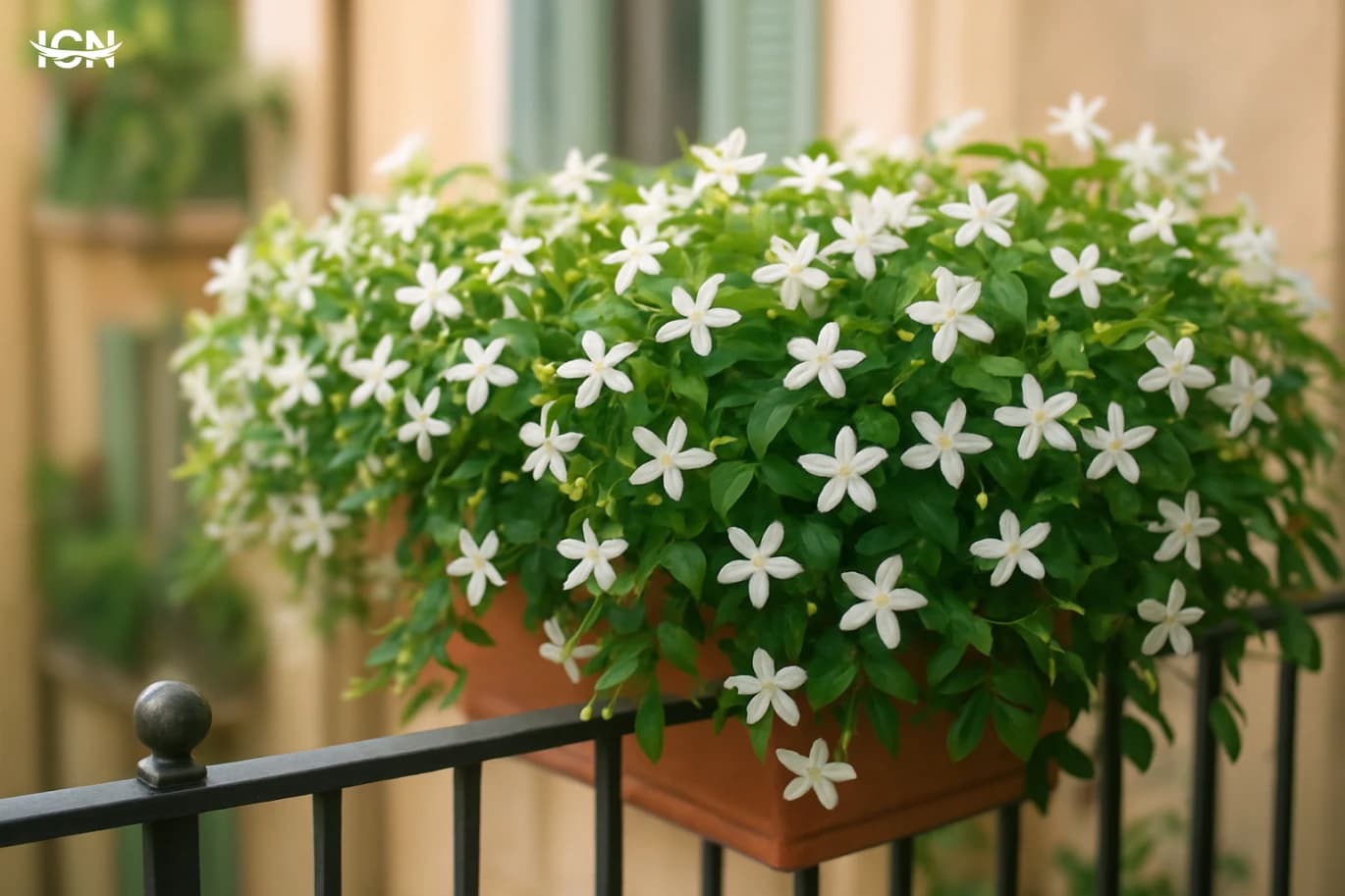
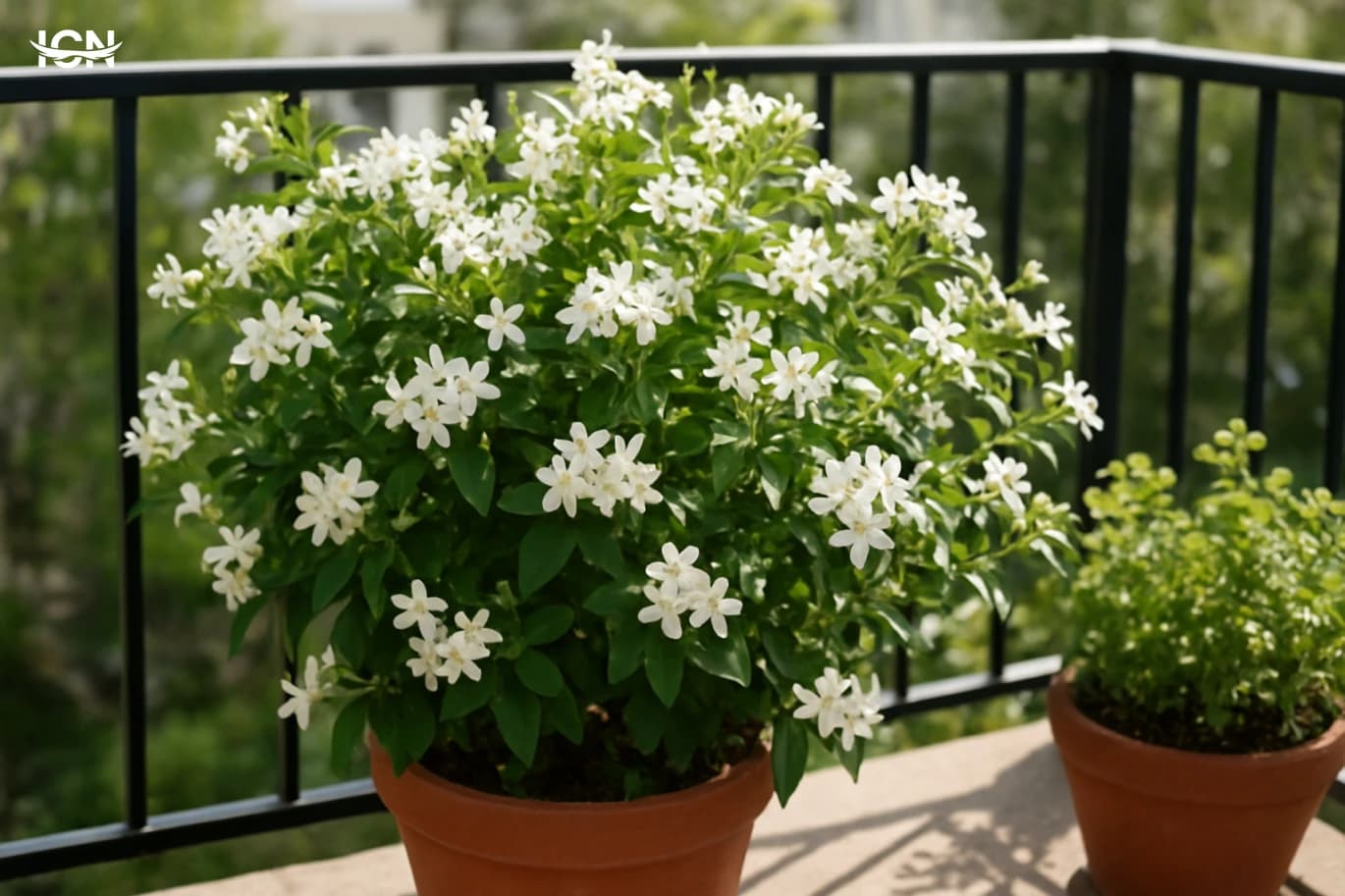
The jasmine flower is one of the most beautiful roses that is characterized by its fragrant scent and its picturesque beauty. It grows over the years in various regions of the world, but it has a special place in Arab culture. Jasmine is a symbol of beauty and tenderness, and it has been used in many rituals and occasions. Its importance also highlights in traditional medicine, as its leaves and flowers are used to prepare many therapeutic prescriptions. Besides, jasmine oil is used to manufacture perfumes and cosmetics. Regardless of where it grows, the jasmine flower remains a title of beauty and romance. The history of jasmine flower is the importance of jasmine flower in Arab culture

The Bootting characteristics of the jasmine flower

Its smell has a jasmine flower with a pleasant and aromatic smell that provokes the senses and gives a feeling of freshness. Its smell is used in the manufacture of luxury perfumes and improving the atmosphere on various occasions. The different colors of jasmine grows jasmine flower in several colors, including white, yellow and pink, which gives it additional beauty and allows them to be used in multiple flower formats. These colors are a symbol of diversity and joy, which makes jasmine an ideal option in decorations and decoration.

Jasmine flower in folk medicine

Medical uses for jasmine flower flower used in folk medicine to treat a variety of health problems. Its calming properties are used to treat anxiety and tension, and jasmine oil is used to massage the body to improve blood circulation. It is often used in natural tea to calm nerves and promote sleep. The health benefits of jasmine are considered to be a jasmine flower rich in antioxidants that help enhance immunity. In addition, it improves skin health thanks to its moisturizing and nutritious properties. Women often recommend to use jasmine extract to relieve menstrual symptoms.

How to grow jasmine flower

Conditions for their growth, the jasmine flower grows better in warm and sunny climates. The soil is preferred to be drained, so it is preferable to cultivate it in a soil rich in membership. Excess irrigation, which may lead to root rot, should be avoided. Correct irrigation techniques should irrigate the jasmine flower in a moderate way, as it is recommended to irrigate when the soil dries a little. It is better to use fresh water and a good space for ventilation around the plant to avoid diseases. The pruning process is also preferable to enhance the growth of new branches and increase the general beauty of the plant.

Manufacturing arts and literal uses

Perfume and oils from jasmine flower flower is widely used in the manufacture of perfumes, from which precious essential oils are extracted. These oils are obtained by steam distillation, which maintains the natural smell of flower. These oils are ideal for charming aromatic notes to luxurious perfumes. The uses of jasmine flower in soap and aesthetic products, jasmine flower, play an important role in making soap and aesthetic preparations. Its distinctive smell and moisturizing properties are added to the soap to enhance the shower experience. It is also used in skin creams to calm the skin and improve its elasticity, making it an essential component in many beauty care products.
* All articles published on this blog are sourced from various websites and are provided for informational purposes only. They should not be considered as confirmed studies or accurate information. Please verify the information independently before relying on it.

Similar ARTICLES

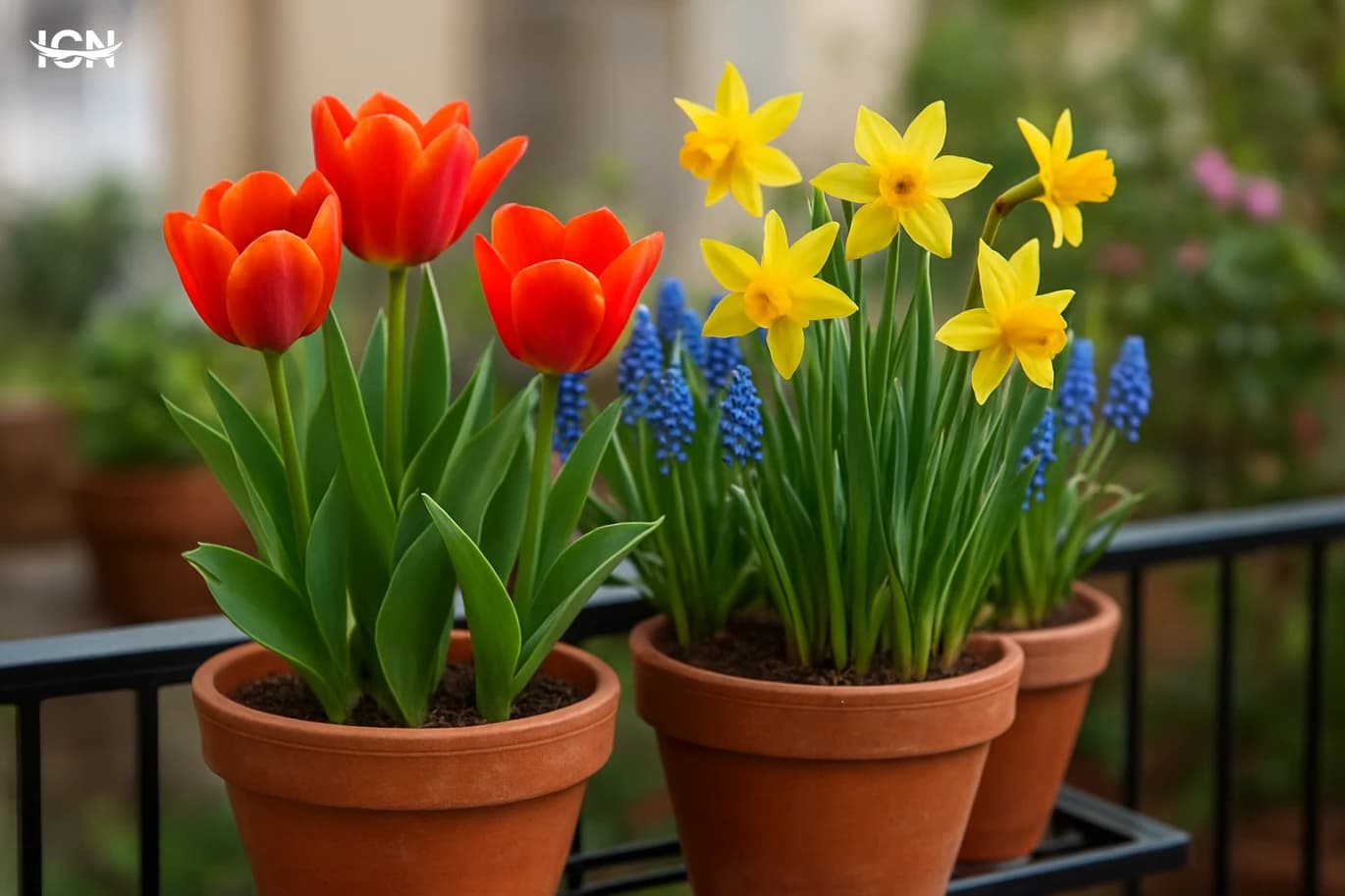
Balcony Bulbs That Bloom Twice
Many balcony gardeners want color that lasts beyond a single short burst. A practical way to extend the season is to use bulbs that can flower, rest, and then flower again under container conditions. “Double-bloom” here does not mean double petals; it means a second wave of blooms in the same year or a reliable repeat in the next cycle with minimal downtime. In mild climates, some bulbs naturally rebloom after a brief rest, while in cooler areas they can be managed to give a spring show and a later repeat. Balconies create a unique microclimate. Pots warm up faster than ground soil, and walls reflect heat and light. That can speed growth and, with careful watering, encourage a second flush. The trade-off is that containers dry out quickly and nutrients wash out, so the plan must include consistent moisture, controlled feeding, and a realistic expectation of what each bulb can do. The goal is not to force every bulb to rebloom, but to choose species and cultivars with a track record of repeating and to set up conditions that protect the bulb’s energy reserves. This topic is especially relevant for small-space gardeners because bulbs deliver a high impact per square centimeter. A single pot can carry a strong spring display, then transition into a later-season accent without replacing the entire planting. With the right choices, you can keep a balcony looking intentional from early spring into late summer using the same containers and a manageable routine.
Indoor Orchid Care for Reliable Blooms
Orchids are often sold in peak bloom, then decline at home because the indoor environment changes faster than the plant can adapt. The most common issue is light: a bright shop display is not the same as a living room corner. Phalaenopsis, the most widely sold indoor orchid, needs bright, indirect light for months to rebuild energy for the next flower spike. Temperature swings are another hidden factor. A plant placed near an air conditioner, heater, or drafty window can drop buds or stop growing even if it looks “fine” for a few weeks. Watering habits also cause slow failure. Many orchids are grown in airy bark mixes that dry quickly; when moved into decorative cachepots, water can pool at the bottom and suffocate roots. Conversely, some homes are very dry, and bark can become hydrophobic, so water runs through without soaking. Finally, orchids are sensitive to stale air and dust on leaves, which reduces photosynthesis. Understanding these indoor stress points makes the rest of care decisions clearer and prevents the cycle of buying a new plant every year.
Balcony Frangipani Care in Temperate Cities
Frangipani (Plumeria) is often associated with tropical gardens, yet it can be a practical ornamental plant for apartment balconies in temperate cities when grown in containers. Its appeal is straightforward: a sculptural branching shape, glossy leaves in the warm season, and strongly scented blooms that can appear from late spring through summer under good light. For small spaces, a single well-trained plant can act as a focal point without needing a large bed or permanent landscaping. The key is understanding that balcony success depends less on “tropical climate” and more on controllable factors: sun exposure, pot size, drainage, and winter protection. Because it is naturally drought-tolerant once established, it suits busy schedules better than many thirsty flowering shrubs. However, it is sensitive to cold and waterlogged soil, which are common balcony pitfalls in cooler regions. This guide focuses on practical, city-friendly routines that keep the plant compact, healthy, and reliably flowering in a pot.
Balcony Jasmine That Blooms All Season
Jasmine is one of the most practical ornamental choices for small outdoor spaces because it combines fragrance, evergreen or semi-evergreen foliage (depending on the type), and a natural climbing habit. On balconies, it can be trained vertically on a trellis or railing, which saves floor space and creates privacy without heavy structures. Many jasmine varieties also tolerate container life well when the pot size and drainage are right. For balcony growing, the most commonly used options are star jasmine (Trachelospermum jasminoides), Arabian jasmine (Jasminum sambac), and common jasmine (Jasminum officinale). Star jasmine is not a true jasmine botanically, but it is popular for its glossy leaves and strong scent, and it handles mild cold better than sambac. Arabian jasmine is prized for intense fragrance and frequent flowering in warm conditions, but it needs more protection from cold and wind. Common jasmine can flower heavily with good light and is often trained on supports. Choosing the right type is not just about flowers; it is about matching your balcony’s conditions. A windy, exposed high-rise balcony may suit star jasmine better than sambac. A warm, sheltered balcony with bright light can support sambac and reward you with repeated flushes of blooms. If you start with a plant that fits your microclimate, the rest of the care becomes straightforward and predictable.
Balcony Jasmine That Blooms for Months
Jasmine is one of the few ornamental plants that can deliver both a strong visual impact and a noticeable fragrance in a compact home setting. On balconies, the goal is usually consistent flowering, manageable growth, and a plant that tolerates container life. Several jasmine types fit that brief, but they behave differently: some bloom in warm months, some in cooler seasons, and some focus more on foliage than flowers. Understanding these differences upfront helps you choose a plant that matches your balcony’s light, wind exposure, and the time of year you want the most blooms. For many households, the practical appeal is that jasmine can be trained vertically. A single pot can cover a trellis, railing, or wall grid, creating privacy and softening hard surfaces without taking up floor space. It also responds well to pruning, which is essential in containers. The key is to treat jasmine like a planned project: pick the right variety, give it a stable support, and set a routine for watering and feeding that keeps buds forming instead of pushing only leafy growth.
Balcony Flowers That Thrive in Summer Heat
Balconies can run hotter than nearby gardens because sun reflects off walls, glass, and paving, while wind dries pots quickly. In many cities, a south- or west-facing balcony can see several hours of intense afternoon sun, and container soil can heat up fast, stressing roots even when the plant looks fine in the morning. Choosing flowers and ornamental plants that tolerate heat is not only about survival; it is about keeping steady color, healthy foliage, and manageable maintenance through the hottest weeks. Heat-tolerant choices also reduce water waste. Plants that cope with high temperatures typically have thicker leaves, deeper root systems for their size, or growth habits that limit evaporation. That means fewer emergency waterings and less risk of the common balcony problem: alternating drought and overwatering. A heat-ready planting plan can still look lush, but it relies on the right species, the right pot size, and a realistic routine that fits how often you can water and how much sun your balcony receives.
Galadius. The most beautiful home ornamental plants
Information about the Gladius Gladiusus is a flower plant characterized by its bright colors and unique shapes. It belongs to the lily family, and is considered one of the common options in the coordination of flowers, as it blooms in the summer and continues until the fall season. The Gladius is distinguished by growing from a bulb, making it easy to grow and care. The importance of the Gladius in the adornment of the house adds the flowers of the Gladiusal a unique aesthetic to anywhere. It is widely used in home decorations and occasions due to its beauty and various colors. It can be used as a major element in flower coordination, giving space a new life. In addition, the Gladius flowers reflect joy and pleasure, making it an ideal choice to give a positive spirit to homes.
Tulip flower: definition, types, cultivation, and care for it
The history of the tulip flower is considered one of the most prominent flowers that is characterized by its beauty and diversity of colors. The flower entered Europe in the sixteenth century, attracted the attention of many because of its unique shape and attractiveness. During this period, the tulip turned into a symbol of wealth and wealth, which led to the madness of tulip cultivation in the Netherlands, as it became one of the main industries in the country. The importance of the tulip flower, the tulip flower is not just a beautiful flower, but rather carries multiple cultural symbols. It is used in various occasions as a symbol of love and hope. This flower is also considered part of the Dutch heritage, where special festivals are held that celebrate its beauty. Tulip is grown in many countries around the world, which contributes to enhancing agricultural tourism and supporting the local economy.
By clicking the SUBSCRIBE button, you are agreeing to our Privacy & Cookie Policy If you want to unsubsribe the marketing email, please proceed to our privacy center.
© 2005-2026 ICN. All Rights Reserved.