Balcony Flowers That Thrive in Summer Heat
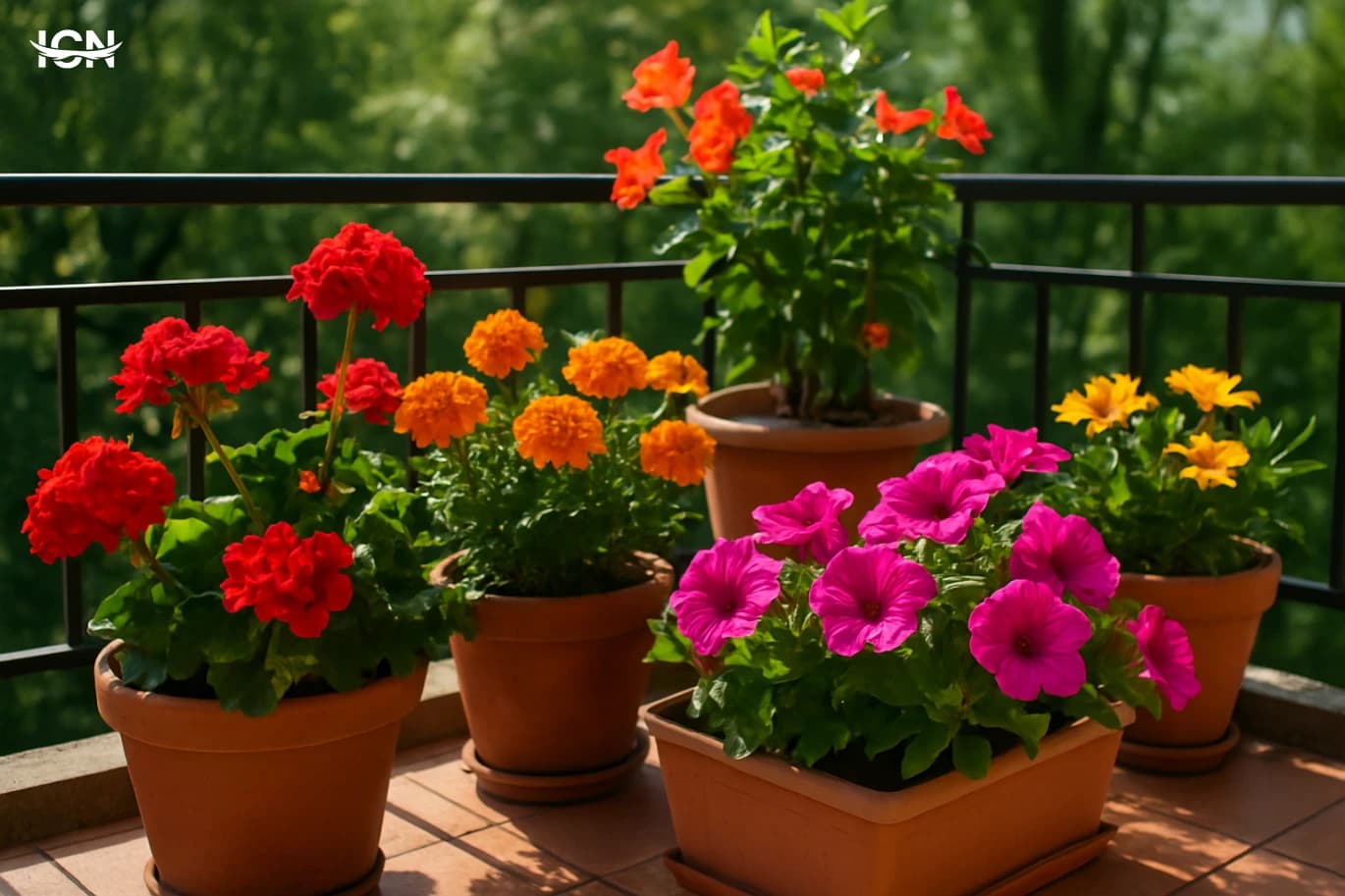
- Why heat-ready balcony plants matter
- Top flowers for full sun containers
- Heat-smart potting and soil setup
- Watering and feeding without guesswork
- Pests, sunburn, and quick fixes
- A simple summer planting plan
Why heat-ready balcony plants matter
Balconies can run hotter than nearby gardens because sun reflects off walls, glass, and paving, while wind dries pots quickly. In many cities, a south- or west-facing balcony can see several hours of intense afternoon sun, and container soil can heat up fast, stressing roots even when the plant looks fine in the morning. Choosing flowers and ornamental plants that tolerate heat is not only about survival; it is about keeping steady color, healthy foliage, and manageable maintenance through the hottest weeks. Heat-tolerant choices also reduce water waste. Plants that cope with high temperatures typically have thicker leaves, deeper root systems for their size, or growth habits that limit evaporation. That means fewer emergency waterings and less risk of the common balcony problem: alternating drought and overwatering. A heat-ready planting plan can still look lush, but it relies on the right species, the right pot size, and a realistic routine that fits how often you can water and how much sun your balcony receives.
Top flowers for full sun containers
For balconies with 6–8 hours of direct sun, start with proven performers. Geraniums (Pelargonium) handle heat well and keep flowering if you remove spent blooms and avoid constantly wet soil. Lantana is another reliable option: it thrives in high temperatures, attracts pollinators, and tolerates short dry spells once established. Portulaca (moss rose) is ideal for the hottest ledges because its succulent leaves store water; it opens flowers in strong light and stays compact. Zinnias work well in deeper pots where roots can stay cooler; choose compact varieties for containers and give them good airflow to reduce mildew. Vinca (Catharanthus roseus) is widely used in hot climates because it continues blooming when many annuals stall; it prefers warm nights and consistent but not excessive watering. For a more ornamental foliage-and-flower mix, consider dwarf bougainvillea in a large pot if your balcony is bright and you can provide a sturdy support; it is drought-tolerant once settled but needs careful pruning and a pot that will not tip. When combining plants, group those with similar water needs. Pair lantana with portulaca or vinca rather than with thirsty shade plants. Use trailing types like calibrachoa only if you can water regularly; it can tolerate heat but dislikes drying out completely in small pots.
Heat-smart potting and soil setup
Container choice can decide whether a plant thrives or struggles. In heat, larger pots are usually better because they buffer temperature swings and hold moisture longer. A 30–40 cm diameter pot can keep roots noticeably cooler than a small decorative container. Light-colored pots reflect sunlight and reduce heat absorption; dark plastic can overheat quickly on a sunny balcony. If you prefer dark pots for style, consider double-potting: place the nursery pot inside a larger outer pot with a small air gap. Use a high-quality potting mix designed for containers, not garden soil, which compacts and drains poorly in pots. In very hot conditions, adding 10–20% perlite improves aeration, while a small portion of compost can support steady growth. Avoid overloading with water-retentive materials if your balcony gets sudden summer storms; roots need oxygen as much as moisture. A 2–3 cm mulch layer on top of the soil, using fine bark or coconut coir, can reduce evaporation and keep the surface from baking. Drainage is essential. Every pot should have holes, and saucers should not hold standing water for long periods. If water runs straight through, that is often a sign the mix has become hydrophobic from drying out; re-wet slowly by watering in two passes, five minutes apart, rather than flooding once.
Watering and feeding without guesswork
In summer, the most common balcony failure is inconsistent watering. A practical rule is to water early morning when possible; it reduces evaporation and gives plants time to absorb moisture before peak heat. Check moisture by feeling 3–5 cm below the surface. If it is dry at that depth, water thoroughly until a small amount drains out. Frequent light splashes encourage shallow roots and make plants more vulnerable to heat. Fertilizing should match the plant and the container size. Many flowering annuals in pots benefit from a balanced liquid feed every 10–14 days, while slow-release granules can cover 6–10 weeks depending on the product. Overfeeding in heat can cause soft growth that wilts quickly and attracts pests. Watch for clear signals: pale leaves and reduced flowering often indicate nutrient depletion in containers, especially after repeated watering that leaches minerals. If you travel or cannot water daily, use simple tools rather than hoping for the best. Self-watering planters, drip lines connected to a timer, or even a few terracotta watering spikes can stabilize moisture. Grouping pots together also reduces drying from wind, and placing the most sensitive plants slightly behind taller, tougher ones can cut afternoon stress without turning the balcony into full shade.
Pests, sunburn, and quick fixes
Heat stress often shows up as leaf scorch, curled edges, or flowers dropping early. Sunburn is most common when a plant is moved suddenly from partial shade to full sun. Acclimate new purchases over 5–7 days by increasing sun exposure gradually. If scorching appears, provide temporary shade cloth during the harshest afternoon hours and remove the most damaged leaves to reduce stress. Common balcony pests in warm weather include aphids, spider mites, and whiteflies. Spider mites thrive in hot, dry conditions and can be identified by fine webbing and stippled leaves. A strong water spray on the undersides of leaves can reduce populations, followed by insecticidal soap if needed. Avoid spraying oils during peak heat because they can worsen leaf burn; apply early morning and test on a small area first. Good airflow is a preventive tool. Do not pack pots too tightly, and prune dense growth on lantana, geraniums, and bougainvillea to keep light and air moving through the canopy. Remove fallen petals and leaves from the soil surface; decaying debris can attract fungus gnats and create localized rot in humid corners of the balcony.
A simple summer planting plan
A practical way to build a heat-tolerant balcony display is to use a three-layer layout: one structural plant, two to three main bloomers, and one trailing filler. For a 1–2 meter balcony rail, start with one large pot (35–45 cm) holding a dwarf bougainvillea or a compact shrub-like lantana as the anchor. Add two medium pots (25–30 cm) with geraniums for steady color and easy deadheading. Finish with two smaller pots (20–25 cm) of portulaca placed on the sunniest edge where it will flower heavily. Keep spacing realistic. Leave at least 10–15 cm between pots for airflow and access for watering. If your balcony is extremely windy, swap lightweight plastic for heavier ceramic or add gravel to the bottom third of large pots (without blocking drainage holes) to improve stability. Use plant ties for taller stems and check them weekly; in heat, growth can be fast and ties can start cutting into stems. This plan is designed to look good with a predictable routine: deep watering in the morning, quick pest checks twice a week, and a light feed every two weeks for the heavy bloomers. With these basics, a summer balcony can stay colorful and orderly without constant replacement plants or daily troubleshooting.