Iraqi dinar
- the introduction
- The value of the Iraqi dinar
- Critical versions and currencies
- Iraqi economy and dinar
- Using the Iraqi dinar
the introduction
The history of the Iraqi dinar is the Iraqi dinar is the official currency of Iraq, as it was presented for the first time in 1932. The Iraqi dinar replaced the Iraqi pound, which was the prevailing currency at the time, with the aim of improving the country's financial system and strengthening the economy. The Iraqi dinar has passed several changes and updates during the past decades, especially in periods of wars and economic crises. Despite these challenges, the dinar is still a symbol of financial stability in Iraq. The Iraqi dinar structure consists of the Iraqi dinar from sub -units known as fils, where it equals 1000 fils one dinar. Monetary papers are characterized by unique designs that represent Iraqi history and culture, which contributes to national solidarity. The critical structure contributes to enhancing confidence in the currency.
The value of the Iraqi dinar
Factors of the effect of the value of the dinar The value of the Iraqi dinar is affected by several factors, including the economic and political situation in the country, the levels of inflation and oil prices. These factors are major indicators that directly affect the stability and value of the currency compared to other currencies. The monetary policies adopted by the central bank also play a vital role in controlling the value of the dinar. The value of the dinar against the dollar has evolved over the years, the Iraqi dinar has witnessed great fluctuations in its value against the US dollar. After wars and crises, its value has declined significantly, but in recent years it has begun to regain some of its value thanks to the government's efforts to reconstruct the economy and improve financial conditions.
Critical versions and currencies
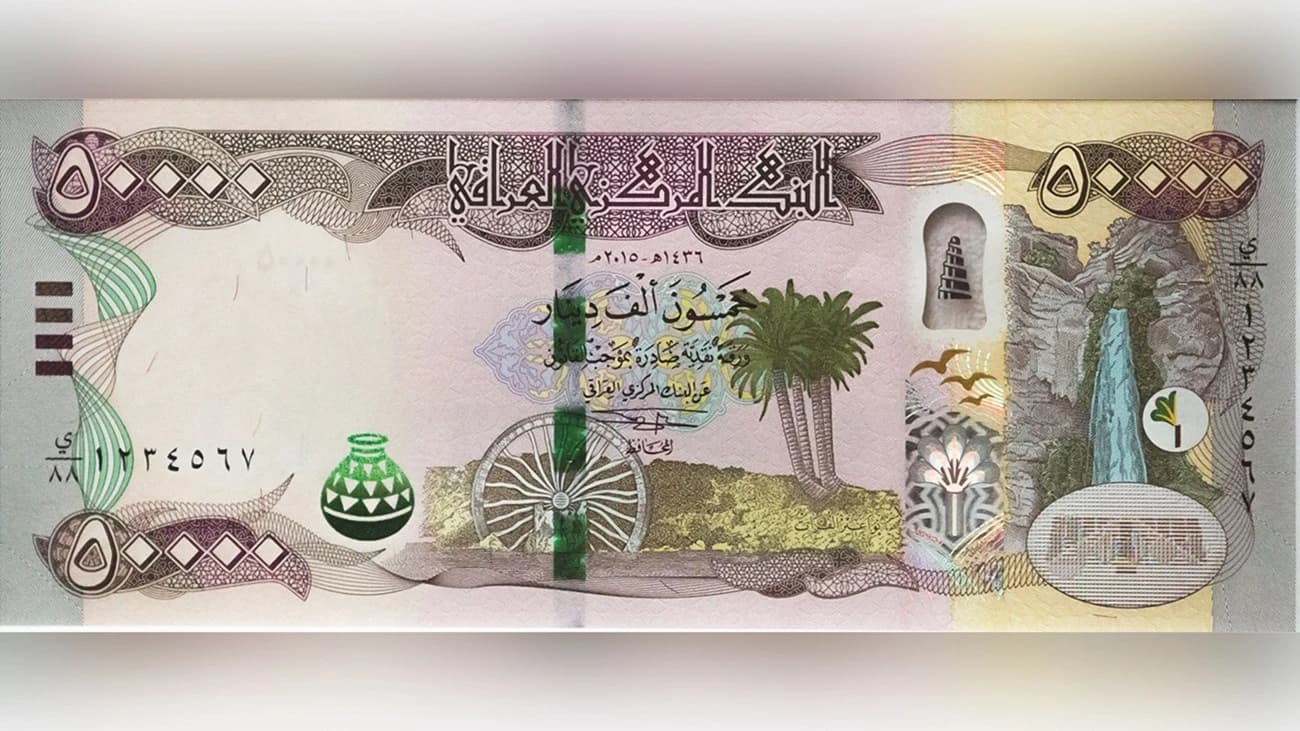
Paper dinars versions The Iraqi dinar was issued in several paper categories, where the categories range between 1 dinars and 50,000 dinars. The latest versions started in 2003 after major changes in the financial system, as currencies were designed in an attractive way that reflects Iraqi culture and history. The specifications of cash currencies The Iraqi coins are characterized by the presence of security elements such as graphic drawing and security threads, as well as pictures of important historical and cultural monuments. These specifications enhance the confidence of citizens and investors in the stability of the dinar and help prevent forgery.
Iraqi economy and dinar
The role of the dinar in the Iraqi economy is the Iraqi dinar is the backbone of the economy, as it contributes to facilitating trade exchanges and stimulating local and foreign investments. The dinar allows people and commercial activities to manage their daily transactions effectively, which enhances general economic growth. The challenges facing the Iraqi dinar faces several challenges, including inflation, corruption and weak infrastructure. These factors negatively affect its value and reduce investor confidence. The biggest challenge lies in the stability of the economy and improving monetary policies to enhance the value of the dinar in the future.
Using the Iraqi dinar
The ways to use the dinar in daily life use the Iraqi dinar in daily life to enhance commercial transactions and buy goods and services. It is the main currency on which citizens depend to settle their bank accounts and buy from different markets. The presence of the dinar also helps in achieving the financial stability of individuals. The role of the dinar in international trade also contributes to the Iraqi dinar to international trade, as it facilitates trade exchanges between Iraq and other countries. By adopting the dinar in international transactions, Iraq can enhance its commercial relations and increase its exports, which enhances the country's economic situation.