App Logo

Download Our App

Shop your way

logologo
Image

How to prepare your child to receive a new baby

09/30/2025By: ICN
How to prepare your child to receive a new baby

Knowing the stages of the child's growth before the newborn comes

A. Understanding natural changes in the child's behavior is the need for parents to understand natural changes in children's behavior that helps them prepare for the arrival of the new baby. Knowing the stages of growth is the basis for understanding how the child interacts with his environment and the growth of his mental and physical abilities. for. Monitor reactions to changes. Parents should monitor children's reactions to the changes surrounding them. This monitoring allows them to learn how to adapt the child to new variables, which facilitates the process of preparing him to receive the newborn. Attention to these aspects contributes to promoting family communication and building a healthy and comfortable relationship for children.

Preparing the child to receive the new baby

A. Talking to the child about the new baby, parents should start talking to their child about the new baby before his arrival. They can use stories and games to clarify the idea of ​​brotherhood. This helps the child to understand what is expected and reduces his anxiety. for. Enhancing a sense of safety and reassurance is also important to enhance the child's safety feeling. Parents should spend time with their child and provide emotional support, which helps them feel that they are still important in the family even with the arrival of the new baby. Providing a safe and fun environment that contributes to facilitating the child's transfer to this change.

Preparing the home environment for the new baby

A. Customize a special place for the newborn when the newborn arrives, parents must allocate a special space for him, such as a bedroom or an angle in another room, equipped with a comfortable bed and health supplies. This helps to provide a quiet and safe environment for the child. for. Organizing breastfeeding and clothing supplies is also important to organize breastfeeding and clothes supplies in a available and easy -to -use manner. Parents should prepare breastfeeding bottles, diapers and clothes suitable for the newborn in nearby places. This makes it easier for them to deal with the child's needs quickly and effectively, which makes the first days after birth less stress and more comfortable.

Enhancing the relationship between the child and the little brother

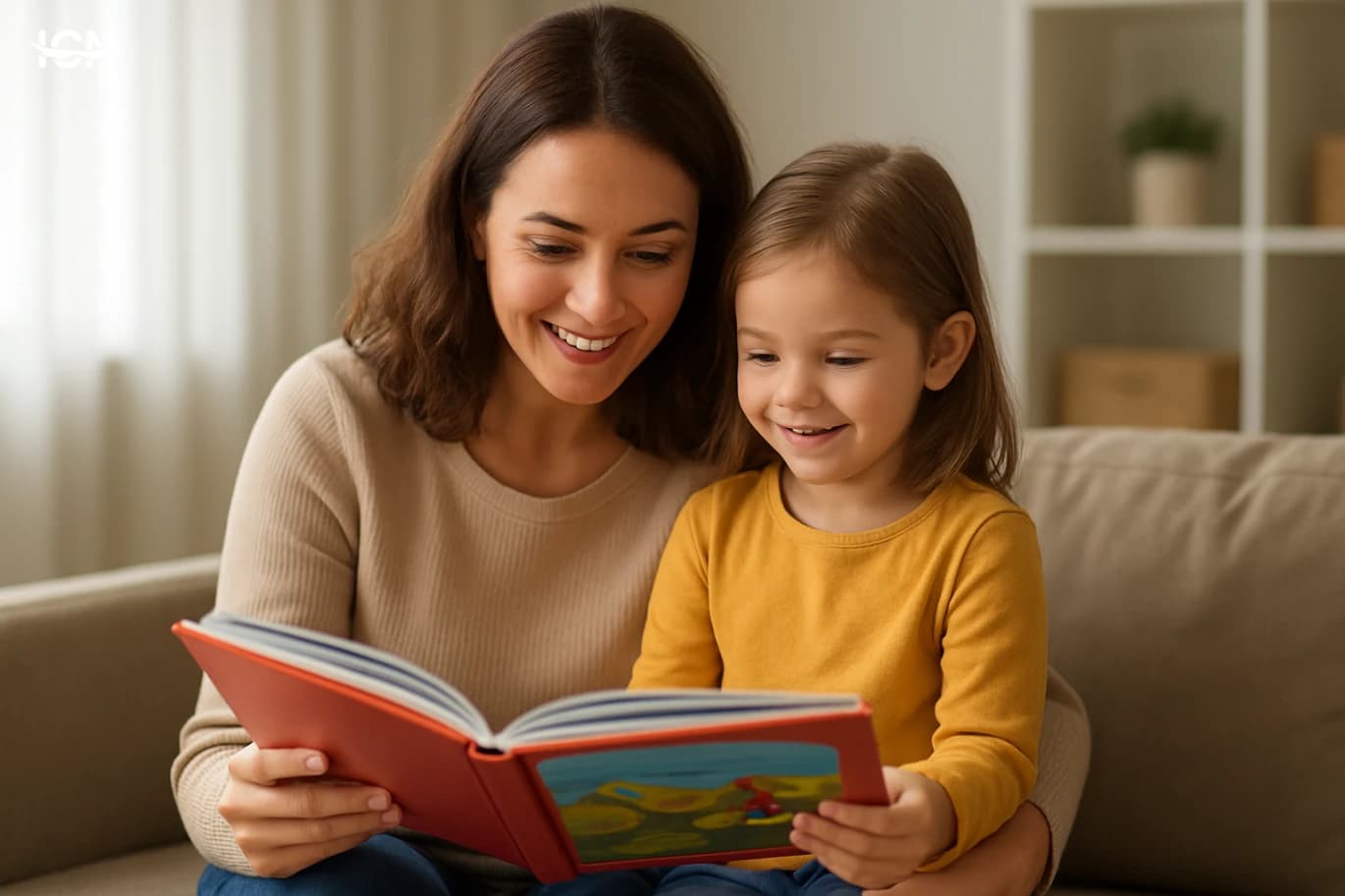
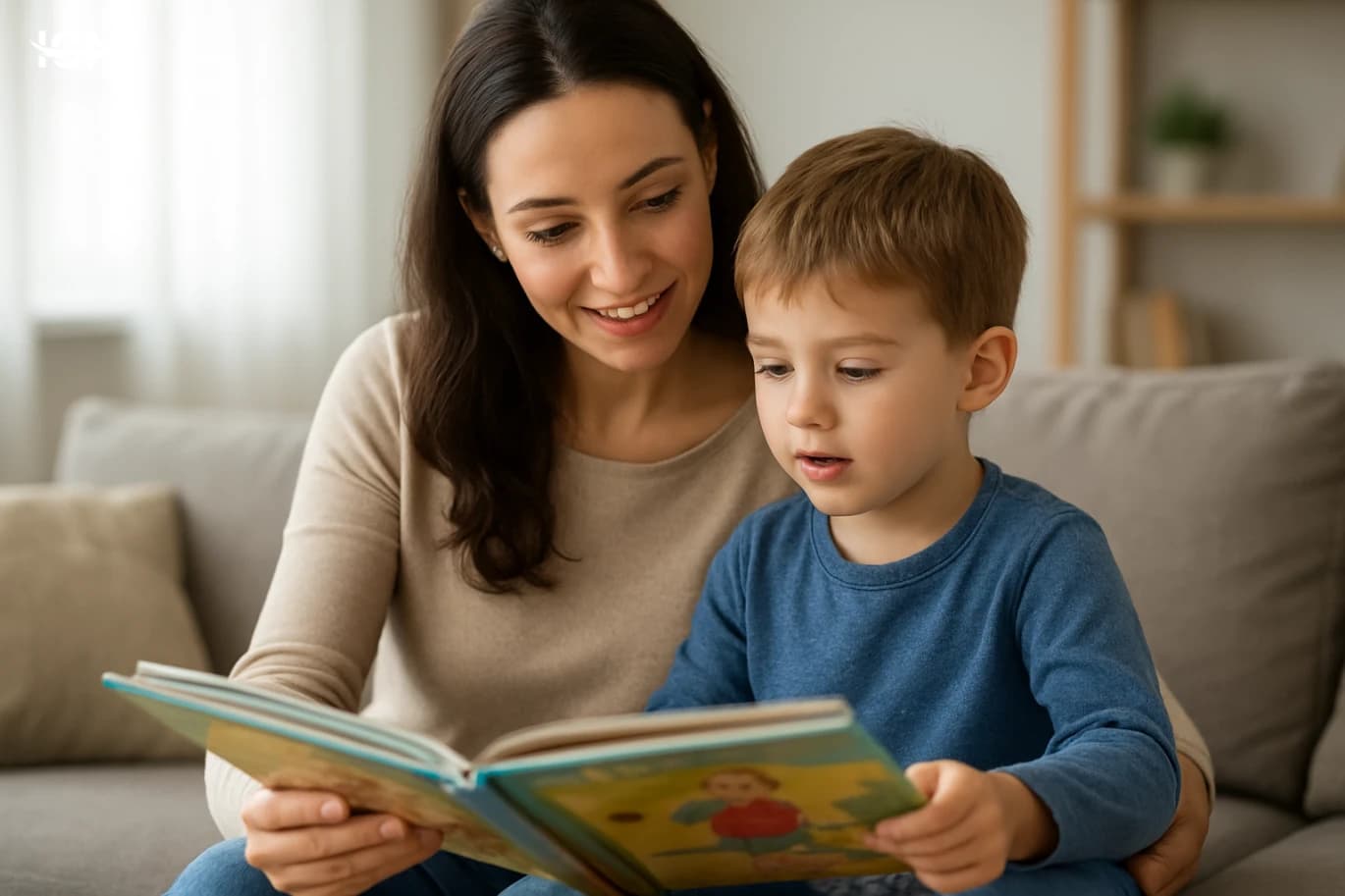
A. Encouraging positive interaction, parents must encourage positive interaction between the child and the new baby. They can do this by customizing time to play together, which helps to enhance emotional bonds. This interaction gives the child a feeling of safety and love, and contributes to their acceptance of the new baby. for. The use of joint games and activities eating games and joint activities enhances the relationship. People can organize simple activities such as reading stories together or playing with team games. These activities strengthen the relationship between the child and the little brother, and help build beautiful memories that remain for them for life.

Dealing with the feelings of the child when the newborn comes

A. Learn about the feelings of jealousy and anxiety when the new baby comes, the older child may feel jealous and anxious. It is important for parents to know and accept these feelings. You must make them feel that these feelings are normal, and help them express them in a healthy way. for. Providing continuous emotional support needs continuous emotional support during this transitional period. Parents can allocate time to the child's conversation and listen to his feelings. Using reassuring words and providing love and attention enhances his sense of safety, and helps him adapt to the new situation smoothly.


* All articles published on this blog are sourced from various websites and are provided for informational purposes only. They should not be considered as confirmed studies or accurate information. Please verify the information independently before relying on it.

Similar ARTICLES

School Bullying Types Every Parent Should Know
Bullying at school is not one behavior with one solution. Children experience it in different forms, and each form leaves different clues at home and requires a different response from parents and the school. When families only look for obvious physical harm, they may miss quieter patterns like exclusion, rumor-spreading, or online harassment that happens after the school day ends. Knowing the main types helps you ask clearer questions: Who was involved, where did it happen, how often, and what exactly was said or done? It also helps you document incidents in a way schools can act on, because administrators typically need specific details, dates, and locations. Most importantly, it helps you support your child without pushing them into risky confrontations or telling them to “ignore it” when the situation is escalating.
When Bright Kids Start Slipping
The phrase “smart child turning stupid” is harsh and inaccurate, but it points to a real concern: some children who show early strengths can later underperform at school, lose curiosity, or struggle with basic learning habits. Intelligence does not disappear overnight; what often changes is the child’s environment, motivation, health, or the match between their needs and what school expects. A child may still be capable, yet their results and behavior can look like a decline. Parents can miss early signals because the child once learned quickly with little effort. When tasks become harder, the child may not have the routines, emotional skills, or study strategies to keep up. This blog focuses on practical signs that a capable child is drifting off track, and what those signs usually mean in daily life. The goal is not labeling, but early detection and course correction before gaps widen.
Everyday Mistakes That Fuel Child Stubbornness
Many parents describe stubbornness as a fixed trait, but in daily life it is often a reaction to pressure, confusion, or inconsistent expectations. A child may resist not because they enjoy conflict, but because they feel they have no say, they do not understand the rule, or they have learned that refusing is the fastest way to get attention. When adults label the child as “stubborn,” they may unintentionally stop looking for the trigger and start fighting the behavior itself. A practical way to reframe the issue is to track when resistance spikes: transitions (leaving the house, bedtime), public places, hunger, fatigue, or moments when the child is already emotionally loaded. Stubbornness tends to increase when the child’s self-control is low and the adult’s demands are high. The goal is not to remove boundaries, but to reduce the everyday mistakes that turn a normal “no” into a prolonged power struggle.
Why Children Reject Some People Instantly
Many parents describe the same scene: a child who is normally social suddenly hides behind a parent, refuses a greeting, or starts crying when meeting a specific person for the first time. This reaction can look like rudeness or “bad manners,” but in most cases it is a protective response rather than a judgment about the person’s character. Children, especially toddlers and preschoolers, rely on fast, sensory-based impressions to decide whether a situation feels safe. In early childhood, the brain prioritizes quick detection of unfamiliar cues. A child may not have the vocabulary to explain what feels “off,” so the body speaks through avoidance, clinging, silence, or agitation. The key for caregivers is to treat the moment as information: the child is signaling discomfort, and the adult’s job is to lower pressure, observe patterns, and guide the child toward gradual, respectful social contact when appropriate. It also helps to separate two questions: why the child reacted this way, and what to do next. Understanding the drivers—sensory sensitivity, past associations, temperament, and context—makes it easier to respond calmly, without shaming the child or accusing the other adult. A single incident rarely tells the whole story, but it can reveal what the child needs in order to feel secure.
Clean Habits Kids Keep Every Day
Daily hygiene becomes easier when children can see what “clean” means in their own home. Create a simple “hygiene map” that links each routine to a specific place and time: handwashing at the bathroom sink before meals, toothbrushing at the same mirror every morning and night, and putting dirty clothes in one basket after school. Keep the map practical: a small poster near the fridge or a checklist on the hallway wall. Use pictures for younger kids and short words for older ones. Make the environment do part of the teaching. Place a step stool by the sink, keep soap within reach, and store a small towel at child height. If the child needs help every time, the routine won’t stick. Also reduce friction by limiting choices: one soap, one towel, one toothbrush cup. When the setup is consistent, children stop negotiating and start following a predictable pattern. To keep it from feeling like a lecture, introduce the map as a “home system” rather than rules. Explain that the goal is to make mornings faster and reduce interruptions during play. Parents can model the same system by using the same baskets and returning items to the same spots. Consistency turns hygiene into a normal part of the day, not a special task that requires reminders.
Raising a Confident Girl Among Brothers
When a girl is the only daughter among brothers, parents sometimes overcorrect: either they push “girly” behaviors to differentiate her, or they ignore her preferences to keep peace in a boy-centered routine. A more useful approach is to treat femininity as a set of skills, options, and self-care habits—not a costume or a list of forbidden activities. Your goal is not to make her “different from boys” but to help her feel comfortable in her body, her tastes, and her social space. Start by separating three areas: appearance choices, social behavior, and personal interests. Appearance can include colors, hair, accessories, and clothing comfort. Social behavior includes manners, empathy, and communication. Interests include sports, building toys, art, reading, or science. A girl can enjoy any mix of these without losing her identity. In a home dominated by boys’ schedules and noise levels, the key is to ensure she has equal access to attention, calm time, and decision-making. Use everyday language that supports autonomy: “What do you like?” “What feels comfortable?” “How do you want your hair today?” Avoid labels like “This is for boys” or “Girls don’t do that.” Instead, connect choices to function and context: “This dress is great for a family visit,” “These sneakers are better for the park.” This keeps femininity grounded in real life and reduces pressure to perform.
Raising Self-Respect Without Yelling
Children’s self-respect is not confidence slogans or constant praise. It shows up in daily behaviors: a child can say “I made a mistake” without collapsing, can try again after failing, can accept “no” without feeling humiliated, and can talk about feelings without fear. In practical terms, self-respect grows when a child experiences two things consistently: being valued as a person and being guided in behavior. When yelling becomes the main tool, the child often learns that mistakes equal shame, and that power decides what is right. Over time, some children become overly compliant to avoid conflict, while others become defiant because they feel attacked. A calm approach does not mean permissive parenting. It means separating the child’s worth from the child’s actions. You can correct behavior firmly while keeping the message clear: “You are safe and respected, and the rule still stands.” This distinction is the foundation for self-respect because it teaches the child that dignity is stable, even when limits are enforced. It also reduces the need for the child to protect themselves through lying, blaming siblings, or shutting down emotionally. Before changing techniques, it helps to notice your child’s current signals. Do they avoid eye contact when corrected? Do they over-apologize? Do they say “I’m bad” instead of “I did something wrong”? These are cues that discipline may be landing as personal criticism. The goal is to shift toward language and routines that correct the situation while protecting the child’s sense of self.
Understanding Your Teen Without Daily Battles
Teen behavior often looks like stubbornness, but much of it is normal development. Puberty brings noticeable shifts in sleep patterns, energy, appetite, and mood. Many teens naturally drift toward later bedtimes and struggle with early mornings, which can show up as irritability or low patience at home. At the same time, the brain systems that manage planning, impulse control, and weighing consequences are still maturing, so a teen may understand rules yet still make inconsistent choices. Social life also becomes a central driver. Peer feedback, group belonging, and reputation can influence decisions more than parental advice, even when the teen respects the parent. This is not a sign that family values disappeared; it is a sign that the teen is practicing independence. When parents interpret every pushback as disrespect, conversations become power struggles. When parents see the same behavior as a skill-in-progress, they can respond with structure and coaching rather than constant punishment.
Raising an Independent Child
Independence in childhood is not about leaving a child to figure everything out alone. It is the ability to try, make choices, and solve small problems with age-appropriate support. A child who is becoming independent can start tasks, ask for help clearly, and accept feedback without feeling defeated. This skill grows through daily routines, not through one big “be independent” talk. Many parents confuse independence with obedience or early maturity. A child can be very compliant and still depend on adults for every decision. True independence shows up when a child can choose between two outfits, pack a school bag using a checklist, or handle a minor disagreement with a sibling using words. It also includes emotional independence: naming feelings, calming down with guidance, and returning to an activity. A practical way to measure progress is to look at three areas: self-care (eating, dressing, hygiene), responsibility (tidying, preparing, following simple plans), and decision-making (choosing, evaluating, learning from outcomes). Each area should match the child’s age and temperament. The goal is steady growth, not perfection.
Building a Calm After School Routine
The hours right after school can feel like the most unpredictable part of the day for families. Children arrive home carrying a full load: sustained attention in class, social effort with peers, noise, rules, and sometimes a long commute. That combination often shows up as irritability, tears, refusal to talk, or sudden arguments with siblings. For parents, the same window is packed with competing demands such as work wrap-up, dinner planning, messages from school, and household tasks. A calm routine works best when it is built around what is happening in a child’s body and brain at that time. Many children need a short decompression period before they can answer questions, start homework, or transition to activities. Others are hungry and thirsty but cannot name it clearly, so they act out instead. A practical routine is not about strict control; it is about reducing decision points, smoothing transitions, and creating predictable steps that lower stress for everyone. This topic focuses on a specific, realistic plan for families with children in primary school, with adjustments for different ages and schedules. It covers how to design the first 60–90 minutes after arrival, how to handle snacks and screens without daily conflict, and how to set up homework and evening preparation so that bedtime does not become another battle.
Reading With Kids Made Surprisingly Simple
Many parents expect reading to start with a child sitting still, sounding out letters, and finishing a page. In real life, early reading is a mix of attention, language, memory, and confidence, and those parts do not grow at the same speed. A child may know the alphabet but struggle to blend sounds, or speak well but avoid books because the task feels demanding. When parents interpret this as laziness, lessons become tense and progress slows. It helps to see reading as a skill built from small, repeatable steps. Children first learn that print carries meaning, that stories have a beginning and end, and that words are made of sounds. These foundations can be taught in short moments throughout the day, not only during “study time.” When the goal shifts from finishing a book to building daily habits, reading often becomes easier than expected. Another common obstacle is using materials that do not match the child’s stage. If the text is too hard, the child guesses and gets frustrated. If it is too easy, the child gets bored. The sweet spot is a book where the child can read most words with help on a few. That balance keeps the brain working without overwhelming it.
Choosing Stories That Fit Your Child’s Age
Choosing a story by age is not about limiting your child; it is about matching the book to how children understand language, time, emotions, and cause-and-effect at each stage. When the fit is right, children stay engaged, follow the sequence, and remember details, which supports vocabulary growth and listening skills. A good match also reduces frustration: a toddler who cannot track long plots may lose interest, while an older child may feel bored by overly simple pages. Age fit is also practical for parents. It helps you decide how long a reading session should be, what kind of illustrations will hold attention, and whether the story can be read independently or needs active guidance. In daily life, the “right” story is one your child asks to repeat, talks about afterward, and connects to real experiences such as bedtime routines, friendships at preschool, or starting school. Use age as a starting point, not a strict rule. Children develop at different speeds, and interests can be ahead of reading level. The best approach is to combine age guidance with observation: Can your child retell the main idea? Do they understand new words with context? Do they enjoy the topic without becoming anxious or overstimulated? These signals will guide your choices more accurately than the number on the cover.
Calm Mornings for School-Age Kids
School mornings fail for predictable reasons: too many decisions in too little time, unclear roles, and routines that depend on reminders instead of systems. A child who is slow to transition is not necessarily being difficult; they may be overwhelmed by steps that adults consider obvious, such as finding socks, packing a snack, or choosing a jacket. Parents often underestimate how long small tasks take when a child is tired, distracted, or anxious about the day. Another common issue is the “hidden work” parents do silently: checking homework folders, signing forms, locating sports gear, and refilling water bottles. When that work is squeezed into the last 20 minutes, it creates urgency and raises everyone’s stress. The goal is not a perfect morning; it is a repeatable process that gets the child out the door with essentials, on time, and without constant conflict. That starts with identifying the two or three points where your morning consistently breaks down and treating them as logistics problems, not personality problems.
By clicking the SUBSCRIBE button, you are agreeing to our Privacy & Cookie Policy If you want to unsubsribe the marketing email, please proceed to our privacy center.
© 2005-2026 ICN. All Rights Reserved.