Clean Habits Kids Keep Every Day
- Start with a home hygiene map
- Turn routines into short scripts
- Use cues that trigger action
- Make hygiene part of play without mess
- Build independence with kid-sized tools
- Keep it consistent with calm feedback
Start with a home hygiene map
Daily hygiene becomes easier when children can see what “clean” means in their own home. Create a simple “hygiene map” that links each routine to a specific place and time: handwashing at the bathroom sink before meals, toothbrushing at the same mirror every morning and night, and putting dirty clothes in one basket after school. Keep the map practical: a small poster near the fridge or a checklist on the hallway wall. Use pictures for younger kids and short words for older ones. Make the environment do part of the teaching. Place a step stool by the sink, keep soap within reach, and store a small towel at child height. If the child needs help every time, the routine won’t stick. Also reduce friction by limiting choices: one soap, one towel, one toothbrush cup. When the setup is consistent, children stop negotiating and start following a predictable pattern. To keep it from feeling like a lecture, introduce the map as a “home system” rather than rules. Explain that the goal is to make mornings faster and reduce interruptions during play. Parents can model the same system by using the same baskets and returning items to the same spots. Consistency turns hygiene into a normal part of the day, not a special task that requires reminders.
Turn routines into short scripts
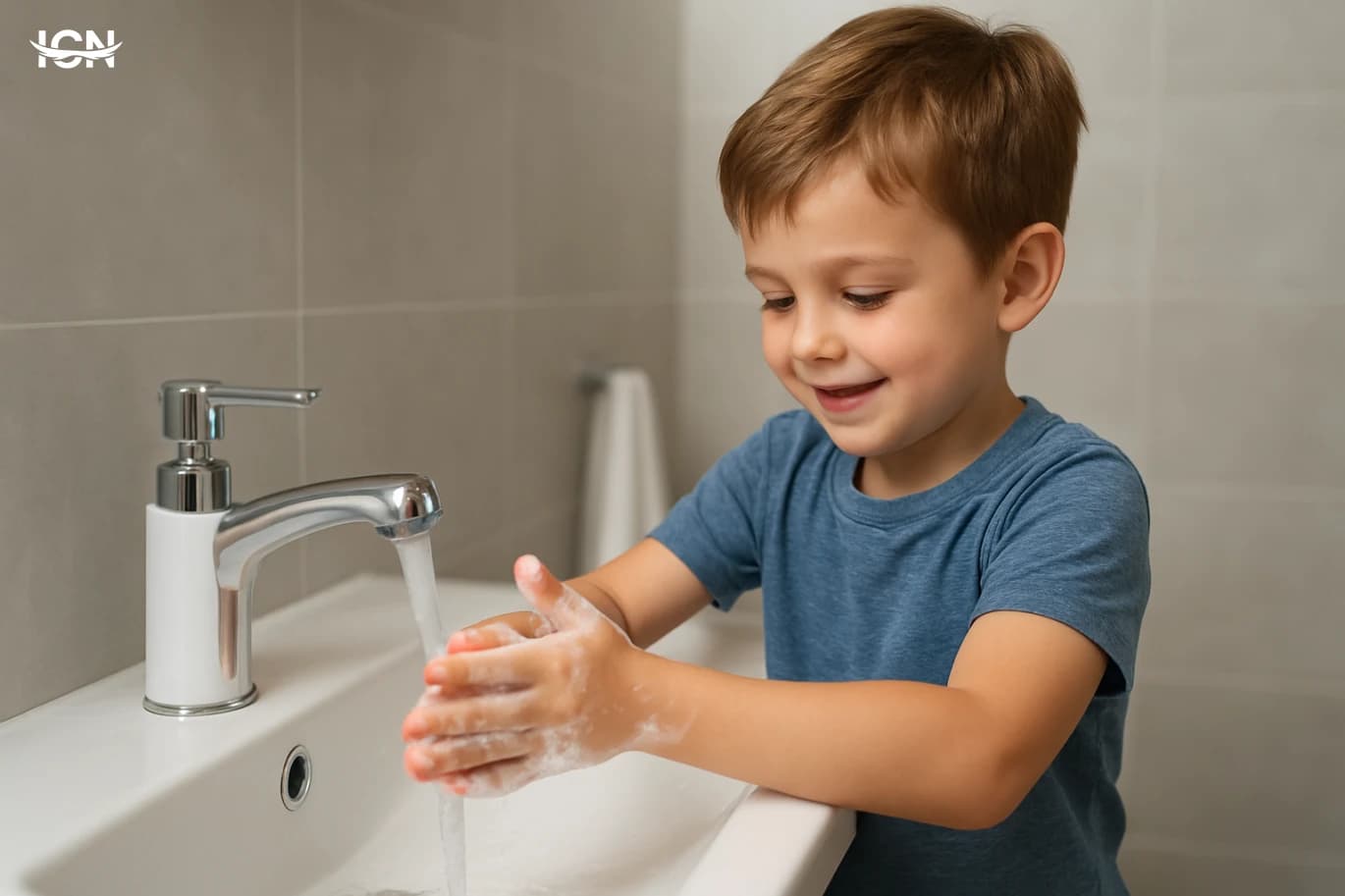
Children follow routines better when the steps are always said the same way. Build “micro-scripts” that take 20–40 seconds to say and repeat them daily. For example: “Bathroom, soap, rinse, dry, back to the table.” For toothbrushing: “Paste, brush top, brush bottom, tongue, rinse.” Keep the script calm and identical each time. Over a week or two, many kids begin to recite it themselves, which is a strong sign the habit is forming. Use timers to make the script concrete. A 20-second sand timer for handwashing and a two-minute timer for brushing remove arguments about duration. If you don’t want screens, use a small kitchen timer or a simple hourglass. Pair the timer with a clear finish line: “When the sand ends, we dry hands and go.” This reduces power struggles and makes the routine feel fair. For children who resist, shorten the first version. Start with the minimum acceptable routine and expand later. A child who refuses a full shower may accept “face, underarms, feet” on busy days, then gradually add the rest. The key is daily repetition without turning hygiene into a long negotiation. Parents can also use the same scripts for themselves out loud for a few days; children learn quickly from what they hear repeatedly.
Use cues that trigger action
Habits form when a cue reliably triggers the same action. Choose cues that already happen every day and attach hygiene to them. After coming home: shoes off, then hands washed. Before breakfast: bathroom visit, then teeth brushed. After art time: wipe table, then wash hands. The cue should be specific and consistent, not vague like “later.” Visual cues work especially well for children. Put a small sticker near the light switch that reminds “wash hands after outside.” Place the toothbrushes in a visible holder, not hidden in a drawer. Keep a small basket with tissues and a child-safe hand gel near the entryway for quick cleanups, while still prioritizing soap-and-water when possible. Sound cues can help too. Some families use a short “cleanup song” that plays only during handwashing or tidying. The point is not entertainment; it is a predictable signal. If you use a song, keep it the same and limit it to hygiene moments so it stays meaningful. Finally, remove cues that trigger avoidance. If the bathroom is cold, add a small rug. If the soap smells too strong, switch to a mild option. If towels are scratchy, replace them. Small discomforts can become big excuses for children, and fixing them is often easier than repeated arguments.
Make hygiene part of play without mess
You can make hygiene engaging without turning it into a chaotic game. Use structured, low-mess play that reinforces the exact skill you want. For handwashing, practice “bubble coverage”: ask the child to cover palms, between fingers, and thumbs with soap bubbles before rinsing. For toothbrushing, use a simple “zone plan”: front teeth, left side, right side, chewing surfaces. Keep it consistent so the child learns a repeatable method. Role-based play can work well. Let the child be the “hygiene inspector” for one minute, checking whether the family has soap, towels, and toothbrushes ready. Another day, the child can be the “timer manager” who starts and stops the timer. These roles give children control in a safe way and reduce resistance. Use story prompts that stay practical. For example: “Germs like to hide between fingers, so we check there.” Avoid scary language; keep it factual and brief. The goal is to connect actions to outcomes children can understand, like fewer sticky hands, cleaner clothes, and less time spent fixing spills. If your child enjoys charts, use a weekly tracker with small marks, not big prizes. The tracker should measure consistency, not perfection. A missed day should be treated as normal: reset the next day without criticism. This keeps hygiene linked to routine rather than pressure.
Build independence with kid-sized tools
Many hygiene battles are actually access problems. If a child can’t reach the sink, can’t open the toothpaste, or can’t find a clean towel, the routine becomes frustrating. Invest in a few kid-sized tools: a stable step stool, a pump soap dispenser, a toothbrush with an easy grip, and a small cup for rinsing. Keep these items in the same place every day. Create “micro-stations” where they are needed. A small nail brush near the sink helps after outdoor play. A laundry basket in the child’s room reduces clothes on the floor. A box for hair ties or combs near the mirror prevents morning delays. These stations should be minimal; too many products confuse children and slow them down. Teach one skill at a time. For example, spend a week focusing only on correct handwashing, then add toothbrushing, then add putting clothes away. When parents introduce everything at once, children feel overwhelmed and push back. Independence grows faster when the child can master one routine and feel successful. Safety and supervision still matter. Parents should check brushing quality, ensure soap is rinsed off, and confirm that towels are changed regularly. Independence does not mean absence of guidance; it means the child can complete most steps without constant prompting.
Keep it consistent with calm feedback
Consistency is what turns hygiene into a daily habit, and consistency depends on how parents respond. Use calm, specific feedback that focuses on the action, not the child’s character. Say “Let’s rinse the soap off fully” instead of “You never do it right.” Children respond better to corrections that are immediate and practical. Set a simple family standard and repeat it. For example: hands are washed before eating, teeth are brushed morning and night, and pajamas go into the basket. When the standard is clear, parents don’t need to invent new rules each day. If caregivers share responsibilities, align on the same standard so the child doesn’t receive mixed messages. Plan for predictable obstacles. On rushed mornings, prepare the night before: set out toothbrushes, choose clothes, and keep breakfast simple. After sports or outdoor play, have a quick “entry routine” that includes water, snack, and handwashing. When the day is designed with hygiene in mind, reminders decrease. If you want to reinforce progress, use small, immediate recognition: “You washed between your fingers; that’s thorough.” Avoid turning hygiene into a bargaining tool. When children learn that basic cleanliness is non-negotiable but manageable, they stop treating it as a power struggle and start treating it as part of normal life.