App Logo

Download Our App

Shop your way

logologo
Image

How to get a perfect tan without damaging the skin

06/11/2025By: ICN
How to get a perfect tan without damaging the skin

the introduction

The importance of skin care is one of the basic areas of interest to many people. Physical health and personal hygiene requires special interest in the skin. Periodic care helps to maintain the freshness of the skin and its natural color, and also reduces the appearance of signs of aging. The effect of tan on the skin is considered tan or the acquisition of bronze skin color is one of the common things that many seek, but the most important thing is to know its effect on the skin. The unsweetened tan can dry the skin and the appearance of wrinkles early. Therefore, it is necessary to use sunscreen and maintain moisture regularly to avoid these risks.

The benefits of achieving Tan are perfect

Standardizing the skin tone The ideal tan contributes to the uniformity of the skin tone, which gives it an attractive and healthy look. With an integrated bronze color, it becomes easy to hide some defects, which increases the person's confidence. Moisturizing and softening the skin when following the correct steps to obtain a perfect tan, the hydration and softening of the skin is facilitated. The appropriate products contribute to the regeneration of cells, which improves the texture of the skin and makes them look smoother and brighter. For the best results, it is recommended for good care of the skin before and after the tan.

The basic steps before applying the tan

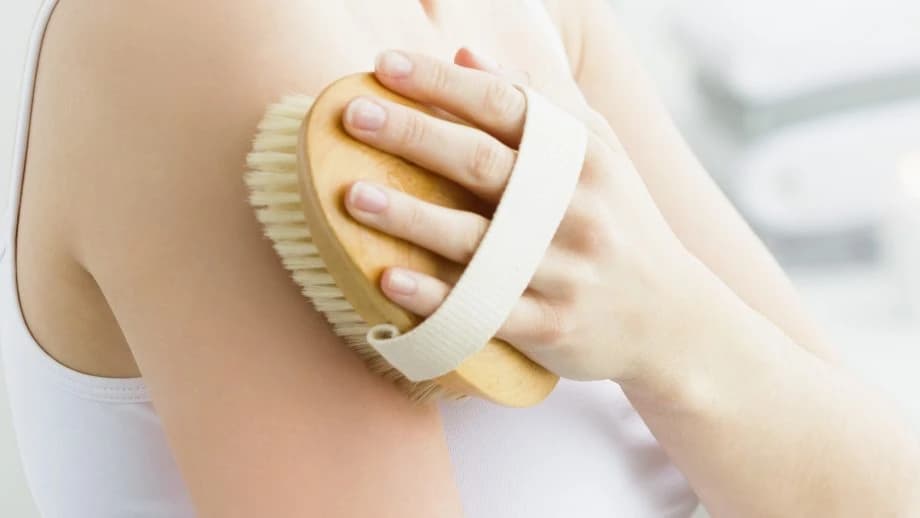
Deeply cleaning the skin before starting the tann process, a person should clean the skin deeply to remove impurities and oils. This helps in obtaining a homogeneous tan color and enhances the effectiveness of the products used. Peeling to get rid of dead skin, exfoliation of the skin is also an important steps, as removing dead skin contributes to improving the appearance of the skin. By exfoliation of the skin, it is better prepared to receive the tan product, which makes the color fixes better and appears better when applying.

Tant application techniques correctly

Using the appropriate lotion before the tan before starting to apply the tan, the person should use a special lotion that helps in creating the skin. This lotion moisturizes the skin and helps in distributing the tan equally, which reduces the appearance of dark and incense spots. The ideal way to distribute tan to the skin is recommended to distribute tan using custom gloves, as it is applied in circular motions to ensure equal coverage. The tan should be left for a few hours to absorb the skin, preferably not showering or exercising during this period to ensure the stability of the color.

Skin care after the Tan application

Moisturizing the skin on a daily basis after applying the tan, a person must enhance his skin moisture on a daily basis. The use of moisturizers rich in natural oils helps to maintain tann color, also reduces skin peeling and enhances its healthy appearance. The moisturizer should be applied gently after bathing, as the skin is in its most dry. Using sunscreen to maintain the ideal color, it is also important to use sunscreen when exposed to sunlight to protect the skin and to preserve the perfect tan color. A solar condoms should be chosen with a high protection laboratory and applied regularly to avoid vanishing color and achieve optimal skin protection from the damage caused by UV rays.
* All articles published on this blog are sourced from various websites and are provided for informational purposes only. They should not be considered as confirmed studies or accurate information. Please verify the information independently before relying on it.

Similar ARTICLES

The Everyday Guide to Healthier Scalp Care
Scalp care is often treated as an afterthought, yet it affects how hair looks, feels, and grows over time. The scalp is skin, with oil glands, sweat glands, and a protective barrier that can become irritated by harsh products, frequent heat styling, or inconsistent washing habits. When that barrier is disrupted, common issues show up: persistent itch, flaky patches, excess oil at the roots, or a tight, dry feeling right after shampooing. A practical way to think about scalp health is balance. Too much oil can trap debris and make hair look flat quickly, while too little oil can increase sensitivity and visible dryness. Many people try to “fix” these problems by washing more aggressively or switching products repeatedly, which can worsen the cycle. A steadier routine, matched to your scalp type and lifestyle, usually produces better results than constant experimentation. This topic is especially relevant for people who exercise regularly, live in hot or humid climates, wear head coverings for long hours, or use styling products daily. In these situations, sweat, friction, and product buildup can accumulate faster. The goal is not perfection; it is a predictable routine that keeps the scalp comfortable and reduces flare-ups.
Sweat Smarter for Healthier Skin
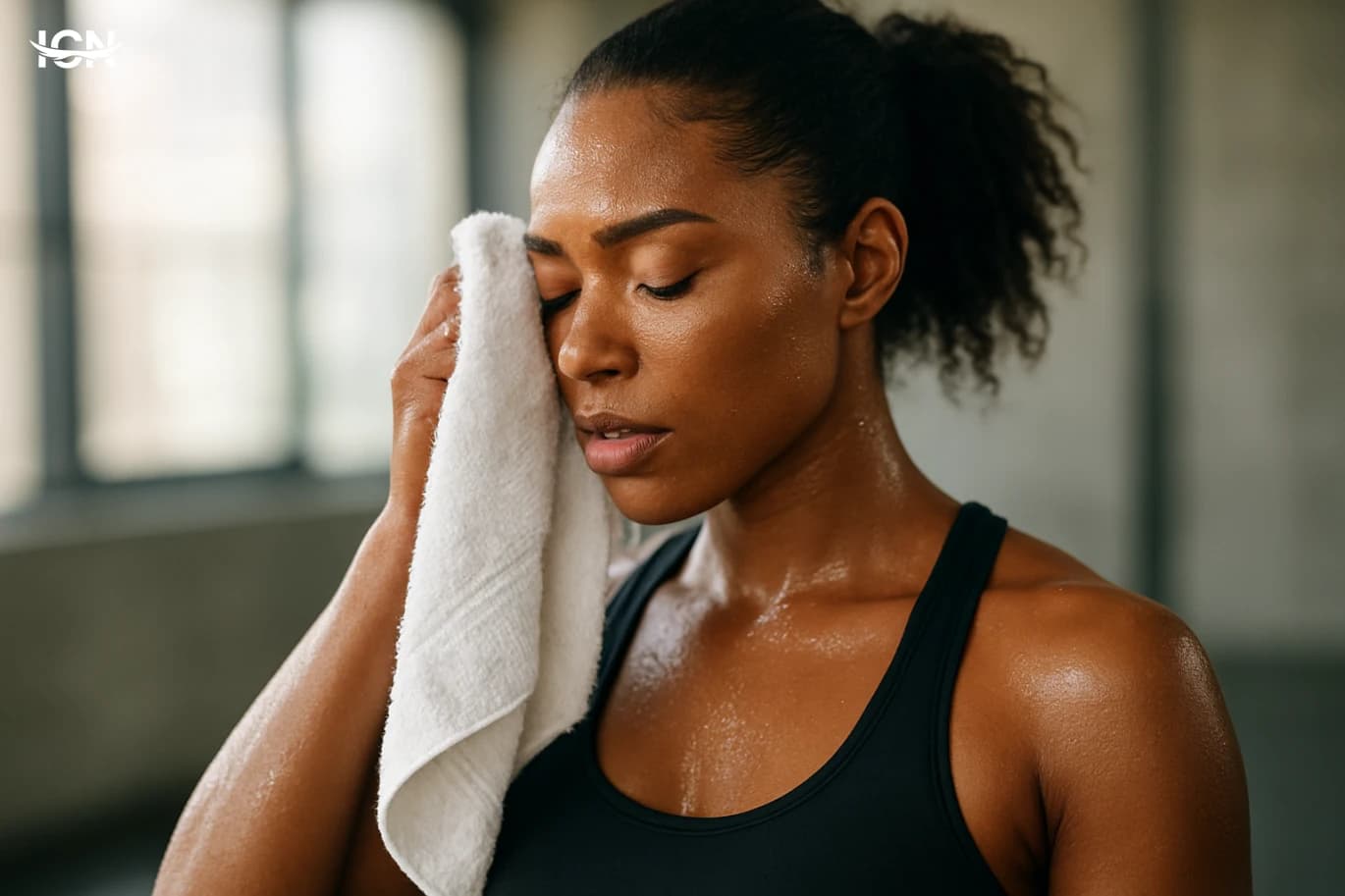
Sweat is not “dirty water.” It is mostly water with small amounts of salt, urea, and other compounds that help regulate body temperature. On its own, sweat is usually not the main cause of breakouts or odor. The problems start when sweat stays on the skin, mixes with sebum, sunscreen, makeup, and environmental dust, and then sits under tight clothing. That combination can clog pores, irritate the skin barrier, and create a damp environment where certain bacteria and yeast thrive. How your skin reacts depends on where you sweat and what you do afterward. The face and upper back often break out because they have more oil glands. Underarms and groin are more likely to develop odor because apocrine sweat interacts with skin bacteria. Areas that rub—inner thighs, under bra lines, waistbands—can develop chafing and inflammation even if you have “normal” skin. Understanding these patterns helps you choose targeted habits instead of over-washing everything. Sweat can also be beneficial. It increases skin hydration briefly and can soften dead skin, which is why some people notice a temporary glow after a workout. The goal is not to stop sweating, but to manage what happens on the skin surface before irritation, odor, or clogged pores develop.
Everyday Body Odor Control Without Harsh Products
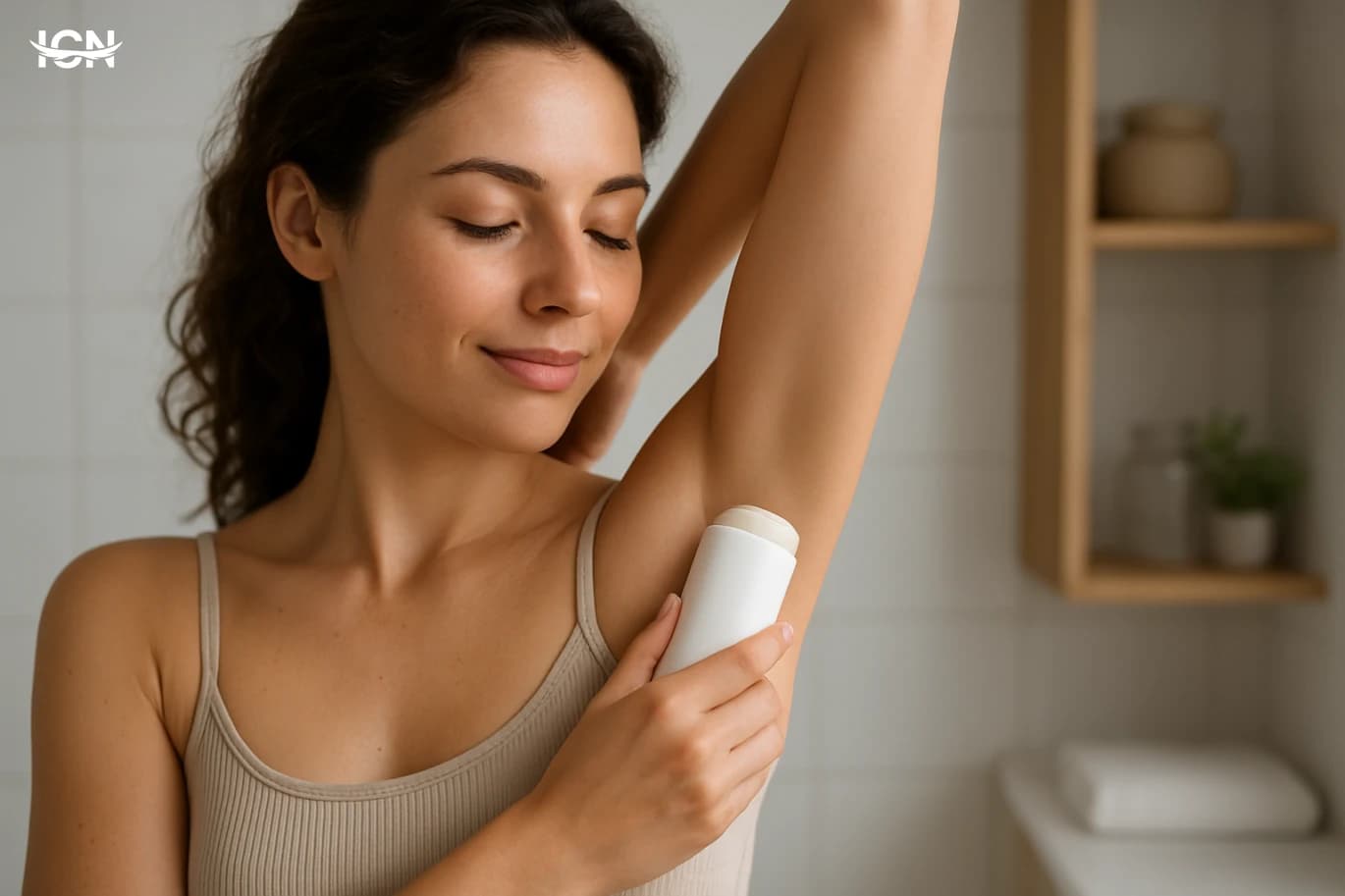
Body odor is not simply “sweat.” Fresh sweat is mostly odorless; the smell develops when skin bacteria break down sweat components and oils, especially in warm, moist areas like underarms, groin folds, and feet. Two types of sweat glands matter: eccrine glands produce watery sweat for cooling, while apocrine glands (active after puberty) release thicker secretions that bacteria can use as fuel. That is why odor can return quickly after a shower if bacteria remain on the skin, if clothing traps moisture, or if you re-sweat soon after drying. Daily habits also influence odor intensity. Tight synthetic fabrics can hold heat and moisture close to the skin, increasing bacterial activity. Stress can trigger more apocrine sweating, which tends to smell stronger. Certain foods and drinks can change sweat odor for some people, and some medications can increase sweating. Understanding these drivers helps you choose practical steps that reduce odor without relying on overly strong fragrances or irritating formulas.
Sweat Smart Daily Habits for Fresher Skin
Sweat is not “dirty” by itself; it is mostly water and salts, with small amounts of urea and other compounds. The issue is what happens after sweating: moisture sits on the skin, mixes with natural oils, and becomes a comfortable environment for odor-causing bacteria. In warm weather, during workouts, or under tight clothing, this process speeds up and can lead to body odor, clogged pores on the back and chest, and irritation in skin folds. A practical body-care routine should focus on three goals: reduce prolonged dampness, keep the skin barrier calm, and manage bacteria without over-stripping the skin. Many people react to sweat by scrubbing hard or using very strong soaps. That can backfire by causing dryness, micro-irritation, and more sensitivity, especially in areas like the underarms, groin folds, and under the breasts. A smarter approach is consistent, gentle steps that fit real life: what you do right after sweating, what you wear, and how you choose products.
Sweat Smarter Daily Without Skin Irritation
Sweat is a normal cooling system, not a hygiene failure. The body releases mostly water and salts through sweat glands to help regulate temperature during heat, exercise, stress, or spicy foods. The odor many people blame on “sweat” usually comes from bacteria on the skin breaking down compounds in sweat, especially in areas with more apocrine glands like underarms. That means the goal is not to stop sweating completely, but to manage moisture, reduce bacterial overgrowth, and protect the skin barrier. Overcorrecting can backfire. Aggressive scrubbing, frequent shaving with dull blades, or using harsh deodorants can irritate the underarm skin, leading to redness, stinging, bumps, or darkening. Irritated skin can also trap bacteria and sweat, making odor harder to control. A smarter approach focuses on consistent cleansing, breathable fabrics, and products that match your skin type and routine. When you treat sweat as a normal body function and focus on the factors around it, you can stay comfortable without turning daily care into a battle.
Laser During Pregnancy Facts and Cautions
Pregnancy changes the body in ways that can affect skin, hair growth, and sensitivity. Many people consider laser hair removal or cosmetic laser treatments because shaving becomes harder, waxing can feel more painful, and hormonal shifts may increase hair in new areas. At the same time, pregnancy is a period when most clinicians recommend minimizing non-essential procedures, especially those without strong safety data. The key point is that “laser” is not one single thing. Hair-removal devices, vascular lasers for redness, pigment lasers for dark spots, and resurfacing lasers for texture all work differently and are used at different energy levels. Safety decisions depend on the type of laser, the treatment area, the stage of pregnancy, and the person’s medical history. In practice, many dermatology and obstetrics clinics advise postponing elective laser procedures until after delivery, mainly because high-quality studies in pregnant patients are limited, not because a clear harm has been proven. This article focuses on practical, evidence-aware guidance: what is known, what is uncertain, and how to weigh benefits against potential risks. It also clarifies which situations may justify treatment and which should be deferred, so readers can have a structured discussion with their obstetrician and a qualified dermatologist or laser specialist.
A Practical Guide to Healthy Scalp Care
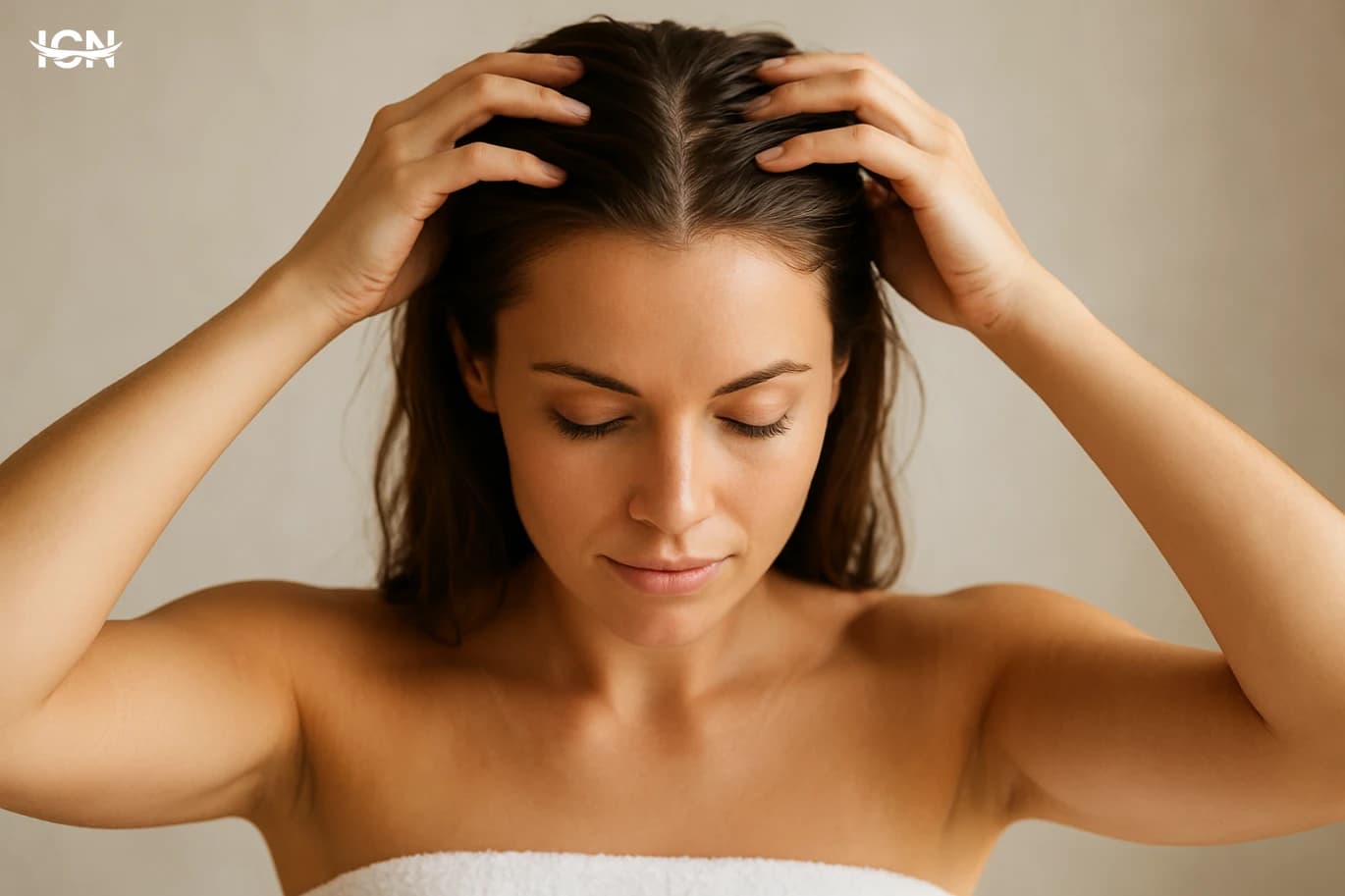
Scalp care is often treated as an afterthought, yet it directly affects hair comfort, appearance, and how well products perform. The scalp is skin with a high density of oil glands and hair follicles, which means it can become oily, dry, irritated, or flaky for many different reasons. When the scalp barrier is disrupted, you may notice itchiness, tightness, excess shedding, or hair that feels heavy even after washing. These signs are not just cosmetic; they can reflect an imbalance in cleansing, moisture, or product buildup. A healthy scalp routine is not about using more products. It is about choosing the right frequency of washing, using a shampoo that matches your scalp type, and avoiding habits that inflame or dehydrate the skin. Many people also confuse hair texture issues with scalp issues, then try to fix them with oils or masks that never touch the root cause. Understanding the scalp as skin first helps you make better decisions and prevents unnecessary trial-and-error spending.
Smooth Elbows Before Eid
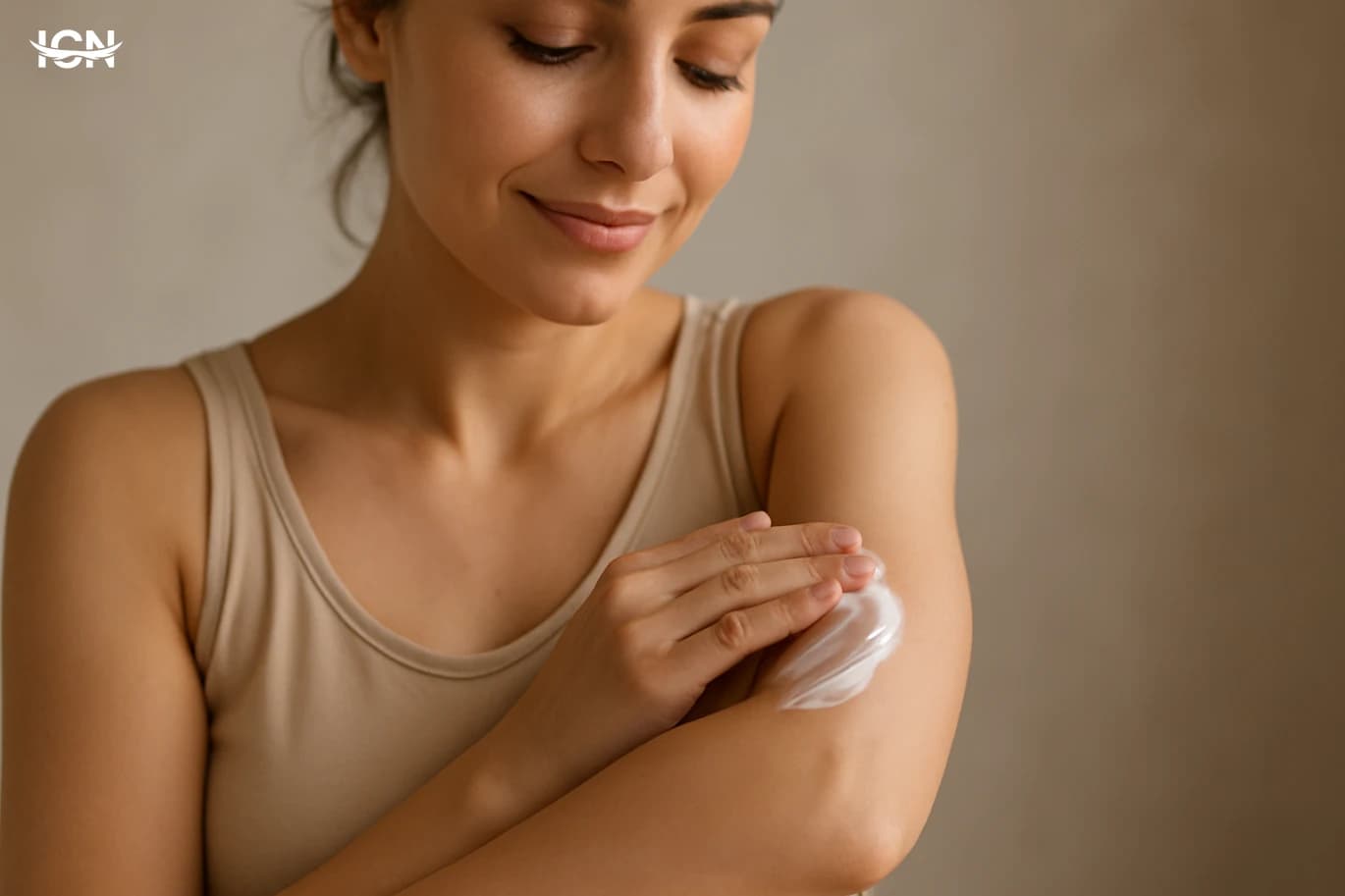
Elbow skin is naturally thicker and has fewer oil glands than many other areas, so it tends to dry out faster. Daily friction is a major trigger: leaning on desks, resting elbows on car doors, frequent floor cleaning, or workouts that involve planks can all increase roughness over time. Repeated rubbing encourages a buildup of dead skin cells, which makes the surface feel bumpy and look dull or darker. Weather and routine also matter. Hot showers, strong soaps, and frequent handwashing can strip the skin barrier, while dry air and air conditioning reduce moisture. Some people notice rough elbows more when they are not applying body lotion regularly or when they use facial products on the elbows that are too light to handle thicker skin. In many cases, the “dark” look is not true pigmentation but a combination of dryness, dead-skin buildup, and shadowing from uneven texture. If roughness is accompanied by persistent redness, cracking that bleeds, intense itching, or spreading patches, it may be more than simple dryness and needs professional evaluation. For most people, however, consistent exfoliation plus barrier repair is enough to improve texture noticeably within two to three weeks.
Daily Habits for a Healthier Scalp
Scalp health is a body-care issue, not just a hair issue. The scalp is skin with a high density of oil glands and hair follicles, and it reacts quickly to sweat, friction, product buildup, and seasonal changes. When the scalp barrier is irritated or overloaded, people often notice itching, tightness, flaking, excess oil, or a dull look at the roots. These signs can affect comfort, confidence, and how often you feel the need to wash. A healthier scalp supports more consistent hair quality because follicles function best in a stable environment. That does not mean every concern requires special treatments. Many day-to-day problems come from simple mismatches: washing too often or not enough, using heavy styling products without proper cleansing, or applying strong shampoos that strip oils and trigger rebound greasiness. Understanding the scalp as living skin helps you choose routines based on your own oil level, activity, and climate rather than trends.
By clicking the SUBSCRIBE button, you are agreeing to our Privacy & Cookie Policy If you want to unsubsribe the marketing email, please proceed to our privacy center.
© 2005-2026 ICN. All Rights Reserved.