The Everyday Guide to Healthier Scalp Care
- Why Scalp Health Matters
- Spot Your Scalp Type and Triggers
- Build a Wash Routine That Works
- Exfoliation, Oils, and Leave-Ins
- Lifestyle Factors That Show on Your Scalp
- A Simple 14-Day Scalp Reset Plan
Why Scalp Health Matters
Scalp care is often treated as an afterthought, yet it affects how hair looks, feels, and grows over time. The scalp is skin, with oil glands, sweat glands, and a protective barrier that can become irritated by harsh products, frequent heat styling, or inconsistent washing habits. When that barrier is disrupted, common issues show up: persistent itch, flaky patches, excess oil at the roots, or a tight, dry feeling right after shampooing. A practical way to think about scalp health is balance. Too much oil can trap debris and make hair look flat quickly, while too little oil can increase sensitivity and visible dryness. Many people try to “fix” these problems by washing more aggressively or switching products repeatedly, which can worsen the cycle. A steadier routine, matched to your scalp type and lifestyle, usually produces better results than constant experimentation. This topic is especially relevant for people who exercise regularly, live in hot or humid climates, wear head coverings for long hours, or use styling products daily. In these situations, sweat, friction, and product buildup can accumulate faster. The goal is not perfection; it is a predictable routine that keeps the scalp comfortable and reduces flare-ups.
Spot Your Scalp Type and Triggers
Before buying new products, identify what you are actually dealing with. An oily scalp typically looks shiny at the roots within 24–48 hours, and hair may separate into strands quickly. A dry scalp often feels tight, with small dry flakes that fall easily, especially in colder months or after hot showers. A sensitive scalp may sting or itch after washing, coloring, or using fragranced products, even if it is not visibly flaky. Triggers are often more important than the label on a bottle. Common triggers include washing with very hot water, using strong clarifying shampoos too frequently, leaving heavy oils on the scalp for long periods, and applying styling products directly to the roots. Environmental factors matter too: air conditioning can dry the skin, while humidity can increase sweat and buildup. A simple tracking method helps. For two weeks, note how your scalp feels on wash day, the day after, and by day three. Record any changes in routine: new shampoo, workouts, hats, or increased heat styling. Patterns usually appear quickly, and those patterns guide smarter choices than guessing. If you see thick, persistent scaling, redness, or discomfort that does not improve with routine changes, it is reasonable to consult a dermatologist for an accurate diagnosis and targeted care.
Build a Wash Routine That Works
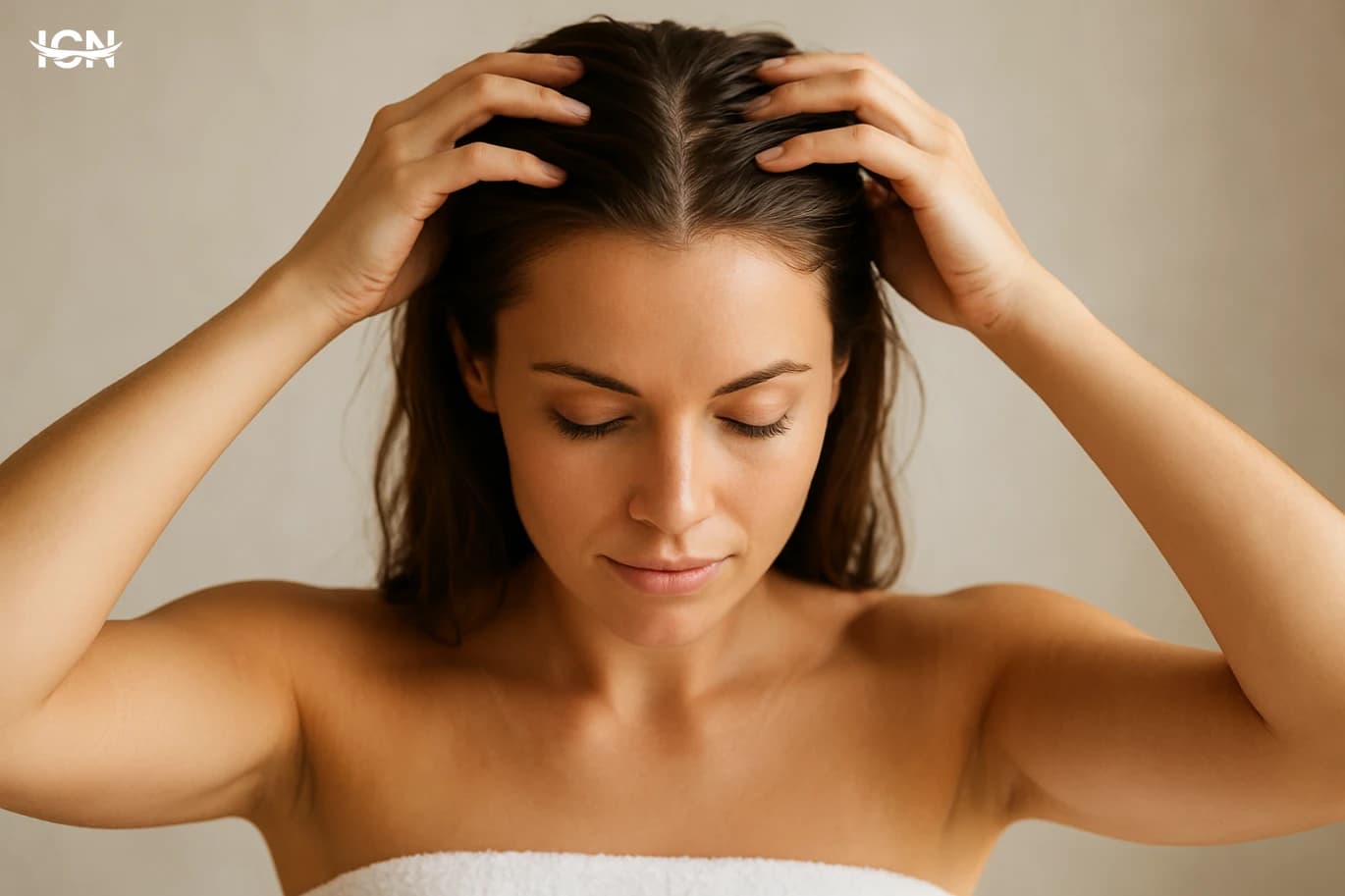
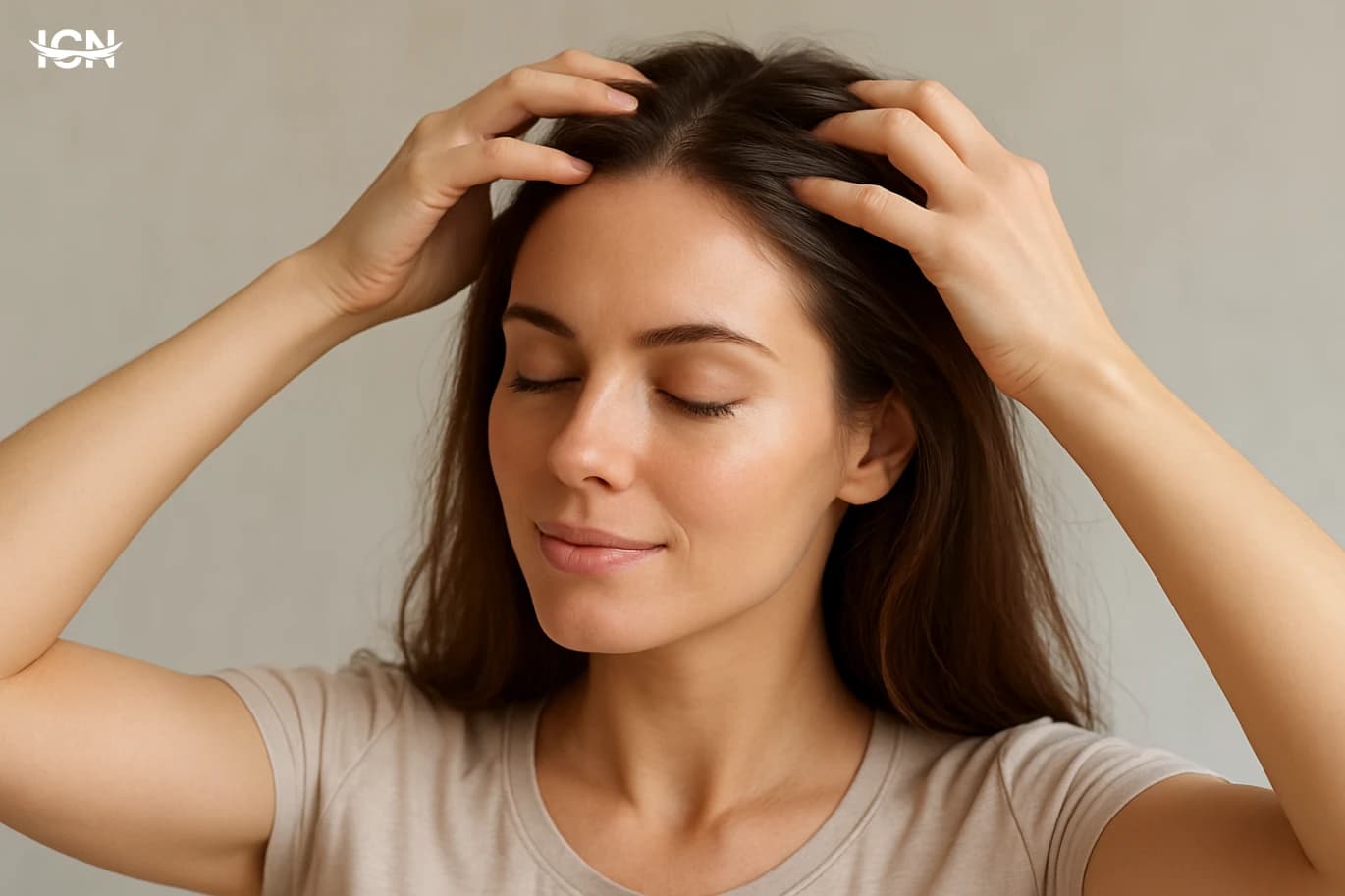
A good wash routine is less about frequency rules and more about matching your scalp’s needs. If your scalp becomes oily quickly, washing every other day may be appropriate, especially if you use styling products or sweat often. If your scalp is dry or easily irritated, spacing washes and using a gentler shampoo can reduce tightness and flaking. The key is consistency: frequent changes make it harder to judge what is helping. Technique matters. Use lukewarm water, focus shampoo on the scalp rather than the hair lengths, and massage with fingertips for 60–90 seconds to lift oil and buildup without scratching. Rinse thoroughly; leftover product can cause itch and dullness. Conditioner belongs mainly on mid-lengths and ends, not on the scalp, unless it is a lightweight formula designed for scalp use. Clarifying shampoos can be useful, but they are often overused. For many people, once every 2–4 weeks is enough to remove heavy buildup from silicones, waxes, or dry shampoo. If you color your hair or have a sensitive scalp, choose a milder clarifier and follow with a hydrating conditioner on the lengths. After washing, dry the scalp promptly. Leaving the scalp damp for long periods, especially under hats or head coverings, can increase discomfort and odor. A cool or low-heat blow-dry at the roots can be a practical option when air-drying takes too long.
Exfoliation, Oils, and Leave-Ins
Scalp exfoliation can help when buildup and flakes are driven by excess oil, styling residue, or infrequent washing. However, it should be gentle and occasional. Chemical exfoliants such as salicylic acid are commonly used in scalp products because they can loosen oil and dead skin. Physical scrubs can work too, but they carry a higher risk of irritation if the particles are rough or if you scrub aggressively. A practical approach is to exfoliate no more than once a week, and less often if your scalp is dry or sensitive. Apply the product to the scalp in sections, follow the timing instructions, and rinse thoroughly. If you notice increased burning, redness, or worsening flakes, stop and simplify your routine. Oils are widely used, but they are not universally helpful. Light oils may reduce the feeling of dryness for some people, yet heavy oiling can trap buildup and make an oily scalp feel worse. If you use oil, treat it like a targeted step: apply a small amount, keep it on for a limited time, and wash it out completely. Avoid leaving thick layers overnight if you already struggle with itch or greasy roots. Leave-in products should be chosen with the scalp in mind. Sprays and serums that are applied directly to the roots should be lightweight and non-sticky. If you rely on dry shampoo, use it as a short-term tool, not a replacement for washing, and remove it with a thorough cleanse before it accumulates.
Lifestyle Factors That Show on Your Scalp
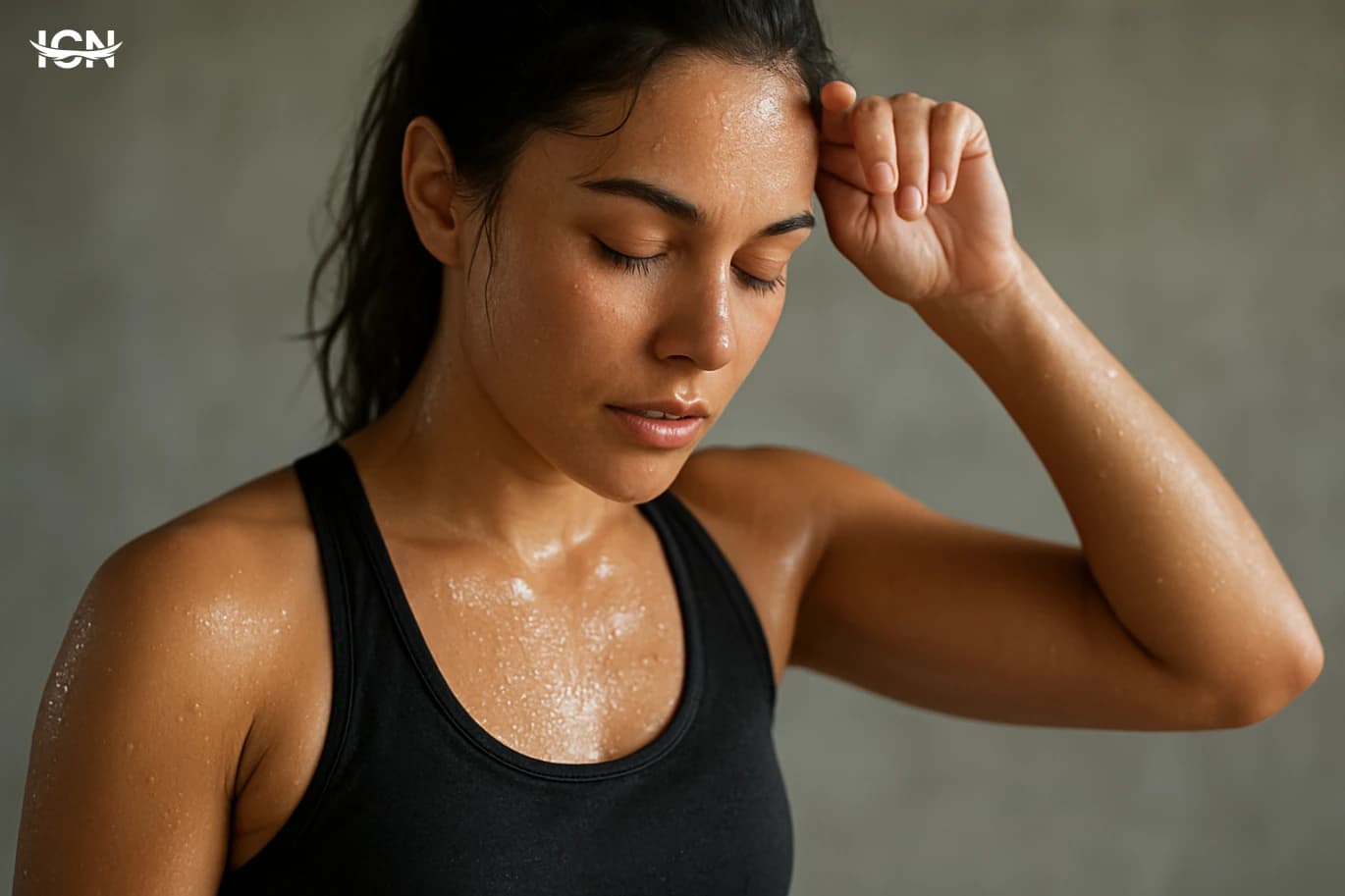
Scalp comfort is influenced by more than products. Sweat management is a major factor for active people. If you exercise, try to rinse the scalp soon after heavy sweating, or schedule wash days around workouts. Wearing tight hats or headbands for long periods can increase friction and trap heat; choosing breathable fabrics and taking breaks can reduce irritation. Heat styling and frequent blow-drying can dry the scalp and increase sensitivity. If you use heat tools, keep them away from the roots when possible, use lower temperatures, and avoid repeated passes over the same area. Hair dyes and chemical treatments can also trigger sensitivity; patch testing and spacing out treatments can help. Sleep and hygiene habits matter in practical ways. Pillowcases collect oil and product residue; changing them regularly can reduce transfer back to the scalp. Hairbrushes and combs also accumulate buildup; washing them with warm water and mild soap every one to two weeks is a simple step that many people overlook. Hydration and diet are often discussed in broad terms, but the most useful advice is consistency. Regular meals with adequate protein, fruits, and vegetables support skin health in general. If you notice sudden changes in shedding or scalp condition, consider whether stress, illness, or major routine changes occurred, and seek professional advice when symptoms persist.
A Simple 14-Day Scalp Reset Plan
If your scalp feels unpredictable, a short reset can help you identify what works. For the first week, use one gentle shampoo consistently and avoid adding new products. Wash based on your usual oil pattern, but keep water lukewarm and focus on thorough rinsing. Skip heavy oils on the scalp and limit styling products at the roots. In week two, add only one targeted step if needed. If you have noticeable buildup, introduce a mild clarifying wash once during the week. If flakes are a recurring issue, try a scalp product with a gentle exfoliating ingredient once, and monitor comfort for 48 hours. Keep everything else the same so you can judge the effect. Throughout the 14 days, track three indicators: itch level, visible flakes, and how quickly roots look oily. Use a simple 0–3 scale for each. This turns vague impressions into usable information. At the end, you should know whether your scalp responds better to more frequent gentle washing, occasional clarifying, or reduced product load. This plan is not a substitute for medical care. If you experience persistent redness, swelling, or worsening discomfort, or if symptoms interfere with daily life, seek professional evaluation. The most effective scalp routines are the ones that are sustainable, measurable, and adjusted based on real feedback from your skin.