App Logo

Download Our App

Shop your way

logologo
Image

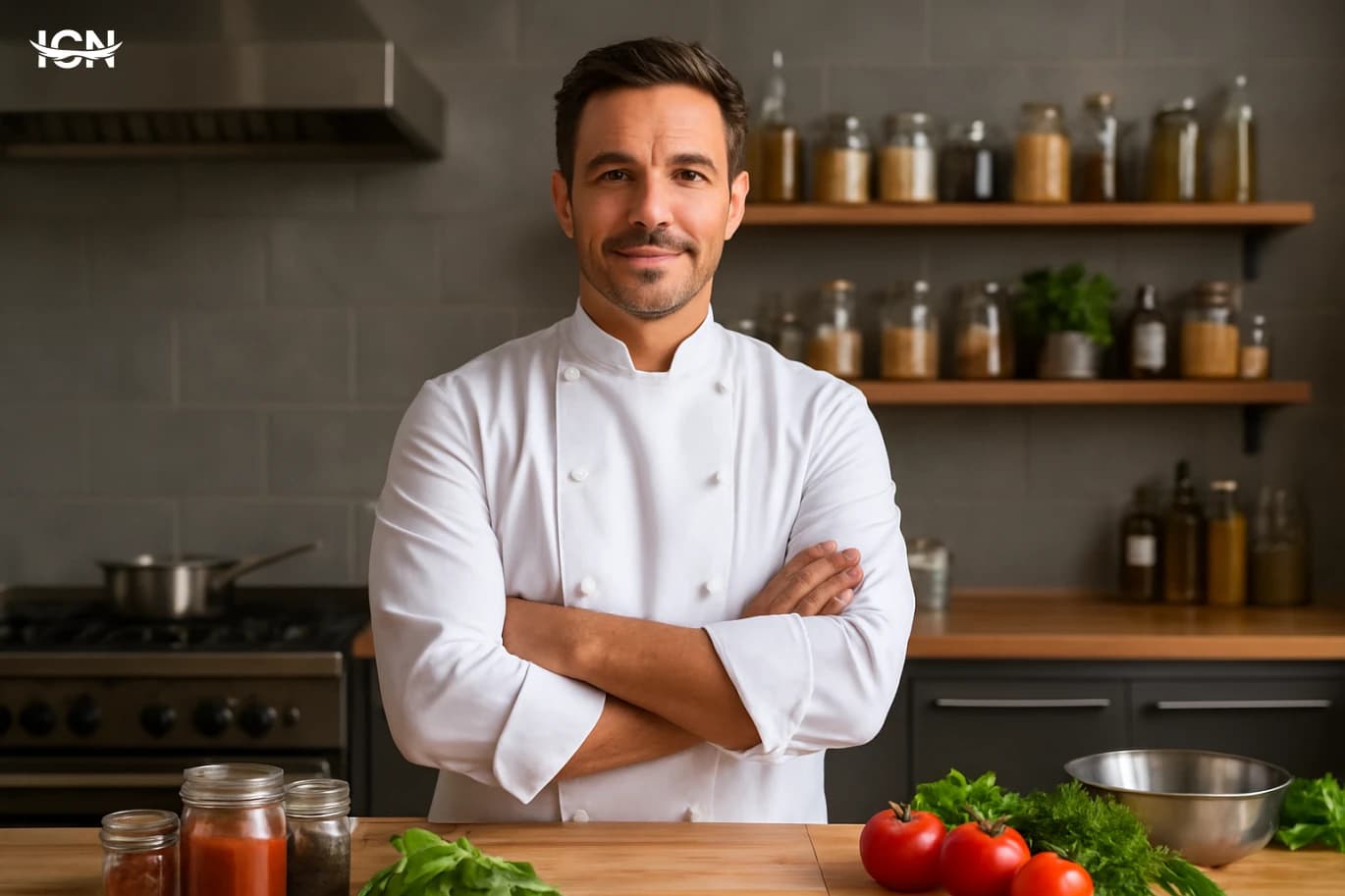
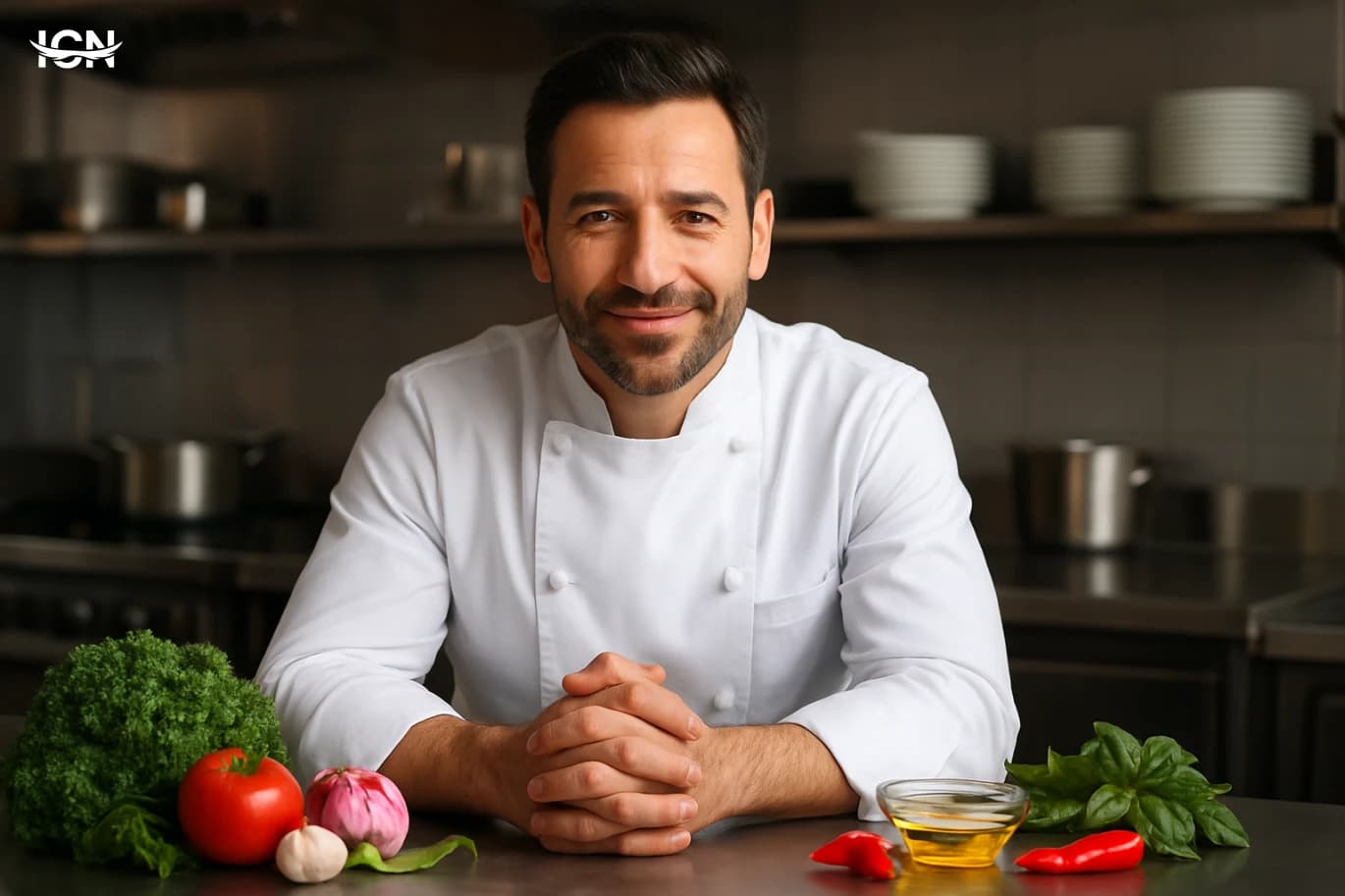
How Celebrity Chefs Build Global Food Brands
03/01/2026By: ICN Writer
How Celebrity Chefs Build Global Food Brands

Why chefs became mainstream celebrities

Celebrity chefs moved from the kitchen to the center of popular culture because food media became a daily habit, not an occasional treat. Cooking shows expanded from niche channels to prime-time formats, then to streaming platforms where episodes are watched like series. Social media accelerated this shift: short videos, behind-the-scenes clips, and live Q&As made chefs feel accessible while still authoritative. Restaurants also changed. Diners increasingly choose places based on the person behind the menu, not only the cuisine type. A recognizable chef name can reduce the risk for customers trying a new concept in a new city. Brands noticed that chefs communicate trust in quality and technique, which is valuable when selling packaged foods, cookware, or meal kits. This section sets the context for how a chef’s public profile becomes an asset that can be managed, measured, and expanded across markets.

The brand blueprint behind a famous chef

A chef’s brand is usually built on a clear promise that can be repeated across formats. It might be “simple weeknight cooking,” “regional authenticity,” “health-forward meals,” or “fine-dining technique made approachable.” The promise is supported by recognizable visual cues: a consistent color palette, kitchen style, plating approach, and even a signature ingredient or spice profile. Successful chef brands also define a target audience with precision. A cookbook for busy families is written and photographed differently than a book aimed at culinary students. Tone matters: some chefs lean on strict instruction, others on humor, but the voice stays consistent. Behind the scenes, teams often develop brand guidelines similar to corporate style guides, covering everything from logo usage to how recipes are tested and written. This discipline helps the chef expand into new products without confusing the audience. When the brand promise is clear, partnerships become easier to evaluate: does a cookware line reinforce the chef’s credibility, and does a packaged sauce match the flavor expectations people associate with the name?

From restaurants to products and licensing

Many celebrity chefs start with restaurants, but the scalable growth often comes from products and licensing. Restaurants are operationally complex and limited by location and capacity. Packaged goods, cookbooks, and branded kitchen tools can reach millions without requiring a seat at a table. The path typically follows stages. First, a flagship restaurant establishes credibility and press coverage. Next, media work expands reach: television appearances, digital series, or a strong social channel. Then comes product expansion: a cookbook that translates the chef’s style into repeatable recipes, followed by a line of sauces, spices, frozen meals, or meal kits. Licensing is a major lever. A chef can lend a name and recipe direction to a manufacturer with established distribution, while maintaining quality control through approvals and periodic audits. The best deals define responsibilities clearly: who sources ingredients, who owns the recipes, how changes are approved, and what happens if quality standards slip. This section explains why some chefs focus on fewer, tightly managed products, while others build broad portfolios across multiple categories.

Quality control and reputation risk

A chef’s reputation is fragile because it is tied to taste, safety, and consistency—areas where consumers notice small changes. When a chef expands into packaged foods, the biggest challenge is matching the experience people expect from the restaurant or the on-screen persona. Quality control starts with recipe development that accounts for industrial production: shelf life, ingredient availability, and regional taste differences. It continues with sensory testing, clear specifications for suppliers, and batch-to-batch checks. Transparency also matters. Labels, allergen information, and realistic serving suggestions protect trust. On the communications side, chefs need a plan for feedback loops. Reviews on retail sites and social platforms can reveal issues quickly, but only if the team monitors them and responds with concrete actions such as reformulations or supplier changes. A single poorly executed product can damage the entire brand, including restaurants and media work. This section outlines how disciplined testing, honest marketing, and clear accountability reduce risk while allowing growth.

Digital platforms and the new fan economy

Digital platforms changed how chef fame is built and monetized. Instead of relying on a network schedule or magazine coverage, chefs can publish directly and measure performance in real time. Short-form video favors clear, repeatable formats: a 30-second technique lesson, a weekly pantry recipe, or a consistent series such as “three-ingredient sauces.” These formats are not only content; they are product research. Comments reveal what ingredients people can’t find, what tools they use, and what price points feel reasonable. Many chefs also use newsletters and podcasts to deepen loyalty with practical information: shopping strategies, seasonal ingredient guides, and interviews with producers. The fan economy supports multiple revenue streams, including paid classes, branded collaborations, and limited product drops. However, digital growth requires operational discipline: posting schedules, production quality, and legal clarity on music, images, and recipe ownership. This section explains how chefs turn attention into a stable business without losing credibility.

What to watch in the next five years

The next phase of celebrity chef branding will be shaped by consumer expectations for value, transparency, and convenience. More chefs will likely focus on fewer, better products with clear sourcing stories rather than large, unfocused lines. Retailers are also demanding proof of performance, so data-driven launches—testing in limited regions, tracking repeat purchases, and adjusting formulas—will become standard. Sustainability claims will face stricter scrutiny, pushing chefs to use measurable statements such as packaging material percentages and verified supplier standards. Technology will influence operations: improved cold-chain logistics for premium prepared meals, smarter inventory planning for restaurants, and more interactive cooking education through live streams and structured courses. International expansion will remain attractive, but it will require local adaptation, including spice levels, ingredient substitutions, and bilingual packaging. Readers can use these signals to evaluate which chef brands are built for long-term trust and which are mainly short-term hype.

* All articles published on this blog are sourced from various websites and are provided for informational purposes only. They should not be considered as confirmed studies or accurate information. Please verify the information independently before relying on it.

Similar ARTICLES

How Celebrity Book Clubs Shape Publishing
Celebrity book clubs have become a major force in how readers discover fiction and nonfiction. A single monthly pick can move a title from modest sales to national bestseller lists within days, not because of traditional reviews but because a recognizable public figure frames the book as a shared cultural moment. These clubs operate across TV segments, podcasts, newsletters, and social platforms, creating a distribution channel that is both editorial and promotional. The result is a new kind of gatekeeping: selection is centralized, but the conversation is decentralized through millions of readers posting reactions, quotes, and reading progress. This influence is measurable. Publishers track pre-order spikes immediately after an announcement, and retailers adjust inventory based on expected demand. Libraries report long hold lists for picks, and audiobook platforms see a surge in downloads when the celebrity host highlights narration quality or author interviews. For authors, the club sticker on a cover can change the trajectory of a career, opening doors to translation deals, film options, and speaking invitations. For readers, the club format reduces choice overload by offering a curated path through an increasingly crowded market.
Sheikh Hamad bin Khalifa and Qatar’s Modern Turn
Sheikh Hamad bin Khalifa Al Thani was born in 1952 and grew up during a period when Qatar was transitioning from a small Gulf state to a country preparing for rapid economic and institutional change. His early education combined local schooling with formal training abroad, including studies at the Royal Military Academy Sandhurst in the United Kingdom, a path taken by many Gulf leaders of his generation. That experience shaped his approach to state administration, emphasizing structured institutions, clear chains of responsibility, and long-term planning. Before becoming Emir, he held senior positions that placed him close to the core of government decision-making. He served as Heir Apparent and took on responsibilities related to defense and security, while also engaging with economic planning at a time when energy revenues were becoming central to national development. These roles mattered because they exposed him to the practical constraints of governing: building capable ministries, managing public finances, and balancing domestic priorities with external relationships. By the early 1990s, he was widely viewed as a key figure in shaping Qatar’s administrative modernization and in preparing the state for a more active regional and international profile.
How Celebrity Chefs Built Global Food Brands
Celebrity chefs are no longer defined only by restaurant reviews or television ratings. Over the past two decades, many have built full-scale businesses that look more like consumer-brand companies than traditional hospitality groups. Their influence grew as cooking shows expanded internationally, social platforms made kitchen content shareable, and audiences began to follow personalities as much as recipes. That shift created a new kind of public figure: a chef who can launch products, negotiate licensing deals, and manage a portfolio of ventures. The business logic is straightforward. Restaurants are high-cost, operationally complex, and sensitive to location and staffing. A packaged sauce, a cookware line, or a digital course can scale faster and reach customers who may never visit a flagship restaurant. For celebrity chefs, brand extensions also reduce risk by diversifying revenue streams across retail, media, and experiences. The most successful examples treat the chef’s name as a brand asset that must be protected with consistent quality, clear positioning, and careful partner selection.
Shakira’s 2026 World Cup Spotlight
The 2026 FIFA World Cup is set to be the largest edition in the tournament’s history, and Mexico’s role as a host gives the opening ceremony unusual symbolic weight. In this context, the idea of Shakira headlining the kickoff in Mexico is not just a celebrity booking; it is a strategic choice that aligns with the event’s regional identity and global broadcast ambitions. Mexico has a long tradition of staging major international sports events, and the opening ceremony is expected to be designed for stadium audiences and for a worldwide television and streaming audience measured in the hundreds of millions. Shakira’s name carries a specific kind of cross-market recognition. She is one of the few Latin artists with sustained chart performance across Spanish- and English-language markets, and she has a track record of delivering stadium-scale performances that translate well on camera. For organizers, the opening ceremony is a branding moment: it sets the tone for the tournament, introduces host-country imagery, and signals production standards. A performer with proven global appeal reduces risk and increases the likelihood of strong social media traction, which has become a key metric alongside traditional ratings. From a commercial perspective, the opening ceremony is also a sponsor showcase. Brands want a clean, high-energy narrative that can be clipped into short videos and distributed instantly. Shakira’s catalog includes multiple high-tempo hits associated with major events, and her performance style is built around choreography and clear hooks that work in short-form formats. If the plan includes a second “historic” appearance at the final, it would amplify the tournament’s entertainment storyline and provide a consistent musical thread from the first match to the last.
Remembering Abdelaziz Makhyoun at 83
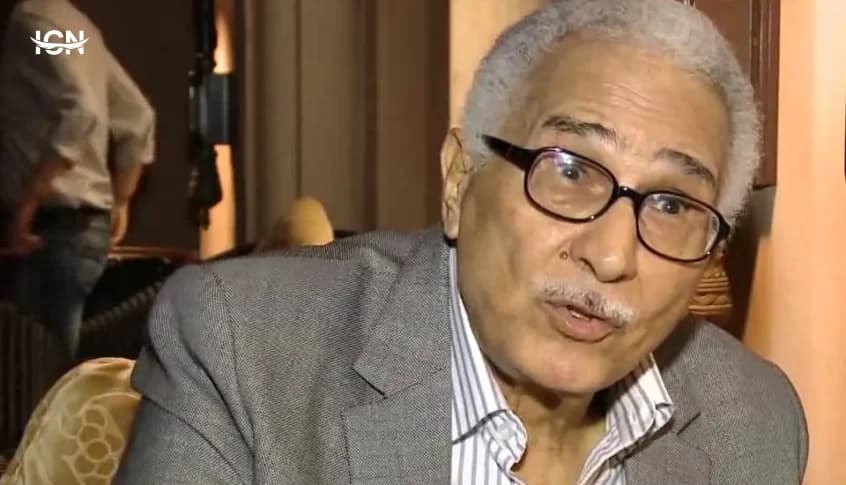
Reports of the death of Egyptian artist Abdelaziz Makhyoun at the age of 83 prompted wide attention across Egyptian cultural circles and among audiences who followed his work for decades. In situations like this, the most important point for readers is clarity: what has been confirmed, what remains unverified, and how to follow updates responsibly. The initial wave of coverage typically comes from entertainment desks, colleagues, and social media accounts, but the most reliable confirmations usually arrive through official family statements, the artists’ syndicate, or established newsrooms citing named sources. As the news circulated, many outlets focused on summarizing his long career rather than speculating about circumstances. That approach matters because it keeps the public conversation anchored in documented achievements and avoids turning a personal moment into rumor. For readers, the practical guidance is to look for consistent details across multiple reputable sources: the stated age, the timing of the announcement, and any information about funeral arrangements that is attributed to family members or official representatives. In Egyptian media practice, announcements of condolences and funeral details often appear quickly once confirmed, including the location of prayers and burial, and the timing of receiving condolences. Until such details are published with attribution, it is better to treat circulating posts as preliminary. The broader point is that the public’s desire to participate in mourning should be matched with respect for accuracy and privacy. When the facts are confirmed, the focus naturally shifts to the meaning of a career that spanned generations of viewers.
How Celebrity Memoirs Are Made Today
Celebrity memoirs have become one of the most reliable products in mainstream publishing because they combine a built-in audience with a clear marketing narrative. Unlike a novel that must earn attention from scratch, a memoir can be positioned around recognizable milestones: a breakout role, a championship season, a major album, a high-profile business launch, or a long career that spans multiple eras. Publishers also like memoirs because they generate multiple formats at once—hardcover, e-book, audiobook, and excerpts—each with its own revenue stream and promotional strategy. The modern memoir market is also shaped by how people consume celebrity content. Fans already follow interviews, podcasts, and social media, so a book is often sold as the “complete story” or the “unfiltered version,” even when it is carefully edited and legally reviewed. The strongest memoir campaigns typically connect the book to a broader media moment: a film release, a tour, an anniversary, or a documentary. In practice, the memoir is less a standalone artifact and more a coordinated media asset designed to extend a celebrity’s brand and keep them visible across platforms.
Zendaya’s Business Playbook Beyond Acting
Zendaya’s rise is often described through awards and red-carpet moments, but her real influence is easier to understand when you track decisions: what she accepts, what she declines, and how she positions herself across industries. In a decade, she moved from youth television to leading roles in prestige projects while maintaining a public image that is tightly managed and broadly appealing. That combination makes her a useful case study for how a celebrity can function as a long-term brand without overexposure. Her career is also notable for timing. She expanded into film and high-fashion partnerships during a period when streaming platforms, social media, and global marketing made celebrity reach more measurable. Instead of relying on constant visibility, her approach has leaned toward selective appearances, high-impact projects, and consistent messaging. For readers interested in how modern fame is built and sustained, Zendaya provides a clear, specific example of strategy rather than luck.
Cannes 2026 What to Watch
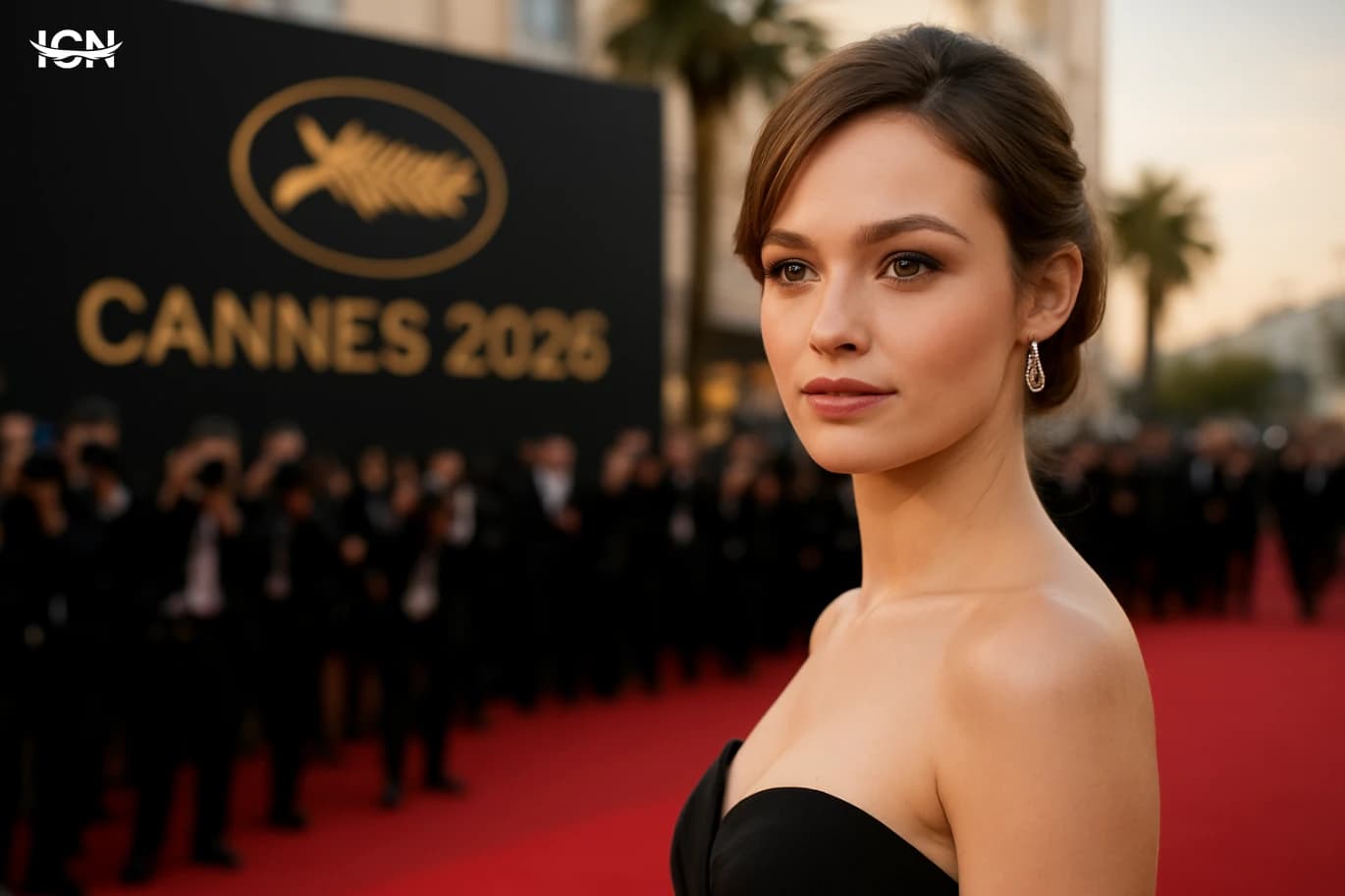
The Cannes Film Festival remains the most closely watched meeting point for filmmakers, performers, producers, and distributors, and the 2026 edition is expected to keep that role while reflecting how the industry is changing. Cannes is not only about awards; it is also a market signal. A strong premiere on the Croisette can shape a film’s global release strategy, influence awards-season positioning, and determine whether a project attracts international sales. In 2026, attention will likely focus on how major studios and independent producers balance theatrical releases with streaming partnerships, and how they present those choices to a festival audience that still values the cinema experience. Cannes also functions as a public stage for high-profile figures: directors returning with new work, actors stepping into producing roles, and international talent using the festival to expand beyond their home markets. Even without predicting the official lineup, it is clear that Cannes 2026 will be measured by the strength of its premieres, the diversity of its creative voices, and the business outcomes that follow in the weeks after the festival ends.
Vienna Launches Eurovision 2026 Season
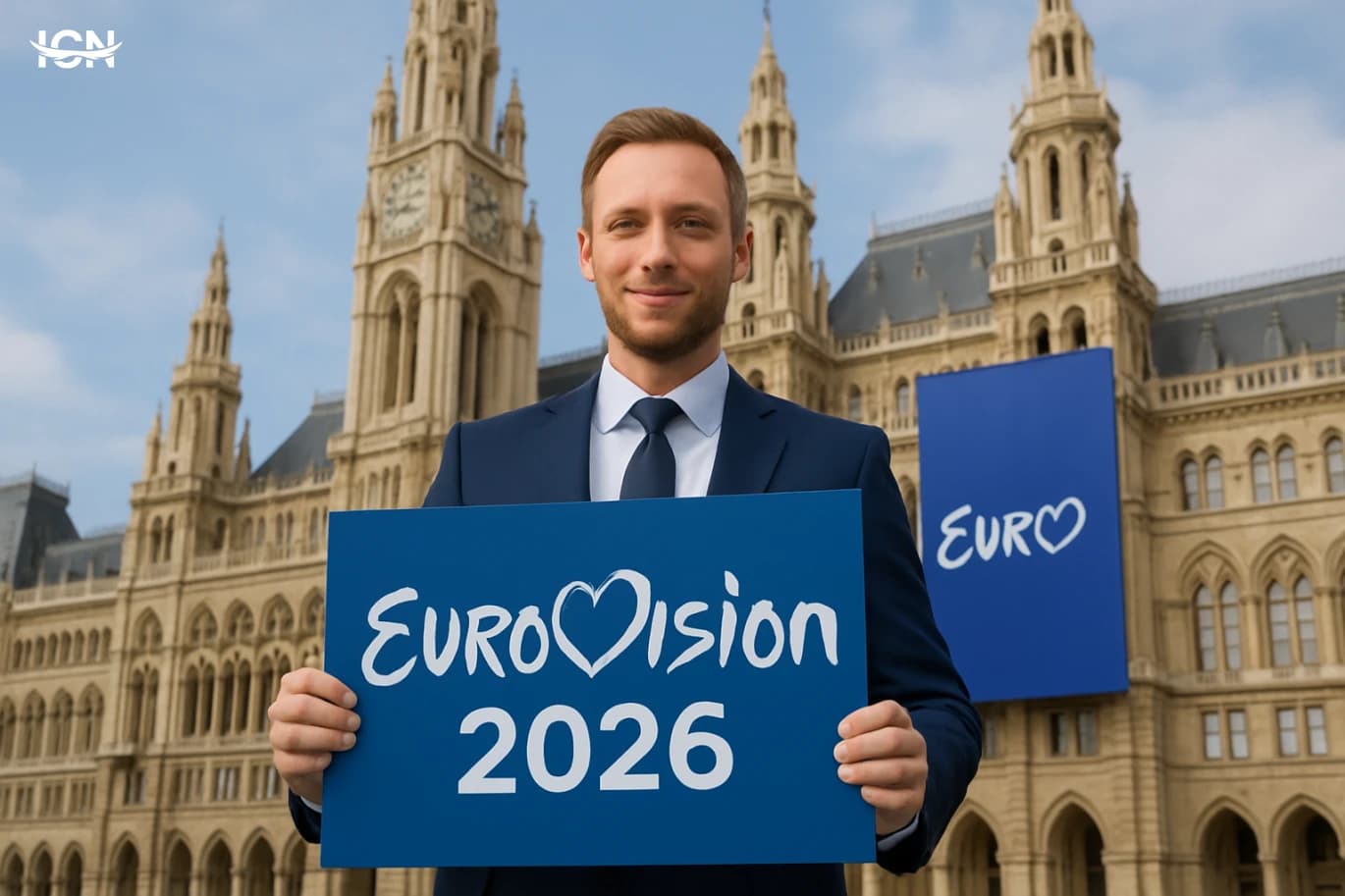
Eurovision 2026 officially gets underway in Vienna, putting the Austrian capital at the center of Europe’s biggest live music television project for the coming months. The launch marks the start of a long production cycle that includes national selections, artist announcements, rehearsals, and a major international broadcast week. For fans, it is the moment when the contest shifts from last year’s memories to a new field of songs, performers, and creative concepts. Vienna’s role at the start of the season is not only symbolic. It signals that the host city is ready to coordinate with the broadcaster, the European Broadcasting Union, and dozens of delegations that will arrive with their own teams and expectations. The early phase focuses on setting the tone: how the event will look on screen, how visitors will move around the city, and how the contest will be presented as both entertainment and a large-scale cultural production. It is also when the public begins to learn what kind of Eurovision Vienna wants to deliver in 2026.
Abdel Rahman Abu Zahra in Focus
Abdel Rahman Abu Zahra is widely recognized as one of Egypt’s most versatile performers, with a career that spans stage, television, cinema, and voice work. Born in Egypt, he pursued formal artistic training at the Higher Institute of Dramatic Arts in Cairo, an institution that has shaped many of the country’s leading actors and directors. His education gave him a disciplined approach to performance, from voice control and diction to character analysis and movement, skills that later became visible in the breadth of roles he could handle. In the early phase of his career, Abu Zahra built credibility through theater, where rehearsal culture and live performance demand precision and consistency. Stage work also helped him develop a clear command of Arabic delivery, including classical phrasing when required, while maintaining an accessible style for contemporary audiences. This foundation mattered in an era when Egyptian theater served as a major training ground and a public platform for serious acting. By the time he moved more steadily into screen work, he had already established a reputation among peers for professionalism and readiness to take on complex parts.
How Zendaya Built a Modern Career
Zendaya’s public career began in the Disney ecosystem, where she gained early visibility through youth-oriented television and music tie-ins. That start mattered because it trained her for a high-volume media environment: promotional interviews, live appearances, and a fast production schedule. It also created a recognizable baseline image that she later had to expand beyond. The shift did not happen overnight. She took on roles that gradually changed how audiences and casting directors perceived her, moving from teen-focused projects to work that demanded different emotional range and more complex character arcs. A key part of this transition was timing. Instead of abandoning her early audience, she carried that recognition into projects that reached older viewers, using each release as a step rather than a sudden reinvention. This approach reduced the risk of being defined by one era of work. It also gave her room to build credibility with directors and producers who look for reliability as much as talent. By the time she was appearing in larger studio projects and prestige television, the narrative around her had shifted from “former child star” to “multi-platform performer” with a clear upward trajectory.
Hany Shaker and the Modern Arabic Song
In Egypt’s popular culture, Hany Shaker is often discussed as more than a singer with a long list of romantic hits. His career provides a clear window into how the mainstream Arabic song evolved from the late 1970s onward, balancing classical melodic sensibilities with changing production styles and audience expectations. He became widely recognized for a vocal approach that favors clarity, controlled emotion, and a strong connection to the traditional Egyptian school of singing. What makes him particularly relevant is the way his public image remained tied to a “respectable” mainstream identity while the market around him shifted. Across decades, he continued to release songs, appear on major television platforms, and perform in high-profile concerts, keeping his name present for multiple generations. For listeners, he represents continuity: a voice associated with a certain standard of diction, melody, and lyrical directness that many fans consider a hallmark of the classic Egyptian pop-romantic tradition.
Sohair Zaki and Egypt’s Dance Era
Sohair Zaki is widely remembered as one of the most recognizable Egyptian dancers of the second half of the 20th century, a period when live music venues, cinema, and television variety programs shaped mainstream entertainment. Her name is often mentioned alongside the broader shift in how dance was presented: from nightclub stages to film sets and televised performances that reached audiences far beyond Cairo’s nightlife. What keeps her relevant today is not only nostalgia. Her career offers a clear window into how Egyptian popular culture worked at the time: the role of orchestras, the importance of star-making media, and the way performers built reputations through a mix of live appearances and screen work. For many viewers, she represents a style associated with strong musicality and a stage presence designed for large venues and camera framing alike. In contemporary discussions, Sohair Zaki is frequently used as a reference point when comparing different generations of performers. Whether the conversation is about technique, costume design, or the relationship between dancer and band, her era provides concrete examples of how entertainment industries organized talent, marketed shows, and created household names.
By clicking the SUBSCRIBE button, you are agreeing to our Privacy & Cookie Policy If you want to unsubsribe the marketing email, please proceed to our privacy center.
© 2005-2026 ICN. All Rights Reserved.