Hosting a Meaningful Friendsgiving Dinner
- Why Friendsgiving Works
- Planning the Guest List and Timing
- A Menu That Feels Special
- Decor, Seating, and Atmosphere
- Traditions That Keep It Personal
- Logistics, Budget, and Cleanup
Why Friendsgiving Works
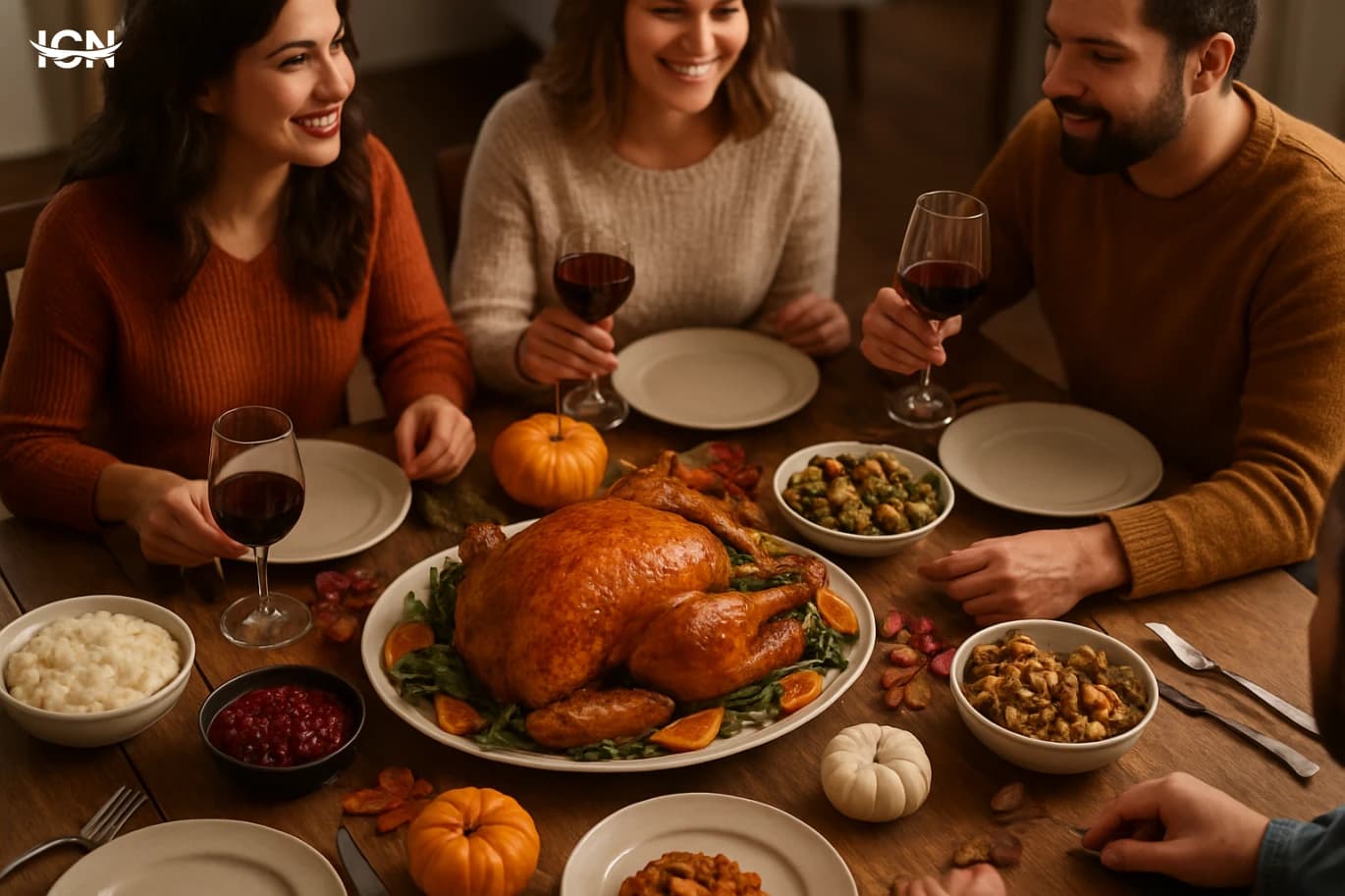
Friendsgiving has become a practical alternative to traditional Thanksgiving for people whose families live far away, for newcomers to a city, and for friends who want a low-pressure holiday gathering. It works because it keeps the core idea—sharing a meal and gratitude—while allowing flexibility in timing, menu, and guest list. Many groups schedule it one or two weekends before the official holiday to avoid travel conflicts and to secure a date when everyone can attend. The best Friendsgiving dinners feel intentional rather than improvised. That means setting a clear expectation: is it a potluck, a hosted meal, or a hybrid? It also means choosing a size that fits your space and your budget. A group of 8–12 is often ideal for a dining table, while 14–18 can work if you plan for buffet-style serving and extra seating. When the structure is clear, guests contribute confidently and the host avoids last-minute stress.
Planning the Guest List and Timing
Start with a guest list that reflects the tone you want. If the goal is conversation and connection, prioritize people who know at least one other guest, or introduce a few newcomers but not too many at once. A simple guideline is a 70/30 mix: most guests are familiar faces, with a smaller portion of new friends or plus-ones. Send invitations 3–4 weeks ahead and ask for RSVPs within 7–10 days so you can plan portions and seating. Timing matters more than many hosts expect. A 6:30–7:00 p.m. start works well for weekday evenings, while 4:00–5:00 p.m. is better for weekends because it leaves room for a long meal without running too late. Build in a 30-minute arrival window with drinks and small bites so late arrivals do not disrupt the first course. If you have guests who do not drink alcohol, plan equal attention to non-alcoholic options such as sparkling water with citrus, spiced apple cider, or a simple mocktail. Finally, communicate dietary needs early. A short message asking about allergies, vegetarian preferences, and religious restrictions prevents awkward moments at the table. It also helps you design a menu where everyone has at least two substantial options, not just side dishes.
A Menu That Feels Special
A strong Friendsgiving menu balances a centerpiece dish with reliable sides and one memorable dessert. Turkey is traditional, but it is not mandatory. Many hosts choose roast chicken, glazed ham, baked salmon, or a vegetarian main such as stuffed squash or a mushroom wellington. The key is to pick one main that you can execute confidently and that fits your kitchen equipment. If your oven is small, consider two smaller mains instead of one large bird. For sides, aim for variety in texture and flavor: one starchy option (mashed potatoes or roasted sweet potatoes), one green vegetable (green beans, Brussels sprouts, or a salad with a sharp vinaigrette), and one rich dish (mac and cheese, stuffing, or a creamy casserole). Add a simple bread option and a sauce or gravy. If it is a potluck, assign categories rather than letting everyone bring “a side,” which often results in duplicates. A shared spreadsheet or group chat list can keep it organized. Dessert can be the easiest place to add personality. Pumpkin pie is classic, but apple crisp, pecan bars, or a cheesecake also work well and travel better. If you want a lighter finish, serve fruit with whipped cream or a citrus tart. Plan coffee and tea, and consider to-go containers so leftovers do not become a burden for the host.
Decor, Seating, and Atmosphere
Friendsgiving decor does not need to be expensive, but it should be coherent. Choose a simple color palette—warm neutrals, deep greens, or autumn tones—and repeat it across napkins, candles, and a centerpiece. A practical centerpiece is one that does not block eye contact: a low arrangement of seasonal flowers, a line of small candles, or a bowl of citrus and pomegranates. Keep lighting warm and avoid harsh overhead light during dinner. Seating is where many gatherings succeed or fail. If you have a mixed group, avoid placing all newcomers together. Alternate talkative guests with quieter ones, and keep couples from clustering if you want broader conversation. If you do not have enough chairs, borrow folding chairs or use sturdy stools, but test them in advance. For larger groups, buffet service reduces pressure and keeps the table from feeling crowded with serving dishes. Sound matters too. Build a playlist that supports conversation: mid-tempo music at a low volume, with minimal lyrical intensity. If you plan a short toast or gratitude round, lower the music and make it optional; people participate more when they do not feel put on the spot.
Traditions That Keep It Personal
The most memorable Friendsgiving dinners include one or two small traditions that fit the group. A gratitude round can be effective if it is brief and specific: ask each person to share one thing they appreciated this month and one person they want to thank. Another option is a “story prompt” card at each place setting, such as a favorite meal from childhood or a travel moment that changed their perspective. These prompts work best between courses, not at the start when people are still settling in. Games can help, but choose formats that do not exclude quieter guests. A short trivia round about the group—inside jokes, shared trips, or music from a certain year—often lands better than loud party games. If you want a photo moment, do it early while the table is tidy and lighting is good. A simple group photo and one candid shot per person is enough; excessive filming can make guests self-conscious. If your friends come from different cultural backgrounds, acknowledge it in the menu or the table. Invite one dish that reflects someone’s heritage, or add a short note card explaining a family recipe. This keeps the event inclusive and gives people a concrete way to share their identity without turning the night into a formal presentation.
Logistics, Budget, and Cleanup
A smooth Friendsgiving is mostly logistics. Build a short timeline: shopping 2–3 days before, prep the day before (chop vegetables, make dessert, set the table), and cook the main on the day. If you are hosting alone, choose recipes that share oven temperature and do not require constant stirring. Label serving utensils and plan where hot dishes will rest so you are not searching for space at the last minute. Budgeting is easier when you decide what the host covers and what guests bring. Many groups split it by category: the host provides the main, drinks, and basic sides; guests bring one assigned dish or contribute a fixed amount for groceries. If money is sensitive, keep it discreet and simple. A shared note that says “bring a side or $10 for ingredients” is clearer than vague requests. Cleanup should be planned, not negotiated at midnight. Set up a station with trash bags, recycling, and a container for compost if you use it. Run the dishwasher once during the event if possible, and stack plates in one place to avoid clutter. At the end, offer leftovers in labeled containers and send guests home with a small portion. It reduces waste and ends the night on a practical, generous note.