Hokkaido island
- Introduction to Hokkaido Island
- History and cultural heritage
- Geography and nature of Hokkaido
- Climate and environment
- Tourism in Hokkaido
Introduction to Hokkaido Island
A. Geographical location and population distribution Hokkaido Island is considered the largest of the northern islands of Japan, and is distinguished by its diverse terrain and cold climate. Its population is estimated at approximately 5.5 million, making it one of the least densely populated islands in the country. Hokkaido has vast expanses of forests and mountains, providing an ideal environment for outdoor activities. for. The island's economic and tourism importance Hokkaido is a major economic center thanks to agriculture and fishing. It also has a thriving tourism sector, attracting hikers from all over Japan and the world to enjoy the ski facilities and stunning scenery. Winter tourism in Hokkaido is witnessing great demand, which enhances its position on the global tourism map.
History and cultural heritage
A. A historical overview of the discovery of the island. The history of Hokkaido goes back to ancient times, when it was inhabited by the indigenous Ainu people. The island was discovered by Japanese sailors during the seventeenth century, but Japanese colonization did not begin until the nineteenth century. The island developed significantly after the implementation of immigration and development policies. for. Cultural Heritage and Traditional Practices Hokkaido's cultural heritage is diverse, with traditional arts and crafts reflecting the influences of the Ainu people. Folklore, folk arts, and festivals such as the Cinco Festival contribute to highlighting the island's history. Farming and hunting traditions are also practiced, which reflect the residents' lifestyle and connect them with the nature around them.
Geography and nature of Hokkaido
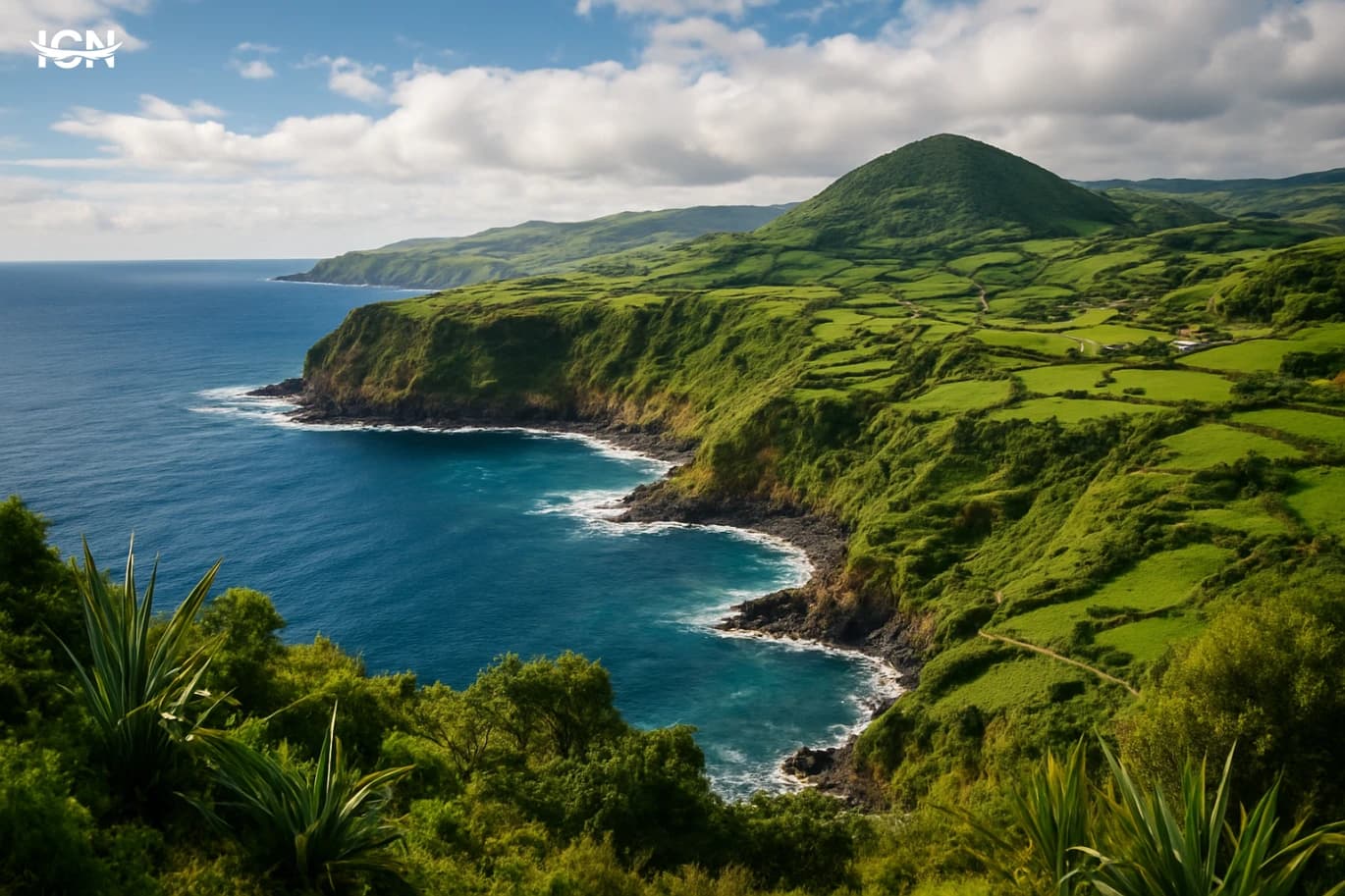
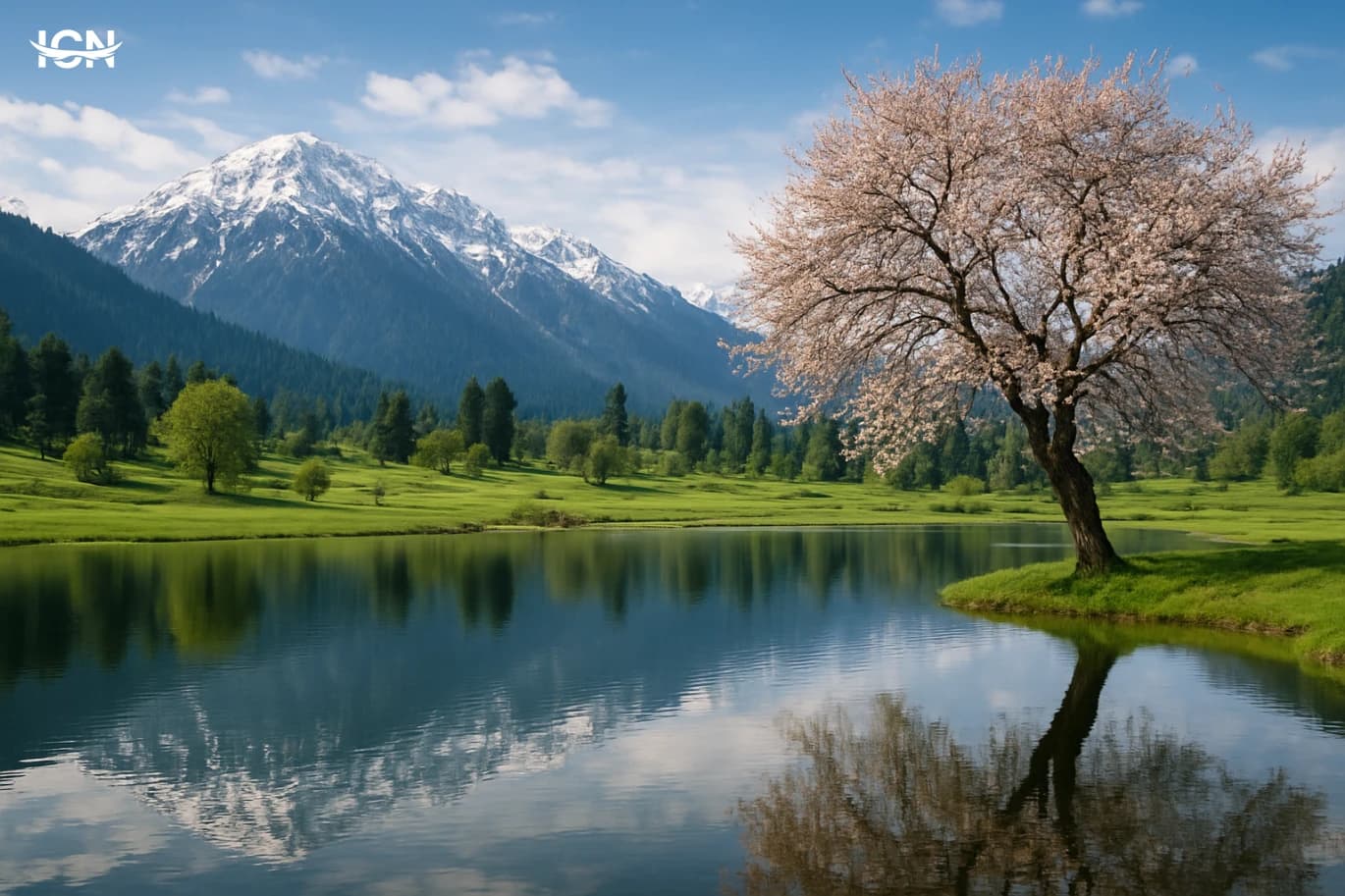
A. Mountainous areas and plains Hokkaido is characterized by its diverse terrain, with high mountains and wide plains. The Roccuzan Mountains stretch across the island, offering stunning scenery and activities such as hiking and skiing in the winter. While the plains form vital agricultural areas, which enhances the local economy and reflects the beauty of nature. for. Wildlife and rare plants Hokkaido is home to amazing biodiversity, with many rare species of animals and plants. Wildlife includes brown bears, wolves, and many rare birds. Hokkaido's forests are also ideal for growing unique plants, making the island a valuable area for environmental and biodiversity conservation.
Climate and environment
A. Types of climate on the island One of the notable features of Hokkaido is its diverse climate, with temperatures varying throughout the seasons. The island has a humid continental climate, with cold winters and snowfall, while summers are mild. for. Impact of climate on daily life Climate greatly affects the daily lifestyles of Hokkaido residents. Winter and heavy snow enhance the culture of skiing and snowboarding, while summer reflects the beauty of nature through outdoor activities and agricultural celebrations. Residents' activities are consistent with climate changes, reflecting the unique local life.
Tourism in Hokkaido
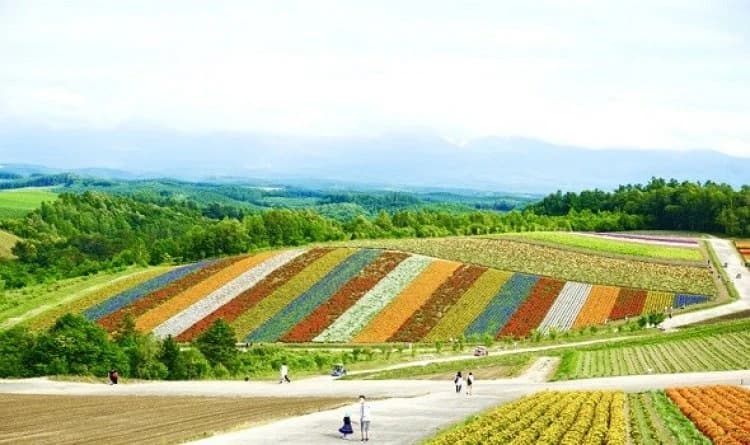
A. Famous tourist attractions Traveling to Hokkaido is a unique experience thanks to the diverse tourist attractions. From famous ski resorts like Niseko to natural parks like Shikotsu-Toikai Park, visitors get the chance to enjoy the scenic beauty. for. Local events and festivals Hokkaido hosts many events and festivals that reflect the island's culture, such as the Sapporo Snow Festival, where giant ice sculptures are displayed. Celebrating the flower season also contributes to highlighting the beauty of the region, making tourism an ideal destination for nature and culture lovers.