App Logo

Download Our App

Shop your way

logologo
Image

Hijri New Year

07/02/2025By: ICN
Hijri New Year

the introduction

What is the Hijri New Year? The Hijri New Year is the beginning of the Islamic year and celebrates it on the first day of the month of Muharram. It symbolizes the prophetic migration from Mecca to Medina, where Muslims established a new society. The importance of celebrating the Hijri New Year celebration of the Hijri New Year has a great symbolism in the lives of Muslims. It is an opportunity to meditate on the lessons learned from Islamic history and enhance cultural and religious identity. It also represents a new beginning, which motivates individuals to set their goals and achieve their aspirations in the coming year. Preserving these traditions enhances belonging and unity among Muslims around the world.

History and origins

The origin of the Hijri New Year was identified to be the beginning of the Islamic calendar in the year 622 AD, the year in which the Prophet Muhammad, may God bless him and grant him peace, immigrated from Mecca to Medina. This migration was not merely moving, but rather a turning point that has always promoted Islam and founded the Muslim community. Important historical events of the Hijri New Year's history are linked to many important events such as the invasions and battles that Muslims have fought to enhance the foundations of religion. This Islamic calendar is a reference for identifying occasions and acts of worship such as Ramadan and Hajj, which gives special importance to its celebrations from year to year.

Traditions and customs

Traditional festive rituals The Hijri New Year celebrations include a group of traditional rituals such as family and neighbors' invitations and congratulations. Muslims are keen to revive this moment through special prayers, read the Qur’an, and remind immigration events. Many families are associated with preparing delicious dishes and foods that express the diverse cultural heritage. Usual activities and events usually include celebrations, organizing societal events that contribute to enhancing social ties. The tents that offer cultural and heritage activities are established, and organizes sporting events that are added to the appropriate joy, which reflects the values ​​of cooperation and love among members of society.

Celebrations around the world

How people celebrate the Hijri New Year in various countries? The Hijri New Year celebrations vary according to local cultures and traditions. In some countries, such as the Kingdom of Saudi Arabia, official celebrations include speeches and lectures in mosques, while in other countries such as Indonesia, the occasion is revived through artistic designs and colored ribbons that express joy. Cultural differences and private rituals reflect the rituals of the New Year's New Year's diversity, as unique habits such as the establishment of festivals and the presentation of special traditional dishes are added. In some African countries, celebrations are an opportunity to express cultural pride through folklore and music. These differences make the celebration an opportunity for cultural communication and the enhancement of ties between peoples.

Food and food

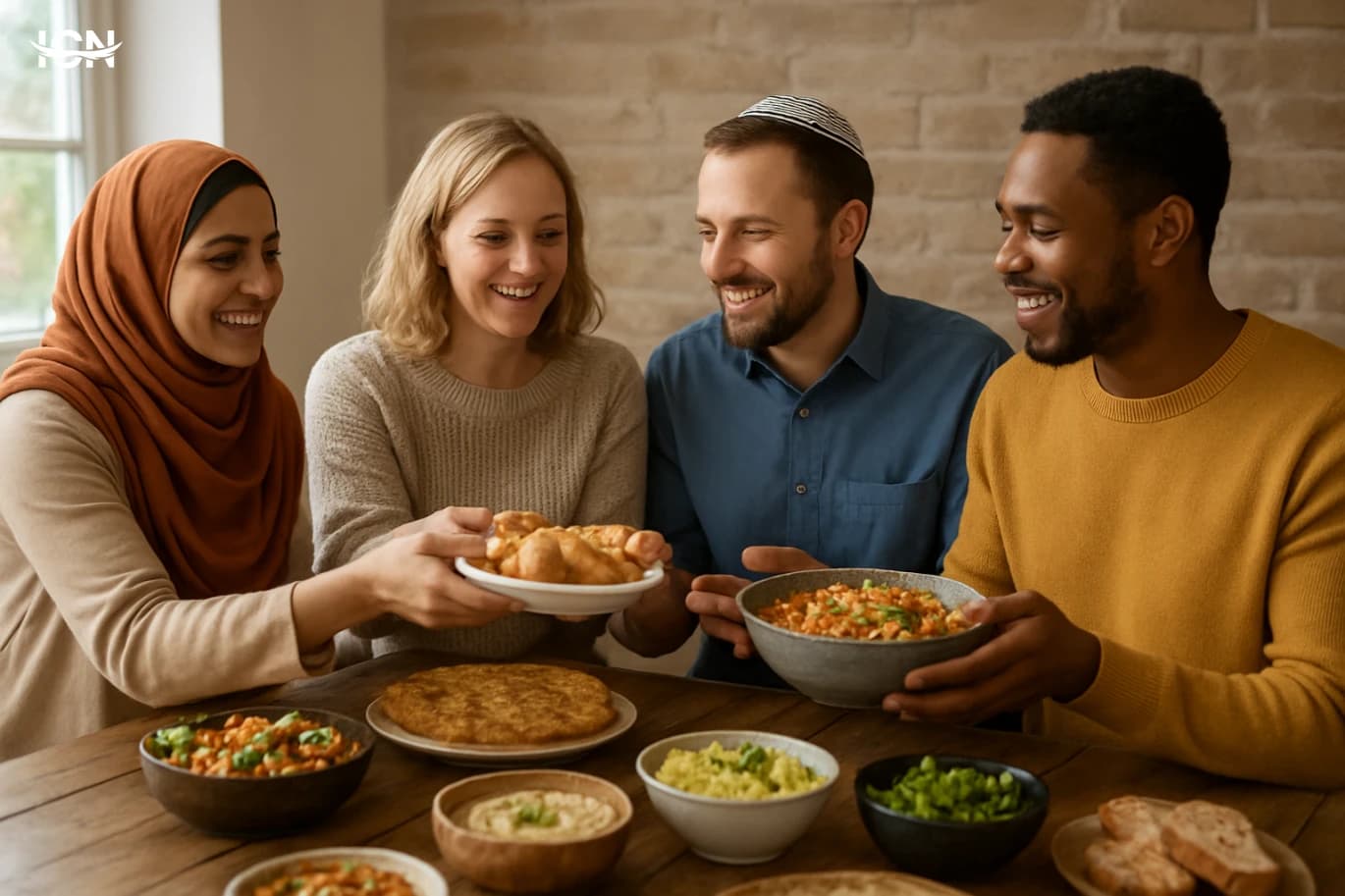
The traditional foods served in the New Year's New Year The New Year's New Year is characterized by providing a group of traditional foods that represent each country. One of the delicious meals in the Arab countries is Ramadan cooks such as rice with meat and chicken, but in Southeast Asian countries, hot foods that reflect the cultural heritage of the region may be considered. Special dishes and traditional sweets offer traditional sweets on the occasion of the Hijri New Year, such as cakes and applicable in many Arab countries. While local sweets are distinguished in other countries, such as stuffed cakes, covered with nuts. These dishes occupy a special place in the celebrations as families and friends gather around one table.
* All articles published on this blog are sourced from various websites and are provided for informational purposes only. They should not be considered as confirmed studies or accurate information. Please verify the information independently before relying on it.

Similar ARTICLES

How Communities Preserve Sacred Music Today
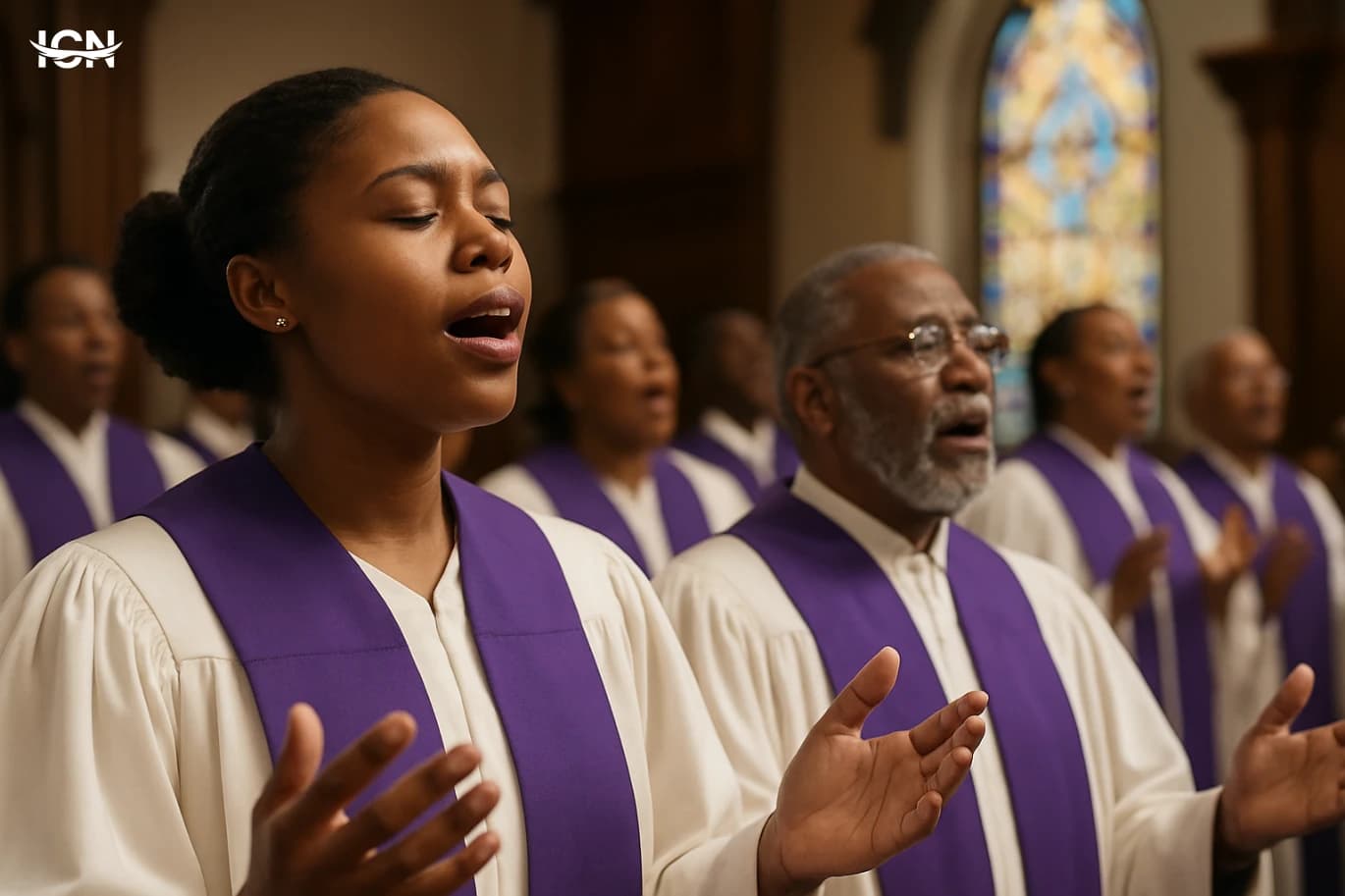
Sacred music remains one of the most practical ways communities carry beliefs across generations. In many traditions, melodies and rhythmic patterns are tied to specific seasons, ceremonies, and shared memories, making them easier to retain than long texts alone. Congregations often recognize a piece within seconds, even when language changes or literacy levels vary. This matters in diaspora settings, where families may live far from their original places of worship and rely on sound to recreate a familiar spiritual environment. Beyond worship, sacred music functions as a social infrastructure. Choir rehearsals, chant circles, and instrument lessons create weekly routines that connect elders, youth, and newcomers. These gatherings also transmit etiquette: when to stand, how to respond, how to breathe together, and how to treat a sacred text or space. In many communities, the music is not considered a performance but a form of participation, where accuracy and intention are both valued. This dual role—spiritual practice and community glue—explains why preservation efforts have expanded rather than faded in the digital age.
How Communities Observe Sacred Time Today
Sacred time is the idea that certain hours, days, or seasons carry a special meaning beyond the ordinary calendar. In many faith traditions, it organizes community life through weekly gatherings, annual festivals, and periods of reflection. Even in highly scheduled modern societies, sacred time remains a practical framework: it sets predictable moments for rest, shared meals, charitable activity, and intergenerational teaching. This is not only about personal spirituality; it also shapes how neighborhoods coordinate events, how families plan travel, and how local businesses adjust opening hours. Today, sacred time is also influenced by technology and mobility. People may join services through livestreams, follow prayer times via apps, or participate in holiday rituals while living far from their extended families. These changes raise concrete questions: what counts as “being present,” how do communities maintain a shared rhythm when members work irregular shifts, and how do leaders communicate expectations clearly? Understanding sacred time as a social system helps explain why it persists and how it adapts without losing its core purpose: creating structured moments for meaning, accountability, and belonging.
Everyday Ethics Across World Faiths
Many people associate religion with ceremonies, sacred texts, and places of worship, but for most believers the most frequent contact with faith is practical: how to speak, trade, work, and treat others. Daily ethics is where beliefs become visible in ordinary decisions, from returning a lost item to keeping a promise when it is inconvenient. This topic is also relevant for mixed communities and workplaces, where people may not share the same theology but still expect fairness, honesty, and respect. A useful way to approach the subject is to focus on common ethical questions rather than doctrinal debates. What does a tradition say about truthfulness in business? How does it frame generosity when resources are limited? How does it encourage patience, self-control, and responsibility in family and community life? Looking at these questions across major faiths can help readers understand both shared values and meaningful differences in emphasis, language, and practice.
How Faith Communities Preserve Memory
Religions and belief traditions are not only sets of doctrines; they are also systems for remembering. Communities pass down stories, moral lessons, and shared identities across centuries, often without relying on formal institutions or written archives alone. Memory in this context is practical: it helps people locate themselves in a larger narrative, understand obligations, and interpret everyday decisions through inherited meaning. This kind of memory is not static. It is curated and refreshed through repeated practices that make the past feel present. A community may emphasize certain episodes, figures, or teachings in response to new circumstances, while still claiming continuity. That tension—between preservation and adaptation—is one reason religious memory remains influential even in highly modernized societies.
How Faith Communities Preserve Heritage Today
Across many religions and belief traditions, heritage is not limited to old buildings or museum artifacts. It includes languages used in prayer, styles of calligraphy, music traditions, seasonal calendars, and community rules that shape daily life. When these elements fade, communities often lose practical knowledge about how to gather, teach, and support one another. This is why preservation has become a modern priority rather than a nostalgic hobby. In recent years, faith communities have faced rapid urban development, migration, and changing family structures. A neighborhood place of worship might be replaced by new construction, or a community may relocate and struggle to maintain its customs in a new setting. At the same time, younger members often learn and socialize online, which changes how traditions are transmitted. Preservation efforts now focus on documentation, education, and access, aiming to keep heritage usable and understandable rather than simply “saved.” This topic is also relevant beyond any single tradition. Many communities share similar challenges: limited funding, volunteer burnout, and the need to balance openness with respect for sacred practices. Understanding how preservation works in practice helps readers see faith heritage as living culture with clear social, educational, and economic impacts.
How Interfaith Food Traditions Shape Communities
Across many faiths, food is one of the most visible ways beliefs enter daily life. Dietary rules, fasting periods, and shared meals are not only private practices; they also shape how neighbors interact at schools, workplaces, and public events. This topic looks at interfaith food traditions as a practical lens for understanding belief in modern communities. It focuses on what people can observe and organize: menus, schedules, hospitality norms, and the etiquette of inviting others. In diverse cities, a single calendar month can include multiple observances that affect eating patterns, from daytime fasting to festival feasts. When institutions plan with awareness, they reduce friction and increase participation. A community center that offers flexible meal times, a school that labels ingredients clearly, or an employer that schedules team lunches thoughtfully can turn potential exclusion into inclusion. Food becomes a bridge because it is concrete: it requires planning, purchasing, preparation, and shared space. This blog topic examines how interfaith meals work in practice, what common misunderstandings arise, and how communities can host events that respect different traditions without turning them into performances. The emphasis is on real-world decisions: ingredient sourcing, cross-contact concerns, timing, and communication. It also considers how food-based gatherings can support civic cohesion by creating repeated, low-pressure opportunities for people to meet beyond formal dialogue sessions.
How Sacred Calendars Shape Daily Life
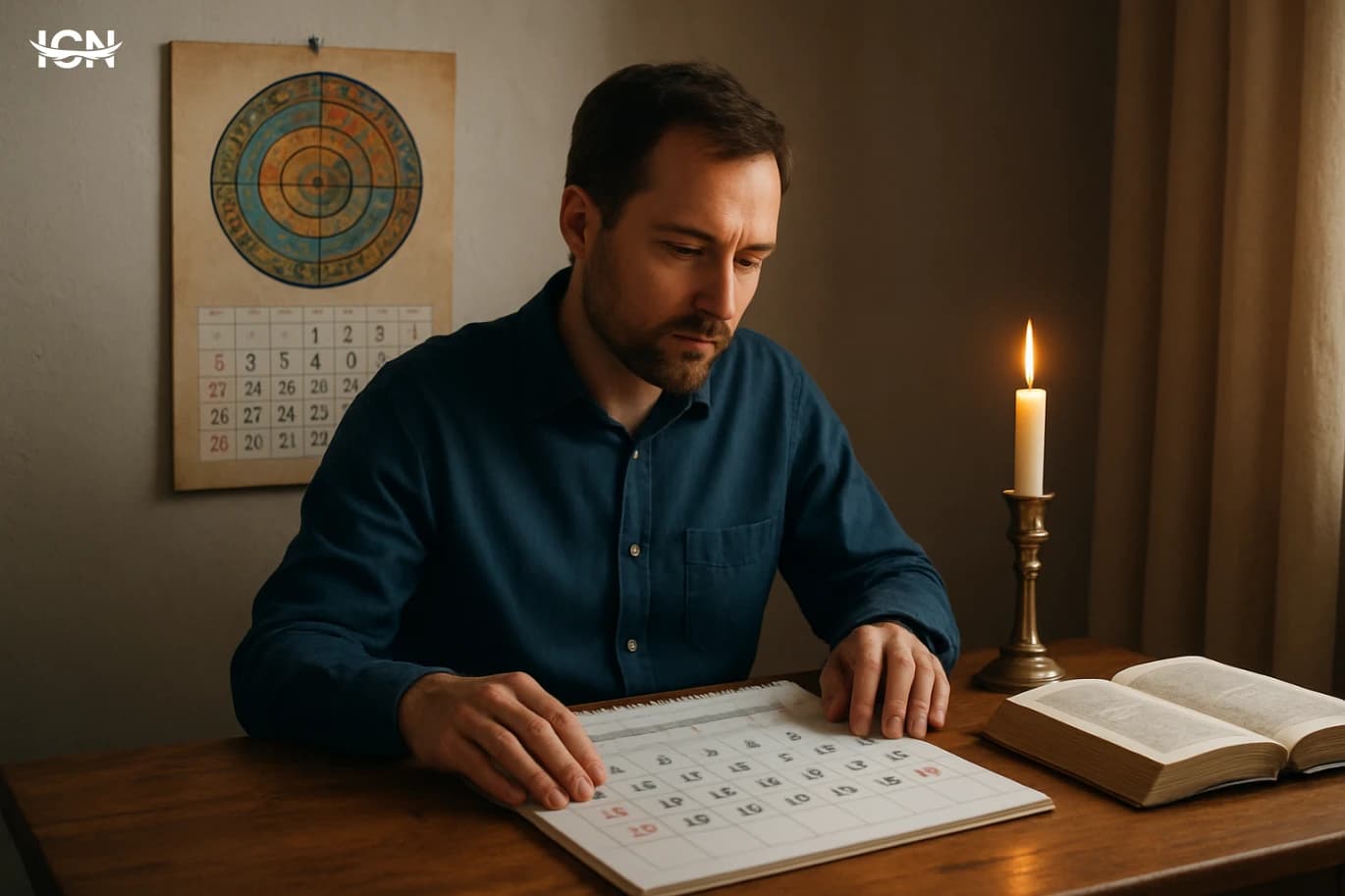
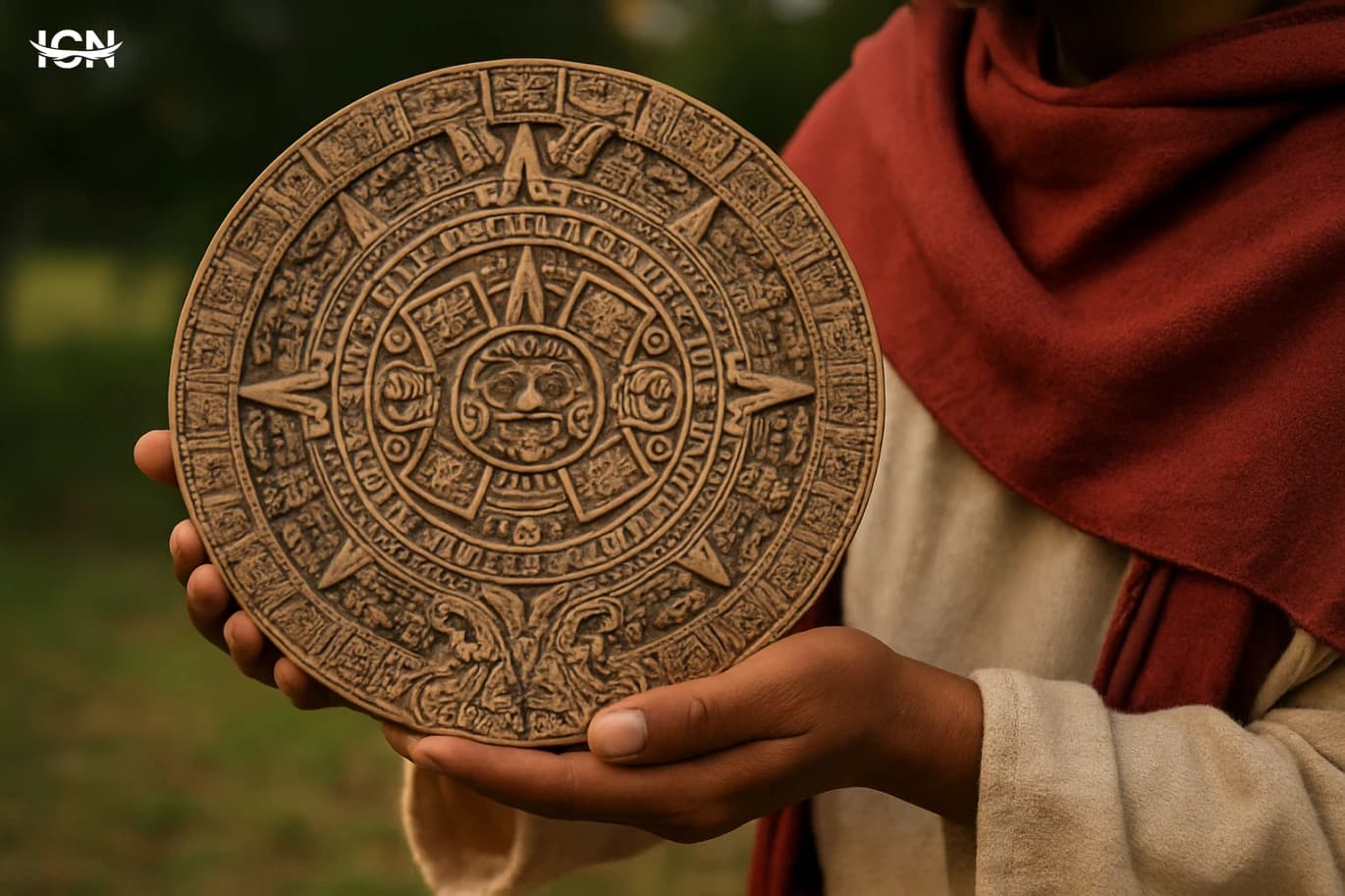
Religious calendars are not just tools for counting days; they organize community life, set expectations for worship, and influence everyday routines such as meals, work patterns, and family gatherings. In many traditions, the calendar defines when people fast, celebrate, make pilgrimages, or pause for reflection. These rhythms can shape how neighborhoods sound and look, from the timing of services to the availability of certain foods and the scheduling of public events. A key reason sacred calendars matter is that they connect personal time to shared time. When a community observes the same holy days, individuals experience a sense of coordination that goes beyond logistics. The calendar becomes a practical framework for identity: it tells people what season they are in spiritually, what stories are being remembered, and what values are being practiced. Even for those who are not deeply observant, the calendar can still influence school schedules, business hours, and cultural habits.
How Communities Mark Time With Sacred Calendars
Sacred calendars are not just lists of holidays; they are systems that organize community life through recurring dates, seasons, and rituals. In many traditions, the calendar sets the rhythm for fasting periods, pilgrimage windows, weekly gatherings, and commemorations of foundational events. Even in highly digital societies, people still plan travel, school schedules, and family visits around these dates because they carry shared meaning and clear expectations. A sacred calendar also creates continuity: it links individuals to earlier generations who observed the same cycle, often using similar prayers, foods, and customs. For journalists and analysts, calendars are a practical lens for understanding how belief becomes routine behavior, how institutions coordinate large groups, and how communities maintain identity across time and geography.
How Communities Preserve Sacred Music Traditions
Across many faith communities, sacred music is more than an artistic add-on; it is a practical tool for memory, participation, and identity. Melodies and repeated refrains help congregations learn core texts, remember seasonal themes, and follow the structure of services without needing constant prompts. In many traditions, music also sets the pace of communal actions such as processions, standing or sitting cues, and moments of silence, making gatherings smoother and more inclusive for newcomers. Sacred music also functions as a record of local history. A community choir’s repertoire often reflects migration patterns, language shifts, and the influence of neighboring cultures. When a congregation keeps singing a particular hymn arrangement, chant mode, or devotional song, it is preserving decisions made by earlier generations about pronunciation, tempo, and acceptable instruments. Those choices can signal how a community balances continuity with adaptation, especially when younger members bring new musical tastes or when services move into new venues.
How Pilgrimage Shapes Local Economies
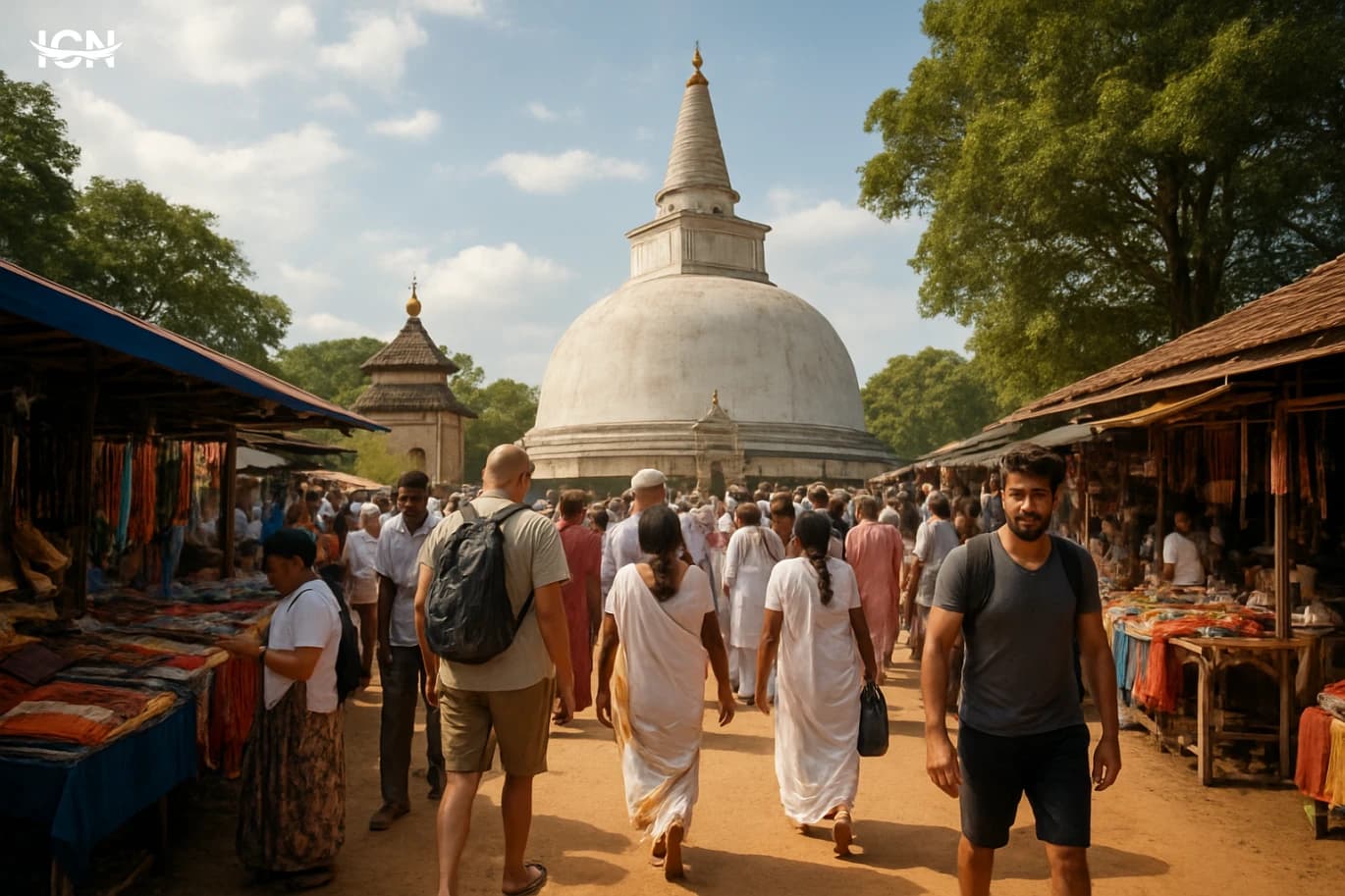
Pilgrimage is often discussed as a personal spiritual journey, but it also functions as a predictable, high-volume movement of people that reshapes local economies. When a city becomes a destination for recurring religious visits, it gains a seasonal or year-round inflow of travelers who need transport, lodging, food, and basic services. That demand can stabilize certain businesses, encourage new ones, and influence how municipal services are planned. In many places, pilgrimage seasons are among the few periods when small vendors can earn a significant share of their annual income. This topic examines pilgrimage as an economic system with identifiable inputs and outputs: visitor spending, job creation, infrastructure pressure, and long-term investment. It also looks at how the economic benefits are distributed, which groups gain the most, and what risks appear when a local economy becomes too dependent on a single religious season. The goal is not to reduce belief to money, but to understand how religious travel interacts with everyday livelihoods and public planning in a measurable way.
How Faith Communities Preserve Living Heritage
Religions and beliefs are often discussed through doctrines and historical milestones, but their most durable influence is frequently carried through living heritage: the everyday practices that people repeat, teach, and adapt. This includes seasonal observances, shared meals, music, storytelling, volunteer routines, and the small etiquette of community life. These practices are not static. They change with migration, new languages, urban schedules, and the realities of modern work and schooling. Yet they remain recognizable because communities build continuity through repetition, shared spaces, and a sense of responsibility to pass something on. Living heritage also functions as a practical social infrastructure. It creates predictable moments when people meet, check on elders, welcome newcomers, and coordinate mutual aid. In many places, community centers, houses of worship, and cultural associations serve as hubs for language classes, youth activities, and charitable initiatives. The heritage is “living” because it is performed and maintained, not simply archived. Understanding how communities preserve it offers a concrete way to examine religions and beliefs without reducing them to abstract ideas. It also highlights the skills involved: organizing, teaching, documenting, and negotiating change while keeping a shared identity intact.
How Communities Preserve Sacred Texts Today
Sacred texts are not only sources of belief; they also shape education, ethics, language, and community memory. Preservation matters because many faith communities rely on stable wording for worship, teaching, and legal or moral guidance. Even small changes can affect interpretation, recitation, and the continuity of tradition across generations. In practice, preservation is also about access: communities want reliable copies that can be read in homes, schools, and places of worship without uncertainty about authenticity. Modern pressures make this work more complex than it appears. Climate risks, migration, aging paper collections, and the decline of specialized skills can all threaten physical manuscripts. At the same time, digital copying creates new questions about version control, provenance, and long-term storage. The result is that preservation today is a blend of scholarship, community governance, and practical logistics, with decisions that influence how future readers encounter foundational texts.
How Communities Preserve Sacred Texts
Across many faith traditions, sacred texts are treated as more than historical documents. They are used in worship, education, and daily decision-making, which means accuracy and continuity matter to communities over long periods. Preservation is not only about keeping old manuscripts in storage; it is also about ensuring that a text remains readable, teachable, and trusted as it moves across generations and geographies. Communities often connect preservation to identity. When a text is recited in a familiar cadence, copied in a recognizable script, or taught through established methods, it reinforces a shared sense of belonging. At the same time, preservation has practical stakes: fragile materials decay, languages evolve, and political or economic disruptions can scatter collections. The result is a constant balancing act between protecting originals and enabling access for learners and practitioners.
By clicking the SUBSCRIBE button, you are agreeing to our Privacy & Cookie Policy If you want to unsubsribe the marketing email, please proceed to our privacy center.
© 2005-2026 ICN. All Rights Reserved.