Halloween

- Introduction to Halloween
- Halloween celebrations
- Halloween activities and traditions
- Halloween foods and sweets
- Symbolism of Halloween symbols
Introduction to Halloween
A. History and origins of the celebration Halloween, also known as All Saints' Day, has historical roots dating back to ancient celebrations that were held in Celtic culture. These ceremonies were aimed at interacting with agricultural spirits and traditions. Over time, these traditions have evolved and combined with influences from different cultures, helping to shape Halloween as we know it today. for. The importance and nature of celebration in different cultures: Halloween is an opportunity to express creativity and have fun. In many cultures, adornments and costumes are used to show imagination and openness to supernatural concepts. People celebrate by eating sweets and sharing scary stories, which enhances the spirit of sharing and joy among individuals.
Halloween celebrations
A. Dolls and Costume Visits One of the main aspects of Halloween is the carpet under the feet of children in costumes. People are keen to show off their skills in choosing costumes that range from ghosts to mythical creatures. Families line up at the doors to greet the costumed people, creating a fun, festive atmosphere. for. Distinctive decorations and colors: Streets and houses are decorated in orange and black, symbolizing Halloween. Carved pumpkins are used as decor, along with string lights and artificial spiders. These decorations reflect the spirit of celebration and bring joy to the hearts of everyone present.
Halloween activities and traditions
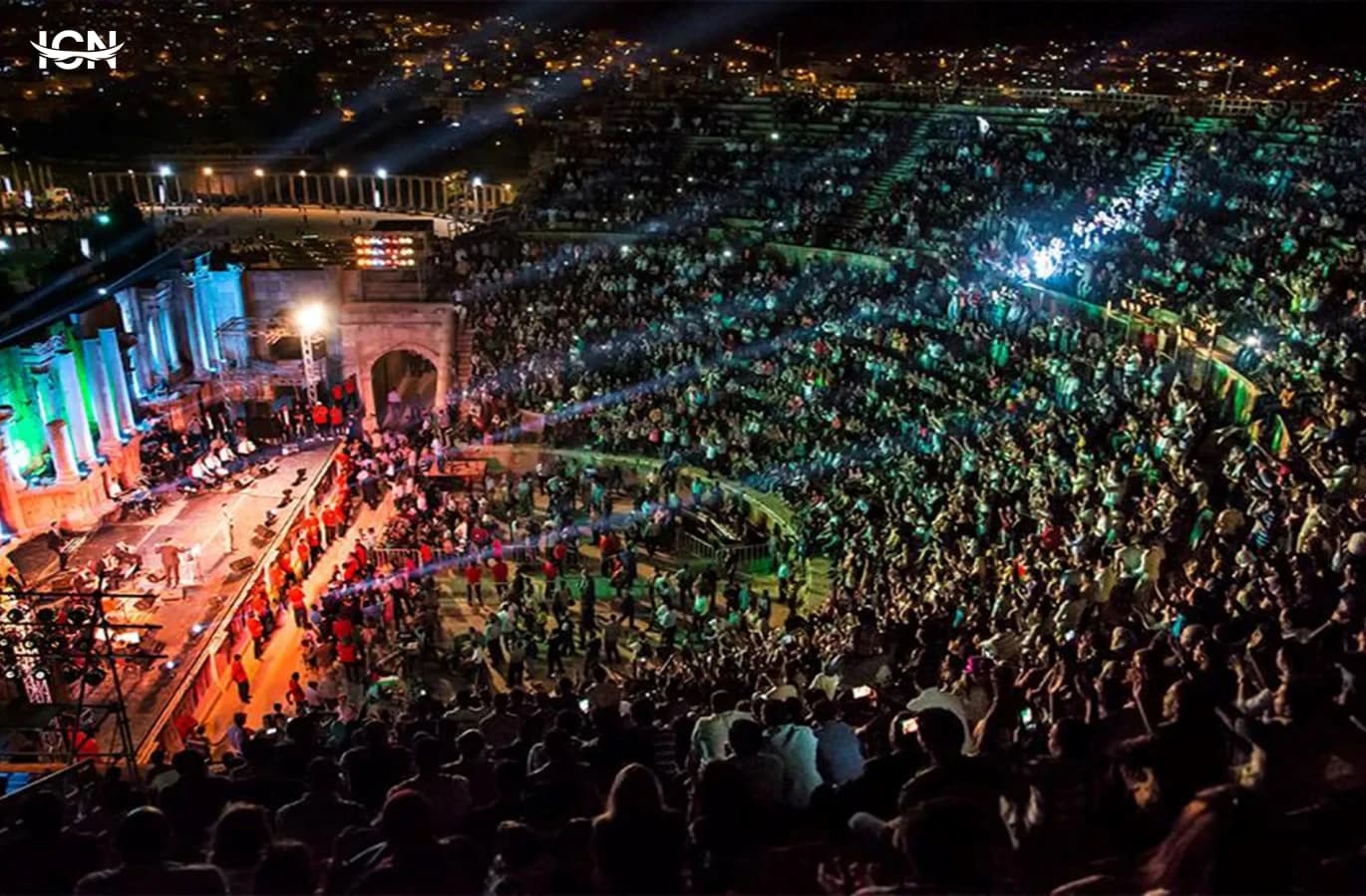
A. Collecting candy (American Crowley) Collecting candy is one of the most prominent activities on Halloween, as children wander around the neighborhoods and move from door to door, while wearing their costumes. They joyfully raise their bags in anticipation of the sounds of “trick or treat,” as residents happily hand out candy and surprises. for. Horror Parties and Scary Stories Many night-time celebrations and events are held where friends and family gather to celebrate the spooky atmosphere. Mysterious stories are told, and theatrical performances are held that immerse those present in a world of tension and excitement, making this day an unforgettable one.
Halloween foods and sweets
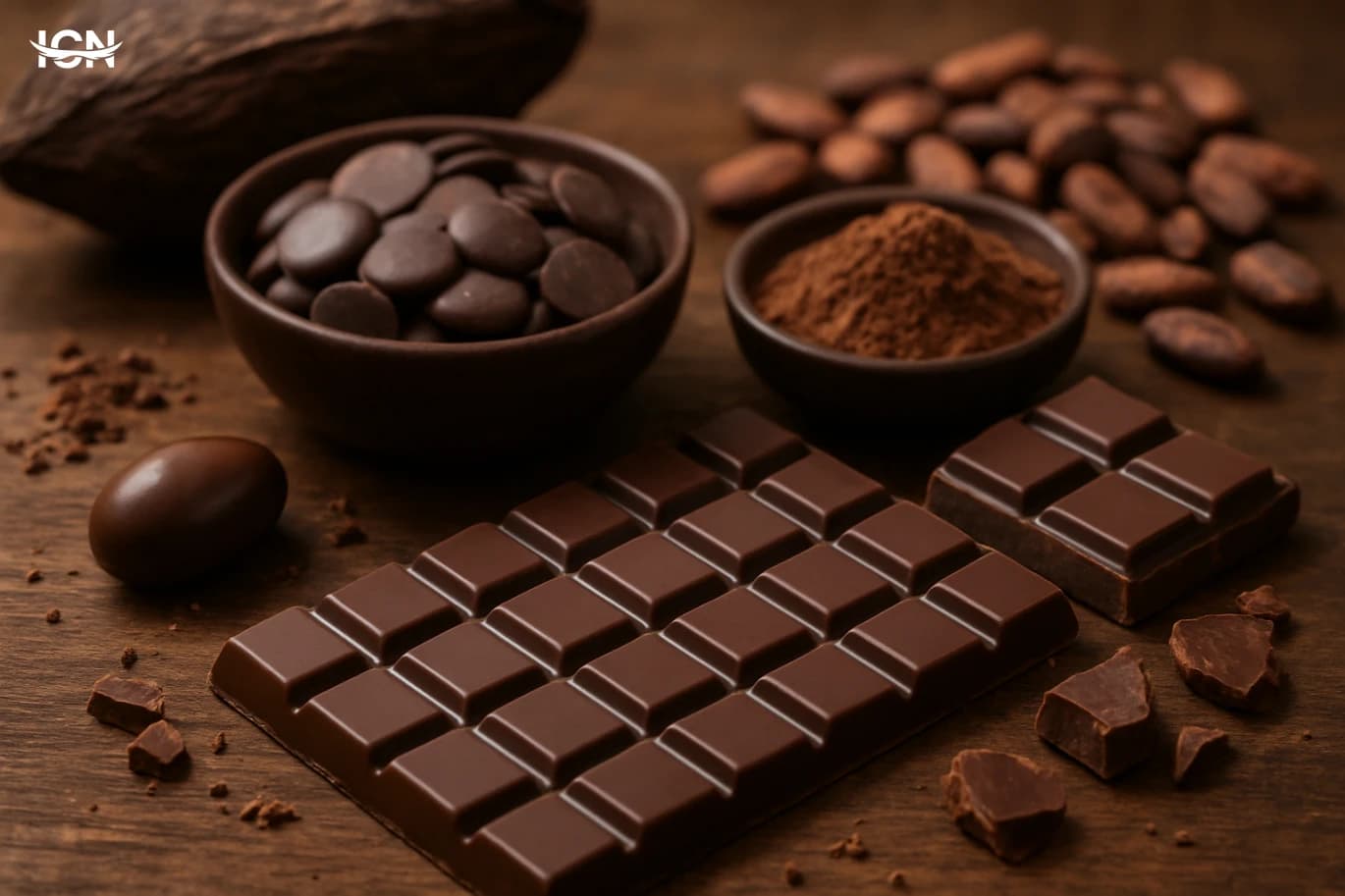
A. Creepy Cakes and Tarts Creepy cakes and tarts are an essential part of Halloween traditions. They are decorated with ghosts, spiders, and skeletons, adding a spooky touch to the desserts. Children love to share this dessert at parties, as it is considered a source of fun and excitement. for. Traditional foods associated with the holiday Traditional Halloween foods include hearty soups, roasted pumpkin, and chestnuts. These dishes are part of the cultural heritage, embodying the festive atmosphere. Friends and families participate in making it and serving it as a special meal, which enhances the spirit of harmony and sharing on this holiday.
Symbolism of Halloween symbols
A. Pumpkins and their cut-out faces Pumpkins are considered one of the most prominent symbols of Halloween, as they are decorated with terrifying or funny faces using special tools. This tradition expresses ancient myths and legends that were considered to be linked to spirits. Pumpkin faces have become a popular symbol, making children and young people enjoy their creativity in designing them every year. for. Ghosts, Spirits and Other Symbols Ghosts and spirits are an aspect of Halloween beliefs, as they are believed to return to Earth during this time. A range of other symbols are also used such as spiders, black pumpkins, and other fears. These symbols add an air of mystery and excitement, which attracts people to celebrate more.