Greek island of Hydra
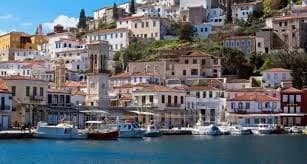
A glimpse of Hydra Island
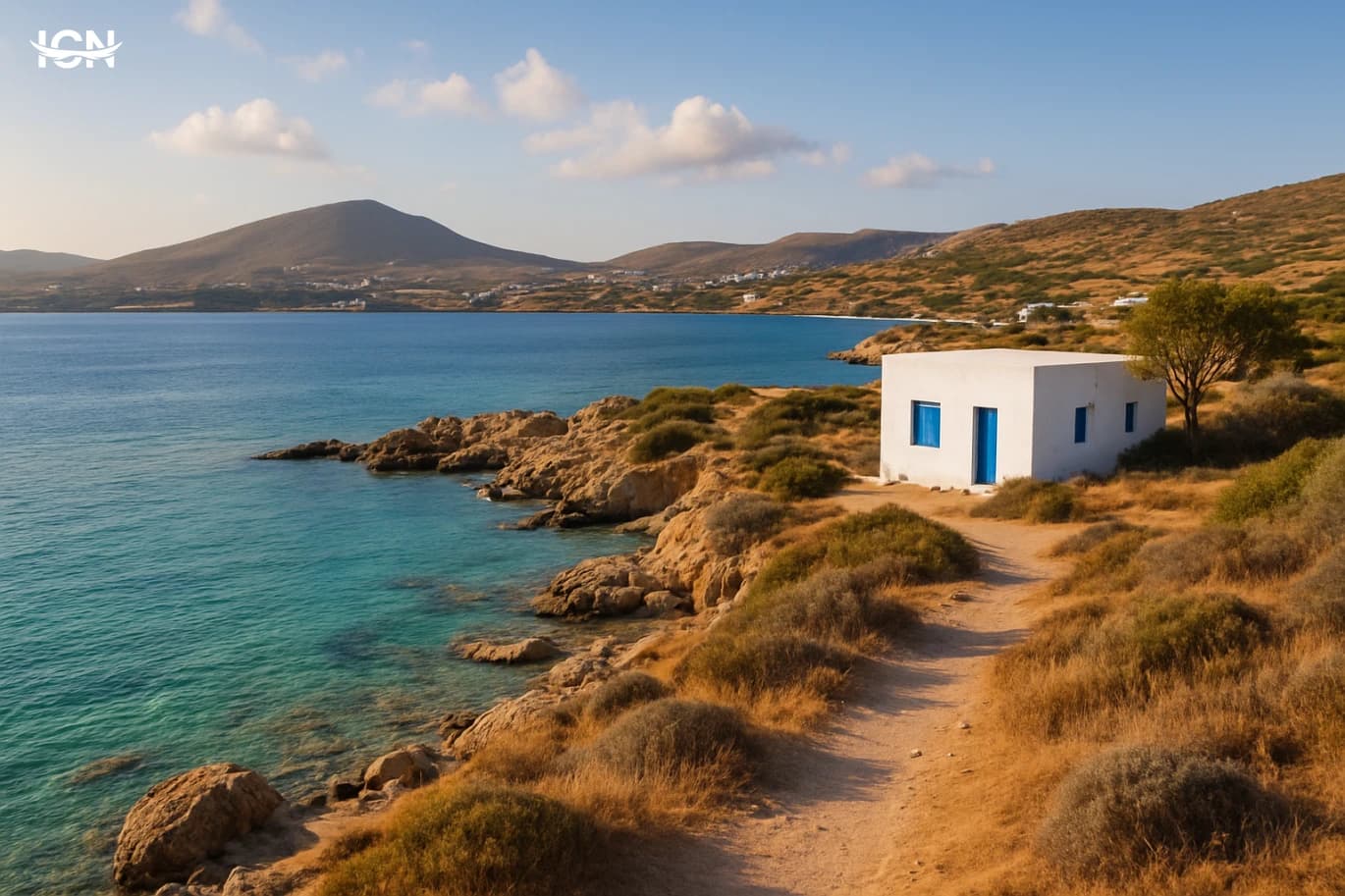
Hydra belongs to the Saronic Islands group in the Aegean Sea, close to the Greek mainland (Peloponnese). The island covers approximately 49.6 km², and in addition to the main island, it includes several smaller, uninhabited islets/islands. The terrain is mountainous and rocky, with rolling hills, valleys, and ravines surrounded by pine and olive trees—a beautiful landscape, although the forests have shrunk due to fires and natural causes. Lifestyle: Tranquility and a break from the hustle and bustle of cities. What distinguishes Hydra from many islands is the absence of cars or motorized transport—except for a few emergency vehicles or private services. Daily life is conducted on foot, by donkey/mule/horse, or by boat. This gives the island an atmosphere of a bygone era—stone-paved streets, traditional whitewashed houses, rocky or pebbly beaches, and a small harbor—all of which contribute to a very peaceful experience. History and Culture Hydra was once an important maritime and trading center, especially in the 18th and 19th centuries, when its inhabitants were major shipowners. During the Greek War of Independence in the early 19th century, Hydra played a prominent role through its fleet and its people. Historical Buildings: Old stone houses in a traditional architectural style; some of these have been converted into museums or tourist accommodations, especially in the Old Town/Island Center. The island has long attracted artists, writers, and intellectuals from various countries—its natural beauty, serene atmosphere, and local artists have made it a unique kind of "art colony." Nature, Beaches, and Exploration Hydra is not known for the wide sandy beaches of some islands, but the water is clear, and the beaches are often pebbly, rocky, or have rocky platforms for swimming. You can swim by jumping off the rocks (the Aegean Sea!) or by taking a small boat that will take you to a cove or private beach. Walking through alleyways, winding between narrow cobblestone streets, watching the sunset from the harbor, and traveling on donkeys or horses—all are part of a unique experience. Culture, Art, and Artists The island has always been a haven for artists, writers, and celebrities, giving it a distinctive artistic and cultural character. There are small museums, historic houses, art alleyways, and galleries—for those who love to immerse themselves in culture away from the hustle and bustle. Why might Hydra represent “escaping the routine”? Away from cars, noise, and crowds. A peaceful, natural, and simple atmosphere—perfect for those seeking relaxation, contemplation, and an escape from the noise of modern life. A blend of history, nature, art, and simple living—something rare in many tourist destinations.