Why Egypt Feels Like the World’s Center
- A Name That Became a Reputation
- The Nile Corridor and the Shape of Cities
- Layers of Heritage in One Itinerary
- Food, Markets, and Everyday Culture
- Planning a Practical Trip Across Regions
- What Visitors Take Home
A Name That Became a Reputation
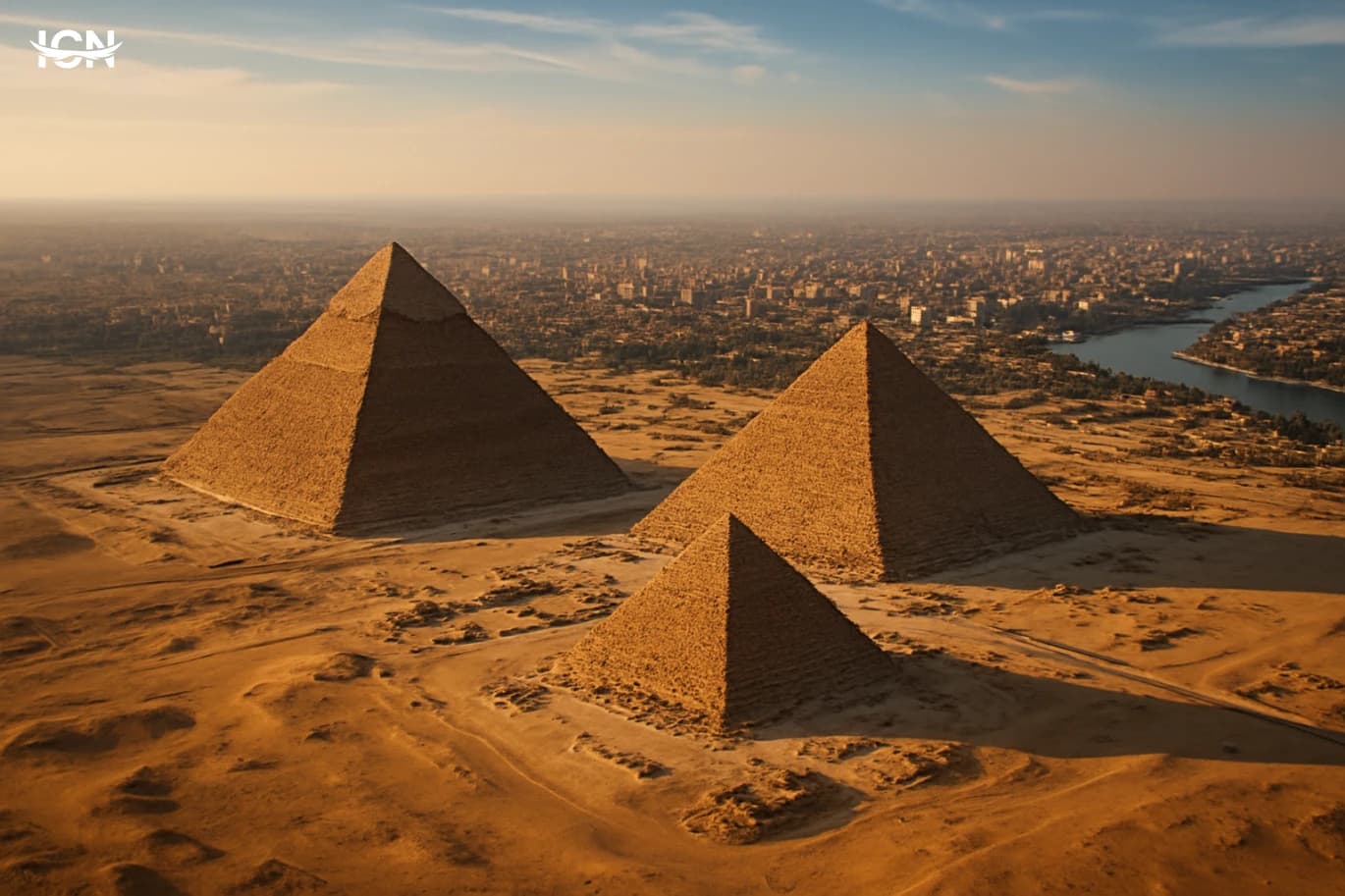
The phrase “Egypt, Mother of the World” is not a slogan built for brochures; it is a reputation shaped by geography, history, and daily life. Egypt sits where Africa meets Asia and where the Mediterranean connects to the Red Sea, making it a natural crossroads for people, goods, and ideas. Over centuries, travelers arrived for trade, study, and work, and many left with the sense that Egypt is larger than a single destination. The country’s scale also supports the nickname: a long river valley that sustained dense settlements, a coastline that opened to maritime routes, and deserts that formed clear boundaries around a concentrated cultural core. In travel terms, the nickname matters because it sets expectations. Visitors often come for one headline site and discover a layered itinerary: ancient monuments, Islamic and Coptic heritage, modern neighborhoods, and a food culture that is both local and widely familiar across the region. The phrase also reflects how Egyptians talk about their country in everyday conversation, with pride grounded in tangible achievements: engineering along the Nile, a long tradition of scholarship, and a creative scene that shaped Arabic-language cinema and music for decades. For travelers, “Mother of the World” is best understood as an invitation to explore Egypt as a complete ecosystem rather than a single attraction.
The Nile Corridor and the Shape of Cities
To understand Egypt as a travel experience, start with the Nile. The river is not only a landmark; it is the organizing principle of settlement, agriculture, and movement. Cairo and Giza grew where routes converged, while cities like Luxor and Aswan developed as gateways to Upper Egypt and Nubian-influenced culture. A trip that follows the Nile corridor reveals how landscapes change: dense urban blocks in Greater Cairo, green fields and canals in the Delta, then narrower cultivated strips as the valley tightens in the south. This geography shapes what visitors can do. In Cairo, the river frames promenades, bridges, and neighborhoods with distinct identities, from central districts with museums and historic streets to newer areas built for modern commuting patterns. In Upper Egypt, the Nile supports a slower rhythm: riverfront walks, small markets, and short drives to temples and tombs. Even when travelers do not take a cruise, the river remains a constant reference point for orientation and daily life. The result is a country that feels coherent despite its variety, because the Nile provides a continuous narrative line from north to south.
Layers of Heritage in One Itinerary
Egypt’s strongest travel advantage is density: multiple eras are accessible within short distances. In Greater Cairo, visitors can move from Pharaonic collections in major museums to medieval streets, mosques, and markets, then to modern cultural venues and cafés. This is not a museum-country experience; it is a living city where heritage sites sit beside schools, workshops, and apartment buildings. The same pattern appears elsewhere: Alexandria combines Mediterranean urban life with archaeological sites and libraries, while the canal cities reflect modern trade routes and maritime history. In Upper Egypt, the concentration becomes even more striking. Luxor’s east and west banks offer temples, tombs, and village life in a compact area, allowing travelers to balance early-morning site visits with afternoons in local restaurants or along the river. Aswan adds a different palette: granite landscapes, islands, and a calmer pace, with day trips to major monuments and opportunities to learn about Nubian architecture and crafts. For travelers who want variety without constant long transfers, Egypt’s layered heritage makes it possible to build a week that feels like several countries in one, while still staying within a clear geographic spine.
Food, Markets, and Everyday Culture
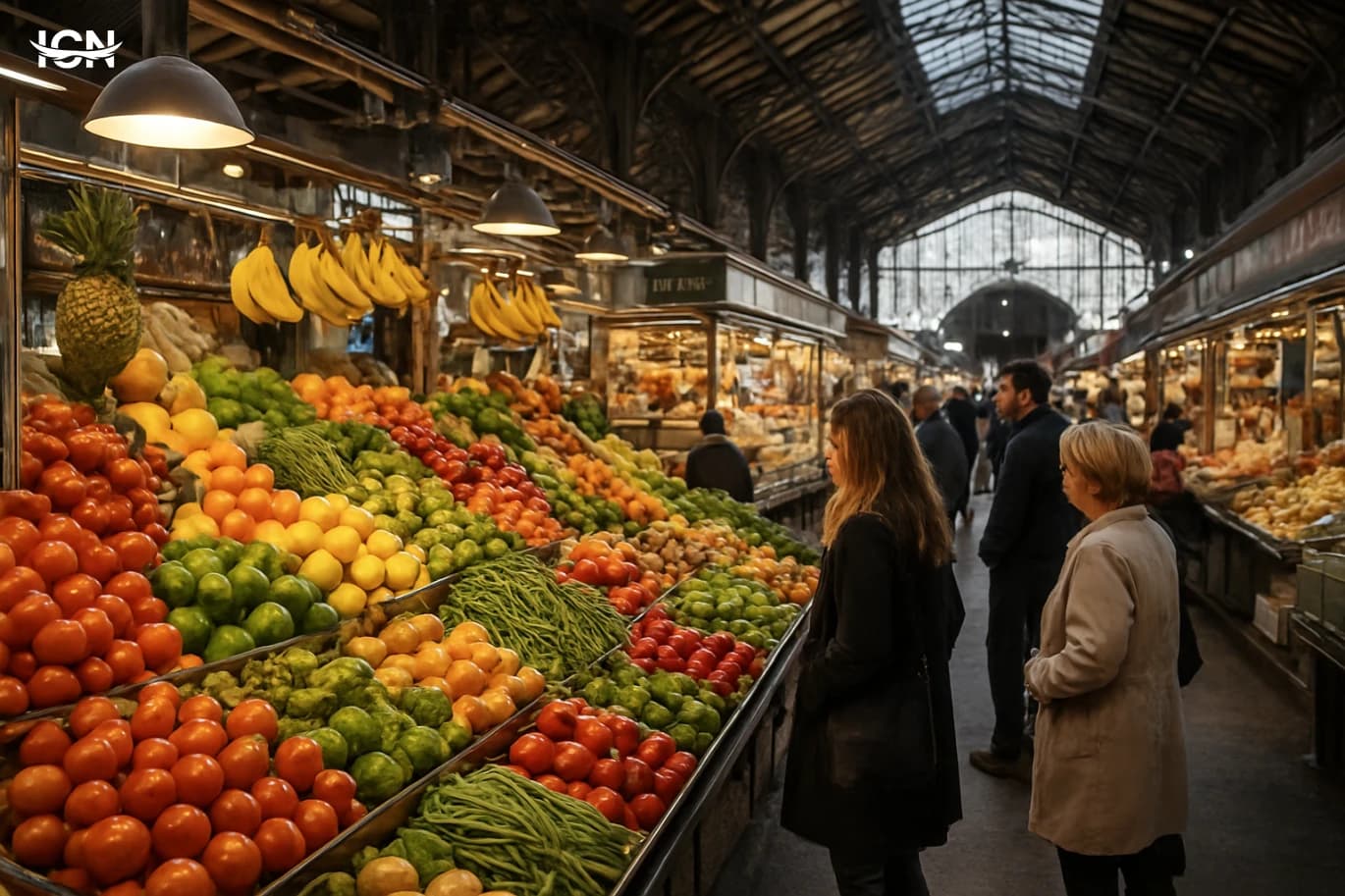
Calling Egypt “Mother of the World” also points to everyday culture, especially food and street commerce. Egyptian cuisine is built around accessible staples: bread, beans, rice, vegetables, and grilled items, with regional variations that become clear when you travel. In Cairo, breakfast culture is a practical ritual, with ful medames and taameya served quickly in neighborhood shops. Koshary represents the city’s working rhythm: a filling, low-cost meal that is standardized yet personal, because each place adjusts spice, sauce balance, and texture. Markets are equally central to the travel experience. Khan el-Khalili is famous, but the broader lesson is how retail works across districts: small workshops, spice sellers, textile stalls, and repair shops that keep goods circulating. In Alexandria, seafood restaurants reflect the coastal supply chain, while in Upper Egypt, seasonal produce and sugarcane juice become part of the street scene. For visitors, the most reliable way to understand Egypt beyond monuments is to spend time where residents shop and eat. It provides concrete insight into prices, ingredients, and routines, and it also helps travelers plan realistically, from cash needs to timing meals around site visits.
Planning a Practical Trip Across Regions
Egypt rewards travelers who plan by region rather than trying to “do everything.” A common structure is to split time between Greater Cairo, a Nile segment in Upper Egypt, and a coastal break. Cairo typically needs several days because distances and traffic affect schedules; grouping nearby sites by neighborhood reduces wasted time. For Upper Egypt, travelers often choose either Luxor-focused days, Aswan-focused days, or a combination connected by train or short flights, depending on budget and time. Coastal options vary: the Mediterranean offers a different climate and urban feel, while the Red Sea is oriented toward resorts and water activities. Practical details matter. Weather changes across seasons, so timing influences comfort at outdoor sites; early mornings are often best for major monuments. Booking intercity transport in advance can stabilize itineraries during busy periods. Within cities, using a mix of walking in compact areas and pre-arranged rides for longer distances helps manage time. Visitors should also plan for museum and site hours, which can vary, and keep a flexible buffer for unexpected delays. With a region-based plan, Egypt becomes easier to navigate, and the “Mother of the World” idea turns into a clear, manageable route rather than an overwhelming checklist.
What Visitors Take Home
Travelers often leave Egypt with a specific kind of memory: not only iconic monuments, but a sense of continuity between past and present. You can stand near a temple complex, then return to a city where people commute, study, and run businesses at full speed. That coexistence is part of what makes the country feel central and influential. Egypt also tends to sharpen a traveler’s understanding of the region’s shared culture, because its media, cuisine, and language patterns have been widely distributed for generations. The most useful takeaway is practical: Egypt is best experienced through a balance of planned highlights and unplanned local time. A structured itinerary ensures you see major sites efficiently, while open hours for markets, neighborhood walks, and meals provide context that photos cannot. When people say “Egypt is the Mother of the World,” they are often pointing to this combination of scale, density, and everyday life. For visitors, the phrase becomes accurate when the trip includes both the headline landmarks and the ordinary details that keep the country moving.