Venice
- The ancient history of Venice
- Geography and environment
- Main tourist attractions
- Art and culture in Venice
- Venetian cuisine
The ancient history of Venice
A. The city's origins and development The city of Venice was founded in the fifth century AD, when residents fleeing land invasions chose to live on water islands. Over time, the city developed into an important trading center in the Mediterranean. Its water canals became routes for trade and transportation, which helped its economic prosperity. for. Most Important Historical Events During the Middle Ages, Venice became one of the most powerful and influential cities in the world. It was able to create a vast trading empire, linking the East and the West. The city witnessed many important events, such as wars with the Ottomans, which influenced its history and shaped its distinctive cultural identity.
Geography and environment
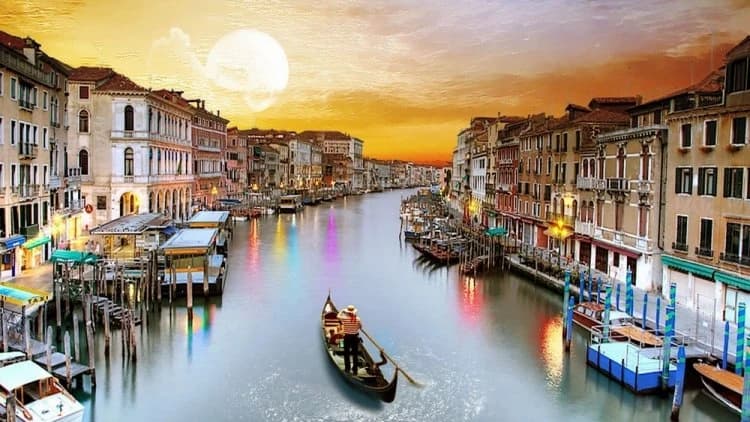
A. Venice's unique location: Venice is distinguished by its unique location, as it is located in northeastern Italy on the Adriatic Sea. The city extends across 118 islands, making it one of the most famous water cities in the world. This location not only facilitates access to the water, but also creates a stunning landscape that attracts tourists from around the world. for. Nature of Canals and Bridges The city has an extensive network of canals that play a vital role in the daily transportation of residents and visitors. Its canals feature small boats and gondolas, while bridges connect the islands, facilitating movement and contributing to the city's unique character. These canals and bridges are a symbol of Venice's culture and an integral part of its architectural identity.
Main tourist attractions
A. Piazza San Marco and Basilica of San Marco Piazza San Marco is one of the most famous tourist attractions in Venice, combining history and architectural beauty. It houses the famous church "San Marco", which is distinguished by its exquisite design and luxurious decoration, making it an unmissable destination for visitors. for. Rialto Bridge and Ducal Castle Rialto Bridge is one of the oldest bridges in Venice and is considered a symbol of love and beauty. It offers a stunning view of the surrounding canals. While Ducal Castle is another example of stunning architecture, telling the city's ancient history. These attractions attract tourists and highlight the unique beauty of Venice.
Art and culture in Venice
A. Artistic and aesthetic heritage The artistic heritage in Venice is distinguished by its diversity and richness, as the plastic arts and sculpture stand out clearly in various monuments. The city is home to a number of famous artists, which has contributed to the formation of a unique artistic identity throughout the ages. for. Traditional celebrations and festivals Venice is also famous for its traditional celebrations and festivals, which reflect the local culture. The Carnival Festival is one of the most prominent events, as participants dress up in luxurious costumes and wander the streets, creating an enchanting festive atmosphere. These activities are an integral part of the experience of visiting the city.
Venetian cuisine
A. Famous Seafood Dishes Venetian cuisine is known for its variety of seafood dishes. Where residents prefer to eat fresh foods offered by the sea. Among the most famous dishes are “risotto” with fish and “spaghetti frito miso,” which embody the unique flavors of the city. for. Desserts and traditional meals In addition to seafood dishes, Venetian cuisine is also famous for its traditional desserts, such as panna cotta and tiramisu. These sweets are distinguished by their natural ingredients and delicious taste. Dining in Venice is a complete cultural experience, reflecting its rich heritage.