Fashion design

- Introduction to fashion design
- Fashion design elements
- Fashion design steps
- Fashion design tools and techniques
- Topics and trends of fashion
Introduction to fashion design
A. Definition of fashion design fashion design: It is the art of creating clothes and accessories in an innovative way that reflects style and personal art. This science includes multiple fields such as fabrics, colors, and clothes cuts. Fashion designers rely on his artistic and creative skills to develop designs that meet the needs of consumer and are suitable for society's tendencies. for. The history of the development of fashion design. The history of fashion design is full of the great changes that it has seen throughout the ages. Fashion began as a means of protection, and then evolved into an expression of cultural and social identity. In the twentieth century, the designs were affected by cultural and political trends, which contributed to the formation of new formulas of costumes characterized by creativity and diversity.
Fashion design elements
A. Materials and materials materials: It is the basis for fashion design, as the quality of fabrics and materials that are used to make clothes are determined by their shape and texture. Designers choose suitable materials that reflect the design idea, which contributes to a balance between aesthetic and comfort. for. Colors and colors: play a decisive role in influencing cultural feelings and connections. Designers use colors intelligently to create attractive visual effects. Added to this patterns, which vary between classic and modern, giving fashion a unique touch that helps express character and fashion.
Fashion design steps
A. Research and inspiration: This step is considered necessary for designers, as they must explore current trends, cultures, and history to collect inspiration. Through this research, designers can form new and innovative ideas. for. Initial drawing and models drawing: After collecting ideas, the role of drawing comes as designers prepare illustrations and initial designs. These models help perceive the final shape of the fashion before actually implemented, which reflects the required aesthetic and shows the idea in a significant way.
Fashion design tools and techniques
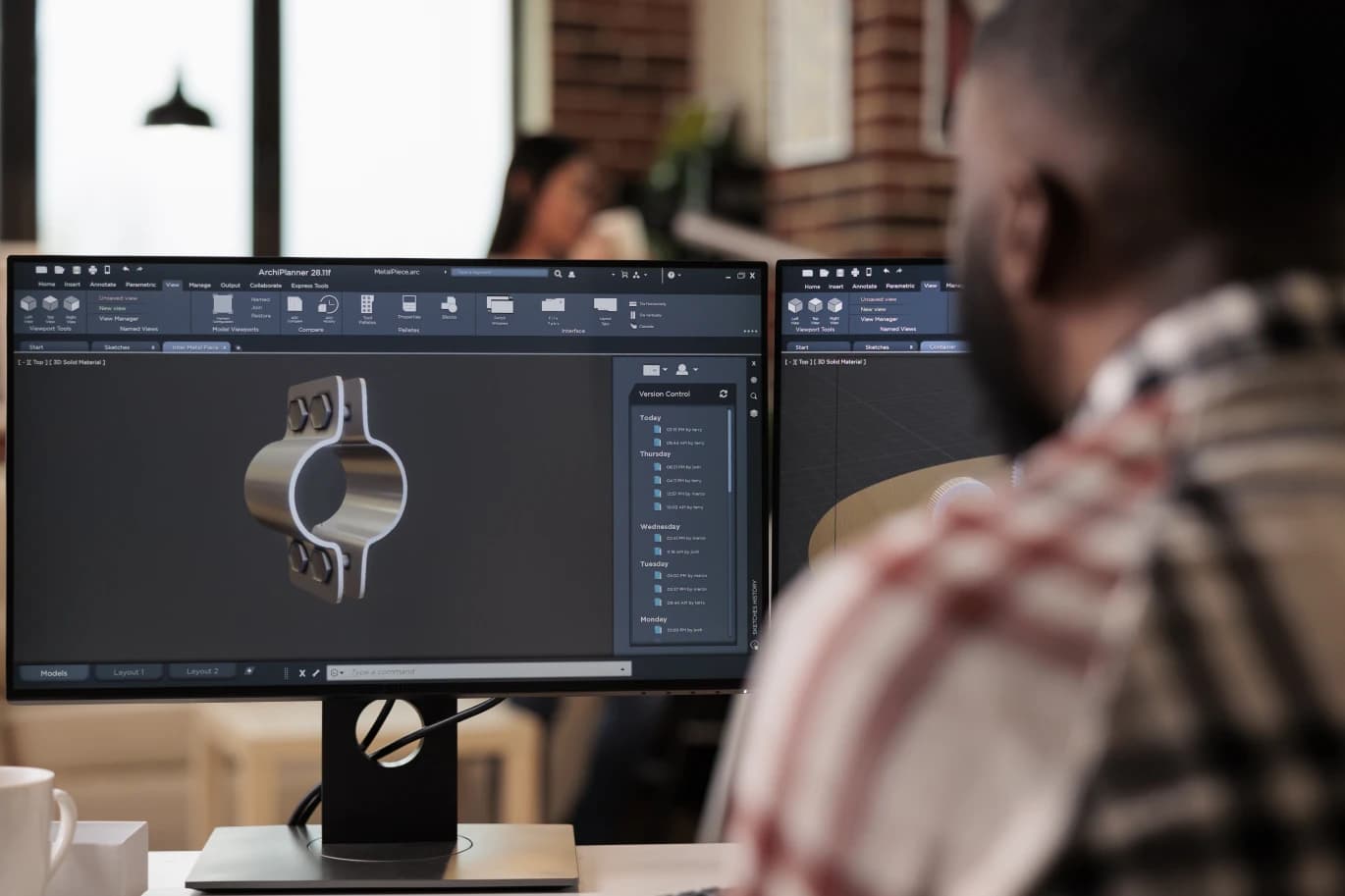
A. Digital programs and modern technologies digital programs: programs such as Adobe Illustrator and Photoshop are widely used in fashion design. These tools help designers to create accurate and fast designs, facilitating the modification and revision process. It also allows the creation of 3D models, enabling designers to better conceive of their designs. for. Traditional and varied tools traditional tools: Despite technological development, traditional tools such as pen, paper, and textile scissors are still frequently used. These tools give designers the ability to express their ideas directly, which helps improve their creative skills and increase their mastery.
Topics and trends of fashion
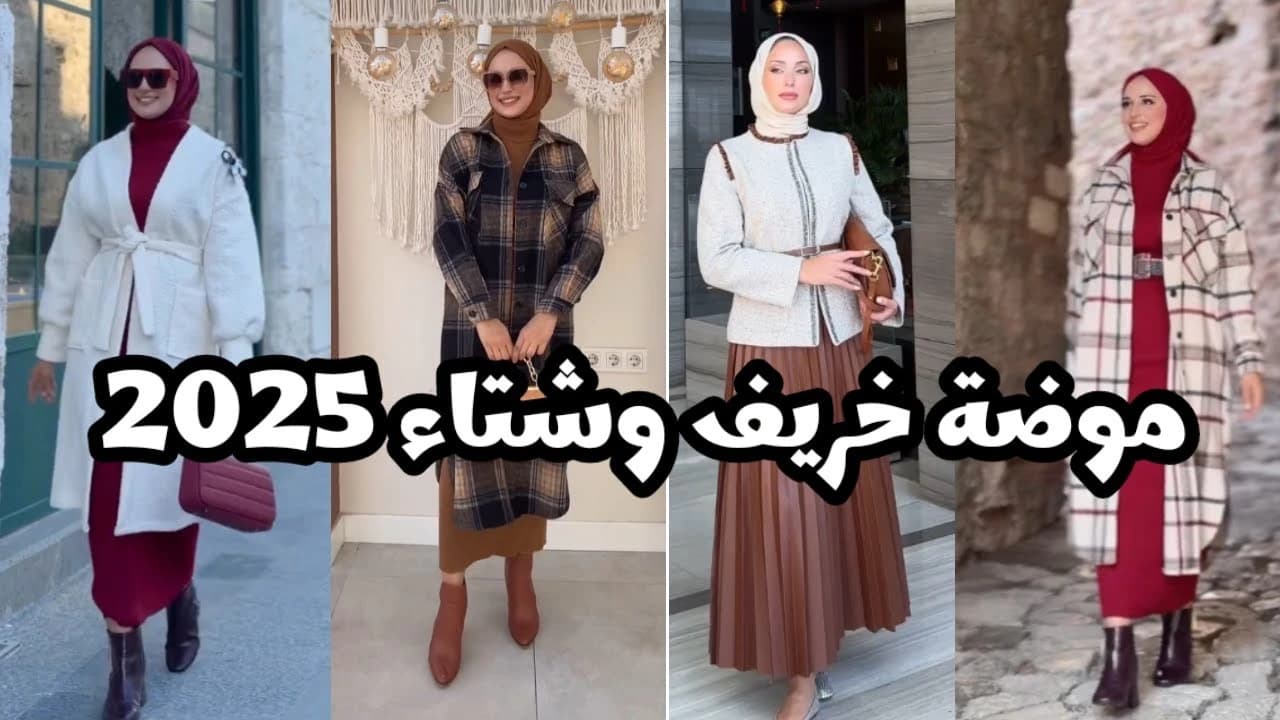
A. Seasonal trends seasonal trends: The world of fashion changes constantly, as every season brings with it new styles and colors. Designers follow the latest trends in fashion shows and adopt what is appropriate for their artistic vision. for. The influence of culture on the designs the effect of culture: fashion designs reflect different culture and traditions, which contributes to enriching the world of fashion. Designers are inspired by the arts, music, and history, which makes each piece bearing a unique story that reflects the cultural heritage.