Electronic memory chips
- Introduction to electronic memory chips
- Types of electronic memory chips
- Memory chip manufacturing technology
- Uses of electronic memory chips
- Performance and challenges in memory chips
Introduction to electronic memory chips
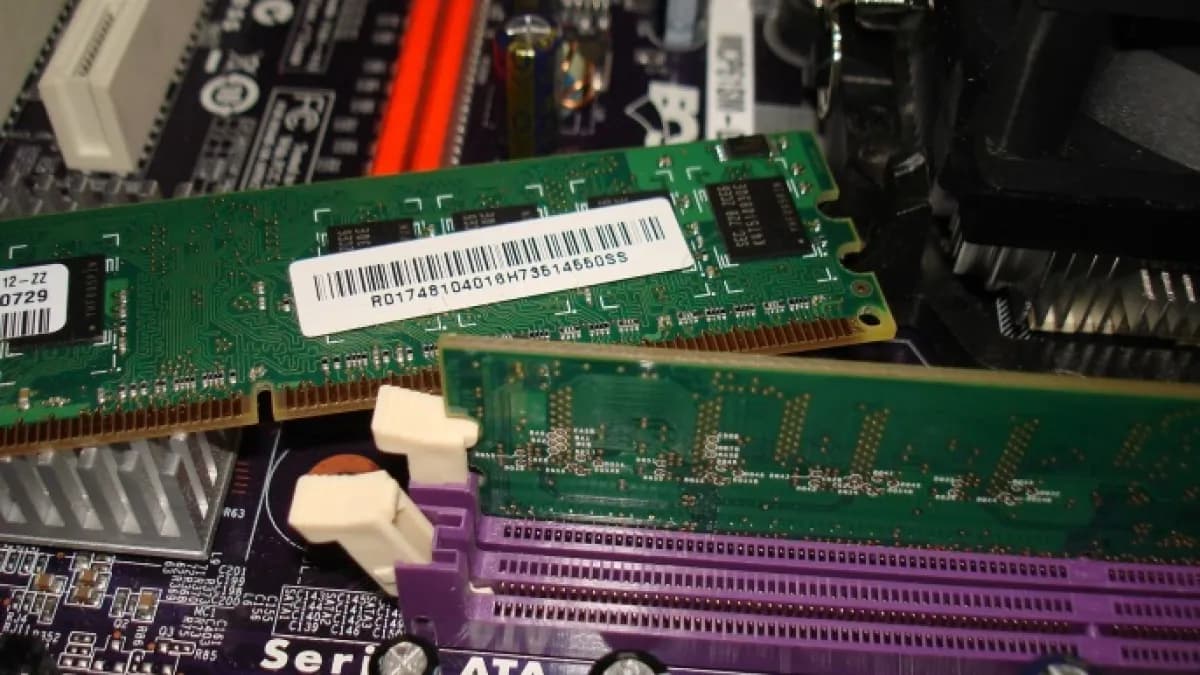
A. The concept of memory chips Electronic memory chips are an essential component in most electronic devices. They are used to store data temporarily or permanently, which contributes to the speed and performance of these devices. There are many types of memory chips, such as random access memory (RAM) and permanent memory (ROM), with each type designed to meet specific needs. for. The importance of memory chips in modern technology Memory chips are considered the backbone of many modern technological applications. From smartphones to supercomputers, memory chips play a crucial role in processing information quickly and efficiently. It also enhances the devices' ability to run complex programs and store huge amounts of data.
Types of electronic memory chips
A. Dynamic Random Memory (DRAM) is one of the most popular types of memory used in modern devices. It is used to temporarily store data while software is running, which helps in increasing the speed of system performance. However, this memory requires constant charge renewal to avoid data loss. for. Non-volatile memory (NVM and ROM) In contrast to random memory, non-volatile memory (NVM) and read-only memory (ROM) are two types of non-volatile memory. These types are used to store data permanently, saving essential information and firmware that devices need to operate.
Memory chip manufacturing technology
A. Semiconductor and Manufacturing Processes Memory chip manufacturing involves a set of precise steps that begin with preparing the silicon panels. Semiconductor technologies are used to create the small electrical circuits that form the heart of memory. These processes require very clean environments to avoid contamination, and they also require advanced tools to ensure accurate setup. for. Advances in Manufacturing Technologies Manufacturing technologies have advanced significantly in recent years, enabling the production of chips with greater capacity and higher speed. Innovations include the use of new materials and advanced processes such as lithography that help reduce circuit size and improve performance. These developments contribute to meeting the growing demand for smart devices and big data.
Uses of electronic memory chips
A. Computers and mobile devices Electronic memory chips are mainly used in computers and portable devices such as smartphones and tablets, as they contribute to improving system performance and data processing speed. Random Access Memory (RAM) and Storage Memory (SSD) are common examples of the vital uses of these chips in ensuring a smooth user experience. for. Consumer Electronics and Industrial Systems Memory chips are also found in consumer electronics such as smart TVs and gaming consoles, enhancing the ability to process images and video. In industrial systems, they are used to support process control and data management, contributing to increased efficiency and reduced errors.
Performance and challenges in memory chips
A. Access and storage speed Electronic memory chips are characterized by high access speed, which allows devices to process information efficiently and quickly. The speed of reading and writing data is a crucial factor, as it directly affects the performance of applications and games. for. Challenges in Improving Energy Efficiency Despite the great benefits, memory chips face many challenges such as improving energy efficiency. Memory manufacturers are concerned about power consumption, as they seek to develop chips that consume less power while maintaining high performance. These challenges call for continuous innovation to ensure competitiveness in the market.