Egyptian pounds
- The history of the Egyptian pound
- The value of the Egyptian pound
- Egyptian pound designs
- The spread of the Egyptian pound
- The policies of the Central Bank of Egypt towards the pound
The history of the Egyptian pound
The origin of the Egyptian pound began the Egyptian pound as an official currency in the early twentieth century, as it was used to unify the country's monetary system. The pound currency drew its name from the British word "pound sterling", which prevailed in that period. The Egyptian pound has evolved throughout the ages, the currency has passed flexibility of many economic and political changes. It witnessed periods of inflation, which affected its value. New designs were also introduced to suit the Egyptian identity, as new currencies represent cultural and historical symbols that reflect the country's heritage. The government continues to work to improve the stability of the pound and renew its value in the global market.
The value of the Egyptian pound
The value of the Egyptian pound against other currencies is the value of the Egyptian pound volatile compared to foreign currencies. It was affected by the movement of the market and the local and global economy. Investors and citizens continue the value of the pound against the US dollar and the euro, as this is a great interest in daily economic deliberations. Factors affect the value of the Egyptian pound The value of the Egyptian pound is affected by several major factors, including the financial and monetary policies of the government, inflation rates, and foreign cash reserves. Foreign and tourism investments also play a role in enhancing the value of the pound, as the Egyptian economy seeks to attract more investments and improve the business climate to achieve cash stability.
Egyptian pound designs
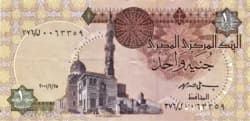
The old designs of the Egyptian pound are distinguished by the old designs of the Egyptian pound with complex artistic details and prominent historical figures. These designs reflected the Egyptian culture and its heritage, which made the pound a symbol of national pride. Modern updates on the designs of the Egyptian pound in recent years, the design of the Egyptian pound has been updated to reflect progress and modernity. New safety elements such as watermarks and bright colors have been introduced to improve aesthetic appearance and enhance confidence in the currency. These updates seek to attract attention and compliance with international standards, which contributes to the stability of the value of the pound in local and international markets.
The spread of the Egyptian pound
The use of the Egyptian pound inside Egypt The Egyptian pound is the official currency used in daily transactions inside Egypt. Citizens are trading in the markets and shops, as it contributes to moving the local economy. Curricula and coins are frequently used throughout the country. The possibility of using the Egyptian pound abroad although the Egyptian pound is a local currency, but there is the possibility of using it in some neighboring countries. Some merchants and citizens in countries such as Libya and Sudan accept the Egyptian pound, especially in the border areas. However, the pound is not a global currency, so travelers should pay attention to converting their money into other currencies when traveling.
The policies of the Central Bank of Egypt towards the pound
The role of the central bank in the Egyptian pound instruments The Central Bank of Egypt plays a pivotal role in the national currency instrument, as it determines the design and financial value of the Egyptian pound. The bank creates new banknotes and collects old based on market needs, which helps in maintaining financial stability. Financial measures to enhance the value of the Egyptian pound The central bank adopts several measures to enhance the value of the Egyptian pound, including controlling interest rates and intervention in the exchange market. These policies aim to provide a stable economic environment that encourages investment and encourages citizens to use the local currency instead of foreign currencies to ensure the power and stability of the pound.