App Logo

Download Our App

Shop your way

logologo
Image

Cape Morris Island

11/05/2025By: ICN
Cape Morris Island

Geographical location and strategic location

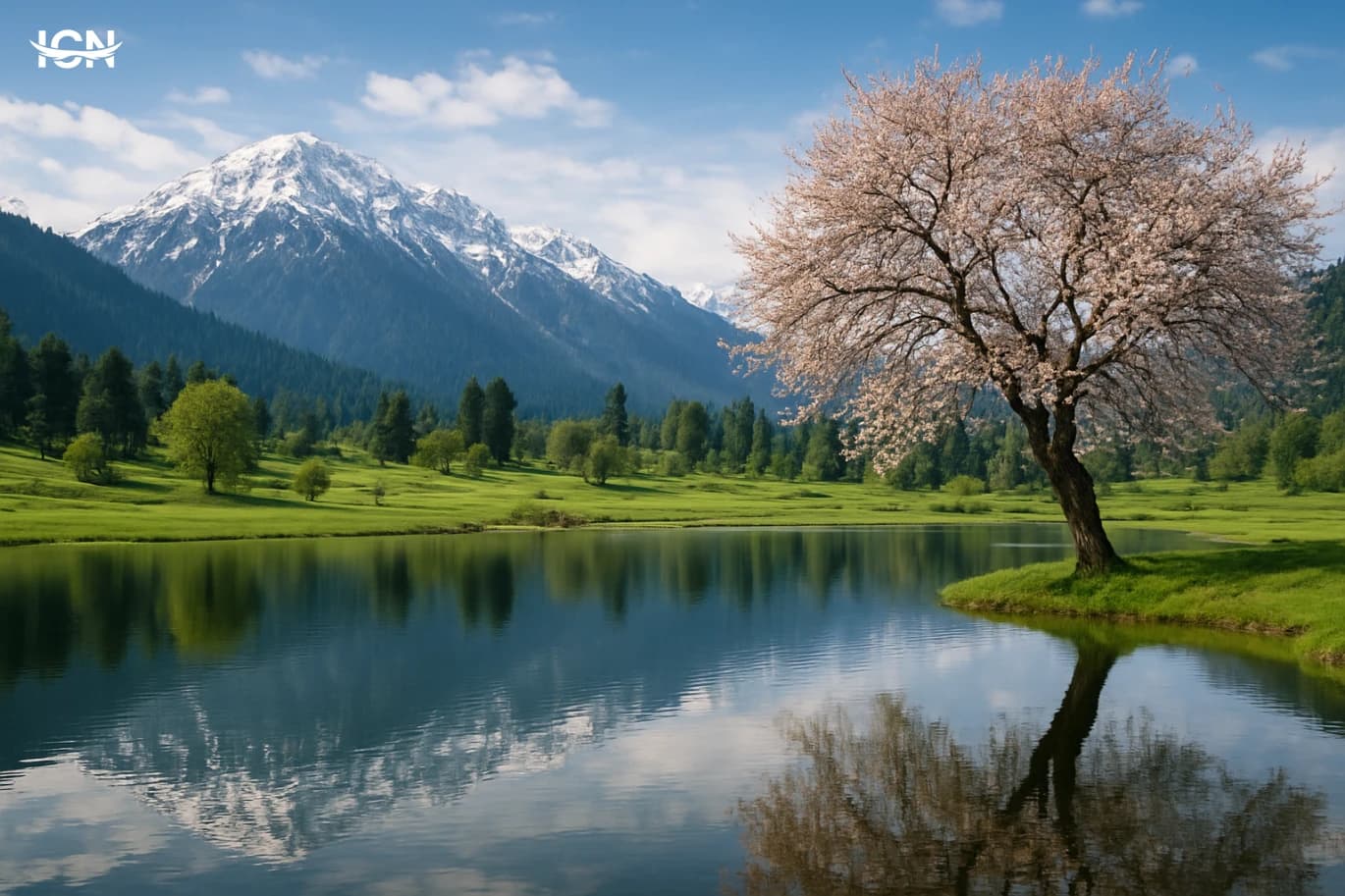
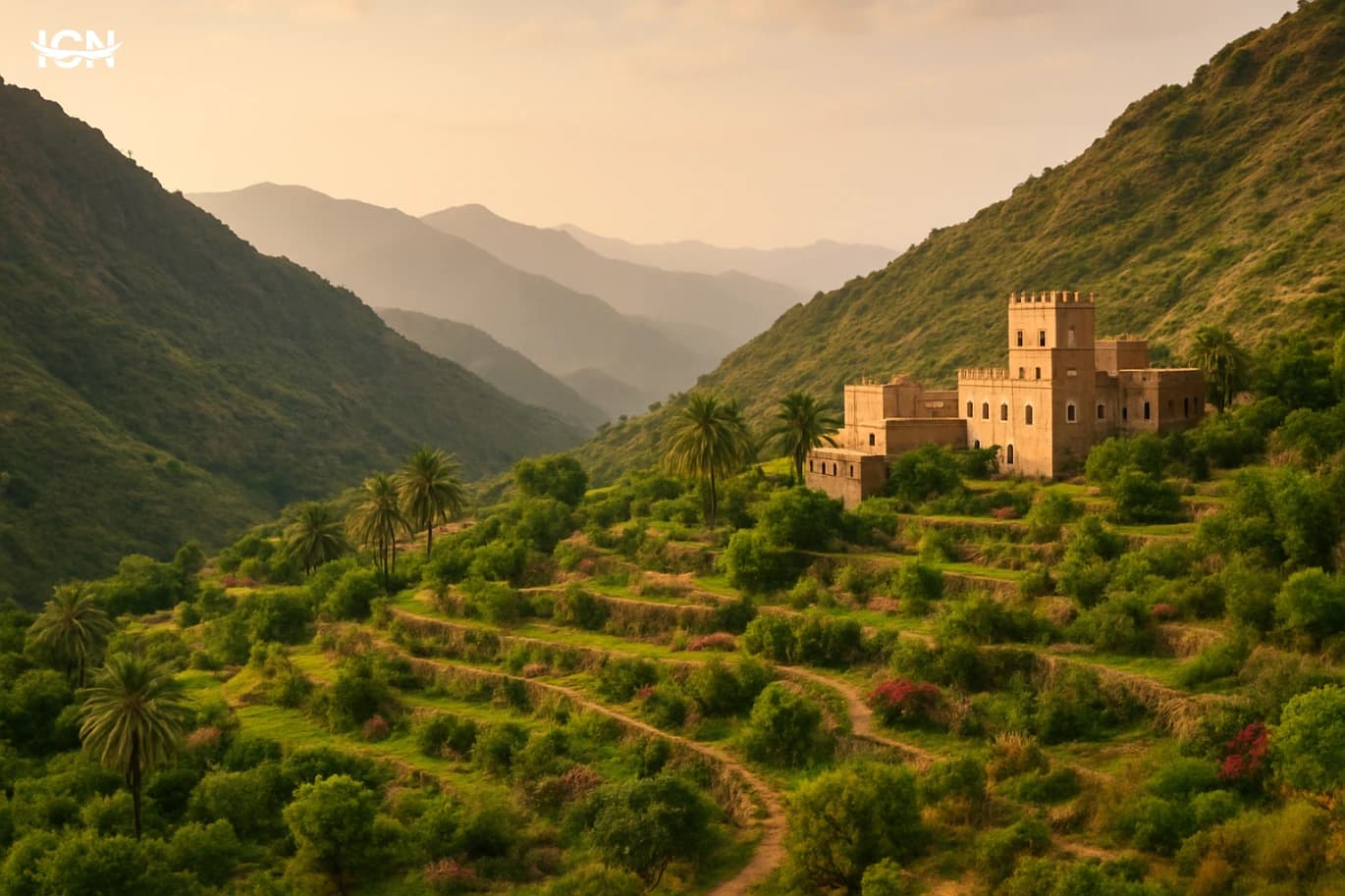
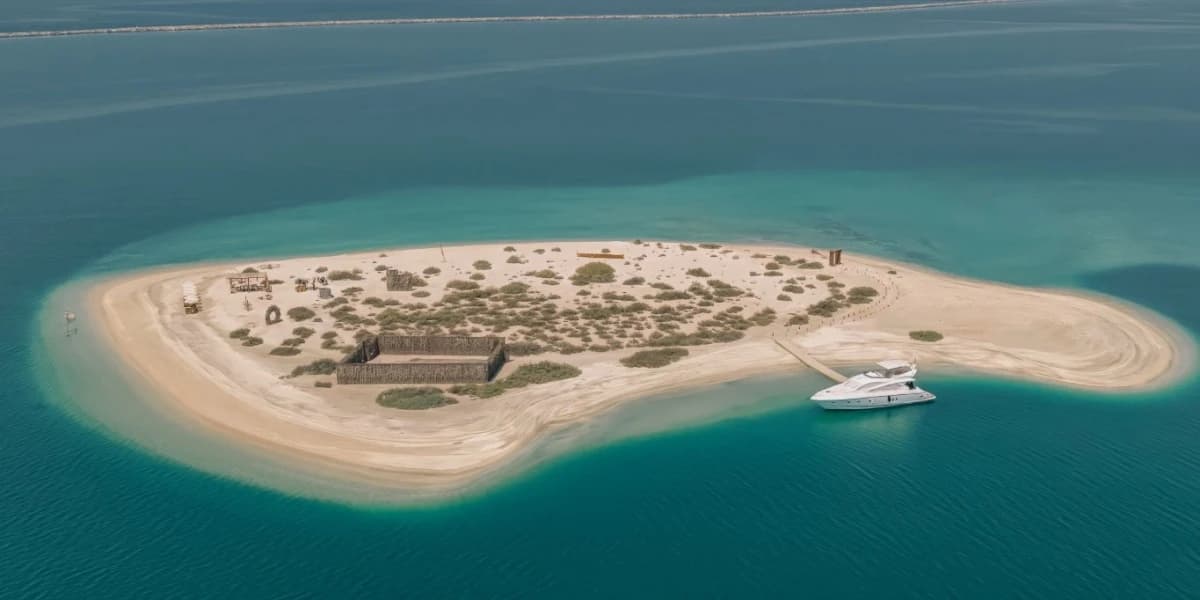
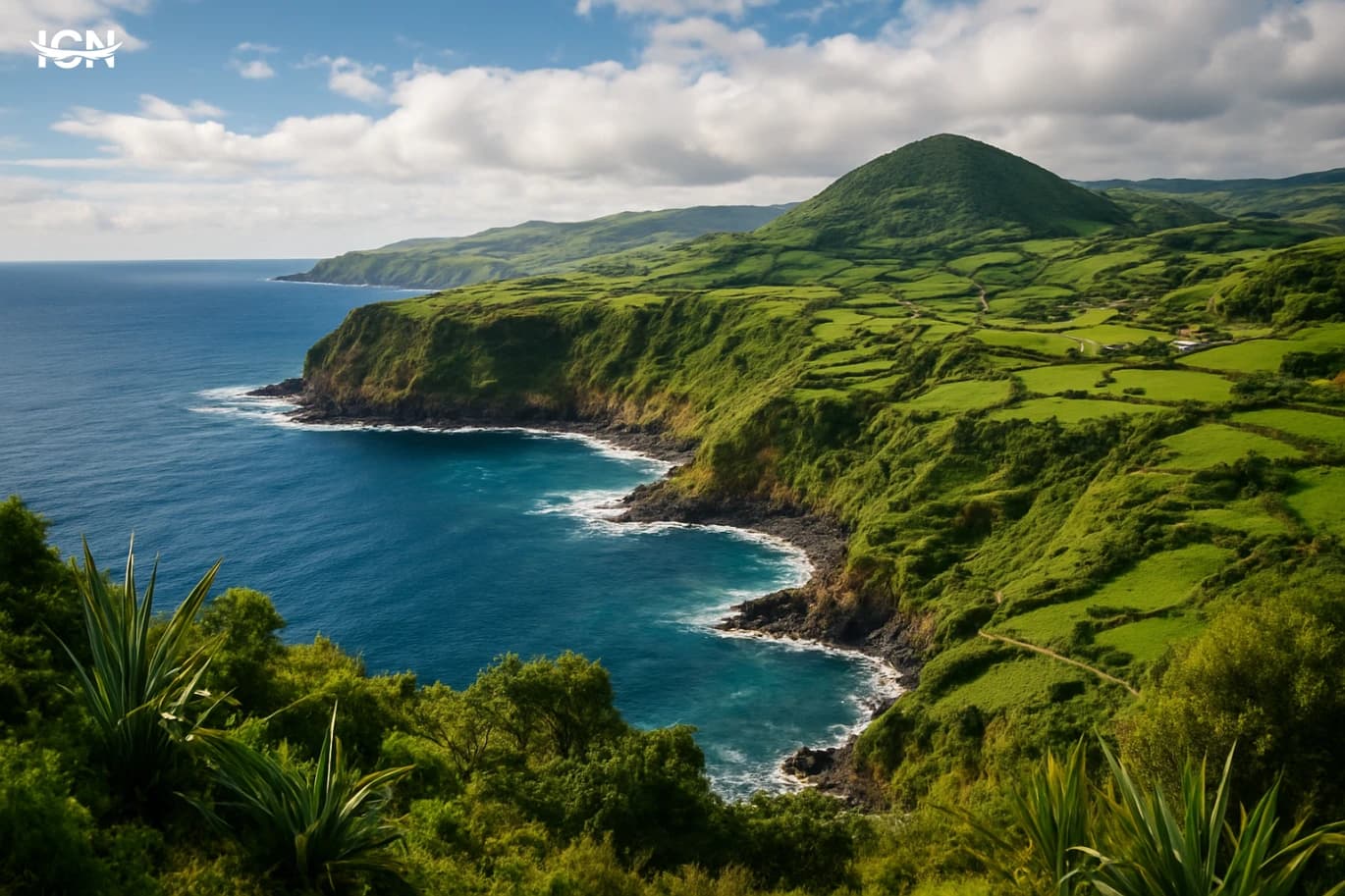
A. The location of the island on the map: The island is located in the heart of the sea, and it is known for its strategic location that connects different continents. It is surrounded by water from all directions, making it an important commercial center. The island is located between the three continents: Asia, Africa, and Europe, which facilitates trade and transportation between these continents. for. The importance of geographical location: The geographical location of the island made it an attraction for many cultures and civilizations throughout the ages. This vital location played a major role in its emergence as a destination for trade and culture. In addition, it possesses rich natural resources that make it occupy a prominent position in multiple fields, which contributes to its development and increasing its contact with the outside world. Third. History and origin The history of the island is characterized by richness and diversity, as it witnessed many events and transformations that contributed to the formation of its cultural and social identity. A. History of the discovery of the island: The island was discovered a long time ago, and sailors used it as a safe haven and a center for trade. There are many stories about the first people to set foot on the island, but history records that a number of ancient civilizations left their mark there, making it part of human history. for. Important historical eras Throughout the ages, the island has witnessed important eras, from colonialism to independence. These periods left a significant impact on the development of local communities and prevailing culture. Different historical periods constituted important stages of social and political change, and influenced the cultural identity of society. Fourth. Geography and nature The island is distinguished by its diverse terrain and unique geography. A. Island Topography The island's topography consists of mountain ranges, green plains, and soft sandy beaches. Mountains are an important part of its ecosystem, providing a habitat for many organisms and helping to maintain biodiversity. The picturesque beaches provide visitors with the opportunity to enjoy the sea atmosphere and relax. for. Diversity of climate and plants: The island has a diverse climate, ranging from tropical to temperate, which helps in the emergence of different plant formations. This diversity has a significant impact on agriculture and the local environment, enabling residents to take advantage of available resources. The island hosts a group of rare plants, which reflect the richness of the local environment and its agricultural potential. Fifth. Culture and Population The island is distinguished by its diversity of cultures, combining ancient traditions with modern influences. A. Culture of the Islanders The culture of the Islanders is characterized by diversity and pluralism, with each community expressing its identity through the arts, music, and literature. Customs and traditions form an essential part of residents' daily lives, which enhances social interaction between different communities. Festivals and celebrations are a great opportunity to express cultural pride and strengthen social bonds, contributing to the overall identity of the population.
* All articles published on this blog are sourced from various websites and are provided for informational purposes only. They should not be considered as confirmed studies or accurate information. Please verify the information independently before relying on it.

Similar ARTICLES

Armenia’s Quiet Treasures in the Caucasus
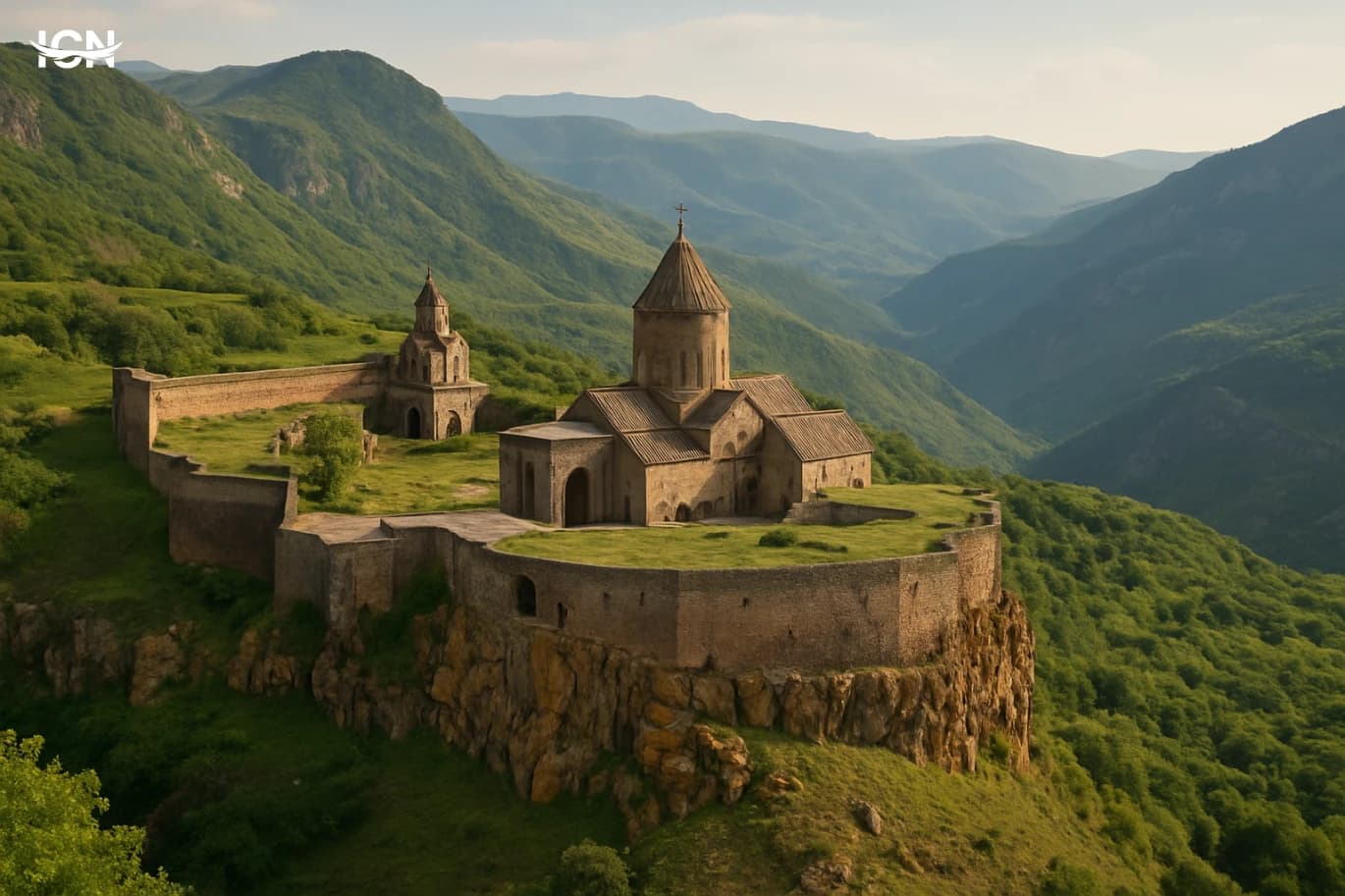
Armenia is compact, mountainous, and easy to navigate, yet it offers a dense mix of landscapes and heritage within short driving distances. From Yerevan, many signature sites are reachable in one to three hours, which makes the country practical for travelers who want variety without constant long transfers. The capital itself is a useful base: it has walkable neighborhoods, a growing café culture, and a calendar of concerts and markets that can fill evenings after day trips. What sets Armenia apart is how daily life and history sit side by side. You can move from a modern street lined with bakeries and bookstores to a centuries-old monastery complex in the same day. The country’s elevation shapes the experience: even in summer, evenings can be cool in the highlands, and viewpoints are a recurring highlight. For visitors, this means packing layers and planning around changing weather, especially if you intend to combine city time with lake shores and mountain roads. Armenia also works well for travelers interested in food and craft traditions. Local produce, herbs, and dairy are prominent, and small family-run wineries and brandy houses are common stops. The tourism infrastructure is improving steadily, with more boutique hotels, guided hiking options, and English-language signage in major areas, while still retaining a low-key atmosphere compared with larger regional destinations.
Grindelwald Beyond the Postcard
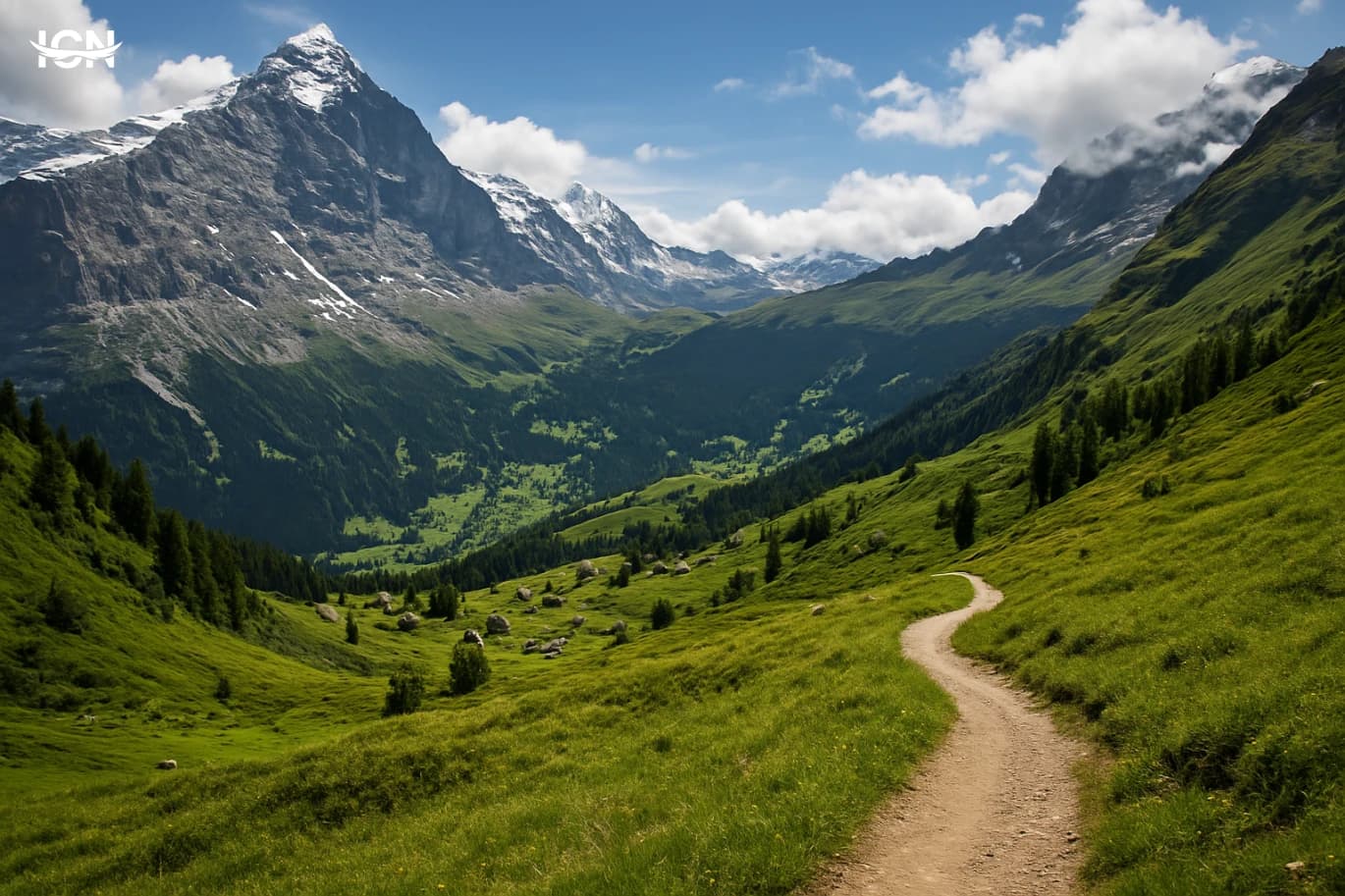
Grindelwald sits in the Bernese Oberland as a working mountain village that also happens to be one of Switzerland’s most practical bases for outdoor travel. The valley floor is easy to navigate on foot, with clear signposts to trails, lifts, and train connections, while the surrounding slopes rise quickly into alpine terrain. That layout matters: you can start a hike minutes after breakfast, return to the village for lunch, and still have time for a late-afternoon cable car ride. The area is known for big-name peaks, but the real advantage is how efficiently the local transport network links viewpoints, trailheads, and weather-safe alternatives. Seasonality shapes the experience more than most first-time visitors expect. Summer and early autumn are about long daylight hours, open ridge walks, and mountain restaurants that operate like small logistics hubs for hikers. Winter is structured around ski areas and prepared walking routes, with frequent lift schedules designed to move people quickly between the village and higher stations. Shoulder seasons can be quieter and better for photography and village walks, but some lifts and high trails may close for maintenance. Planning around operating dates is as important as packing the right jacket.
Paros Beyond the City Rush
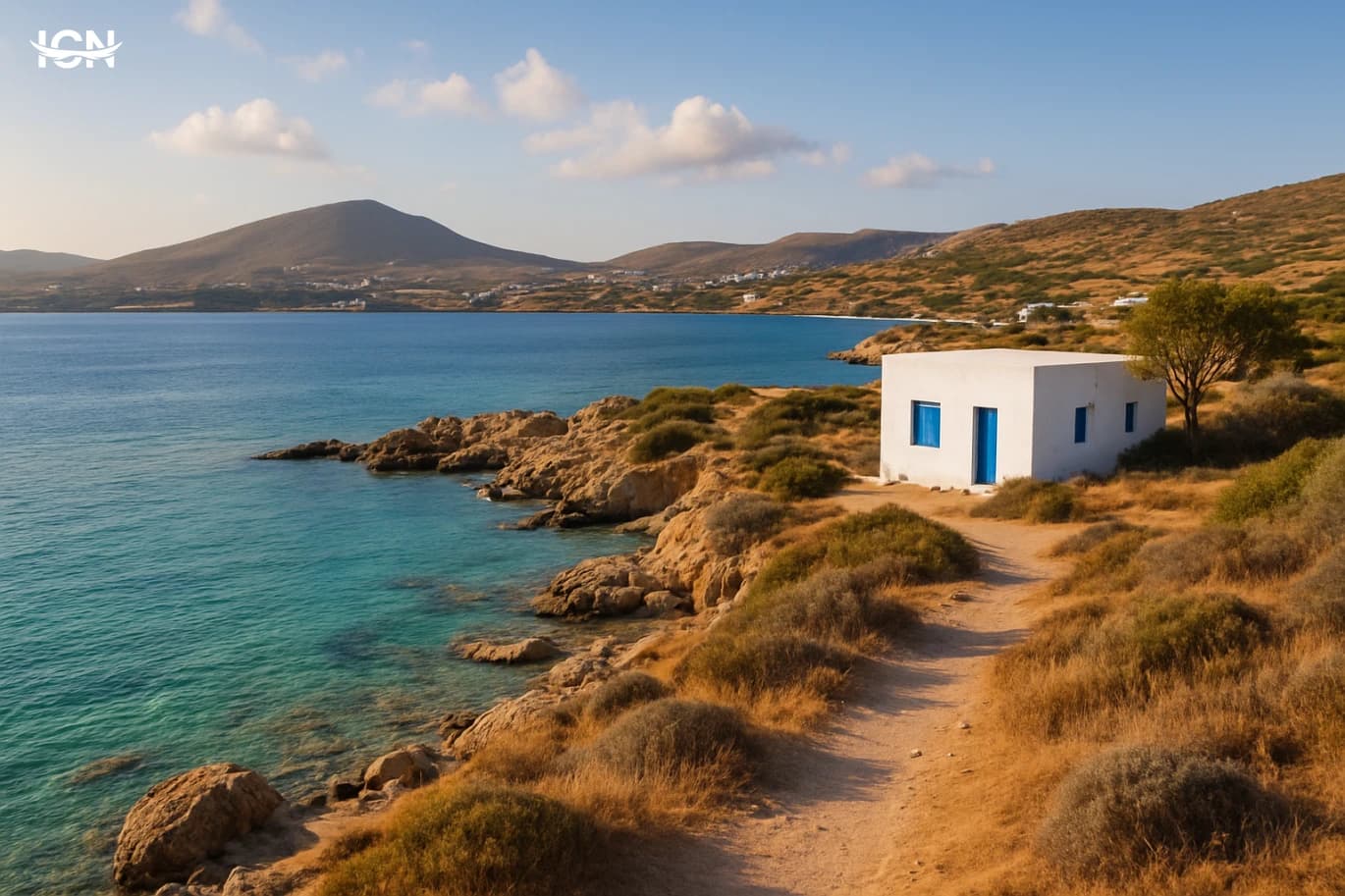
Paros sits in the heart of the Cyclades, yet it often feels calmer than the headline islands. The pace is slower, distances are short, and the island’s everyday life still shows through the tourism layer. You can land in Athens and connect by ferry from Piraeus, or fly to Paros National Airport (PAS) via domestic routes, then be in a seaside village within minutes. The main gateway is Parikia, the port town, where you’ll find practical services, bus connections, and a walkable waterfront lined with tavernas. What makes Paros stand out is how easily you can mix classic Cycladic scenery with low-key routines. Whitewashed lanes and blue shutters are there, but so are small farms, fishing boats, and local bakeries that open early. Even in peak season, you can plan days that avoid crowds by choosing quieter beaches, visiting inland villages at midday, and saving the busiest waterfront promenades for early morning. For travelers who want Greece’s island atmosphere without constant noise, Paros is a strong base.
Bratislava’s Unexpected City Break
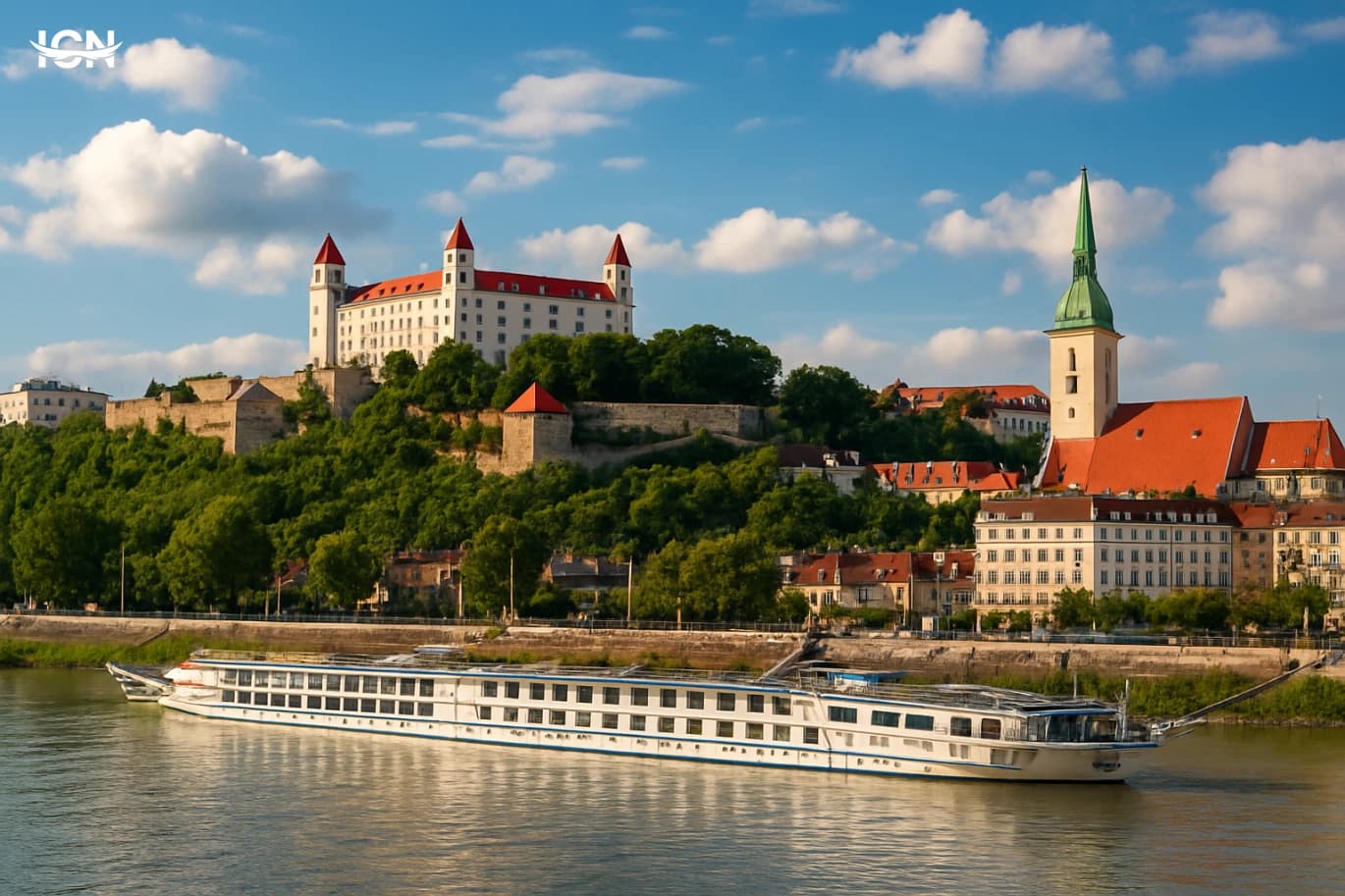
Bratislava is one of Europe’s most manageable capitals, and that is exactly why it works so well as a surprise destination. The historic center is walkable, the main sights sit close together, and the city still feels lived-in rather than staged for visitors. In a single day you can move from a hilltop castle to riverside promenades, then into neighborhoods where locals shop, commute, and meet friends after work. Its location adds to the appeal. Bratislava sits on the Danube and is positioned near the borders of Austria and Hungary, which makes it easy to combine with nearby cities while still giving you a distinct Slovak experience. The city’s character is shaped by this crossroads geography: Central European architecture, a strong café culture, and a calendar of events that mixes local traditions with contemporary design and music. For travelers who want a European break without the pressure of a packed checklist, Bratislava offers a calmer rhythm. You can plan lightly, leave room for detours, and still feel that you have covered a lot. The “surprise” is not one single landmark, but how many different city moods you can sample in a short stay.
A Practical Guide to Slovenia’s Soča Valley
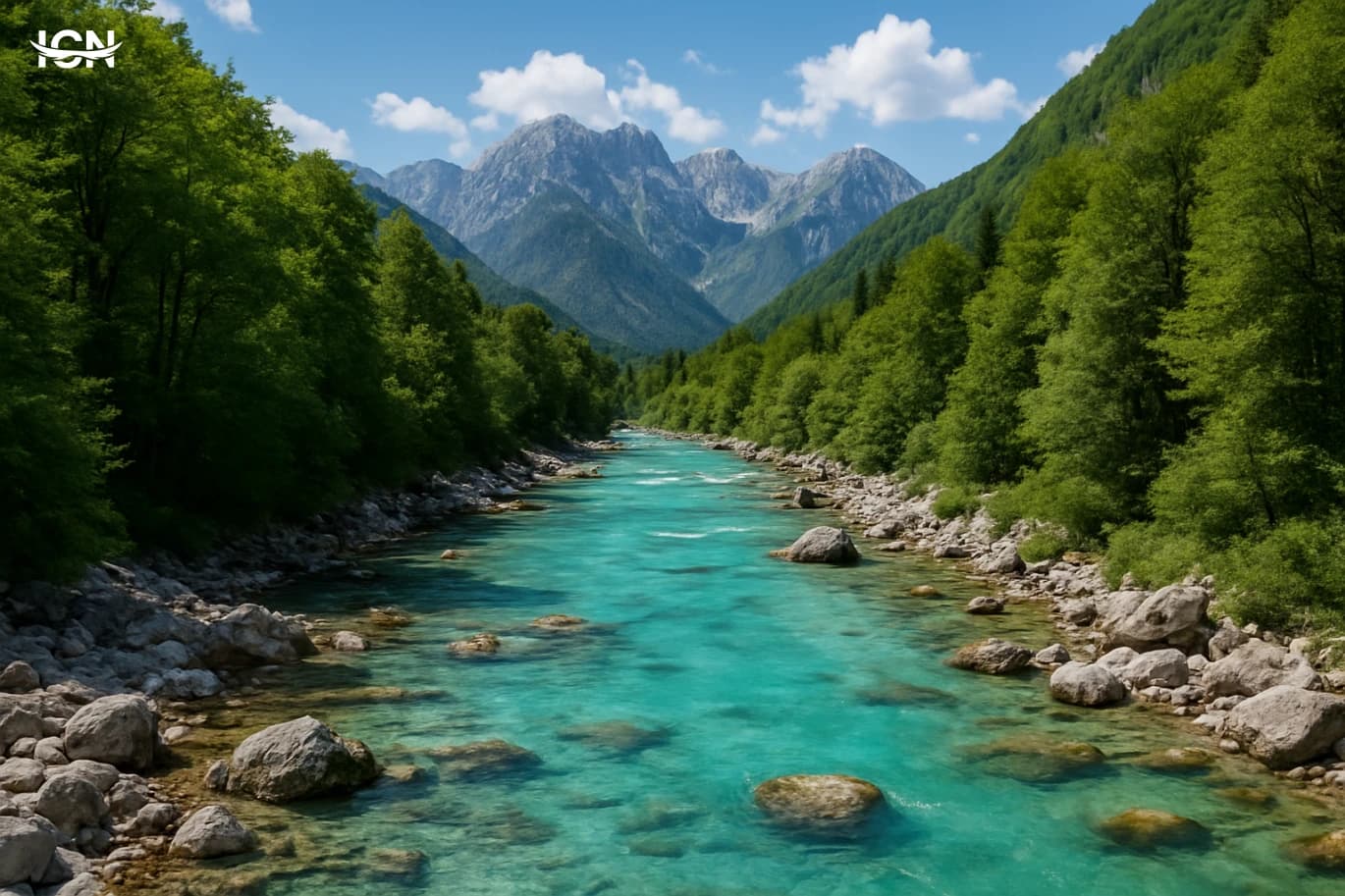
Slovenia’s Soča Valley is a compact region where travel time stays low and daily plans remain flexible. The valley runs along the Soča River in the country’s northwest, with small towns such as Bovec, Kobarid, and Tolmin acting as convenient bases. Distances between trailheads, viewpoints, museums, and restaurants are short, so you can combine outdoor activities with cultural stops without feeling rushed. The area is also well set up for independent travelers: clear road signage, reliable local tour operators for rafting and canyoning, and a growing range of guesthouses and apartments. A one-week itinerary works especially well because the valley offers variety without requiring long transfers. You can spend one day on river activities, another on panoramic hikes, and still have time for food-focused stops and small museums. Weather can change quickly in the Julian Alps, so having multiple options matters; the Soča Valley provides alternatives at different elevations, from riverside walks to higher mountain routes. This balance makes it a strong choice for travelers who want a focused destination that still delivers a full schedule.
Mallorca Summer Highlights You Shouldn’t Miss
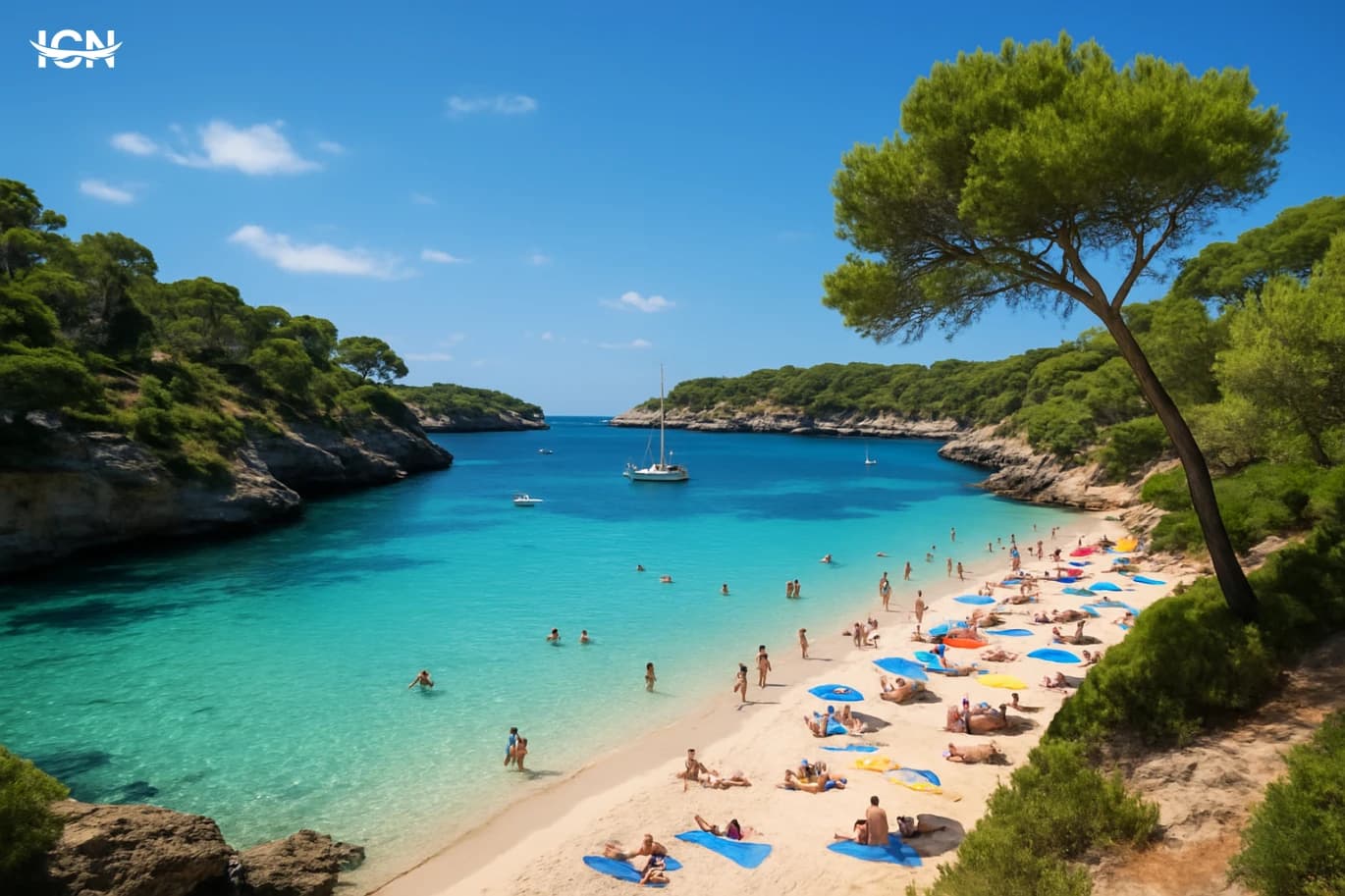
Mallorca, the largest of Spain’s Balearic Islands, is built for summer travel because it combines beaches, mountains, historic towns, and reliable infrastructure in a compact area. Most visitors base themselves in Palma for easy access to restaurants, museums, and transport, then take day trips across the island. Driving times are generally short: you can go from the capital to the northwest mountains or the eastern coves in about an hour, depending on traffic. The island’s appeal is not only scenery but variety. You can spend a morning in a Gothic cathedral, have lunch in a fishing port, and finish the day at a calas-style beach with clear water. Mallorca is also well set up for independent travelers: there are frequent buses to major towns, a train line to inland areas, and a wide range of accommodation from boutique hotels in old stone buildings to family resorts near the sand. To make the most of a summer visit, plan around heat and crowds. Start early for popular viewpoints and beaches, reserve tables in Palma on weekends, and consider visiting headline sites in the late afternoon when day-trippers leave. The eight landmarks below cover the island’s most recognizable places and a few essential experiences that help you understand Mallorca beyond a single beach day.
A Practical Week in Slovenia Without a Car
Slovenia is one of the easiest European countries to explore without driving because distances are short, public transport is reliable on core routes, and many highlights sit near train or bus corridors. Ljubljana is compact and walkable, with frequent city buses and clear wayfinding around the riverfront, museums, and main squares. From the capital, you can reach alpine valleys, lakes, and coastal towns in a few hours, often with direct connections. This makes it realistic to plan a full week that combines nature, food, and small cities while keeping logistics simple. A car-free plan also reduces costs that surprise first-time visitors: parking fees in tourist towns, fuel price swings, and the time spent navigating narrow roads in peak season. Instead, you can budget for a few paid experiences that add value, such as a guided cave visit or a local food tasting. The key is to pick a small number of bases and use day trips, rather than changing hotels every night. Slovenia’s size rewards that approach, and it keeps your schedule flexible when weather changes in the mountains.
Why Egypt Feels Like the World’s Center
The phrase “Egypt, Mother of the World” is not a slogan built for brochures; it is a reputation shaped by geography, history, and daily life. Egypt sits where Africa meets Asia and where the Mediterranean connects to the Red Sea, making it a natural crossroads for people, goods, and ideas. Over centuries, travelers arrived for trade, study, and work, and many left with the sense that Egypt is larger than a single destination. The country’s scale also supports the nickname: a long river valley that sustained dense settlements, a coastline that opened to maritime routes, and deserts that formed clear boundaries around a concentrated cultural core. In travel terms, the nickname matters because it sets expectations. Visitors often come for one headline site and discover a layered itinerary: ancient monuments, Islamic and Coptic heritage, modern neighborhoods, and a food culture that is both local and widely familiar across the region. The phrase also reflects how Egyptians talk about their country in everyday conversation, with pride grounded in tangible achievements: engineering along the Nile, a long tradition of scholarship, and a creative scene that shaped Arabic-language cinema and music for decades. For travelers, “Mother of the World” is best understood as an invitation to explore Egypt as a complete ecosystem rather than a single attraction.
The Hashemite Kingdom of Jordan
Jordan is an Arab country located in the heart of the Levant, bordered by Saudi Arabia to the south and east, Iraq to the east, Syria to the north, and the Palestinian territories to the west. Its capital is Amman, which is also the largest city in the kingdom. Why is it called "Hashemite"? The Jordanian royal family belongs to the Hashemites, descendants of the Prophet Muhammad (peace be upon him). The Hashemites led the Arab Revolt against the Ottoman Empire during World War I, and the Emirate of Transjordan was established in 1921 under the leadership of Prince Abdullah I bin Hussein. Jordan gained its full independence on May 25, 1946, and the Hashemite Kingdom of Jordan was proclaimed, with King Abdullah I bin Hussein becoming its first monarch. This occasion is celebrated annually as Independence Day. System of Government Jordan is a hereditary constitutional monarchy with a parliamentary system. The current ruler is King Abdullah I bin Hussein, who ascended the throne in 1999. Jordan is characterized by political stability compared to many other countries in the region. Society and Culture Jordan is renowned for its cultural diversity and social tolerance, and boasts world-class historical and tourist sites such as: Petra, one of the New Seven Wonders of the World. Wadi Rum, known for its breathtaking desert landscape. The Dead Sea, the lowest point on Earth. Jordan and the 2026 World Cup: A Dream Come True Jordan's qualification for the 2026 World Cup is considered the greatest achievement in the history of Jordanian football to date. The "Nashama" (Jordanian national team) had been trying to qualify for the World Cup for nearly 40 years without success, before finally realizing their dream in the 2026 qualifiers. How did Jordan qualify? On June 5, 2025, Jordan defeated Oman 3-0, with Ali Olwan scoring all three goals. Qualification was then officially confirmed after South Korea's victory over Iraq, guaranteeing Jordan one of Asia's direct qualification spots. Why was this qualification historic? It was Jordan's first appearance in the World Cup. It was their first qualification after nine previous attempts. It followed another significant achievement: reaching the final of the AFC Asian Cup for the first time in the national team's history. Jordanian Joy Following the announcement of qualification, celebrations erupted in various Jordanian cities, with streets filled with flags and chants celebrating the historic achievement. Fans also shared widespread footage of the celebrations in Amman and other governorates across the Kingdom. Jordan in the 2026 World Cup Jordan was drawn into a group with: Argentina Austria Algeria In their first match against Austria, they lost 3-1, but Jordan scored their first-ever World Cup goal through Ali Alwan, a goal that entered Jordanian football history. Stars of the National Team Among the most prominent stars of the "Nashama" (Jordanian national team) are: Musa Al-Taamari Ali Alwan Ihsan Haddad The team entered the tournament with the ambition of advancing beyond the group stage and achieving an unprecedented feat for Jordanian football. In short, the 2026 World Cup represents a historic moment for Jordan. After decades of attempts, the Nashama raised the Jordanian flag on the world's biggest football stage, writing a new chapter in the history of the Hashemite Kingdom of Jordan.
Slow Travel in Slovenia Without a Car
Slovenia is compact, well-connected, and easy to navigate without driving, which makes it ideal for travelers who want a lower-stress, lower-impact trip. The rail network links key hubs such as Ljubljana, Bled (via Lesce-Bled station), Bohinj (via Bohinjska Bistrica), and the coast through Koper, while regional buses fill the gaps to smaller towns and trailheads. In practice, you can build a full itinerary using a mix of trains, buses, short taxis for last-mile needs, and walking or cycling. The experience also fits the “slow travel” approach: fewer bases, longer stays, and more time in local neighborhoods rather than constant transit. Ljubljana’s center is highly walkable, with many streets designed for pedestrians and cyclists, and the country’s major attractions are close enough to combine without long travel days. For travelers watching costs, public transport can be predictable and often cheaper than renting a car once you factor in fuel, parking, tolls, and insurance. For travelers watching time, the main advantage is simplicity: you can focus on routes and schedules rather than road rules and parking logistics.
Island Hopping in the Azores Without a Car
The Azores are often marketed as a road-trip destination, yet several islands can be explored comfortably without renting a car if you plan around ferries, local buses, and walkable town centers. The archipelago’s main gateways—Ponta Delgada on São Miguel and Horta on Faial—have compact cores where hotels, cafés, groceries, and waterfront promenades are within a short walk. Inter-island travel is straightforward in the warmer months thanks to frequent ferries between the central islands, and flights connect the full chain year-round. A car-free approach also reduces the stress of narrow rural roads, limited parking in historic centers, and the cost swings that come with peak-season rentals. A practical car-free itinerary focuses on islands with reliable services: Faial and Pico are linked by a short ferry ride, São Jorge is reachable by ferry from both, and Terceira has a strong base in Angra do Heroísmo with local transport options. São Miguel can be done without a car by combining day tours with buses for a few corridors, but it rewards travelers who choose one or two regions rather than trying to cover the entire island. The key is to treat the Azores as a set of small, distinct trips rather than one continuous drive.
Sagrada Familia Towering Wonder
Barcelona’s Sagrada Familia is unusual among world-famous monuments because it is both historic and unfinished. Designed by architect Antoni Gaudí, the basilica has been under construction since 1882, funded largely through private donations and ticket revenue. That long timeline is not a marketing story; it is visible in the building itself, where different phases reveal changing tools, materials, and project management methods. Visitors can read the structure like a timeline, moving from older stonework to newer sections shaped with digital modeling and precision cutting. The “towering” impression comes from Gaudí’s plan for a forest of spires that would dominate the skyline without relying on a single massive dome. The towers are not decorative add-ons; they are central to the building’s identity and its engineering. Even from street level, the vertical rhythm of the spires pulls the eye upward, while the basilica’s broad base anchors it within the dense Eixample grid. For travelers, the key point is that this is not only a church to photograph; it is a living construction site with a visitor experience built around architecture, craft, and urban context.
Island Hopping in the Azores
The Azores are a nine-island Portuguese archipelago in the mid-Atlantic, and they are unusually practical for travelers who want variety without constant long-haul transfers. Flights from mainland Europe often arrive in São Miguel or Terceira, and the regional airline network links most islands with short hops that typically take under an hour. Ferries add another layer of flexibility in summer, especially between Faial, Pico, and São Jorge, where crossings can be planned as day trips. The appeal is not only logistics: each island has a distinct profile, from crater lakes and hot springs to vineyards built on lava rock and small port towns with strong maritime heritage. For a first-time visitor, a focused plan across three to five islands usually delivers the best balance of movement and depth, avoiding the fatigue of packing every day while still capturing the archipelago’s range.
By clicking the SUBSCRIBE button, you are agreeing to our Privacy & Cookie Policy If you want to unsubsribe the marketing email, please proceed to our privacy center.
© 2005-2026 ICN. All Rights Reserved.