World Clean Energy Day
- International Clean Energy Day: Why do we celebrate on January 26?
- Combating Climate Change: The Role of Clean Energy in Achieving Goal 7 of the Sustainable Development Goals
- Challenges of Energy Access: The Development Gap
- International Clean Energy Day: When and How Was It Announced?
- The International Renewable Energy Agency (IRENA) and today's connection
- Clean energy and combating climate change
- Goal 7 of the Sustainable Development Goals (SDG 7)
- Challenges of Accessing Clean Energy
- International Renewable Energy Agency (IRENA): Platform for Clean Energy Transition
- Clean energy and combating climate change
- The energy poverty crisis and its social and economic impact
- Goal 7 of the Sustainable Development Goals: Challenges of Universal Access to Clean Energy
- Clean energy versus fossil fuels: The necessity of a just transition
- Accelerating the fair and inclusive transition to energy
- The economic and environmental benefits of clean energy
- Summary: A call to action for a sustainable future
- Call to Action: Accelerating Just Transition
International Clean Energy Day: Why do we celebrate on January 26?
We celebrate annually on the 26th of January the International Day of Clean Energy, which is not just a celebration, but a global call for immediate and decisive action. This day focuses on the necessity of achieving a fair and inclusive energy transition that serves both people and the planet, and is a fundamental pillar for addressing climate change challenges and achieving sustainable development. This day was officially declared by the United Nations General Assembly under resolution 77/327, and specifically marks the anniversary of the founding of the International Renewable Energy Agency (IRENA) in 2009. The International Renewable Energy Agency (IRENA) is a central platform for international cooperation, providing essential data and analyses on renewable energy technologies, financing, and policies, to support countries in their efforts towards energy transition.
Combating Climate Change: The Role of Clean Energy in Achieving Goal 7 of the Sustainable Development Goals
This goal is embodied in Sustainable Development Goal 7 (SDG 7), which aims to ensure access to modern, reliable, and sustainable energy services for all by 2030. Despite efforts made, the world is not on track to achieve this ambitious goal, requiring an acceleration in investments and policies supporting energy efficiency.
Challenges of Energy Access: The Development Gap
Moreover, unclean cooking systems cause the death of 3.2 million people annually, with the number of those deprived of these services continuing to increase, especially in rural African areas due to population growth. Despite the challenges, there is significant progress in renewable energy capacity per individual; the installed renewable energy capacity reached 341 watts per person in developing countries, a substantial rise compared to 155 watts in 2015. The International Day for Clean Energy should focus on supporting this progress to ensure a fair and comprehensive transition to clean energy for all, especially in the most needy areas.
International Clean Energy Day: When and How Was It Announced?
This announcement confirms the international community's commitment to accelerating the global shift towards clean energy, moving away from reliance on fossil fuels such as oil, coal, and gas.
The International Renewable Energy Agency (IRENA) and today's connection
This day marks the anniversary of the founding of the International Renewable Energy Agency (IRENA) in 2009. IRENA is the global institution leading the mission to support the global transition towards sustainable energy, providing data and analysis on clean energy technologies, policies, and financing. The primary goal is to mobilize joint international action to ensure everyone has access to modern and reliable energy services.
Clean energy and combating climate change
Therefore, expanding the installed capacity from renewable energy sources is crucial for reducing carbon emissions and achieving environmental sustainability.
Goal 7 of the Sustainable Development Goals (SDG 7)
Global data indicates that the world is not on the right track to achieve this ambitious goal, necessitating an immediate and decisive response. Despite progress, hundreds of millions still suffer from energy poverty, especially in rural areas.
Challenges of Accessing Clean Energy
For instance, about 666 million people live in darkness, with 85% of them concentrated in sub-Saharan Africa. Additionally, unclean cooking systems kill 3.2 million people annually. This underscores the importance of working to provide reliable electricity and clean cooking services for everyone, as part of social and economic development. Therefore, the International Day for Clean Energy should focus on supporting the most affected areas to increase their installed renewable energy capacity and enhance energy efficiency.
International Renewable Energy Agency (IRENA): Platform for Clean Energy Transition
IRENA is not just an organization, but a central platform for international cooperation, focusing on accelerating the adoption of renewable energy sources. It provides essential data and analyses on clean energy technologies, policies, and financing necessary for achieving a just and inclusive energy transition. To ensure sustainable development goals are met, the agency works closely with the United Nations Department of Economic and Social Affairs and the United Nations Energy. Its ultimate goal is to support countries in accelerating the adoption of renewable energy sources like solar and wind energy, which contributes to reducing greenhouse gas emissions. This support is crucial to ensuring everyone has access to modern, reliable, and sustainable energy services, which is the focus of Sustainable Development Goal 7 (SDG 7). Through its efforts, IRENA contributes to combating climate change and achieving economic and social development, especially in areas suffering from energy poverty, such as sub-Saharan Africa.
Clean energy and combating climate change
These carbon emissions contribute to global warming and threaten the environmental sustainability of our planet. Therefore, a fair and inclusive energy transition is our most effective strategy to protect the environment. Shifting to renewable energy sources ensures a significant reduction in emissions, achieves energy security, and provides clean energy for all. Additionally, implementing energy efficiency principles is essential to reduce waste, enhancing our ability to meet the needs of population and economic growth.
The energy poverty crisis and its social and economic impact
More than 85% of these people live in Sub-Saharan Africa. The lack of reliable electricity supply directly hinders education, healthcare, and economic opportunities, exacerbating the energy poverty crisis. Achieving Sustainable Development Goal 7 (SDG 7) is crucial to ensuring everyone has access to clean energy. This goal aims to provide everyone with modern, reliable, and sustainable energy by 2030. Unfortunately, the world is still lagging behind in achieving this ambitious target. Accelerating a fair and inclusive energy transition is vital to ensure social and economic development is not limited to certain groups. The challenge of clean cooking and indoor air pollution is not limited to electricity but extends to accessing clean cooking. An estimated 1.5 billion people rely on unclean and inefficient cooking systems, such as burning wood or traditional fossil fuels. These practices lead to indoor air pollution, causing the deaths of 3.2 million people annually. This represents a significant health and environmental challenge requiring investment in alternative renewable energy sources. In Sub-Saharan Africa specifically, the number of people lacking access to clean cooking is increasing by 14 million annually due to rapid population growth in rural areas. This underscores the necessity for a shift towards clean energy for all. UN experts stress that 'access to clean energy is the first step towards eradicating poverty and achieving climate justice, especially in the most vulnerable communities. This is the essence of the concept of a just energy transition.'
Goal 7 of the Sustainable Development Goals: Challenges of Universal Access to Clean Energy
Despite the challenges, there is notable progress in some aspects, especially in the expansion of renewable energy sources. We have witnessed a significant increase in the installed renewable energy capacity per individual, proving the success of investment in alternative energy sources. In developing countries, the installed capacity from clean energy sources has risen to 341 watts per person. This represents a qualitative leap compared to 155 watts per person in 2015. This progress is essential to reduce reliance on fossil fuels and contribute to the reduction of greenhouse gas emissions. However, we need to accelerate the pace to ensure universal energy access and achieve efficiency in energy use, particularly in providing clean cooking solutions for billions still relying on traditional methods harmful to health and the environment.
Clean energy versus fossil fuels: The necessity of a just transition
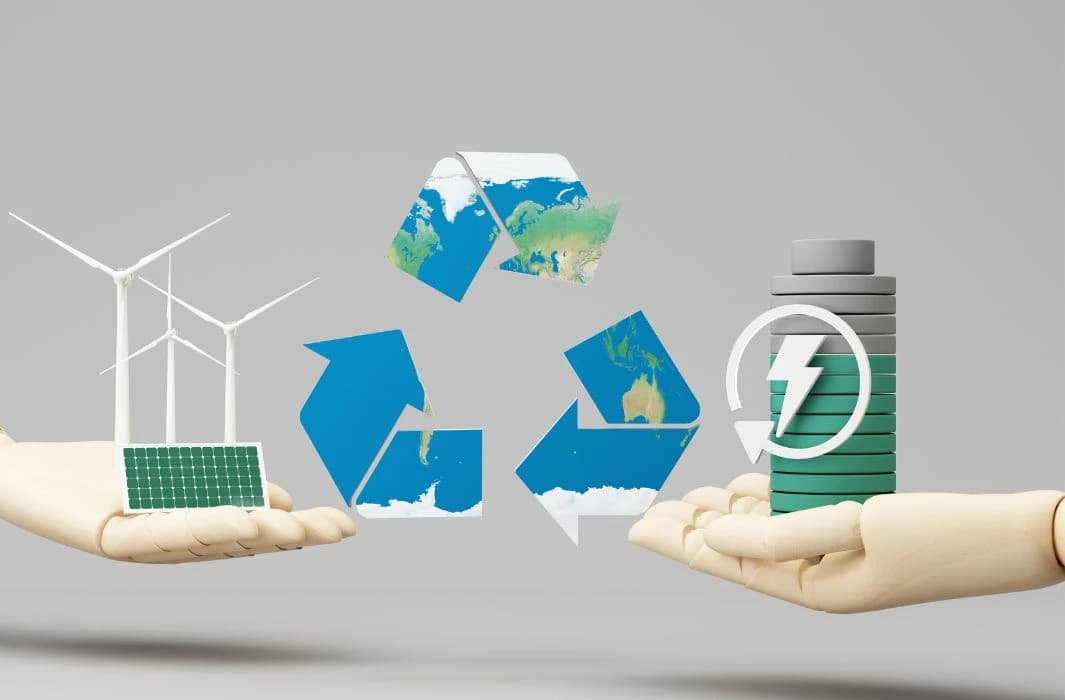
Clean energy and combating climate change It is clear from the comparison that fossil fuels are the primary driver of climate change and global warming. Global data indicates that more than 75% of greenhouse gases result from burning these materials for energy production, making emission reduction an urgent global goal. In contrast, clean energy, with its renewable sources, offers a radical solution. Embracing renewable energy sources not only helps in reducing carbon emissions but also ensures reliable access to electricity, which is a fundamental goal of Sustainable Development Goal 7. The transition toward sustainable energy is at the core of a fair and inclusive energy shift, and a necessary step to support development in the most needy regions, such as Sub-Saharan Africa, where millions still suffer from energy poverty.
Accelerating the fair and inclusive transition to energy
Achieving this goal requires substantial and planned investments in renewable energy infrastructure and creating new job opportunities that support social and economic development in these areas. The importance of clean energy in combating climate change and energy poverty cannot be overstated. Environmental sustainability cannot be achieved without reducing reliance on fossil fuels. Global data indicates that more than 75% of greenhouse gases are emitted from burning these sources to generate energy. Therefore, utilizing alternative energy sources is the first line of defense in combating climate change and reducing the effects of global warming. However, the greatest challenge lies in bridging the energy poverty gap. Approximately 666 million people still live without reliable electricity, with 85% of them in rural areas of Sub-Saharan Africa. The lack of clean cooking services also leads to 3.2 million deaths annually, highlighting the necessity to provide modern energy services for everyone. Energy efficiency: the quickest methods to reduce emissions involve not only producing more clean energy but also using energy more efficiently to reduce emissions and overall demand. Energy efficiency is one of the fastest and cheapest ways to achieve our climate goals, especially in the context of the global energy transition. Investing in improving energy use efficiency eases the pressure on the installed capacity of renewable energy and ensures reliable electricity access for a larger population. Progress towards SDG 7 Despite the challenges, there are notable advancements in certain areas. SDG 7 aims to ensure everyone has access to sustainable energy by 2030. In developing countries, the installed renewable energy capacity per capita has risen significantly, reaching 341 watts per person, up from 155 watts in 2015. However, the UN emphasizes that the world is not on track to achieve the clean energy goal for all within the set timeframe, necessitating urgent international intervention. How can individuals and communities support the transition? Your role as an individual is vital in this global shift towards sustainable energy, especially on occasions like International Clean Energy Day. You can adopt sustainable practices, such as focusing on reducing your daily electricity consumption or investing in solar panels if possible. Support companies that invest in renewable energy and advocate for policymakers to adopt policies that support environmental sustainability and a fair, inclusive energy transition. We are all partners in building a carbon-free future that ensures clean energy for everyone.
The economic and environmental benefits of clean energy
Accelerating the deployment of these technologies is key to ensuring energy access for everyone and achieving the Sustainable Development Goals, especially SDG 7, which aims to provide modern, reliable, and sustainable energy services by 2030. The installed renewable energy capacity per capita in developing countries has increased significantly, indicating that investing in these renewable sources is a critical step towards ending energy poverty.
Summary: A call to action for a sustainable future
Achieving clean energy for everyone and the planet is the ultimate goal. However, reality imposes huge challenges that require us to act immediately on a fair and comprehensive energy transition. The biggest challenge: ensuring universal access (Sustainable Development Goal 7). Despite the progress we've made, the world is still far from achieving SDG 7 by 2030, which aims to ensure everyone has access to modern, reliable, and sustainable energy services. Sub-Saharan Africa is at the heart of the energy poverty crisis. There are 666 million people worldwide without reliable electricity, with 85% of them concentrated in this vital region. This situation is exacerbated by rapid population growth in rural areas. Furthermore, unclean cooking systems still claim 3.2 million lives annually. This requires urgent investments in renewable energy and modern energy services to ensure energy access. Combating climate change: the necessity to abandon fossil fuels. Transitioning to clean energy sources is our first line of defense against climate change and global warming. Data indicates that more than 75% of global greenhouse gases come from burning fossil fuels (oil, coal, gas) to generate energy. The extensive use of alternative energy sources significantly reduces carbon emissions and supports environmental sustainability. This transition is not a cost but an investment supporting social and economic development by improving energy efficiency and creating green jobs. Progress made and future prospects. We have seen advances in installed renewable energy capacity. In developing countries, the per capita installed capacity from renewable energy sources has risen to 341 watts, up from just 155 watts in 2015. This indicates that technical solutions are available. Joint action, supported by international institutions like IRENA, ensures that this progress is fair and inclusive, directing funding towards the areas most in need to combat energy poverty.
Call to Action: Accelerating Just Transition
The primary goal is to raise awareness about the importance of clean energy to reduce carbon emissions and achieve sustainable development globally. Why did the United Nations choose January 26 specifically? This date was chosen because it coincides with the founding of the International Renewable Energy Agency (IRENA) in 2009. IRENA is the leading global agency in supporting renewable energy and serves as a platform for international cooperation, providing data and analytics on clean energy technologies, policies, and the necessary funding for energy transition. What is the connection between clean energy and combating climate change? Clean energy is considered the cornerstone in fighting climate change and global warming. More than 75% of global greenhouse gas emissions come from burning fossil fuels (such as oil, gas, and coal) to generate energy. Therefore, the use of renewable energy sources represents the only strategy to significantly reduce these emissions and ensure environmental sustainability, supporting global efforts to limit emissions. What is Goal 7 of the Sustainable Development Goals, and what progress has been made towards it? Goal 7 of the Sustainable Development Goals (SDG 7) aims to ensure access to affordable, reliable, sustainable, and modern energy services for all by 2030. Despite the progress made in renewable energy capacity per capita (having reached 341 watts per person in developing countries, up from 155 watts in 2015), the world is still off track to fully achieving Goal 7. This requires accelerating efforts to increase investment in clean energy and enhance energy efficiency, especially in developing regions. What is the scale of the global energy poverty challenge? The challenge of energy poverty remains massive and hinders social and economic development. Currently, about 666 million people live without reliable electricity, with the vast majority (more than 85%) concentrated in sub-Saharan Africa, particularly in rural areas. Additionally, 2.3 billion people still rely on dirty cooking systems, leading to 3.2 million deaths annually, highlighting the urgent need to provide modern energy services. What is the difference between clean energy and renewable energy? The terms are often used interchangeably, but there is a subtle difference: Renewable energy refers to sources that naturally replenish and are inexhaustible, such as solar, wind, and hydropower. Clean energy is any energy source that does not produce harmful pollution or carbon emissions. It includes renewable energy, along with some forms of energy efficiency and technologies that significantly reduce emissions. To achieve a just energy transition, focus should be on both concepts to ensure a sustainable future free from fossil fuels.