Atherosclerosis in cats

- What is atherosclerosis in cats?
- Risk factors for atherosclerosis in cats
- Symptoms of atherosclerosis in cats
- Diagnosis and screening for atherosclerosis in cats
- Dealing with Atherosclerosis in Cats
What is atherosclerosis in cats?
Definition of Atherosclerosis Atherosclerosis is a condition that occurs when the arteries become hardened and narrowed, affecting the proper flow of blood. In cats, this can lead to a range of health problems, such as heart failure and high blood pressure. Causes of Atherosclerosis in Cats Causes of Atherosclerosis in Cats include many factors, such as obesity, high cholesterol levels, and diabetes. An unbalanced diet can also play a role in the development of this condition, which requires consulting a veterinarian to provide the necessary advice to ensure the health of your cat.
Risk factors for atherosclerosis in cats
Race and Gender Researchers have found that some breeds are more susceptible to atherosclerosis, such as Siamese and Puli cats. Male cats may also need more attention because they are more likely to develop it than females. Diet and Weight An unbalanced diet and being overweight are major contributors to atherosclerosis. Cats who eat large amounts of foods high in fat and cholesterol may be at higher risk. To ensure your cat’s health, it is important to manage their diet and follow your veterinarian’s recommendations for a healthy weight.
Symptoms of atherosclerosis in cats
Weakness and fatigue Cats with atherosclerosis often show general weakness and constant fatigue. This weakness can manifest itself in decreased activity and playfulness, making them appear less energetic than before. Difficulty breathing and weight loss Cats may have difficulty breathing due to the buildup of fat in their blood vessels, which affects blood flow. You may also notice gradual weight loss, as the cat becomes less interested in food or is unable to get enough of it due to their health condition.
Diagnosis and screening for atherosclerosis in cats
Physical Examination Veterinarians rely on a thorough physical examination to identify possible symptoms of atherosclerosis. During the examination, features such as a weak pulse and abnormal heart sounds may be noted, indicating circulatory problems. Diagnostic Tests To confirm a diagnosis of atherosclerosis, additional tests such as X-rays or blood tests may be required. These tests help assess the health of the heart and blood vessels and determine the degree of hardening, allowing the veterinarian to develop an appropriate treatment plan.
Dealing with Atherosclerosis in Cats
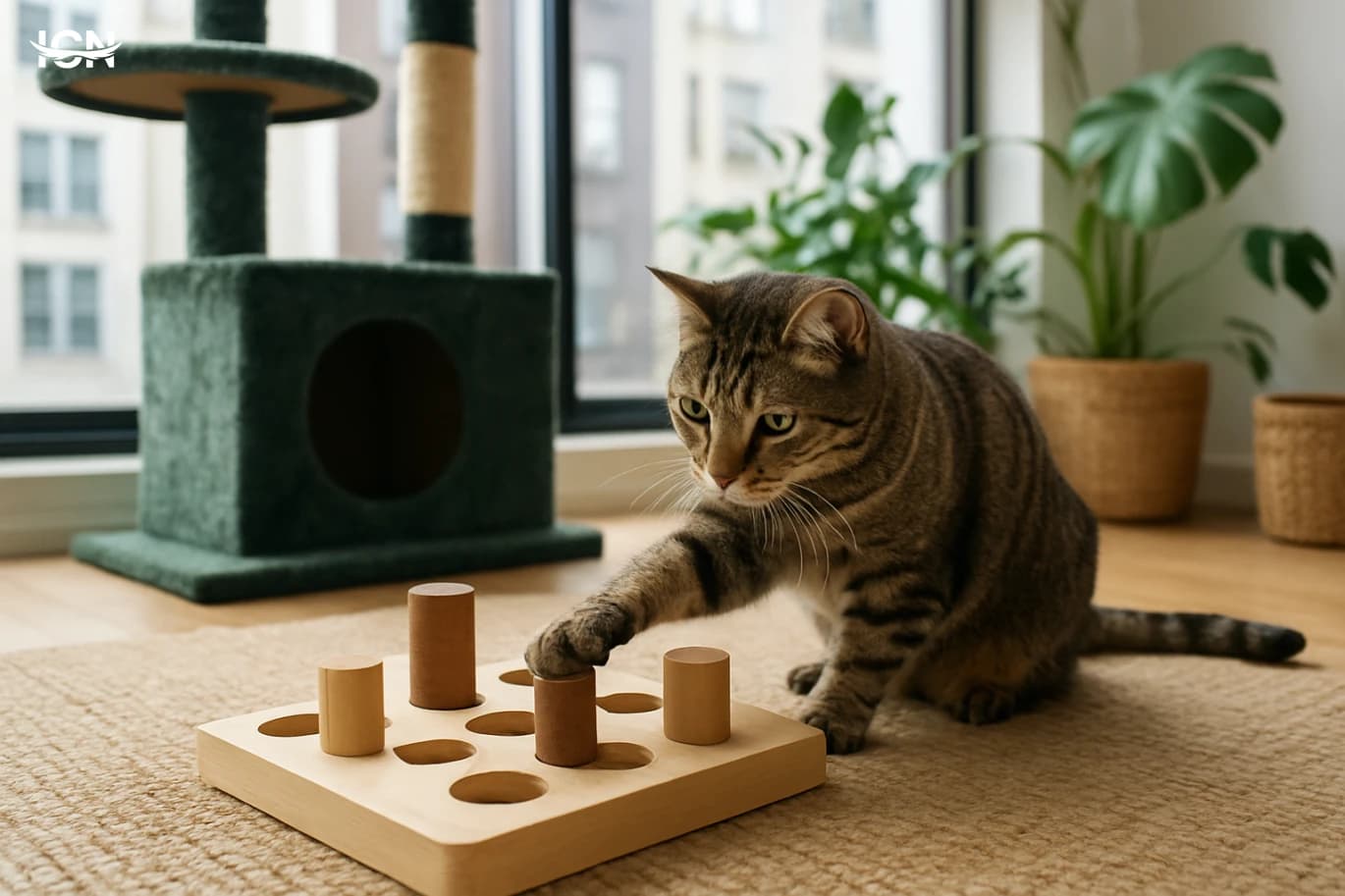
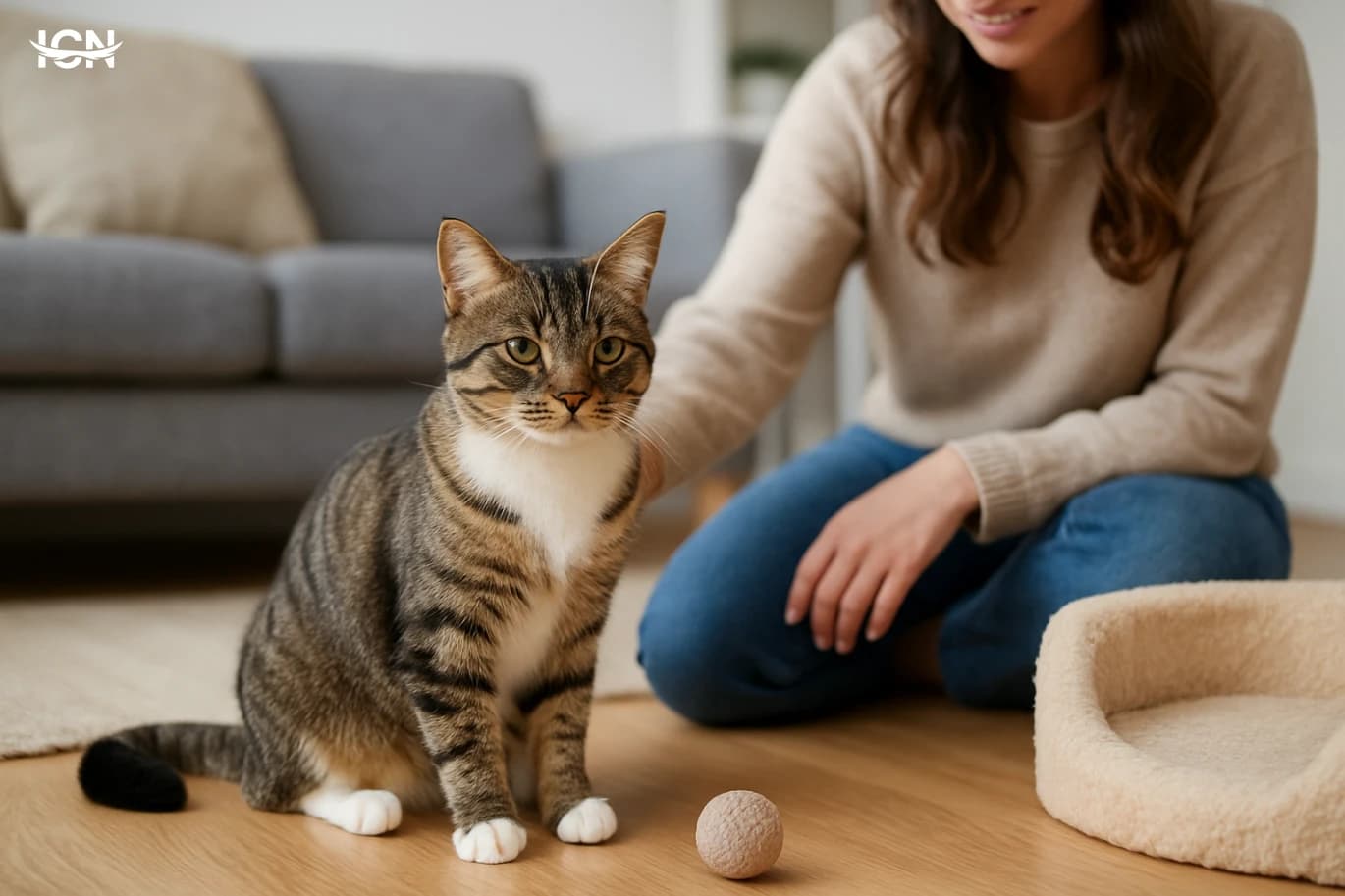
Nutrition and Diet It is essential for cat owners to follow a balanced diet that reduces saturated fats and sugars. It is preferable to consult a veterinarian to develop a special nutritional plan that encourages eating foods rich in fiber and minerals necessary for heart health. Exercise and weight maintenance Physical activity is an essential part of treatment. Cat owners should encourage their animals to play and move, as this helps maintain their ideal weight and strengthen the heart and blood vessels. It is preferable to provide daily time to play with the cat to increase its activity and improve its overall health.