allgh-alfarsy
The origin and development of language:
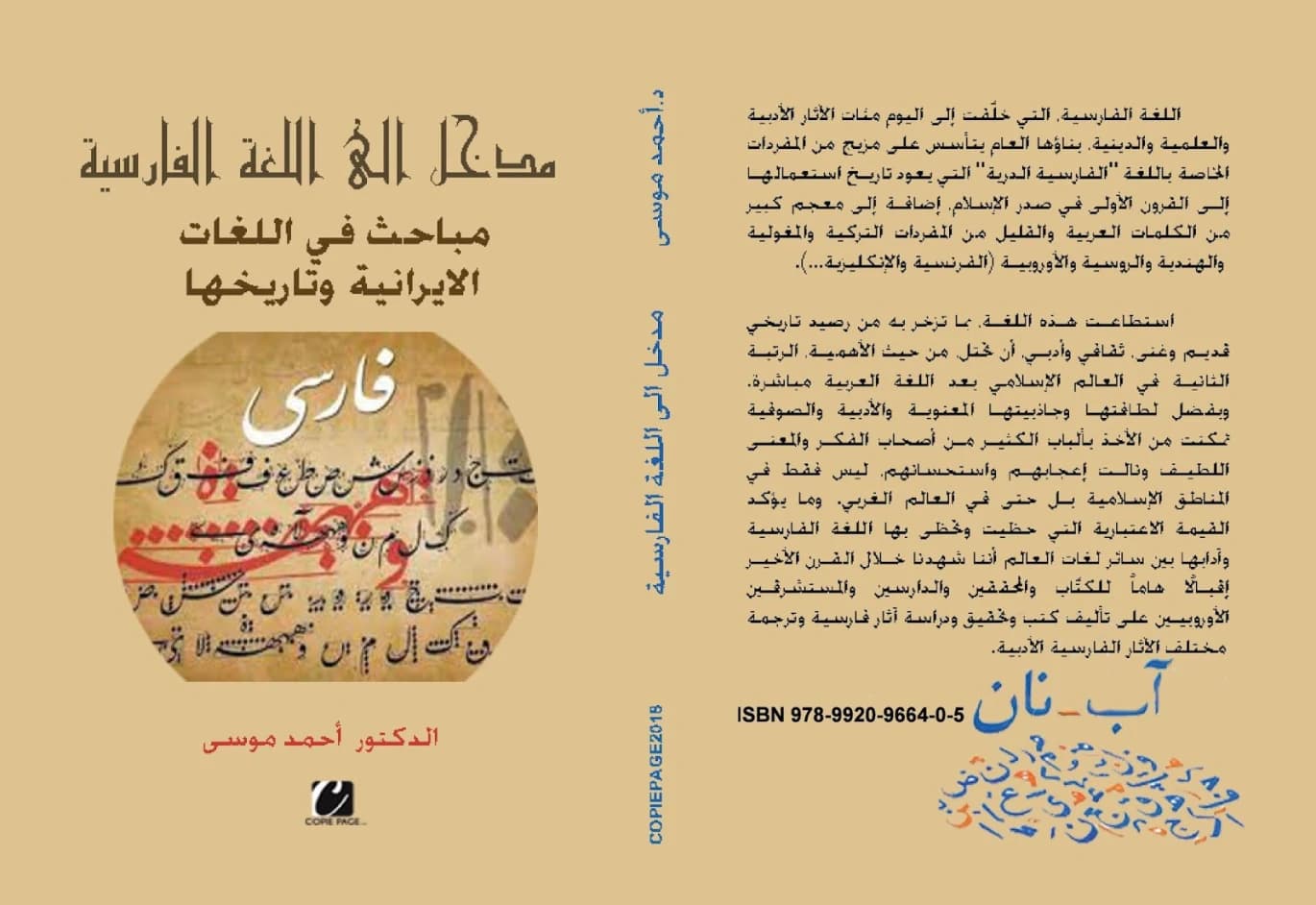
Persian is a language belonging to the Indo-European language family. It is the official language of Iran, Afghanistan (where it is called Dari), and Tajikistan (where it is called Tajik). It has a long history and a rich culture, and has influenced many other languages in the region. Language Origin and Development: Persian originated in the Fars region of southwestern Iran. Persian has gone through several stages of development, beginning with Old Persian (the language of the Achaemenid Empire), then Middle Persian (the language of the Sassanid Empire), and finally Modern Persian. Modern Persian is considered an extension of Middle Persian. Language Distribution and Use: Persian is spoken by approximately 86 million people in Iran, Afghanistan, Tajikistan, Uzbekistan, and other countries, according to Wikipedia. Persian is a living and developing language, used in a wide range of fields, including literature, poetry, music, religion, and the media. Persian has been an important cultural language in Central Asia and the Middle East for centuries, and it continues to have a significant influence on other languages in the region. Writing and Grammar: Persian is written in Iran and Afghanistan using the Persian alphabet, which is derived from the Arabic alphabet with four additional letters. Persian is written in Tajikistan using the Tajik alphabet, which is derived from the Cyrillic alphabet. Persian grammar is relatively simple, and Arabic speakers may find it easy to learn. Importance of Persian: Persian is a language of historical and cultural significance, having been the language of the ancient Persian empires and the language of many Muslim scholars, writers, and philosophers. Persian is a living language of cultural and economic importance in the Middle East and Central Asia. Persian is an important language for researchers in the fields of history, literature, and culture.